How to Declutter for a Minimalist Home

By Tereza Hower | Published April 10, 2026 | Updated October 13, 2026
Open the kitchen drawer nearest the stove. Somewhere in it are three spatulas, a garlic press used twice, and a gadget whose purpose is no longer clear, and none of them was a bad purchase on its own. That drawer is why minimalist decluttering has to come before any other minimalist decision: no paint color or piece of furniture can make a room calm while its storage is full of things nobody chose to keep.
The pull of accumulated stuff is real. Each object carries some memory, some cost, some worry about needing it later, and the longer it stays the less visible it becomes. This guide is the practical part of minimalism: how to start, how to decide, how to handle the things that resist deciding, and how to keep the space clear once the work is done.
Key Takeaways
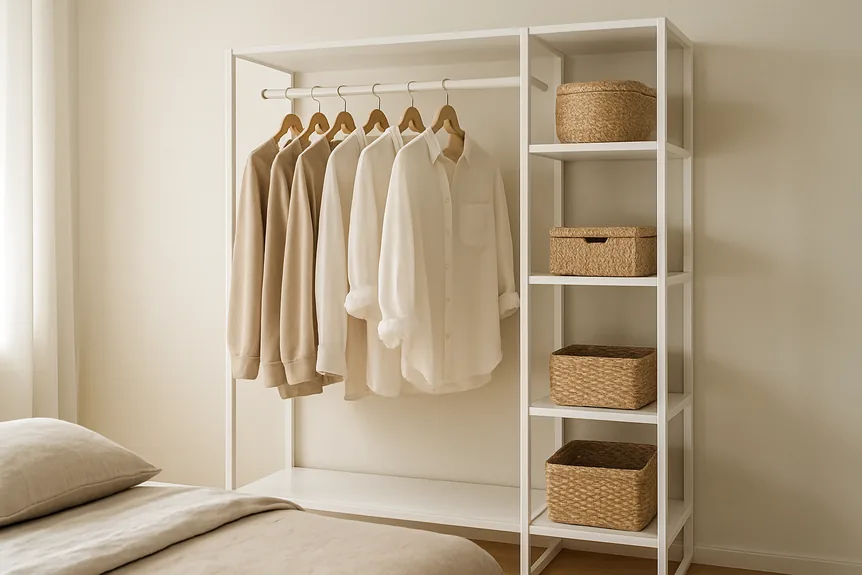
- Decluttering is the foundation of a minimalist home, because no styling decision works on top of full cabinets.
- Start with a single drawer or shelf, not the garage, and save sentimental things for last.
- Ask three questions of every object: used in the past year, would buy again today, brings pleasure or serves a purpose.
- Sort into keep, donate or sell, and discard, and move the discard pile out of the house the same day.
- Maintain with one in, one out, a short weekly edit, and a pause before every purchase.
Why Does Minimalist Decluttering Come First?
Minimalist decluttering is the process of reducing what you own to the things you use and value, so that the space itself can do the work minimalism promises. It is not about owning as little as possible. It is about owning nothing you would not choose again.
A cluttered room is harder to relax in and harder to keep clean, and every object on a surface competes for attention. Clearing the excess is also what lets the rest of the style function. Clean counters are impossible with twelve small appliances, and a calm bedroom is impossible with a dresser that does not close.
Decluttering comes before buying anything. The complete guide to minimalist interior design covers the principles that follow; this post covers the work that has to happen first.
The Right Mindset
It is a practice, not a project
Most people who try to declutter a whole home in a weekend end up exhausted and back where they started within months. A slower, steadier pace produces results that hold. Plan for a series of short sessions over several weeks rather than one heroic Saturday.
Decide what stays, not what goes
Instead of asking what to get rid of, ask what you want to keep. Keeping is an active choice; discarding is only the consequence of not choosing something. The shift sounds small and changes the emotional weight of every decision.
Minimalism is not a single look
What I learned is that minimalism is not a single look. A warm, textured home with very little in it is as minimalist as a white box, so declutter toward the version you actually want to live in rather than toward a photograph. The warm minimalism versus modern minimalism comparison lays out the two ends of that range.
Start small to build momentum
The most common false start is beginning with the hardest area: the garage, the basement, or the box of letters. Start with the easiest one instead. A single drawer, one shelf, one cabinet. Quick wins build the confidence the hard areas will need later.
How Do You Declutter Step by Step?
Step 1: Choose a category or a small area
Work by category (all books, all clothing) or by small area (one drawer, one shelf). Categories show you how much of one thing you own. Small areas give focused, finishable wins. Pick whichever you will actually finish this week.
Step 2: Take everything out
Empty the area or gather the category into one place. This step is not optional. Decisions made while things sit in their usual spots are shaped by inertia; decisions made with everything on the table are clearer and more honest.
Step 3: Sort into three piles
Keep, donate or sell, and discard. Some people add a “maybe” pile, and the maybe pile is where undecided objects go to live forever. Force a yes or a no on each item, and if an object genuinely needs a second look, give it a dated box and a deadline of one month.
Step 4: Ask the right questions
For each item, ask three questions: Has it been used in the past year? Would it be worth buying today if it were not already here? Does it give real pleasure or serve a clear purpose? Three noes and the item does not belong in a minimalist home, however much it cost.
Step 5: Process the same day
Deal with the discard pile immediately. Donations go in the car, recycling goes out, and anything for sale gets photographed and listed that evening. Bags of “stuff to get rid of” that sit in a hallway for weeks either get reabsorbed or become a new kind of clutter.
Step 6: Put back with intention
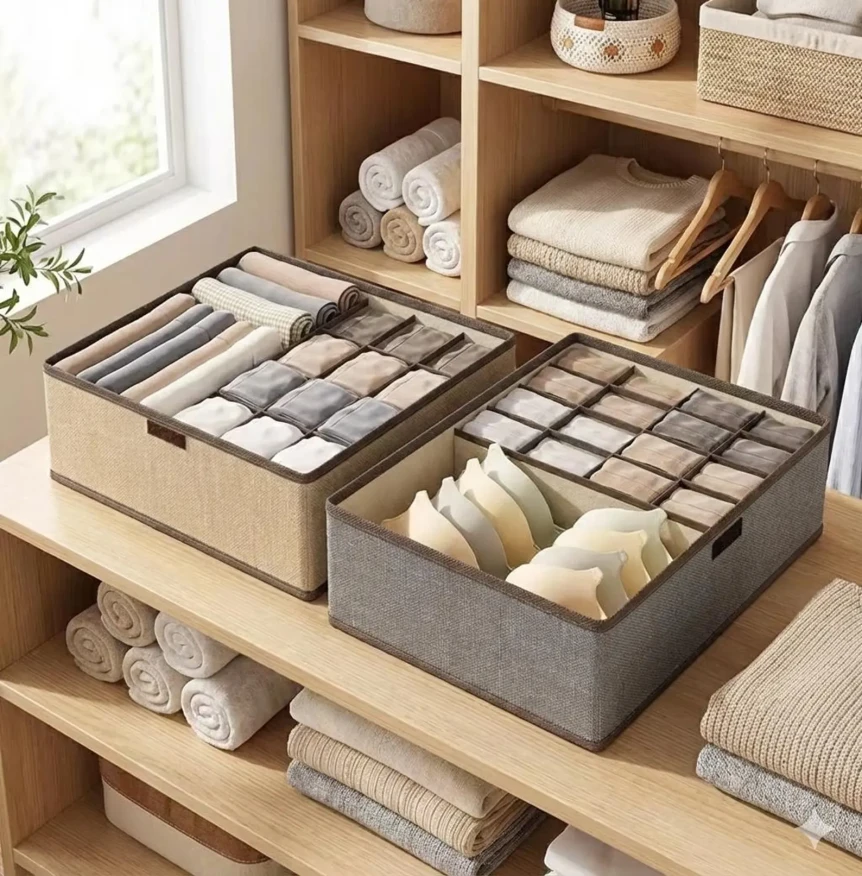
Group like with like, use a few simple dividers or boxes if they help, and leave empty space rather than filling the area back up. How things go back decides how easy the space is to maintain. A drawer at two thirds full stays tidy; a drawer packed tight is cluttered again in a month.
Decluttering by Room
The six steps are the same in every room, but each room has its own trap and its own sensible starting point. The table is the short version; the sections below add the detail.
| Room | Start with | Keep rule | Common trap |
|---|---|---|---|
| Closet | One category, such as shoes or knitwear | Worn in the past year, or seasonal and loved | Keeping the size you were, not the size you are |
| Kitchen | The gadget drawer | Used monthly, or one of a kind | Duplicate tools and single use appliances |
| Living room | Every flat surface | Belongs to the room’s daily use, or is one chosen object | Surfaces as storage for things in transit |
| Bedroom | Nightstands | Serves sleep, dressing, or real meaning | The dresser top as a second nightstand |
| Bathroom | The cabinet under the sink | In date, in use, and not a duplicate | Half used products kept “for travel” |
| Paper | The pile by the door | Legally or financially necessary | Filing what could be recycled or scanned |
Closets and clothing
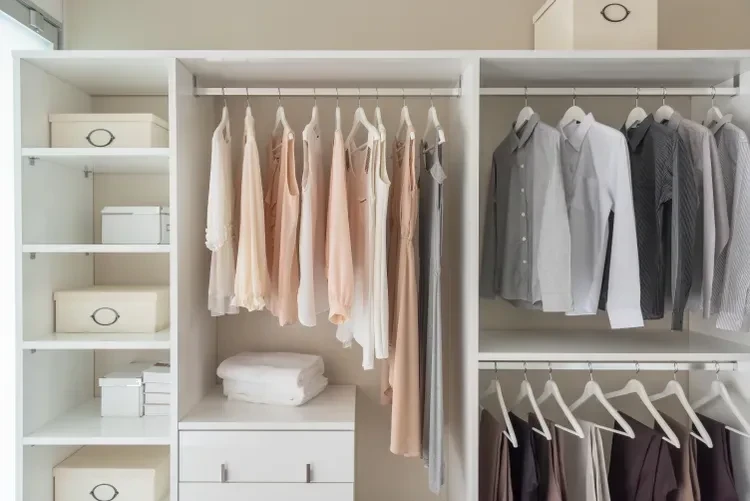
Take everything out and put it on the bed, then try on anything you are unsure about. Be honest about what fits, what you wear, and what you keep for a version of your life that has not arrived. If it has not been worn in a year and it is not seasonal, it will not be worn again.
Kitchens
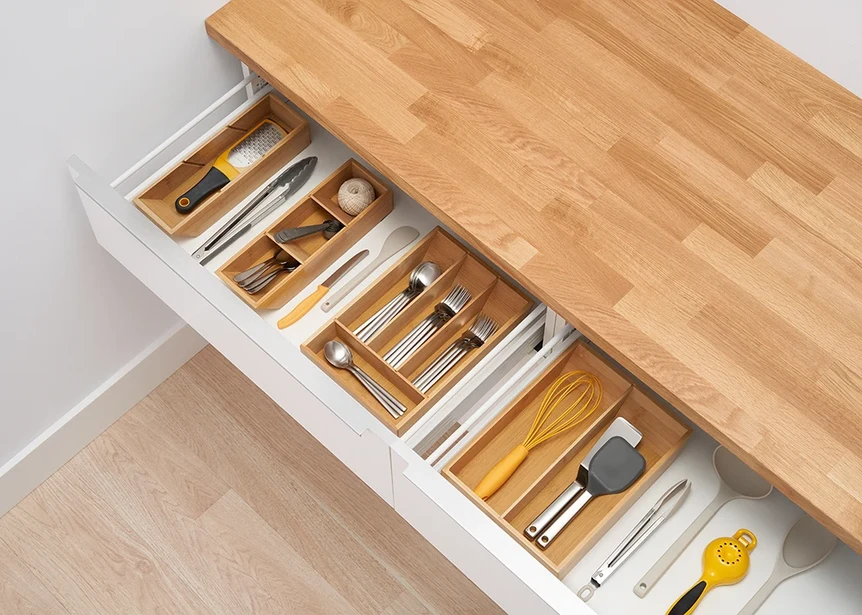
Kitchens collect gadgets, odd dishes, and duplicate tools faster than any other room. Empty one cabinet at a time, group like items, and question every duplicate: three spatulas, four colanders, the single purpose tool used once. For the cabinetry and counter decisions that follow, minimalist kitchen ideas picks up where the clear out ends.
Living rooms
Surfaces first. Coffee tables, side tables, shelves, and media units collect things in transit. Clear every one of them, then return only what the room uses daily plus one object you chose on purpose. Books, decor, and media face the same three questions as everything else.
Bedrooms
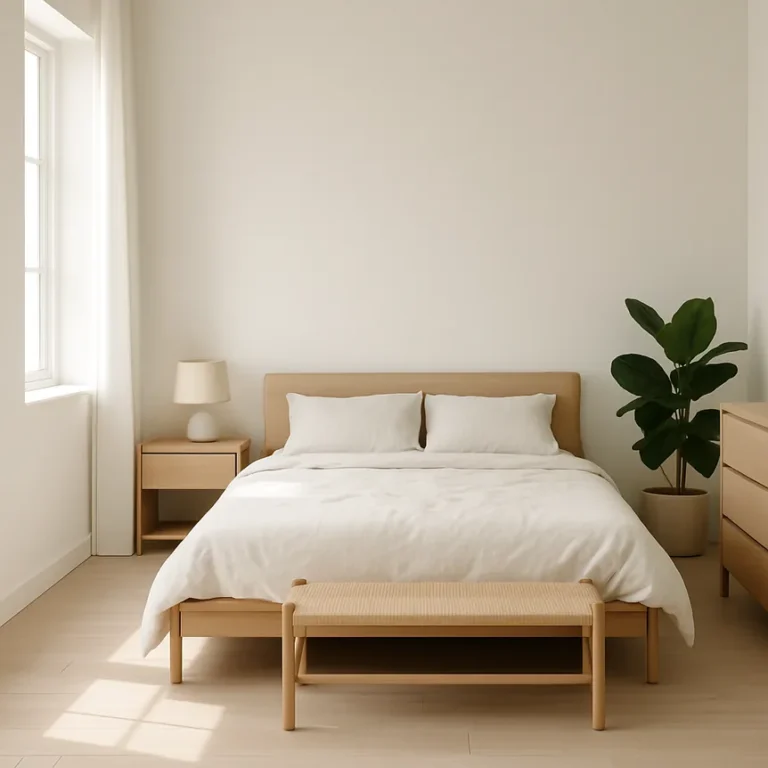
A bedroom has one job, which makes it the easiest room to edit. Clear the nightstands and the dresser top, then remove anything that does not serve sleep, dressing, or real personal meaning. For what the room should hold once it is empty, see minimalist bedroom design ideas.
Bathrooms
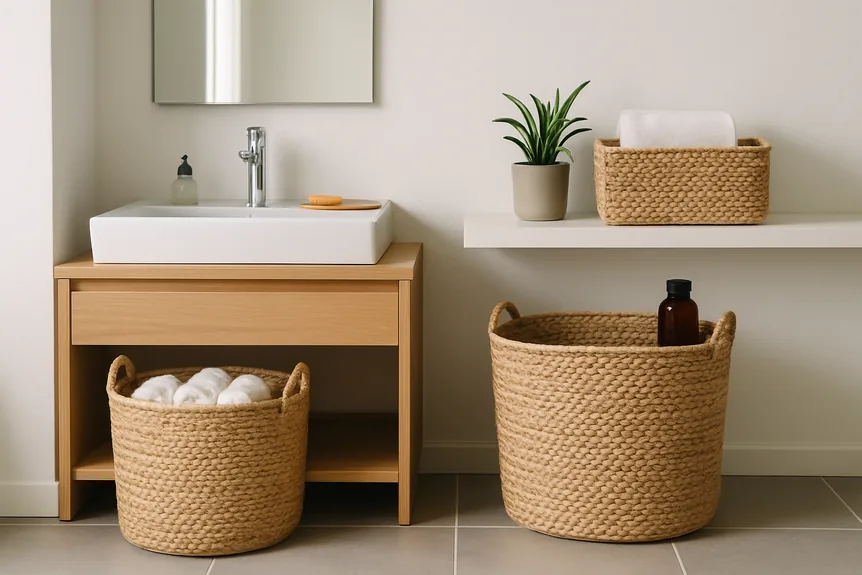
Bathrooms hoard expired products, half used bottles, and duplicates. Discard anything past its date, consolidate duplicates, and limit what is visible to a few essentials in one tray. The bathroom storage solutions guide covers where the rest lives once the cabinet is edited.
Paper and documents
Paper arrives faster than anything else in the house. Keep what is legally or financially necessary, scan what you might need to reference, and recycle the rest the day it arrives. A single tray by the door, emptied weekly, replaces most filing systems.
What Should You Do With Sentimental and “Just in Case” Items?
Sentimental items
Letters, photographs, gifts, inherited objects, and memorabilia are the hardest category, which is why they come last. By the time you reach them you will have practiced the three questions on easier things. When you do, ask whether the object matters or the person and memory behind it matter. Often the meaning can be kept in one representative piece, or in a photograph, without keeping the whole box.
Gifts you do not love
No one is obliged to keep a gift forever. The act of giving is what mattered to the giver, not the object’s permanent residence in your home. If it does not fit your life, let it go; the person who gave it almost certainly does not want you living with something you resent.
“Just in case” items
The “might need it someday” pile is where minimalism goes to die. For most ordinary objects, someday never comes, and if it does, the item can be borrowed or bought again. The cost of storing something for a hypothetical future almost always exceeds the cost of replacing it.
Hobby materials
Abandoned hobbies, unfinished projects, and supplies for activities you no longer do take up more space than most people realize. Keep the supplies for what you still practice. Donate or sell the rest to someone who will use them this year.
How Do You Keep a Minimalist Home Clutter Free?
One in, one out
For every new item that enters the home, one similar item leaves. A new shirt means an old one is donated; a new book means a finished one is passed on. The rule is simple enough to keep and strict enough to stop accumulation creeping back.
A short weekly edit
Ten minutes a week is enough to return things to their places and remove whatever has landed on a surface. A longer monthly pass catches anything that has stopped earning its place. Small ongoing edits are what prevent the next major clear out.
Pause before buying
The surest way to maintain a minimalist home is to control what comes in. Before anything new comes home, ask where it will live and what it will do. A vague answer usually means the piece does not belong. Most impulse purchases do not survive that pause, and the ones that do are the ones worth owning.
When something does earn its way in, buy it once and well. The minimalist furniture guide makes the case for fewer, better pieces, and the minimalist color palettes guide covers the palette that a newly cleared room can finally show off.
Forgive the off weeks
Maintaining a minimalist home is not about perfection. Surfaces will collect things during a busy fortnight, and that is normal. The goal is a home you can return to calm in an hour, not one that never leaves it.
Common Mistakes in Minimalist Decluttering
- Buying storage before decluttering. Bins and baskets bought first become a way to keep everything in tidier form. Edit first, then buy only the containers the remaining things need.
- Starting with the sentimental box. It is the hardest category and the fastest way to stall. Leave it until the three questions are a habit.
- Keeping the maybe pile. A maybe without a deadline is a keep. Date the box and give it a month.
- Letting the donate bags linger. Anything still in the hallway after a week is on its way back into the house.
- Decluttering to a photograph. Emptying a room to match a white box you would not enjoy living in leads to refilling it. Declutter toward the warm or spare version you actually want.
- Treating it as a one time event. Without one in, one out and a weekly pass, the same drawer is full again within a year.
Where to Start This Weekend
Decluttering is the entry point to minimalism. It is slow, it asks you to confront things you have been avoiding, and it gets easier with every drawer. Pick the single easiest area in the house, empty it, ask the three questions, and take the discard pile out before dinner.
Once the space is clear, the design decisions become simpler, because there is less to design around. The minimalist home office ideas post is a good next room to apply the same method to, and the minimalist interior design guide holds the whole framework together.
Frequently Asked Questions
Where do I start when decluttering for a minimalist home?
Start with the easiest small area, not the hardest room. A single drawer, one shelf, or one cabinet gives a finishable win and builds the confidence the harder areas need. Save sentimental items, the garage, and the basement for last, after the three questions have become a habit.
How do I decide what to keep when decluttering?
Ask three questions of every object: Has it been used in the past year? Would it be worth buying today if it were not already here? Does it give real pleasure or serve a clear purpose? If all three answers are no, it goes. Framing the decision as what to keep, rather than what to discard, makes it easier.
What is the difference between decluttering and minimalism?
Decluttering is the act of removing what you do not use or value. Minimalism is the way of living and designing that becomes possible once that is done: fewer, better things, clear surfaces, and rooms arranged around how you actually live. Decluttering is the first step; minimalism is what you do with the space it creates.
What should I do with sentimental items?
Leave them until last, after practicing on easier categories. Then ask whether the object itself matters or the person and memory behind it. Often one representative piece, or a photograph of the object, preserves the meaning without keeping the whole box.
How do I maintain a minimalist home over time?
Use one in, one out for every new purchase, spend ten minutes a week returning things to their places, and pause before buying to ask where the item will live and what it will do. Expect the occasional cluttered week and treat it as normal; the goal is a home you can return to calm quickly, not one that never slips.