Minimalist Kitchen Ideas and Design Tips for a Clean, Functional Space

By Tereza Hower | Published April 12, 2026 | Updated September 7, 2026
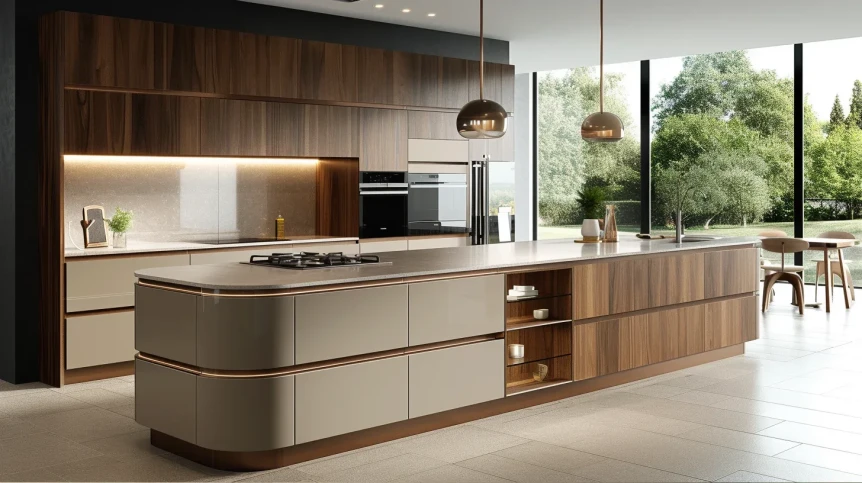
The kitchen is where minimalist principles pay off most visibly in daily life. A clutter free counter makes cooking easier. Concealed storage means you can find what you need without rummaging. A tight set of well chosen tools beats a drawer full of gadgets you never use. Minimalism in the kitchen isn’t just about how the room looks. It’s about how it works.
This guide covers everything you need to design a minimalist kitchen, from cabinetry and countertops to appliances, storage strategies, and the styling details that pull the look together.
What Defines a Minimalist Kitchen
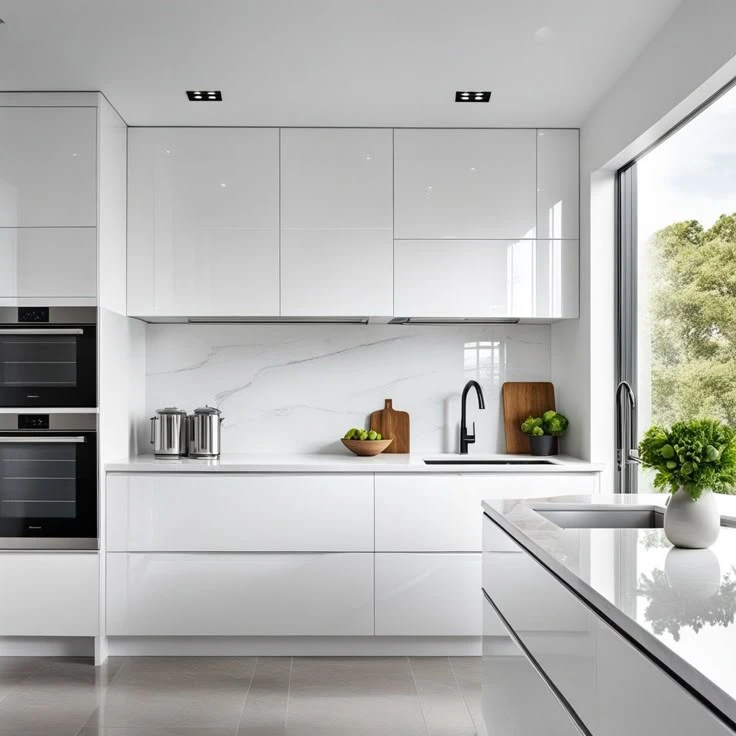
A minimalist kitchen features clean cabinetry, clear countertops, hidden storage, and a tight color palette. Hardware is minimal or absent entirely. Appliances are either built in or kept inside cabinets when not in use. The result is a kitchen that feels calm and functional rather than busy and overwhelming. For more ideas in the same spirit, see small kitchen design ideas that make the most of your space.
For the broader principles behind minimalist design, see our complete guide to minimalist interior design. The complete guide to modern kitchen design covers the same ground in depth.
Cabinetry
Flat Front Cabinets
Flat panel or slab cabinets are the most minimalist choice. The smooth surface provides a clean visual line that reinforces the calm atmosphere. Avoid raised panels, decorative trim, or busy detailing. The simpler the door front, the more minimalist the look.
Color Choices
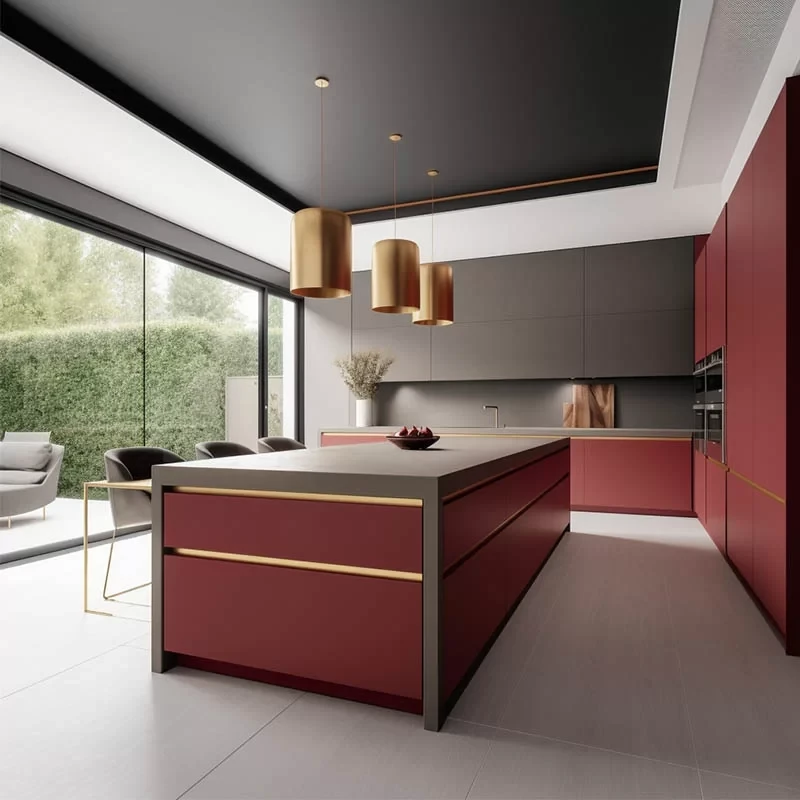
Warm white, soft cream, light gray, and natural wood tones are the most common minimalist cabinet colors. For a more modern minimalist look, deep charcoal or matte black cabinets create dramatic contrast. Whatever color you choose, stick to one or two tones throughout the cabinetry rather than mixing multiple colors.
Hardware
Minimalist kitchens often use no visible hardware at all. Push to open mechanisms, integrated finger pulls, and routed grooves provide function without disrupting the clean cabinet face. If you prefer visible hardware, choose simple pulls in matte black, brushed brass, or polished steel. Avoid anything ornate or oversized.
Reach the Ceiling
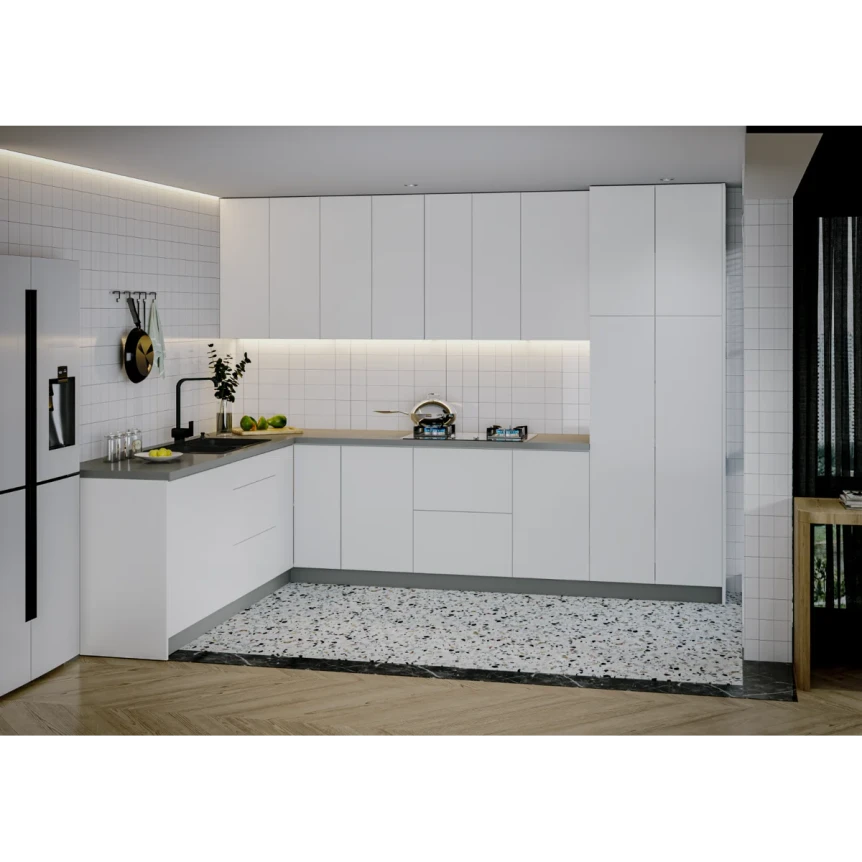
Cabinets that extend all the way to the ceiling provide more storage and create a cleaner look. They eliminate the awkward dust collecting gap above standard cabinets and contribute to the seamless feel that defines minimalist kitchens.
Countertops
Clear Surfaces
The single most impactful minimalist kitchen choice is keeping countertops clear. Store small appliances, knife blocks, utensil crocks, and decorative items in cabinets or drawers when not in use. A clear counter is easier to clean, easier to use, and visually calmer.
Material Options
Quartz, marble, granite, concrete, and butcher block all work in minimalist kitchens. Choose materials with subtle veining or texture rather than busy patterns. Solid colors and quiet veining read more minimalist than dramatic stone with heavy patterning.
Color and Continuity
Light countertops in white, cream, or soft gray create the brightest minimalist kitchens. Darker countertops in charcoal or black work well in modern minimalist spaces but can feel heavier. For visual continuity, consider running the same material from countertop up the wall as a backsplash.
Backsplash
Simple and Continuous
A minimalist backsplash is simple and quiet. White or cream subway tile, a single slab of stone, or a continuous run of the countertop material all work. Avoid mosaic patterns, contrasting grout colors, or busy tile arrangements that compete with the clean cabinet lines.
Same Material, Different Application
Using the same material for both countertop and backsplash creates a seamless, almost architectural look that reads as deeply minimalist. This works especially well with quartz, marble, or microcement.
Storage Strategies
Concealed Everything
The minimalist kitchen relies on concealed storage. Closed cabinets and drawers hide tools, dishes, dry goods, and small appliances. The fewer items you can see, the calmer the kitchen feels. For more on the broader decluttering process, see our guide on how to declutter for a minimalist home.
Drawer Organization
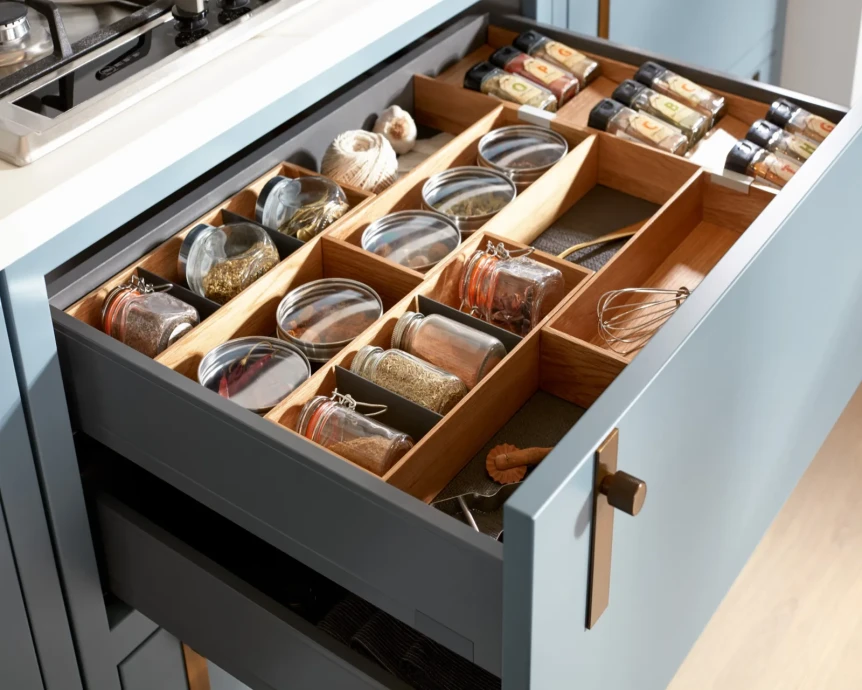
Drawer organizers turn drawers into highly functional storage. Custom dividers for utensils, dishes, and tools keep everything in its place and prevent the kitchen from feeling chaotic when you open a drawer.
Pantry Storage
A walk in pantry or a tall cabinet dedicated to dry goods and pantry items keeps food storage out of the main kitchen. Within the pantry itself, glass or matching ceramic containers create visual order even behind closed doors.
Pull Out Solutions
Pull out shelves, drawers within cabinets, and corner solutions maximize the function of every inch of cabinet space. The more efficiently you use your storage, the fewer things you need to leave on countertops.
Appliances
Built In Where Possible
Built in refrigerators, dishwashers, and microwaves that are paneled to match the cabinets disappear into the kitchen. This is the most minimalist approach because it eliminates the visual interruption of appliance fronts.
Stainless Steel Done Right
If built ins aren’t possible, simple stainless steel appliances work in most minimalist kitchens. Choose models with clean fronts, minimal branding, and simple controls. Avoid appliances with busy displays, decorative features, or unnecessary buttons.
Hide What You Can
Small appliances like coffee makers, toasters, and stand mixers should live in cabinets or appliance garages rather than on the counter. A dedicated cabinet shelf for the coffee station with an outlet inside can keep your morning routine convenient without adding visual clutter.
Color and Materials
The Foundation
Minimalist kitchens typically use warm whites, soft creams, light grays, and natural wood tones. The combination feels clean without being cold. For specific color combinations, see our minimalist color palettes guide.
Adding Warmth
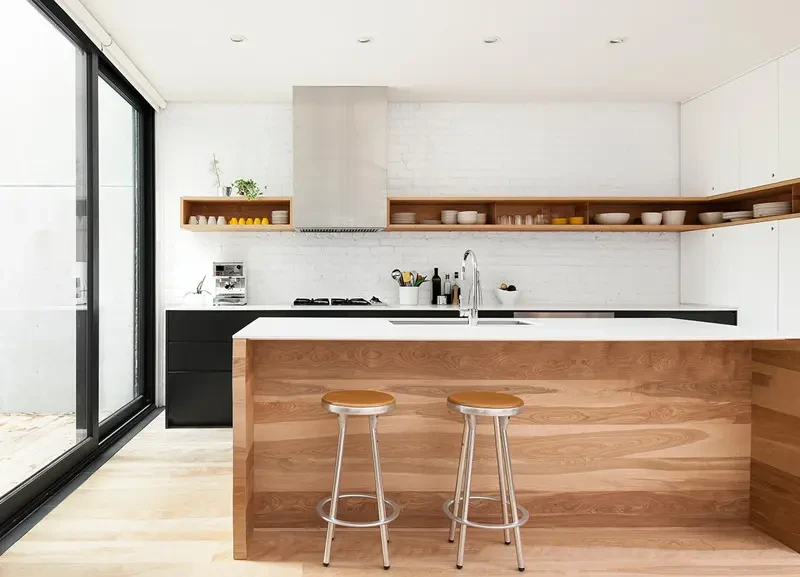
Natural wood is the most effective way to warm up a minimalist kitchen. A wood floor, a wood island top, wood open shelving, or even a wood accent on cabinets adds warmth that prevents the room from feeling sterile.
One Accent Material
If you want visual interest beyond the basic palette, choose one accent material and use it consistently. A single brass accent through faucets and hardware. A single stone material throughout the countertops and backsplash. A single wood tone on shelving and the island top. Repetition creates calm; variety creates noise.
Open Shelving Done Right
Open shelving can work in a minimalist kitchen, but it requires discipline. If you choose to include open shelves, use them sparingly (one or two shelves rather than entire walls), and display only items that contribute to the visual calm. A few stacked white plates, a simple ceramic pitcher, and a small plant. Not a collection of mismatched mugs and decorative tchotchkes.
Lighting
Pendant Lights
One or two simple pendants over an island provide both task lighting and a clean visual element. Choose fixtures with simple geometric forms in white, black, or natural materials. Avoid anything ornate or oversized.
Under Cabinet Lighting
Discrete LED strips under upper cabinets provide essential task lighting for countertops without disrupting the visual calm. Choose warm white temperatures around 2700K to 3000K.
Recessed Ceiling Lights
Recessed ceiling lights provide general illumination without adding visible fixtures. They work especially well in kitchens with lower ceilings or where you want a completely clean ceiling line.
The Dining Element
If your kitchen includes a dining area, keep it as simple as the rest of the room. A single wood table, simple chairs, and a clear surface (perhaps with one small centerpiece) reinforces the minimalist aesthetic. For more on coordinating with adjacent spaces, see our minimalist living room ideas guide.
Minimalist Kitchens in Smaller Spaces
Minimalism is ideal for small kitchens. Choose a single cabinet color for visual continuity. Use full height cabinets for maximum storage. Keep countertops completely clear. Limit open shelving to one functional shelf if any. Mount lighting on walls or recess it into the ceiling. The cleaner and more consistent the space, the larger it feels.
For more on furniture and material decisions, see our minimalist furniture guide.
Conclusion
A minimalist kitchen looks beautiful because it works well. Clean cabinetry, clear countertops, concealed storage, and a tight palette create a room that’s calm to be in and easy to use. Start with the bones (cabinets, countertops, layout), commit to keeping surfaces clear, and only display the items that genuinely deserve to be visible. The result is a kitchen that improves both how your home looks and how it functions.
For the complete picture of minimalist design, visit our complete guide to minimalist interior design.
Frequently Asked Questions
What is a minimalist kitchen?
A minimalist kitchen features flat front cabinetry in neutral tones, minimal or hidden hardware, clear countertops, concealed storage, and built in or simple stainless steel appliances. The color palette is tight, often warm whites, creams, and natural wood tones, and surfaces stay clear of visible clutter.
How do I keep my minimalist kitchen counters clear?
Store small appliances, utensil holders, knife blocks, and decorative items in cabinets or drawers when not in use. A dedicated cabinet for coffee gear or other daily items keeps your routine convenient without leaving things on the counter. The fewer items visible, the calmer the kitchen feels.
Should a minimalist kitchen have open shelving?
It can, but use open shelving sparingly. One or two shelves displaying a few simple items (matching dishware, a plant, a ceramic pitcher) work well. Avoid filling entire walls with open shelving, which requires constant editing and tends to look cluttered. Closed storage is generally more minimalist.
What color should a minimalist kitchen be?
Warm white, soft cream, light gray, and natural wood tones are the most popular choices. They create a bright, clean atmosphere that feels calm without being sterile. For a more modern look, deep charcoal or matte black cabinetry creates dramatic contrast. Stick to one or two tones throughout for the cleanest look.