Modern Decor Styles, Explained
Most people land on a decor style sideways. You save a few pins, notice they all share a wood tone or a color palette, and realize you’ve been gravitating toward something with a name you didn’t know.
This page is for the in-between moment. Six modern decor styles, what each one actually looks like, who it tends to fit, and how it differs from the ones it’s often confused with. Click into any style for the full design walkthrough, room by room ideas, and furniture picks.
If you already know what you want, the cards below link straight in. If you’re not sure, the comparison at the bottom helps narrow it down.
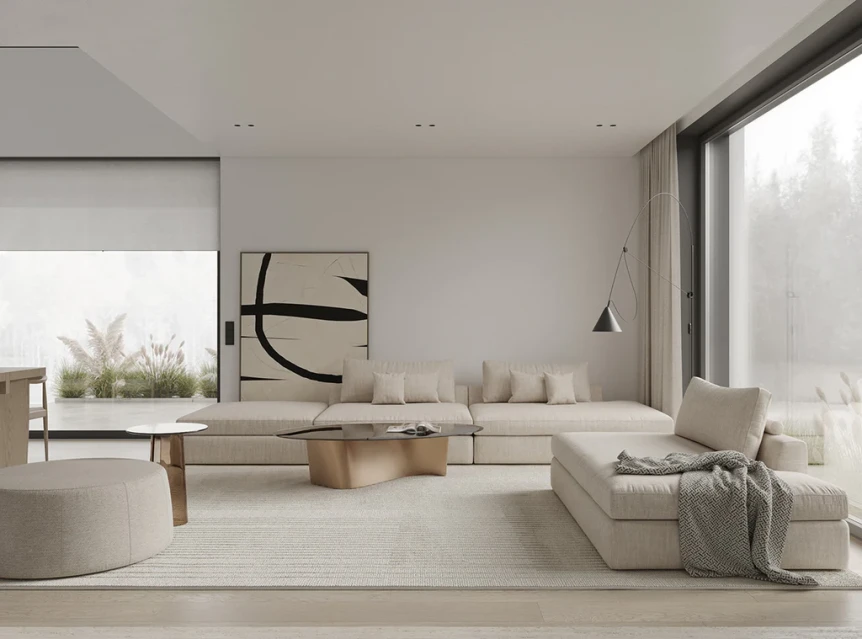
Minimalist
Less of everything, chosen carefully.
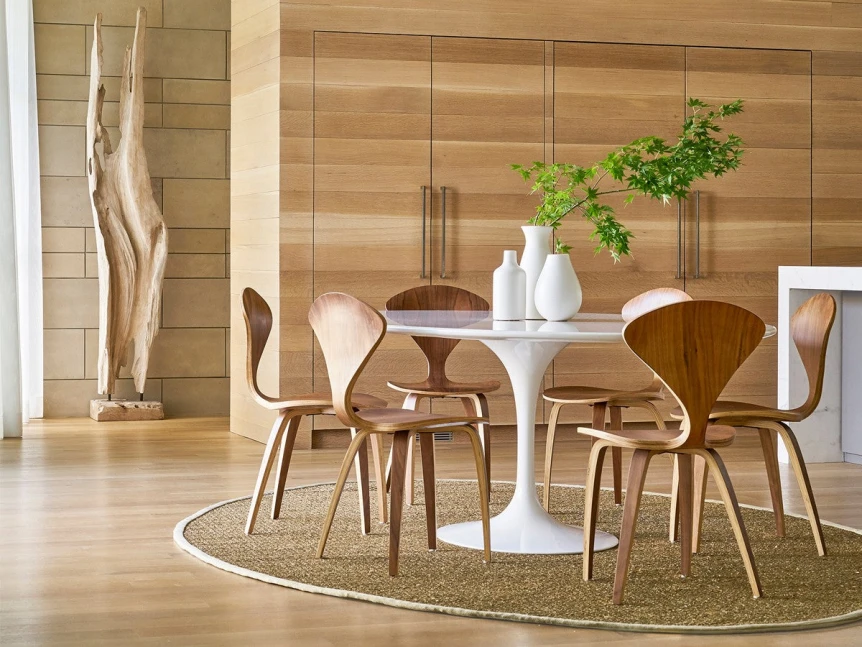
Scandinavian Dining Room
Bright, functional, built to live in.
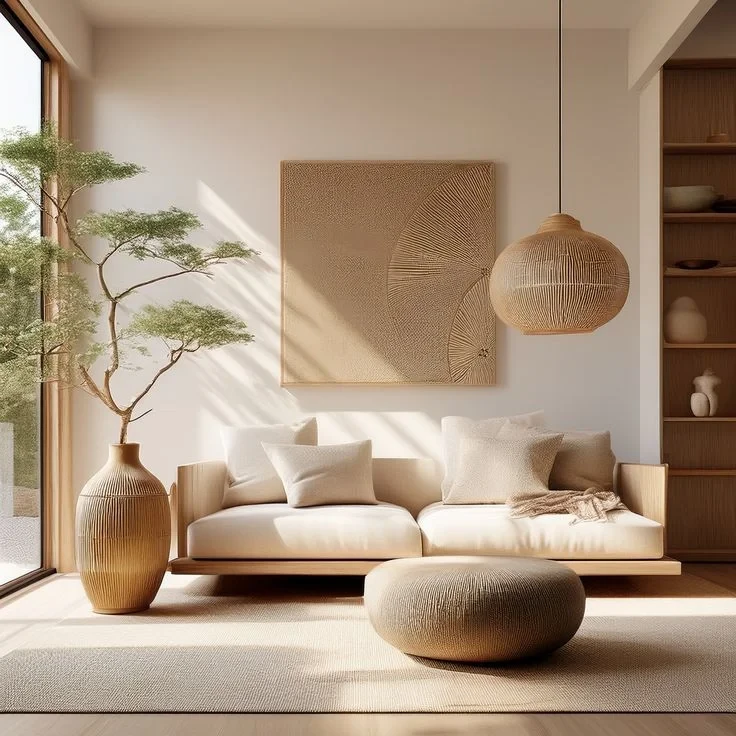
Japandi
Japanese craft meets Scandinavian function.
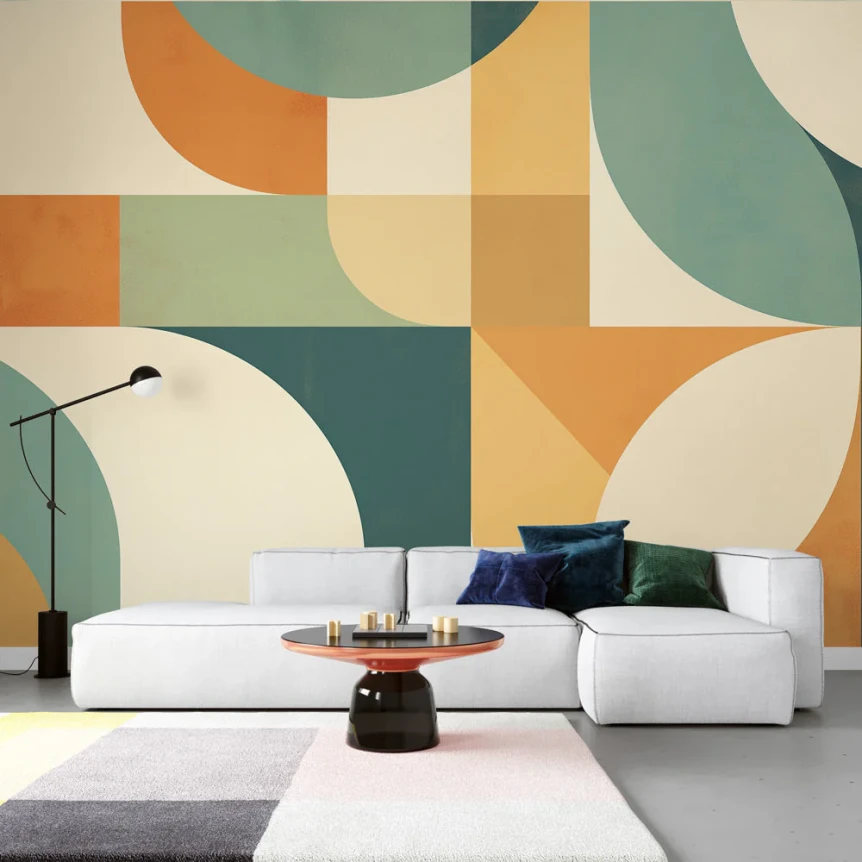
Mid-Century Modern
Postwar optimism, still working seventy years on.
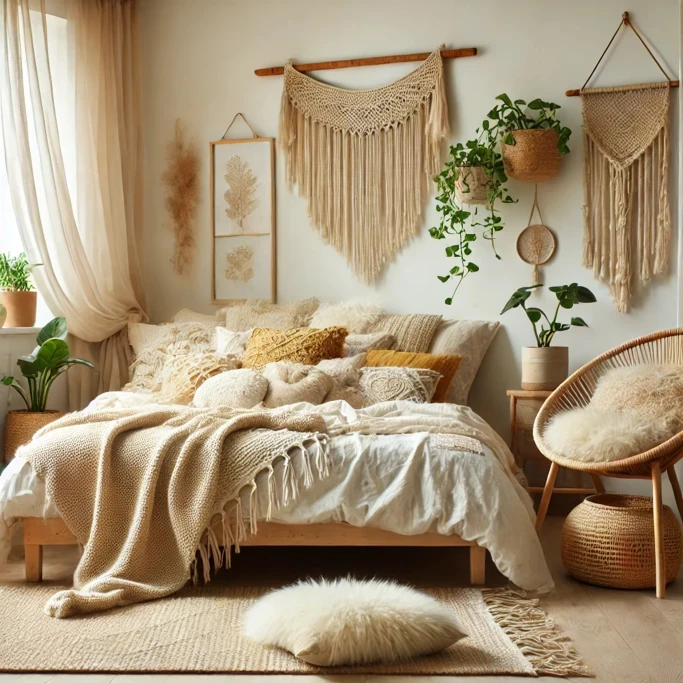
Bohemian
Collected, layered, never finished.
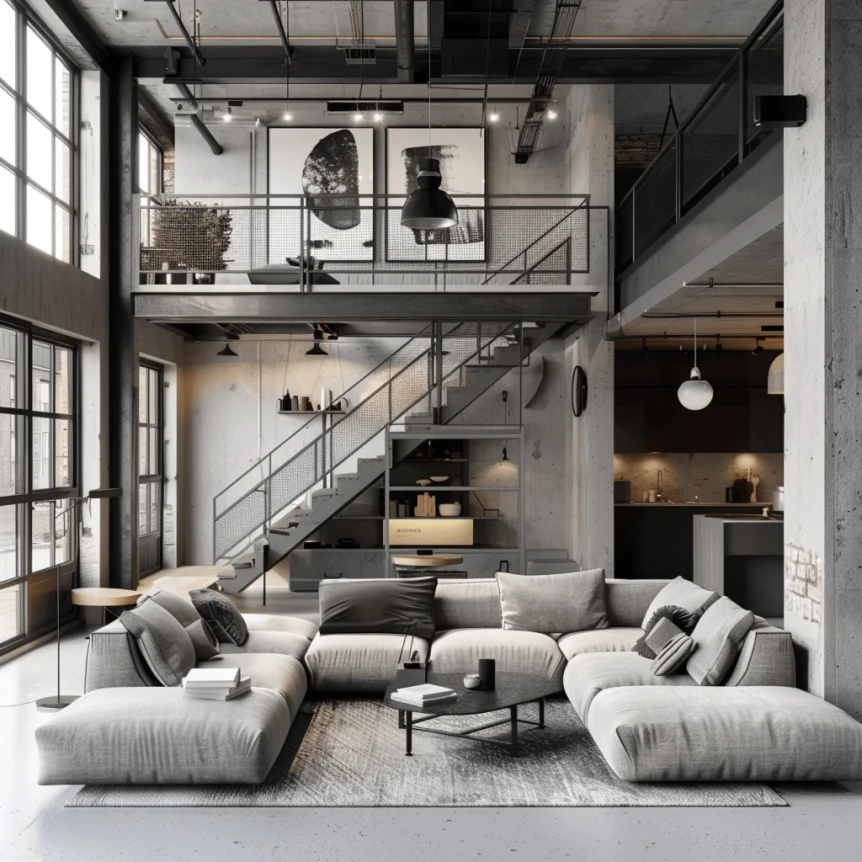
Industrial
Raw materials, honest construction.
Not Sure Which One Fits?
A few honest distinctions that make picking easier:
If you love the idea of a quiet, uncluttered home but warm wood and soft textiles are non negotiable, you’re probably looking at Scandinavian or Japandi, not strict minimalism.
If you find Scandinavian a touch too bright and want something darker, calmer, and more grounded, Japandi is usually the answer.
If you want a room that has personality without trying too hard, and you don’t mind splurging on one or two heritage pieces, mid century modern is the safest bet that’s never boring.
If you can’t stand the idea of an unfinished surface and you want layers, texture, and color, you’re a bohemian at heart, even if you’ve been trying to fit yourself into a minimalist mold.
If you live in a loft, a converted warehouse, or just love the look of raw materials, industrial done well can be one of the most architectural and confident style choices there is.
Most homes end up blending two. Scandinavian boho, modern industrial, and Japandi minimalism are all valid combinations that work. The trick is picking a dominant style and letting the second one play supporting role.