Minimalist Furniture Guide: Quality Over Quantity

By Tereza Hower | Published April 10, 2026 | Updated October 12, 2026
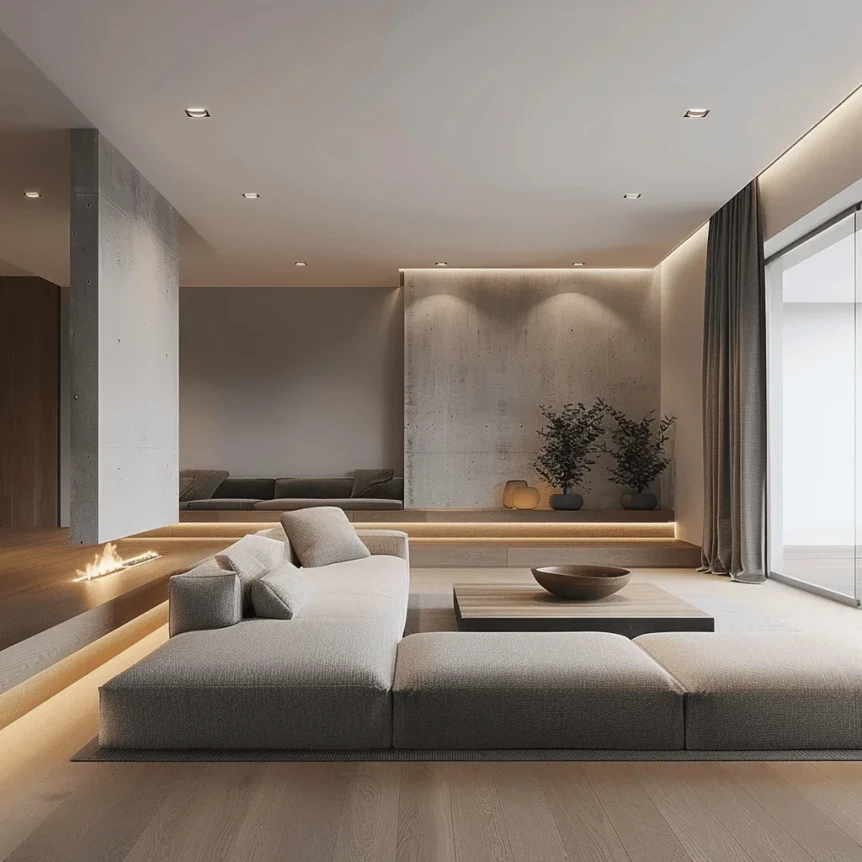
Minimalism asks more of furniture than other styles do. When you own fewer pieces, each one carries more visual and functional weight. A sofa in a minimalist living room isn’t just a place to sit. It’s the room’s focal point, its color anchor, and often its largest visual element. The same is true for the bed in a minimalist bedroom, the table in a minimalist dining room, and the desk in a minimalist office.
This guide covers what makes furniture truly minimalist, the essential pieces for each room, and practical advice on sourcing quality at different price points.
What Makes Furniture Minimalist
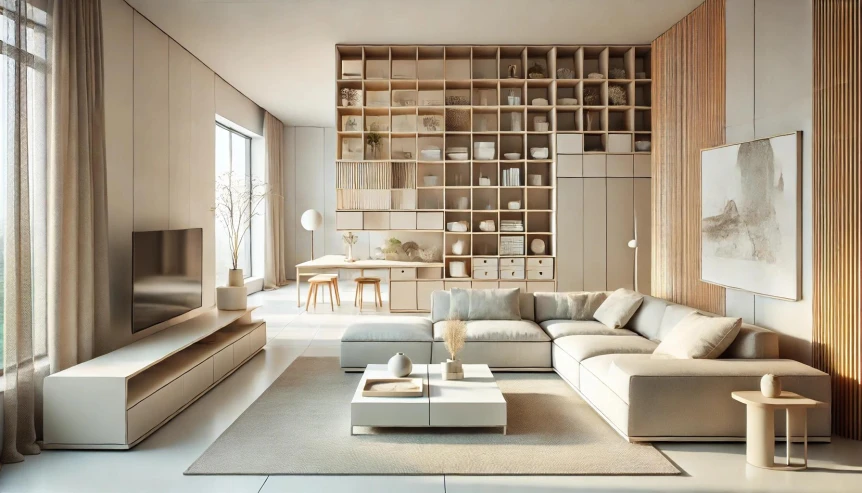
Minimalist furniture shares several consistent qualities. Lines are clean and simple, with geometric forms or restrained organic curves. Decoration is absent. Hardware is understated, hidden, or eliminated entirely. Materials are honest and visible: natural wood with the grain showing, metal with simple finishes, fabric in solid neutral tones. The pieces are designed to function quietly rather than to call attention to themselves. These material and design choices are part of minimalist furniture design, which is defined by six traits that distinguish it from other approaches.
A useful test: if a piece of furniture would still look beautiful with all its decoration removed, it’s probably minimalist. If removing the decoration would leave nothing interesting behind, it’s not.
For the broader principles behind minimalist design, see our complete guide to minimalist interior design.
Essential Living Room Furniture
The Sofa
A minimalist sofa has clean lines, a relatively low profile, and upholstery in a solid neutral fabric. Avoid heavy tufting, rolled arms, decorative buttons, and skirts. Look for simple geometric forms with slim wood or metal legs. Linen, cotton, and wool are the most common upholstery materials. Warm white, soft beige, light gray, and charcoal are the most versatile color choices.
Coffee Tables
A simple coffee table with a clean form is all you need. Round or rectangular, in natural wood, stone, or metal. Avoid ornate bases, glass tops with elaborate frames, or pieces with visible hardware. The table should feel quiet and substantial rather than decorative.
Accent Chairs
If you need additional seating, choose one accent chair with a simple silhouette. A wooden lounge chair, a clean lined upholstered armchair, or a sculptural modern piece all work. The chair shouldn’t try to compete with the sofa visually. Its job is to complement and add function.
Storage Pieces
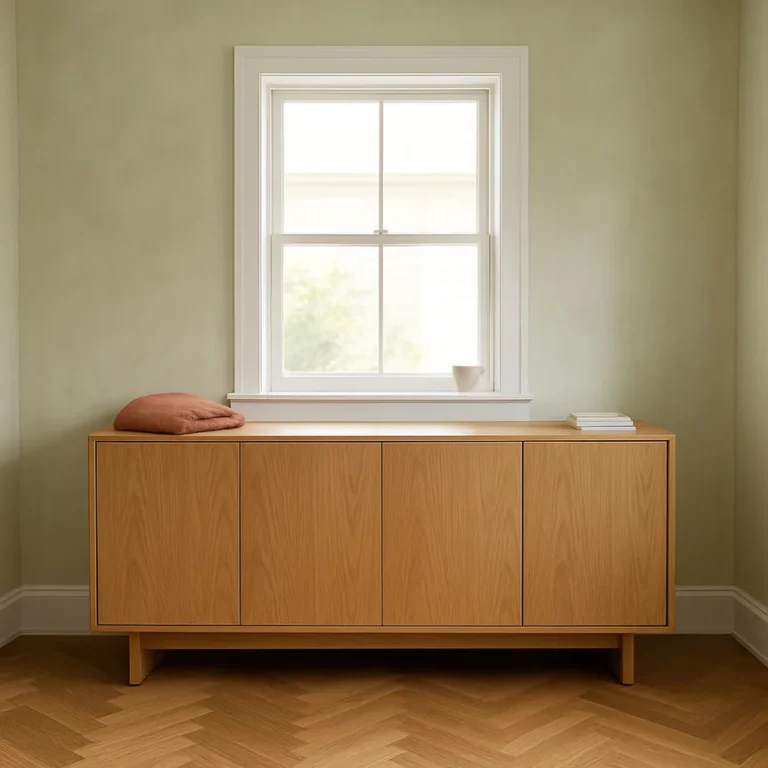
A media console with closed doors hides electronics, cables, and clutter. Built in cabinets integrate with the architecture. A simple shelving unit displays a few curated items. Whatever storage you choose, prioritize pieces that hide more than they show.
For complete living room planning, see our minimalist living room ideas guide.
Essential Bedroom Furniture
Bed Frame
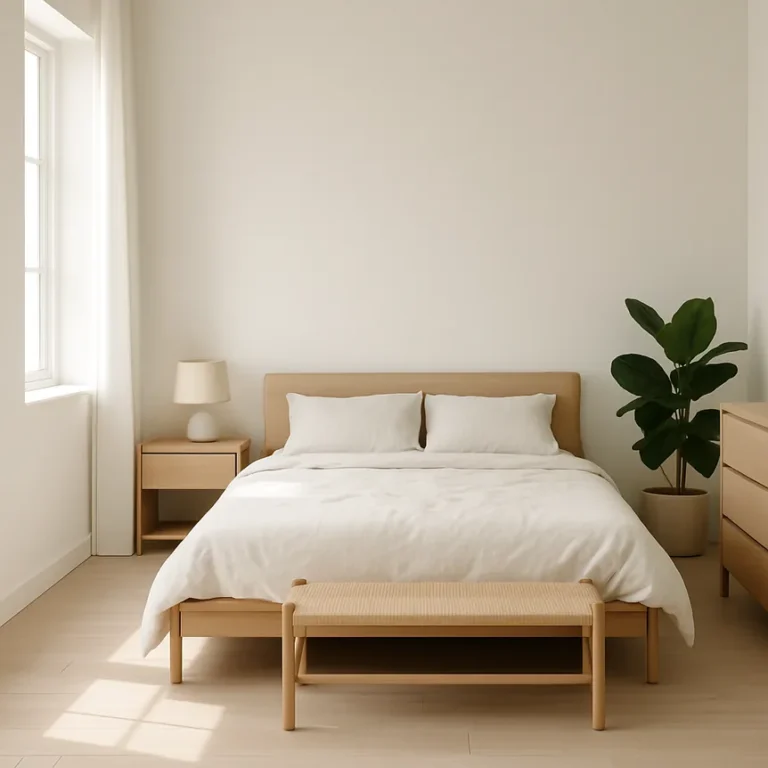
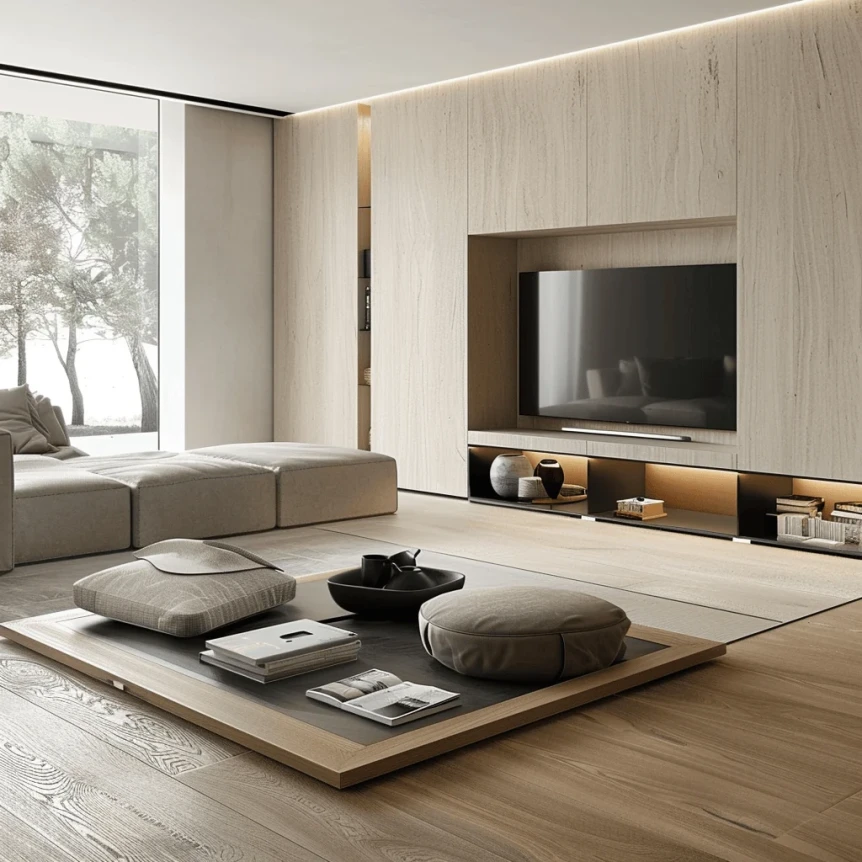
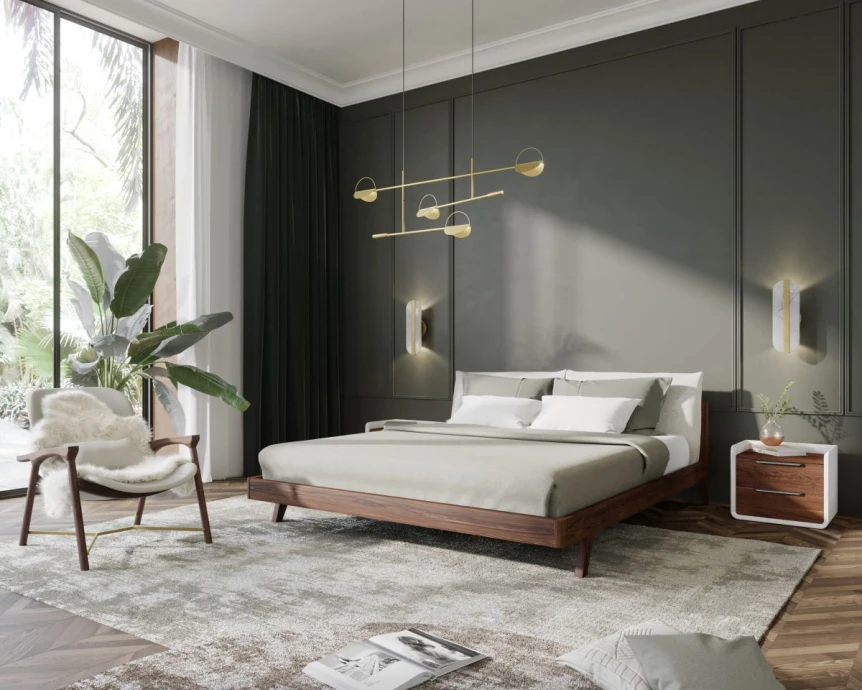
A simple bed frame is the centerpiece of a minimalist bedroom. Platform beds in natural wood, clean lined upholstered frames in linen or wool, and simple metal frames all work well. Avoid ornate headboards, decorative finials, or busy detailing. The frame should be substantial without calling attention to itself.
Nightstands
Small, simple, and functional. A wooden nightstand with one drawer, a wall mounted shelf, or a low stool all serve the purpose. Matching nightstands on both sides of the bed create symmetry, but a single nightstand on one side is even more minimalist if you don’t need two.
Storage Furniture
Built in wardrobes are the most minimalist storage solution because they integrate with the architecture. Freestanding wardrobes in natural wood with clean fronts and minimal hardware also work well. A simple dresser with flat front drawers can replace traditional bedroom storage if you have closet space for clothing.
For more bedroom specific guidance, visit our minimalist bedroom design ideas guide.
Essential Dining Furniture
Dining Tables
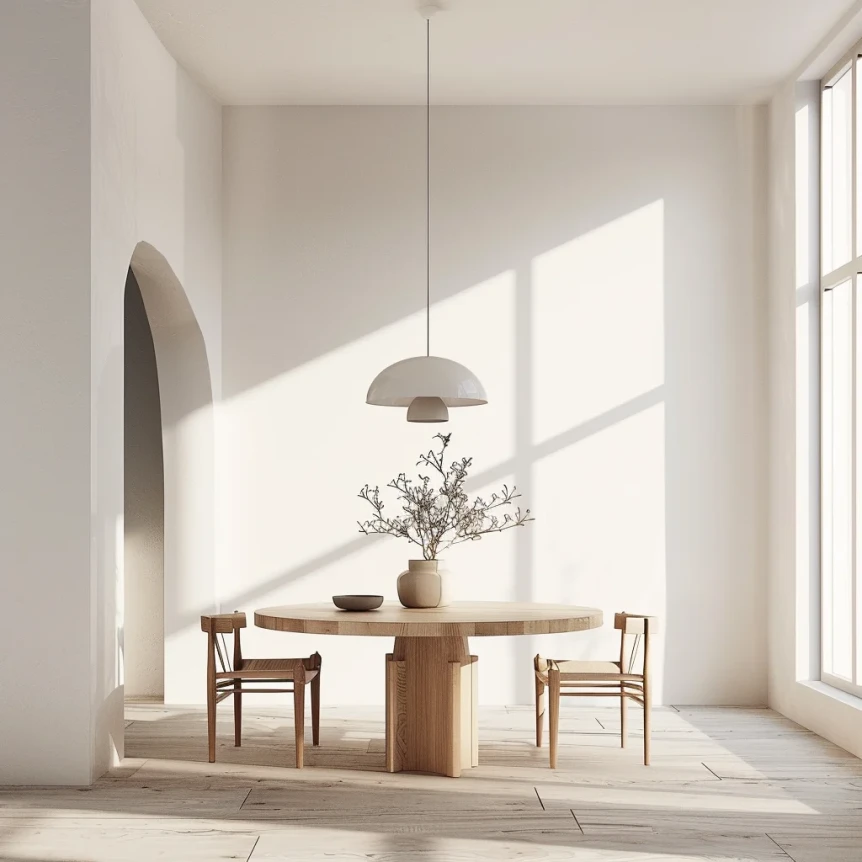
A solid wood or stone dining table with clean lines is the minimalist standard. Rectangular tables with thin tops and simple legs work in most spaces. Round tables suit smaller dining areas and create a more intimate atmosphere. Avoid heavy bases, ornate carvings, or decorative trim.
Dining Chairs
Simple wood or upholstered chairs with clean silhouettes are the best choices. Matching chairs around the table create order and reinforce the minimalist look. Wood chairs in the same tone as the table, or chairs in a contrasting solid color that complements the room palette, both work well.
Bar Stools
For islands and counters, simple stools in wood, metal, or upholstered designs all suit minimalist kitchens. Backless stools tuck under counters cleanly when not in use, which suits the minimalist preference for open, uncluttered space.
Essential Office Furniture
The Desk
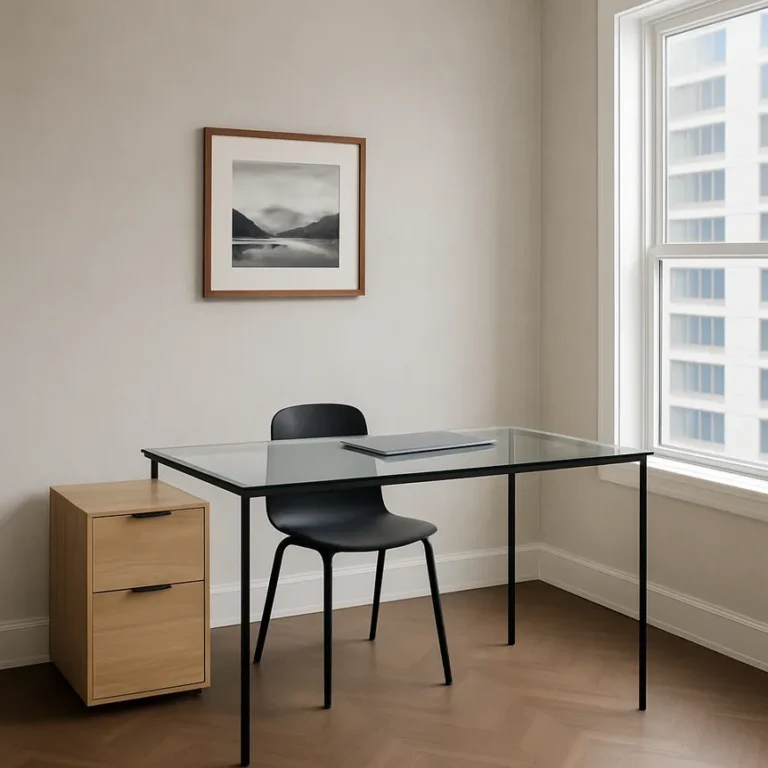
A simple desk with a clean surface and basic structural support is the minimalist standard. Solid wood desks with metal legs, all wood designs, or stone topped pieces all work. Avoid desks with built in cubbies, decorative drawers, or cluttered designs that defeat the calm focus a minimalist office should provide.
Office Chair
Quality matters more here than visual minimalism. A good office chair supports your back, adjusts to your body, and lets you work comfortably for hours. Look for chairs with clean lines and neutral colors, but prioritize function over pure aesthetics.
Storage
Concealed file storage, cable management, and a single shelf for the few things you need within reach. Everything else should live in cabinets or drawers. The desk itself should be clear when you’re not actively working.
Materials and Construction
Solid Wood
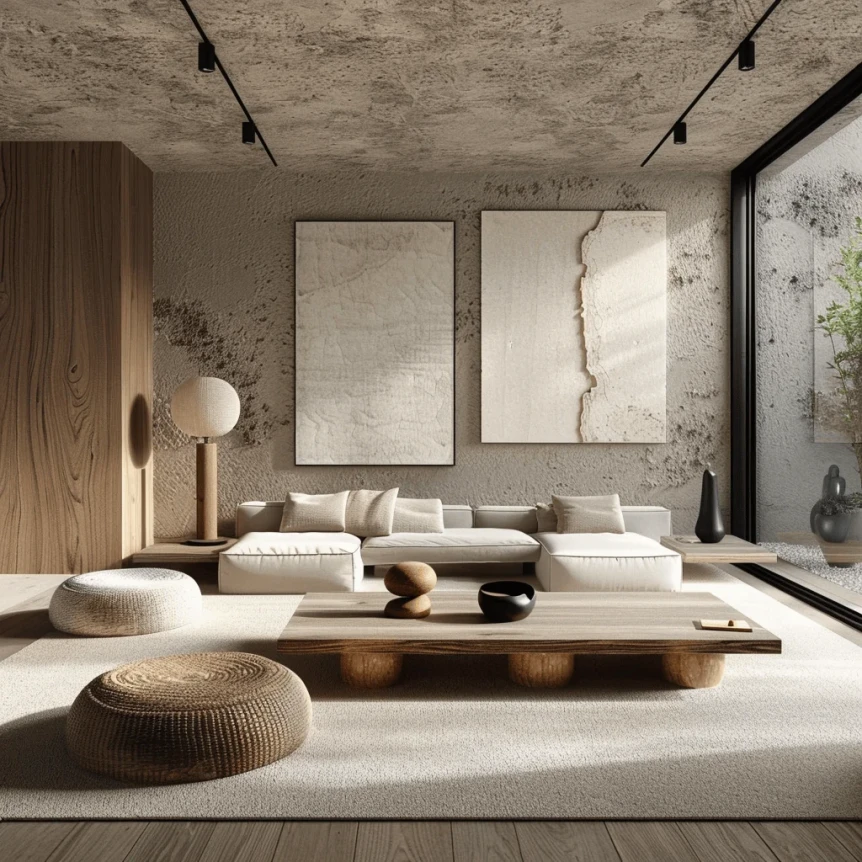
Solid wood is the foundation of most minimalist furniture. Oak, walnut, ash, maple, and teak all work well. Choose pieces with visible grain, matte or oil finishes, and clean joinery. Avoid heavy stains, glossy lacquers, and decorative carving.
Metal
Metal in minimalist furniture tends toward simple finishes and clean forms. Brushed steel, matte black, and natural brass are common choices. Look for pieces where the metal serves a clear structural purpose rather than acting as decoration.
Stone
Stone tabletops in marble, granite, or quartz add weight and natural beauty. Choose stones with subtle veining or solid colors rather than heavily patterned varieties. The stone itself provides visual interest without needing additional decoration.
Upholstery
Linen, cotton, wool, and quality leather are the standard minimalist upholstery materials. They feel natural, develop character with age, and look good in solid neutral tones. Avoid synthetic fabrics, busy patterns, and bold colors.
For more on combining these materials with the right colors, see our minimalist color palettes guide.
Where to Source Minimalist Furniture
Mid Range Retailers
Many mainstream retailers now carry minimalist inspired collections at accessible prices. While these pieces may not have the craftsmanship of high end options, they can serve as solid foundations. Look for solid wood construction, simple forms, and neutral colors.
Independent Makers
Independent furniture makers, particularly those specializing in solid wood construction, create some of the best minimalist pieces. These are investments, but they’re built to last and offer the quality that minimalism rewards. The relationship between maker and customer also tends to be more direct, which often results in better pieces.
Vintage and Mid Century
Mid century modern furniture often fits minimalist principles perfectly. Danish chairs, simple teak credenzas, and clean lined wooden tables from the mid 20th century align beautifully with minimalist aesthetics. Vintage shopping also supports sustainability values that often go hand in hand with minimalism.
What to Prioritize
If your budget is limited, invest more in the pieces you use most: the sofa, the bed, the dining table, and the office chair. These are the items that affect your daily comfort and that you see every day. Save on accent pieces, smaller storage, and decorative items by sourcing them carefully or doing without entirely.
Mixing Old and New
You don’t need to buy everything new to create a minimalist home. Mixing vintage finds with newer pieces is actually a great way to add character and reduce environmental impact. A vintage credenza alongside a new sofa, or a mid century chair next to a modern dining table, can create a more interesting room than buying everything from one collection.
The key is consistency in form and color. Older pieces and newer pieces can coexist if they share clean lines, neutral tones, and quality construction. For decluttering tips that work with this approach, see our guide on how to declutter for a minimalist home.
Arrangement and Negative Space
Minimalist furniture arrangements value open space as much as the furniture itself. Pull pieces away from walls. Leave generous clearance between furniture. Allow the floor to remain visible. The goal is for each piece to have room to breathe and be appreciated.
Symmetry and balance matter in minimalist arrangements. Matching elements (chairs, lamps, nightstands) and centered focal points create the orderly calm that the style values. For variations on this approach, see our comparison of warm minimalism vs. modern minimalism.
Conclusion
Minimalist furniture is about substance over decoration. Choose pieces with honest materials, clean lines, and genuine usefulness. Invest more in the items you use daily and source the rest carefully. Mix old and new when it makes sense. And remember that the empty space around your furniture is part of the design, not a gap waiting to be filled.
For the full picture of minimalist design, visit our complete guide to minimalist interior design.
Frequently Asked Questions
What is minimalist furniture?
Minimalist furniture features clean lines, simple geometric forms, and quality construction in natural materials like solid wood, stone, metal, and natural fabrics. Decoration is absent or minimal. Hardware is understated or hidden. The pieces are designed to function quietly rather than to call attention to themselves through ornament.
Where can I buy minimalist furniture?
Many mainstream retailers carry minimalist collections at accessible prices. Independent furniture makers offer higher quality custom pieces. Vintage mid century furniture often fits minimalist principles perfectly and can be found through estate sales, online resale platforms, and specialty vintage shops. Choose sources that offer solid wood construction and simple forms.
Does minimalist furniture have to be expensive?
Not necessarily. Invest more in the pieces you use most (sofa, bed, dining table) and source accent pieces from more affordable retailers. Vintage finds often offer better quality at lower prices than new minimalist furniture. The key is choosing fewer, better pieces rather than filling your home with cheap furniture.
How many furniture pieces should a minimalist room have?
There’s no fixed number, but the principle is fewer, better pieces. A minimalist living room might have just a sofa, coffee table, accent chair, and one storage piece. A minimalist bedroom might have a bed, one or two nightstands, and a wardrobe. Each piece should have a clear purpose and enough space around it to breathe.