Modern Industrial vs. Rustic Industrial Design: Which Style Fits Your Home?

By Tereza Hower | Published April 10, 2026 | Updated October 12, 2026
Industrial design isn’t a single look. Over the years, the style has split into several distinct variations that share the same DNA but feel quite different in practice. The two most popular variations are modern industrial and rustic industrial, and while they draw from the same source material, they produce very different rooms.
This guide explains the differences between these two approaches, shows where they overlap, and helps you decide which one fits your space, your taste, and the kind of home you want to live in.
The Shared Foundation
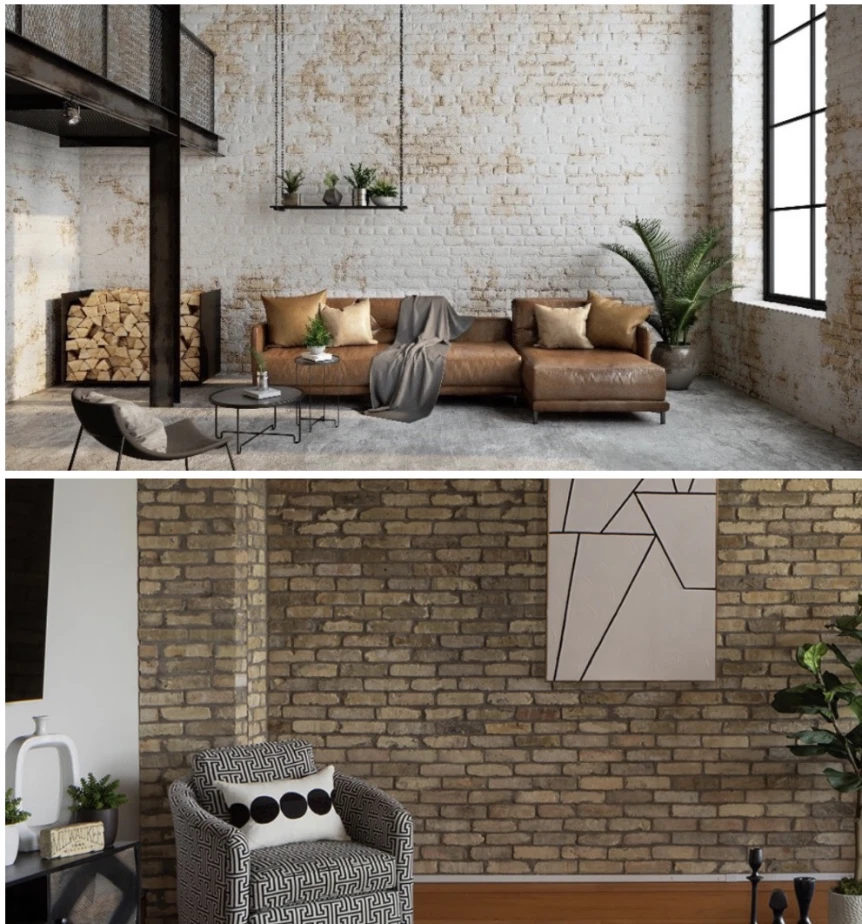
Both modern industrial and rustic industrial styles draw from the same warehouse and factory inspiration. They both value exposed structural elements, metal furniture and fixtures, statement lighting, and a sense of honest construction. The differences emerge in execution: how polished the materials are, how warm the palette feels, and how much weathering or character the pieces show.
Understanding both variations starts with understanding the basics of industrial design. Our complete guide to industrial interior design covers the foundational principles.
What Is Modern Industrial?
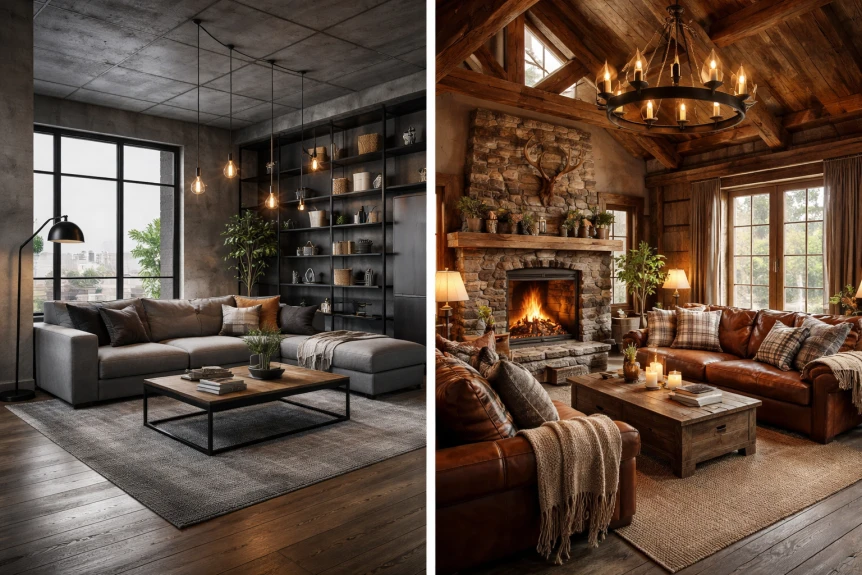
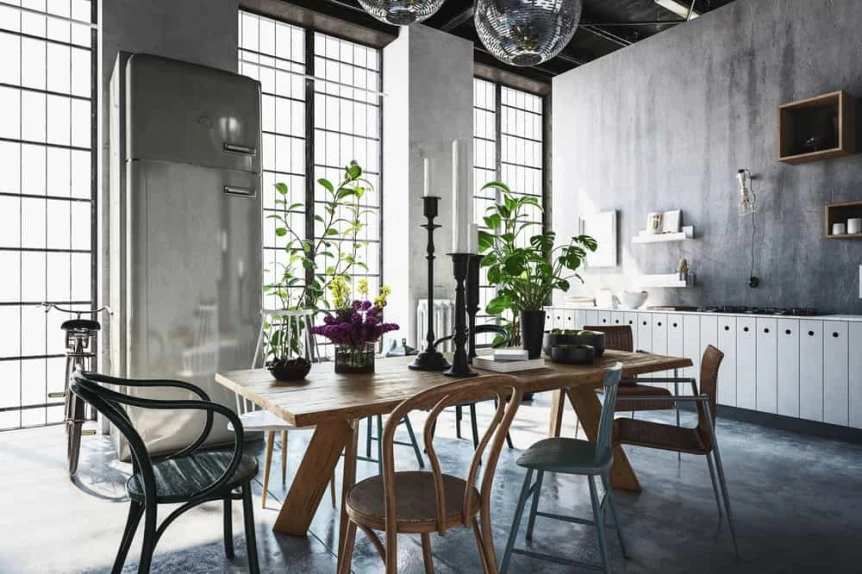
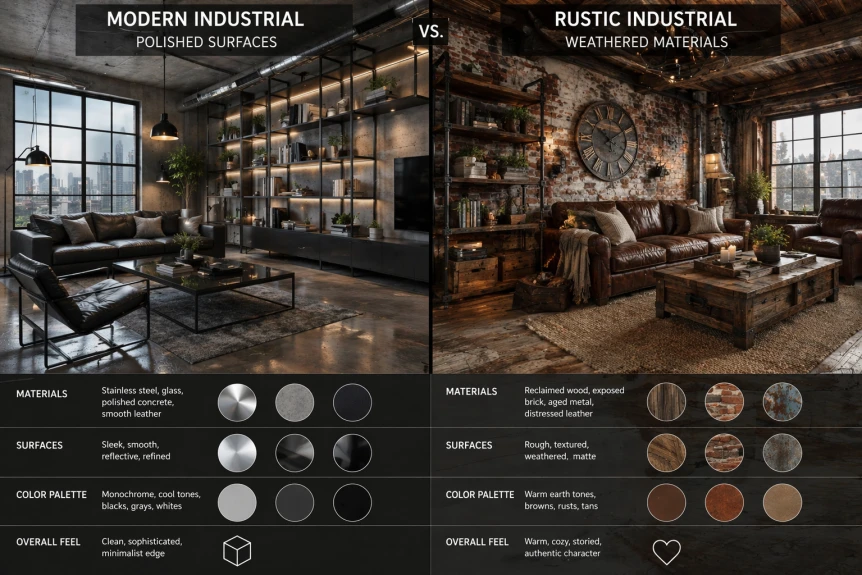
Modern industrial leans cleaner, more refined, and more contemporary. It keeps the metal, concrete, and exposed elements that define the style but pairs them with sleeker furniture, more controlled styling, and a generally lighter atmosphere. Think loft apartment in a converted modern building rather than a 100 year old factory.
Modern Industrial Materials
Polished concrete floors. Stainless steel and brushed metal fixtures. Cleaner, less weathered wood. Tempered glass with steel frames. The materials are still industrial in nature, but they look newer and more precise. Less reclaimed wood with knots and nail holes. More clean cut wood with subtle grain.
Modern Industrial Color
The palette tends to be lighter and more contemporary. Light gray, white, polished concrete, light wood, and matte black accents are typical. The overall feel is brighter and more open than the moody, darker palettes of rustic industrial. For more on coordinating these colors, see our industrial color palettes and materials guide.
Modern Industrial Furniture
Furniture in a modern industrial space tends toward cleaner lines and more refined construction. Black metal frame chairs with polished wood seats. Sleek leather sofas without distressing. Minimalist shelving in matte steel. The pieces still look substantial, but they’re less rugged and more contemporary.
What Is Rustic Industrial?
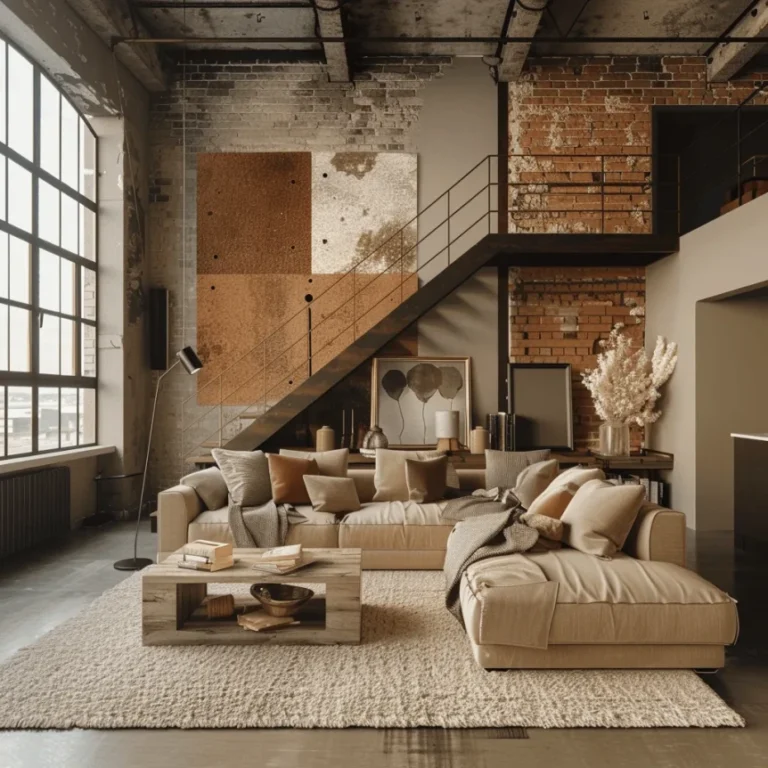
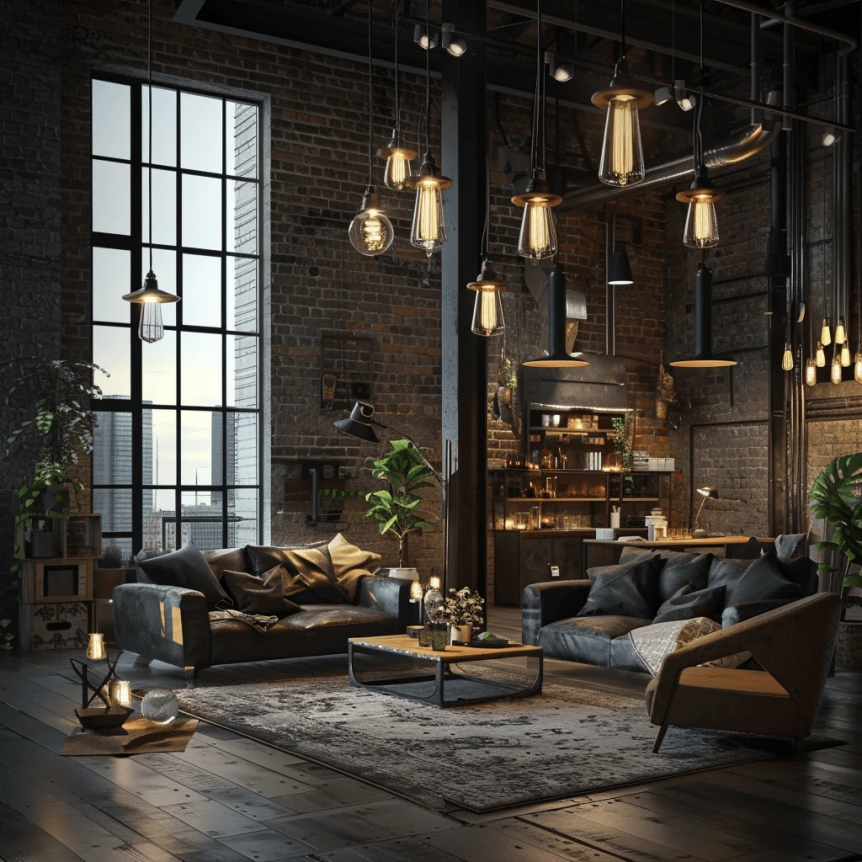
Rustic industrial leans warmer, more weathered, and more lived in. It emphasizes reclaimed wood, distressed leather, visible age, and a heavier hand with character details. The style overlaps with farmhouse and country influences, creating spaces that feel like converted barns, old workshops, or 19th century factories.
Rustic Industrial Materials
Heavily reclaimed wood with knots, weathering, and visible history. Distressed leather. Hand forged iron. Vintage brass with patina. Brick that shows real age and variation. Materials look like they’ve been used, weathered, and reclaimed rather than newly manufactured.
Rustic Industrial Color
The palette is warmer and more grounded. Warm beige, weathered brown, deep rust, brass tones, and cream dominate. Darker grays and blacks appear in metal accents but don’t dominate the room. The overall feel is cozier and more enveloping than modern industrial.
Rustic Industrial Furniture
Furniture is substantial, weathered, and full of character. Reclaimed wood dining tables with thick slabs and obvious age. Distressed leather sofas with visible wear. Vintage industrial pieces alongside hand crafted reproductions. Mismatched chairs and collected pieces are common. For more on furniture sourcing, see our industrial furniture guide.
Side by Side Comparison
Walls
Modern industrial: Smooth white or light gray paint. Polished concrete or microcement accent walls. Clean brick veneer.
Rustic industrial: Exposed weathered brick. Reclaimed wood paneling. Plaster with visible texture. Darker, warmer paint colors.
Floors
Modern industrial: Polished concrete. Wide plank engineered wood. Large format tile.
Rustic industrial: Reclaimed hardwood with visible age. Wide plank distressed wood. Stone or brick floors.
Lighting
Modern industrial: Sleek black or brushed metal pendants. Minimalist Edison bulb fixtures. Clean line track lighting.
Rustic industrial: Vintage factory pendants with patina. Cage lights with weathered finishes. Hand forged iron chandeliers. For more on these fixtures, see our industrial lighting ideas guide.
Furniture Materials
Modern industrial: Powder coated steel, brushed aluminum, smooth wood, full grain leather without distressing.
Rustic industrial: Hand forged iron, reclaimed wood with knots and weathering, distressed leather with patina.
Styling and Decor
Modern industrial: Curated, minimal styling. Few but substantial decor pieces. Geometric art and modern photography.
Rustic industrial: Layered, collected styling. Vintage tools, antique signs, old books, and personal objects displayed openly.
Which Style Suits Your Space?
Modern Industrial Works When
You live in a contemporary apartment, condo, or newer loft conversion. You prefer brighter, cleaner spaces. You don’t want a lot of decorative clutter. You like the idea of industrial materials but want them in a more refined, polished form. Your space has clean architectural lines and modern fixtures already.
Rustic Industrial Works When
You live in an older home, true loft conversion, or farmhouse. You enjoy collecting vintage pieces and displaying them. You want a warm, lived in atmosphere. You’re drawn to weathered materials and visible history. You don’t mind a busier, more layered look.
When in Doubt
Many of the best industrial homes blend both approaches. A modern industrial kitchen can sit perfectly alongside a more rustic industrial living room. A rustic dining table can anchor an otherwise modern industrial space. The two styles are not mutually exclusive, and combining elements of each often produces the most interesting results.
Combining Both Styles
If you can’t choose between modern and rustic industrial, you don’t have to. Here are practical ways to blend both approaches:
- Pair a sleek modern leather sofa with a rustic reclaimed wood coffee table
- Hang vintage factory pendants in a kitchen with stainless steel countertops and clean cabinetry
- Use polished concrete floors with a heavily weathered brick accent wall
- Add one or two vintage industrial pieces to an otherwise modern industrial room as character anchors
- Combine modern minimalist art with vintage industrial objects on the same wall or shelf
The key is intentional mixing rather than accidental clashing. Choose elements from each style that share common ground in color, scale, or material to create cohesion.
Room by Room Recommendations
Living Room
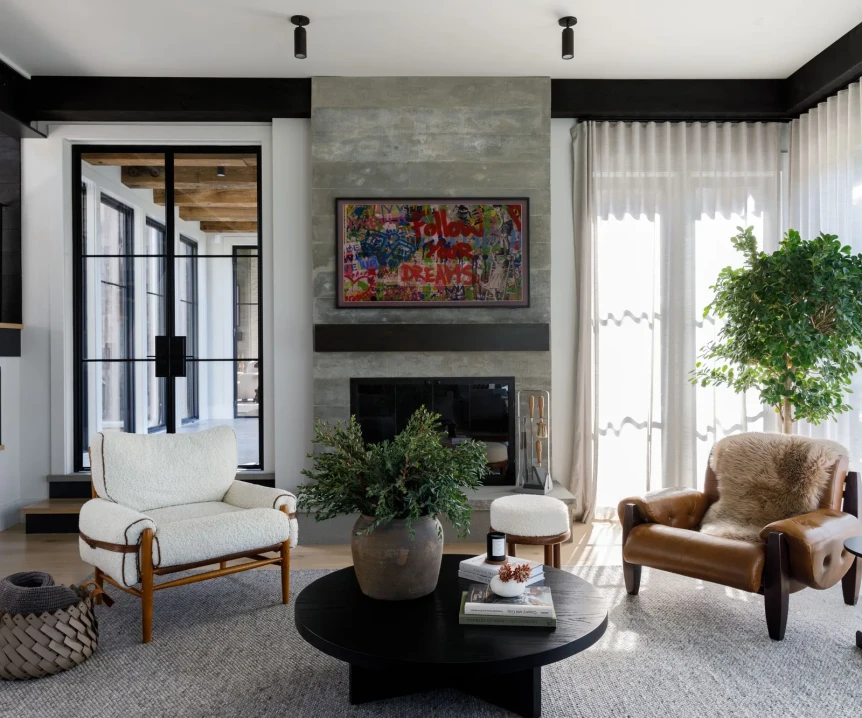
Both styles work in the living room. Modern industrial creates a cleaner, more contemporary feel that suits casual entertaining. Rustic industrial creates a cozier, more conversational atmosphere. For complete living room guidance, see our industrial living room ideas guide.
Bedroom
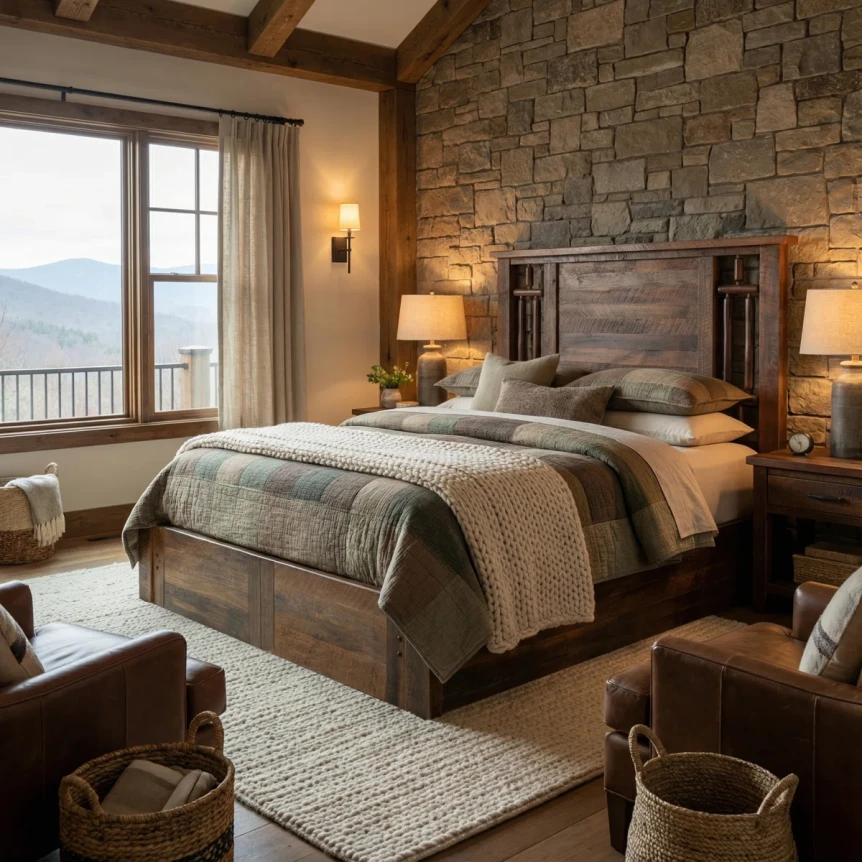
Rustic industrial often works better in bedrooms because the warmer, weathered materials feel cozier for sleep. Modern industrial bedrooms can feel cooler and may need extra warmth from textiles and lighting. See our industrial bedroom design ideas guide for more.
Kitchen
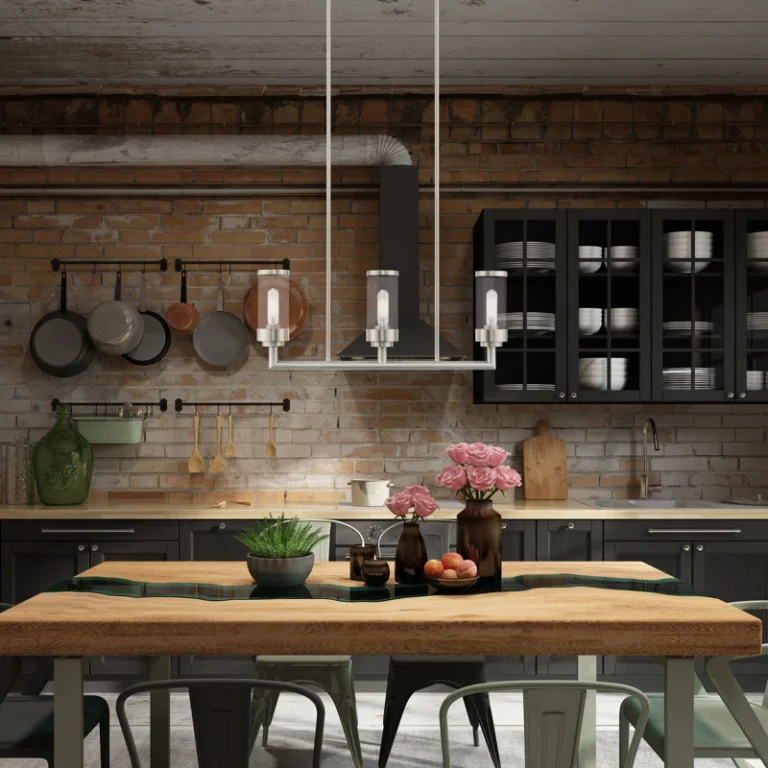
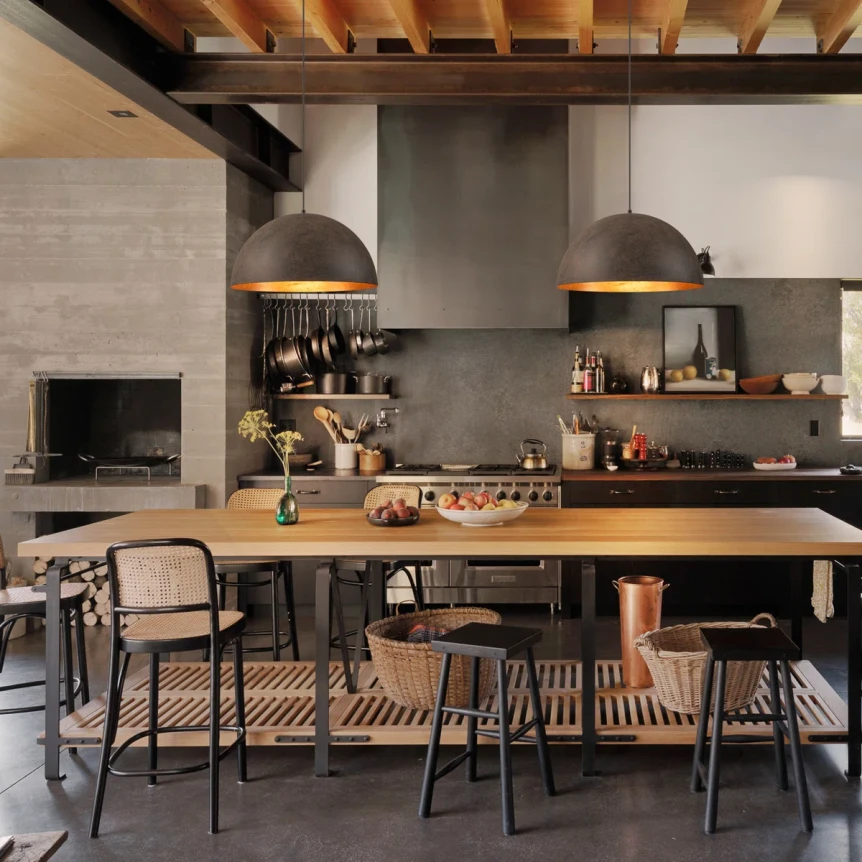
Both styles excel in the kitchen. Modern industrial kitchens lean toward stainless steel, sleek cabinets, and clean lines. Rustic industrial kitchens feature reclaimed wood, vintage fixtures, and more character. Our industrial kitchen ideas guide covers both approaches.
Conclusion
Modern industrial and rustic industrial are two paths through the same design vocabulary. One leads toward cleaner, more contemporary spaces. The other leads toward warmer, more weathered ones. Neither is more authentic than the other. They’re both legitimate expressions of industrial design, and they both produce beautiful homes when executed thoughtfully.
Frequently Asked Questions
What is the difference between modern industrial and rustic industrial?
Modern industrial leans cleaner and more refined, with polished materials, lighter colors, and sleeker furniture. Rustic industrial leans warmer and more weathered, with reclaimed wood, distressed leather, and a heavier emphasis on visible age and character. Both share the same industrial foundation but produce very different atmospheres.
Can you mix modern industrial and rustic industrial in the same home?
Yes. Many beautiful industrial homes combine elements of both styles. You might pair a modern leather sofa with a rustic reclaimed wood coffee table, or use sleek modern pendants in a kitchen with vintage style hardware. The key is intentional mixing where elements share common color, scale, or material qualities.
Which style is more popular?
Both styles are popular but for different reasons. Modern industrial tends to suit contemporary apartments and newer loft conversions, while rustic industrial fits older homes and converted buildings with original features. The right choice depends more on your space and personal taste than on which style is currently more popular.
Is modern industrial easier to maintain than rustic industrial?
Generally yes. Modern industrial uses cleaner, more polished materials that are easier to clean and maintain. Rustic industrial features more weathered, vintage pieces that may need more care and don’t always come with the warranties or modern features that newer furniture offers. However, the maintenance difference is usually small for both styles.