The Complete Guide to Scandinavian Interior Design

By Tereza Hower | Published May 5, 2026 | Updated September 15, 2026
Scandinavian interior design is one of the most loved styles in the world, and after a decade selling furniture in Los Angeles, I can tell you exactly why customers kept coming back to it. It’s bright, calm, functional, and genuinely comfortable. Unlike styles that prioritize how a room photographs, Scandinavian design is built around how a home actually feels to live in. Every choice, from the light wood floors to the soft textiles to the carefully placed candles, is made with real human comfort in mind.
The style emerged from a specific set of conditions: long, dark winters, a cultural emphasis on equality, and a deep respect for craftsmanship. What started as a practical response to Nordic life has become one of the most influential design movements of the past century, shaping how people think about everything from sofas to lighting to the meaning of home itself.
This guide walks you through every aspect of Scandinavian design, from its origins and core principles to color, furniture, hygge, and room by room application. It covers the mistakes that come up most often and the small choices that consistently make the biggest difference.
What’s Covered in This Guide
- What Is Scandinavian Interior Design
- The Origins of Scandinavian Design
- Core Principles of Scandinavian Style
- Hygge: The Heart of Scandinavian Living
- Scandinavian Color Palettes
- Choosing Scandinavian Furniture
- Scandinavian Design Room by Room
- Lighting and Atmosphere
- Variations of Scandinavian Design
- Common Scandinavian Design Mistakes
- Recommended Resources and Related Guides
- Frequently Asked Questions
What Is Scandinavian Interior Design
Scandinavian interior design is a style that originated in the Nordic countries (Denmark, Sweden, Norway, Finland, and Iceland) and is built on principles of simplicity, functionality, natural materials, and human comfort. It emphasizes light, openness, and cozy touches that make homes feel warm even during long, dark winters.
At its core, Scandinavian design is democratic. It believes that good design should be accessible to everyone, not just the wealthy. The pieces are meant to be used, not admired from a distance. Furniture should be comfortable. Lighting should be warm. Rooms should feel like real homes, not showrooms. This practical, human centered approach is what gives Scandinavian design its enduring appeal. People didn’t just like how the furniture looked. They came back to tell me how it changed how their homes felt.
The style is often confused with minimalism, but the two are different in ways that matter. Minimalism emphasizes reduction and visual restraint. Scandinavian design values comfort and coziness alongside simplicity. A minimalist room can feel sparse and austere. A Scandinavian room should feel warm, lived in, and welcoming. The difference shows up the moment you walk in. A true Scandinavian space invites you to take off your shoes, sink into the sofa, and stay awhile.
The Origins of Scandinavian Design
Shaped by Geography and Climate
The Nordic countries have long, cold winters with limited daylight. In parts of Scandinavia, the sun barely rises for weeks at a time during midwinter. This reality shaped how people design their homes. Bright interiors compensate for dark skies. Warm textiles and candles fight off winter chill. Furniture is built to be used during long hours spent indoors. The practical demands of the climate led directly to the style we now recognize.
What’s interesting is how well this approach translates to climates that are nothing like Scandinavia. In Los Angeles, where I had my store, customers were drawn to Scandinavian pieces not for the warmth they provided in winter, but for the calm sense of comfort they brought to busy modern lives. The principles work because they’re really about being at home in your home, not about a specific climate.
The Democratic Design Movement
In the early 20th century, designers and thinkers across Scandinavia embraced the idea that beautiful, well made homes shouldn’t be reserved for the rich. The “beautiful things for everyday use” movement argued that mass produced furniture could be both affordable and genuinely good. This philosophy shaped the style’s focus on function, accessibility, and honest materials.
The Golden Age
The 1950s and 1960s became known as the golden age of Scandinavian design. Designers like Arne Jacobsen, Hans Wegner, Alvar Aalto, and Finn Juhl produced iconic pieces that remain influential today. Their work combined organic forms, natural materials, and ergonomic comfort in ways that had never been seen before. Many of their designs are still in production and still considered some of the finest furniture ever made. Wegner’s wishbone chair is the clearest example. It looks delicate, but it is stable, comfortable, and fits the human body in a way most chairs simply don’t.
From Regional to Global
By the late 20th century, Scandinavian design had moved from a regional style to a global influence. Today, its principles shape how people think about furniture, lighting, and home design everywhere. The rise of flat pack retailers made the style accessible to millions, and the concept of hygge became a worldwide cultural phenomenon in the 2010s. The popularity created a problem too: a lot of what gets sold as “Scandinavian” today is just generic light wood furniture with none of the underlying craftsmanship or thoughtfulness. Knowing the real principles helps you spot the difference.
Core Principles of Scandinavian Style
Functionality First
Every object in a Scandinavian home should serve a clear purpose. A beautiful chair should also be comfortable. A lovely lamp should also provide good light. Decoration for decoration’s sake is rare. When something is purely decorative, it’s usually small, meaningful, and intentional. One of the questions I always asked customers was “where will this live, and what will it do?” If the answer was vague, the piece probably didn’t belong in their home.
Simplicity Without Austerity
Scandinavian rooms are clean and uncluttered, but they’re not sparse or empty. The style embraces simplicity but always with warmth. Soft textiles, natural materials, and cozy lighting prevent the simplicity from feeling cold or clinical. The line between simple and stark is thinner than people realize, and it’s the textiles and lighting that almost always make the difference.
Natural Materials
Light wood, especially ash, birch, and oak, forms the foundation of most Scandinavian interiors. Wool, cotton, linen, leather, and sheepskin add softness and texture. Stone and ceramic appear in kitchens and bathrooms. These natural materials connect the home to the Nordic landscape that inspired the style. They also age beautifully. A solid oak table that’s twenty years old looks better than the day it was bought, while a veneered version of the same table reveals its cheap construction within a year or two. This is one area where it is worth spending a little more upfront.
Bright, Light Filled Spaces
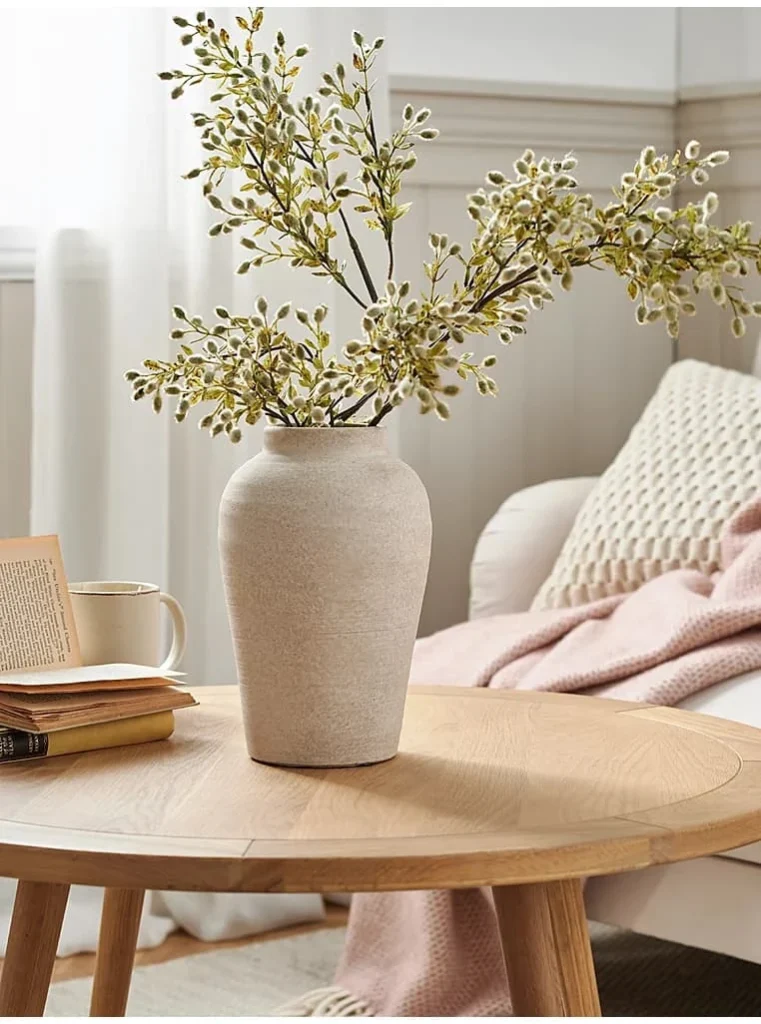
Maximizing natural light is one of the most important Scandinavian priorities. White and light colored walls reflect available light. Window treatments are minimal to let sunlight through. Furniture is arranged to avoid blocking windows. Even during dark winter months, the interior should feel bright and open. If your home doesn’t get a lot of natural light, mirrors become essential. A large mirror placed across from a window effectively doubles the light coming into the room.
Warmth Through Texture and Light
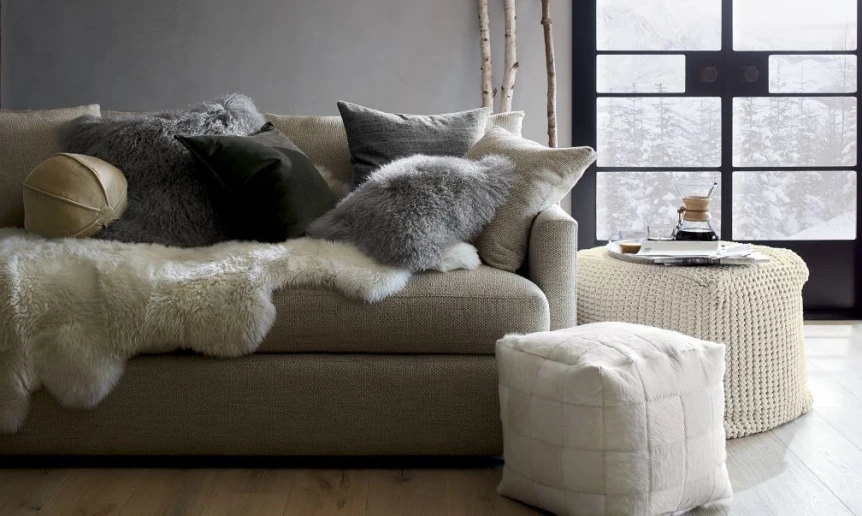
Because Scandinavian palettes tend to be light and the color is restrained, texture and lighting do the work of creating warmth. Chunky knit throws, sheepskin rugs, wool cushions, candles, and warm bulb lamps all contribute to the cozy atmosphere that defines the style. This is the part most people get wrong when they first try Scandinavian design at home. They get the white walls and the light wood furniture, then wonder why the room feels cold. The answer is almost always more texture, in more places.
Hygge and Comfort
The Danish concept of hygge, a feeling of cozy contentment, sits at the heart of Scandinavian design. It’s the experience of feeling safe, warm, and at peace in your home. Every design choice ultimately supports this goal. If a piece doesn’t make your home feel more peaceful, it probably doesn’t belong in a Scandinavian space.
Craftsmanship
Scandinavian design respects the people who make things. Quality construction, visible joinery, and honest materials are valued over flashy ornament or disposable design. A well made chair that lasts for decades is always preferred over a cheap one that needs replacing every few years. When I evaluated furniture for the store, this is what I looked for first. Pick up a chair. Does it feel substantial? Are the joints clean and tight? Can you see how it was put together? Real Scandinavian pieces don’t try to hide their construction. They celebrate it.
Hygge: The Heart of Scandinavian Living
You can’t talk about Scandinavian design without talking about hygge. The word (pronounced hoo ga) has no direct English translation, but it roughly means a feeling of cozy, content well being. It’s what you feel when you’re wrapped in a blanket with a hot drink, watching snow fall through the window. It’s a long dinner with friends by candlelight. It’s the small, simple pleasures of everyday life that we often rush past in a busy world.
Hygge isn’t a thing you buy. It’s a feeling you cultivate through your environment and your habits. But Scandinavian design is deeply concerned with creating spaces that make hygge easier to experience. Warm lighting, soft textiles, comfortable furniture, and cozy corners all contribute to the feeling. The best test of whether a room is actually achieving hygge: do you find yourself wanting to spend time there, even when you have nothing specific to do? If yes, you’re on the right track.
For a complete look at how to bring hygge into your home, visit our guide on what is hygge and how to bring it home.
Scandinavian Color Palettes
Scandinavian color is all about light. The palette is typically built around whites, soft neutrals, and light wood tones, with gentle accents in muted colors drawn from nature. The goal is to maximize brightness while maintaining warmth and personality.
The White and Light Wood Foundation
Warm whites, creams, and light wood tones form the base of most Scandinavian interiors. This combination reflects natural light beautifully and creates the bright, open atmosphere the style is famous for. The warmth comes from the white undertones, which should lean slightly warm rather than cool or stark. This is the single biggest paint mistake I saw customers make. They’d choose a “designer white” with cool blue undertones and end up with a room that felt clinical instead of cozy.
Soft Pastels and Muted Colors
Scandinavian design allows more color than minimalism or Japandi. Soft pastels like dusty pink, pale blue, muted sage, and light mustard appear through textiles, art, and accent pieces. These colors add personality without disrupting the calm feeling of the room. The trick is keeping them muted. Anything too saturated reads as “kid’s room” rather than “Scandinavian.”
Grounding With Darker Tones
A single darker element, whether it’s a black framed mirror, a charcoal throw, or a piece of dark wood furniture, provides grounding weight that keeps the room from feeling too light. This contrast is subtle but essential. Without it, even a beautifully styled Scandinavian room can feel like it’s floating, like the elements aren’t really anchored to the space. One dark element is usually enough.
For specific color combinations and room applications, see our guide to Scandinavian color palettes for a bright, calm home.
Choosing Scandinavian Furniture
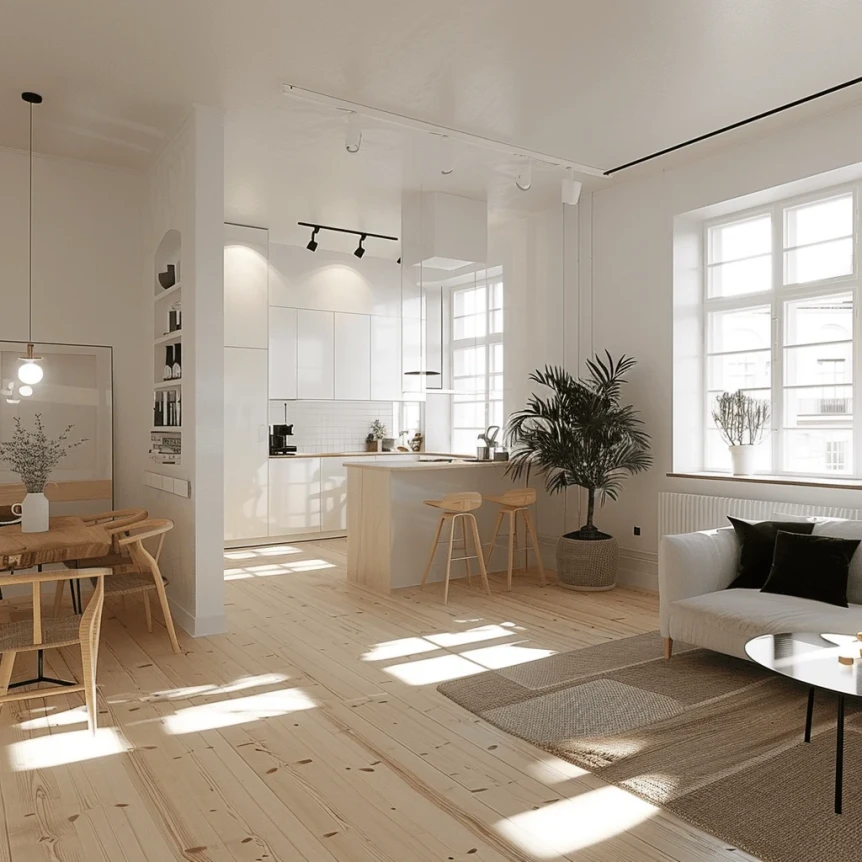
This is the section I’m most opinionated about, because furniture was my livelihood for years. Scandinavian furniture is defined by organic forms, natural materials, ergonomic comfort, and quality construction. The pieces look simple at first glance, but they reward closer attention. A Hans Wegner chair or a classic Alvar Aalto stool has more going on than you might notice at first, from the subtle curves to the thoughtful joinery. The simplicity is deceptive. Real Scandinavian furniture is the result of obsessive attention to how a piece feels when you actually use it.
Key Characteristics
Look for furniture with clean lines softened by gentle curves. Legs are slim and tapered. Wood is typically light (birch, ash, oak, beech). Upholstery is in natural fabrics like linen, cotton, wool, or leather, usually in solid neutral tones. Hardware is understated or hidden. The overall impression is one of warmth, simplicity, and human scale. If a piece feels chunky, ornate, or fussy, it probably isn’t Scandinavian, no matter what the marketing says.
How to Spot Real Quality
A few things worth checking before buying any “Scandinavian style” piece. First, weight. Solid wood is noticeably heavier than veneer. If a side table feels suspiciously light for its size, the wood is probably hollow or veneered over particleboard. Second, joinery. Look at the corners and edges of drawers, table tops, and chair frames. Real construction shows visible joints (dovetails, mortise and tenon, dowels) rather than just glue and staples. Third, the underside. Flip a chair or a piece you can lift. Manufacturers cut corners on the parts you don’t usually see. Quality construction is consistent everywhere, not just on the visible surfaces.
Investment Pieces
Scandinavian design rewards investing in fewer, better pieces. A well made sofa, a quality dining table, or a beautiful chair can last for decades and only improve with age. These investment pieces are the backbone of most Scandinavian homes. My standard advice was always the same: spend on the pieces you’ll use every single day. A sofa, a bed, a dining table. These are not the places to economize. The decorative pieces and accent items can be flexible, but the core furniture should be the best you can afford.
For detailed guidance on selecting and sourcing furniture, explore our Scandinavian furniture guide.
Scandinavian Design Room by Room
Scandinavian Living Room
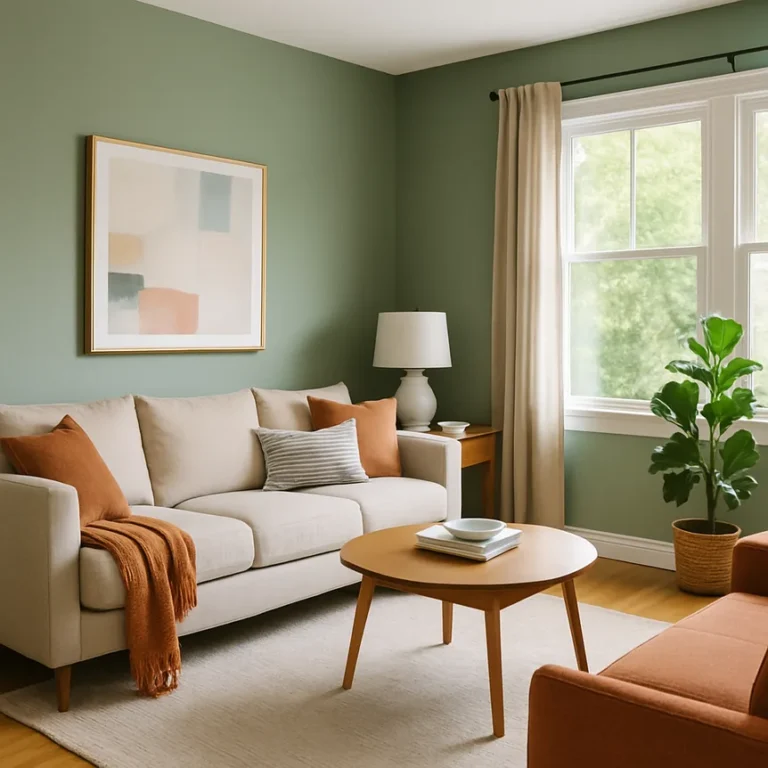
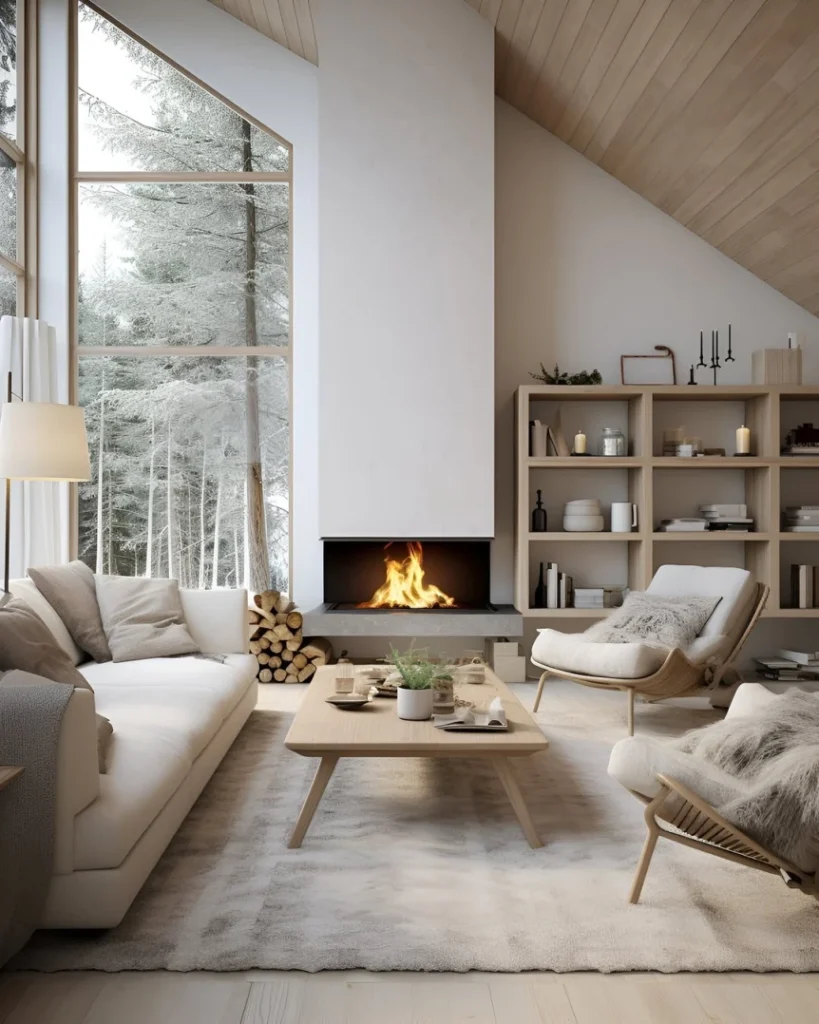
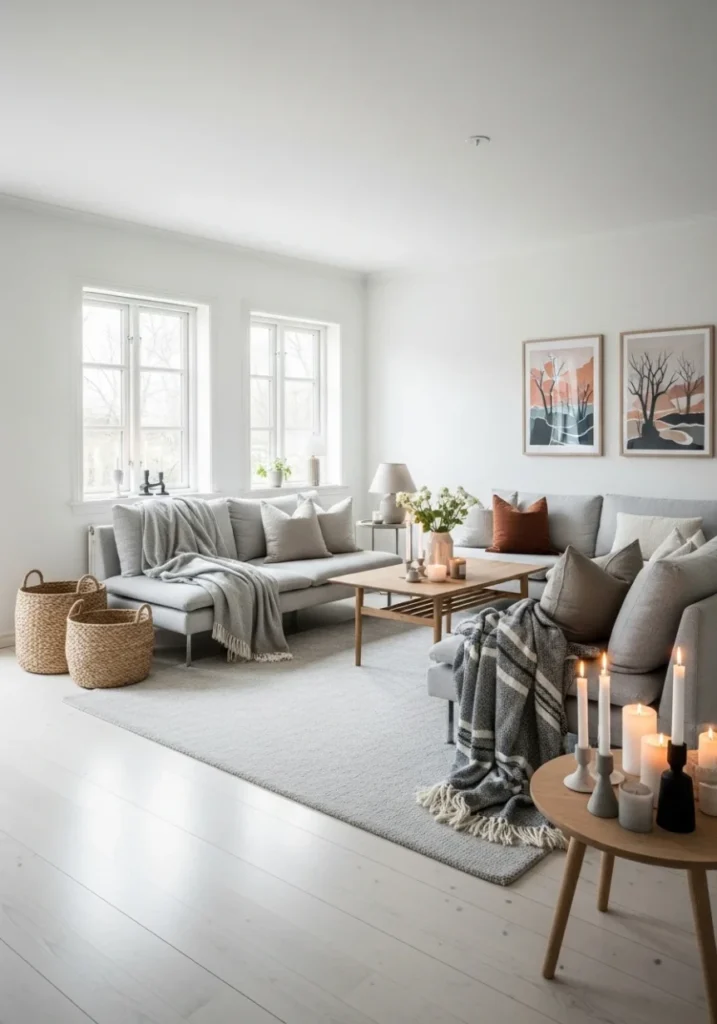
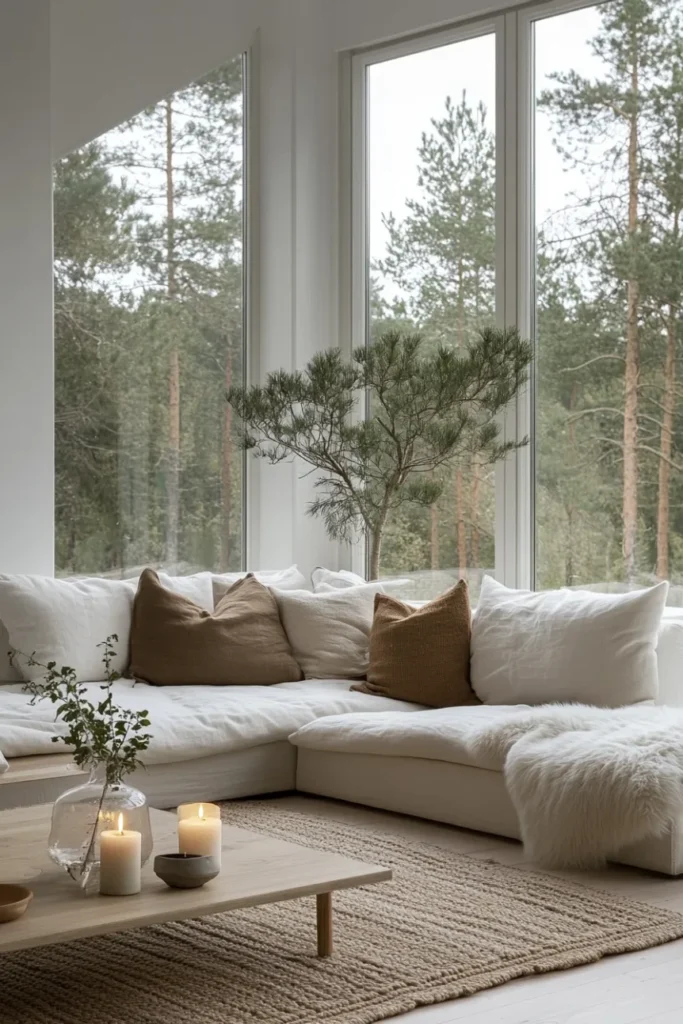
A Scandinavian living room centers on a comfortable sofa in a soft neutral fabric. Add a light wood coffee table, one or two accent chairs, and plenty of soft textiles. Layer in sheepskin throws, wool cushions, and a cozy rug. Use warm lighting from multiple sources, and don’t forget candles. The overall feeling should be bright and welcoming, not staged. The most successful Scandinavian living rooms I helped customers design always had at least one thing that wasn’t perfect, like a slightly worn vintage rug or a stack of well loved books on the coffee table. The lived in touches are what make the style feel like a home rather than a catalog page.
For a complete breakdown, visit our guide to Scandinavian living room ideas and inspiration.
Scandinavian Bedroom
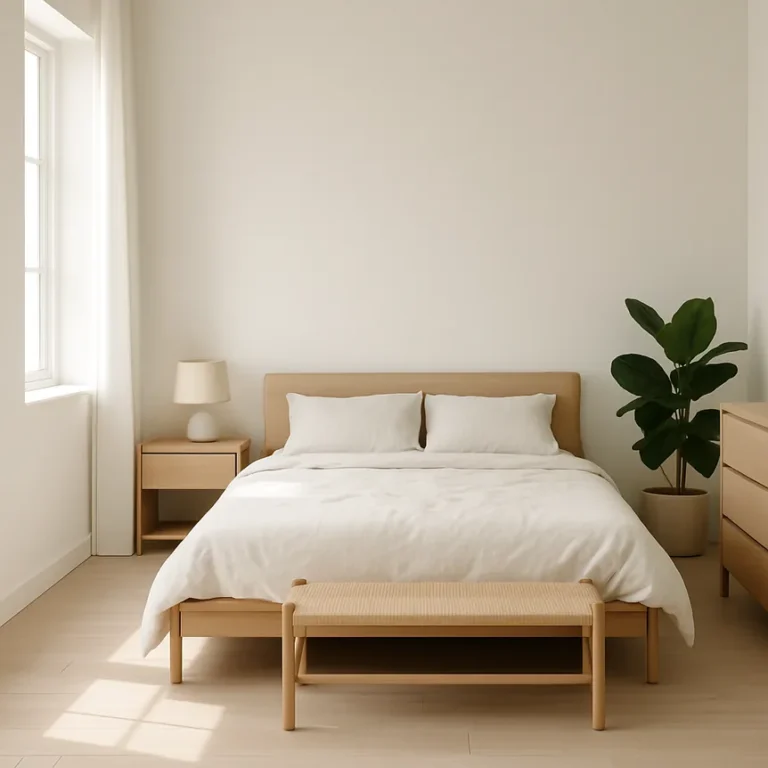
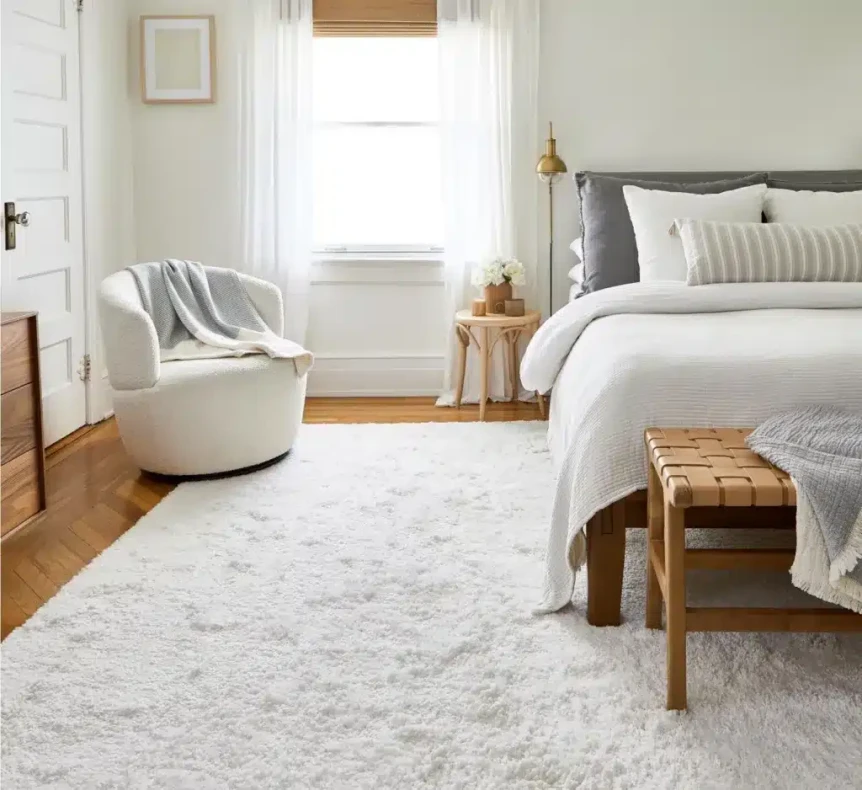
Scandinavian bedrooms are calm, cozy, and built around rest. A simple bed frame in light wood or upholstered in linen anchors the room. Bedding is soft and layered, usually in white, cream, or soft pastel tones. A sheepskin or wool rug adds warmth underfoot, which matters more than people realize. Stepping out of bed onto a warm rug instead of cold floor is one of those small daily moments that genuinely improves quality of life. Lighting is soft and low, ideally dimmable. Avoid overhead lights. A bedroom lit from above feels like a hotel room, not a sanctuary.
Read more in our guide to Scandinavian bedroom ideas for a cozy, restful space.
Scandinavian Kitchen
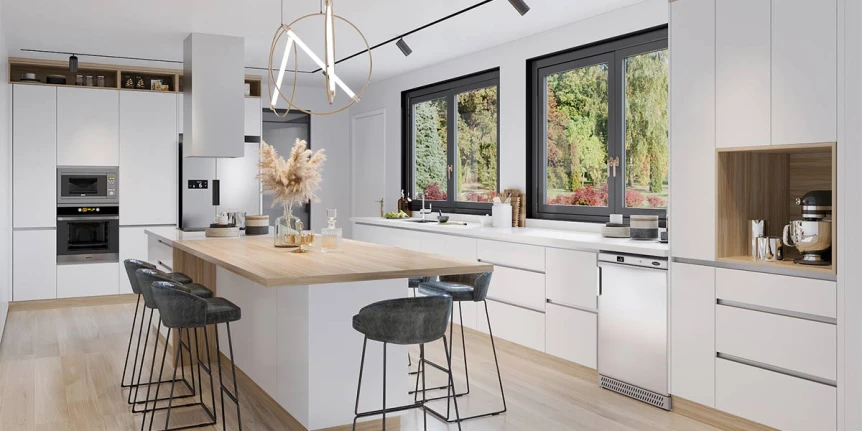
Scandinavian kitchens combine clean cabinetry with warm, natural materials. Light wood cabinets or white painted fronts are common. Countertops in natural stone, wood, or composite materials in light tones reinforce the bright, open feel. Open shelving displays a few favorite ceramics and cookbooks, and a simple pendant light hangs over the island or dining table. The trick with open shelving in a Scandinavian kitchen is restraint. A few well chosen pieces look intentional. A shelf packed with everyday dishes looks like clutter and undermines the calm the rest of the room is trying to create.
Explore more in our guide to Scandinavian kitchen ideas and design tips.
Scandinavian Bathroom
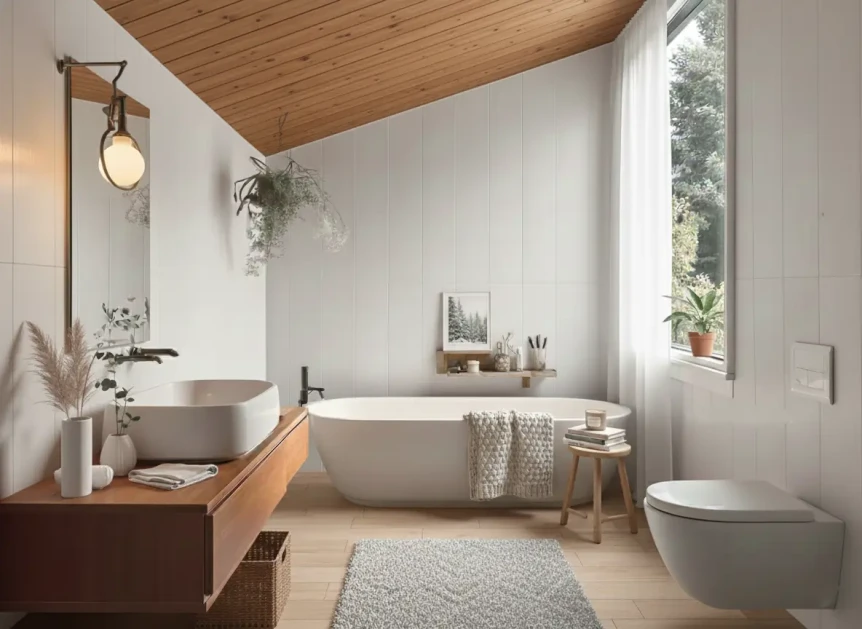
Bathrooms in the Scandinavian style feature white or light tile, warm wood accents (often on the vanity), and simple fixtures. Keep surfaces clear, add a plant or two, and use natural textiles like linen towels to add softness. The spa like simplicity is one of the most calming applications of the style, and it’s also one of the easiest to achieve in an existing home. Even small changes (replacing plastic accessories with wood and ceramic, swapping standard towels for linen, adding a small plant) can shift a bathroom toward the Scandinavian aesthetic without any renovation.
Scandinavian Dining Room
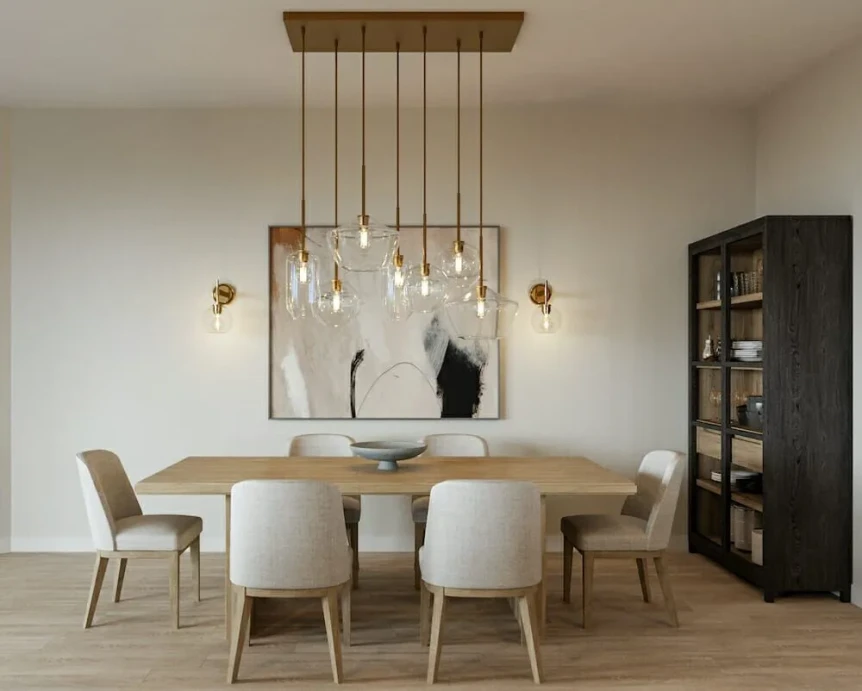
A solid wood dining table with matching or mismatched wooden chairs is the Scandinavian standard. Add a simple pendant light overhead, a few candles on the table, and perhaps a sheepskin draped over one of the chairs. The dining space should feel warm and inviting, suitable for long dinners with family and friends. Mismatched chairs are one of my favorite Scandinavian dining room moves. They look intentional and personal, they tend to be more comfortable than matched sets (because each person can choose their preferred chair), and they’re often more affordable than buying a full matching set.
Lighting and Atmosphere
Lighting is one of the most important elements in Scandinavian design, and one of the most consistently underestimated. Because winters in Scandinavia are long and dark, Scandinavian homes are built around creating warmth and light even when the sun is absent. The approach involves multiple light sources at varied heights and temperatures. If I could change one thing about how most Americans light their homes, this would be it. We rely too heavily on overhead lights and miss the deep comfort of layered, lower lighting throughout a room.
Layered Light
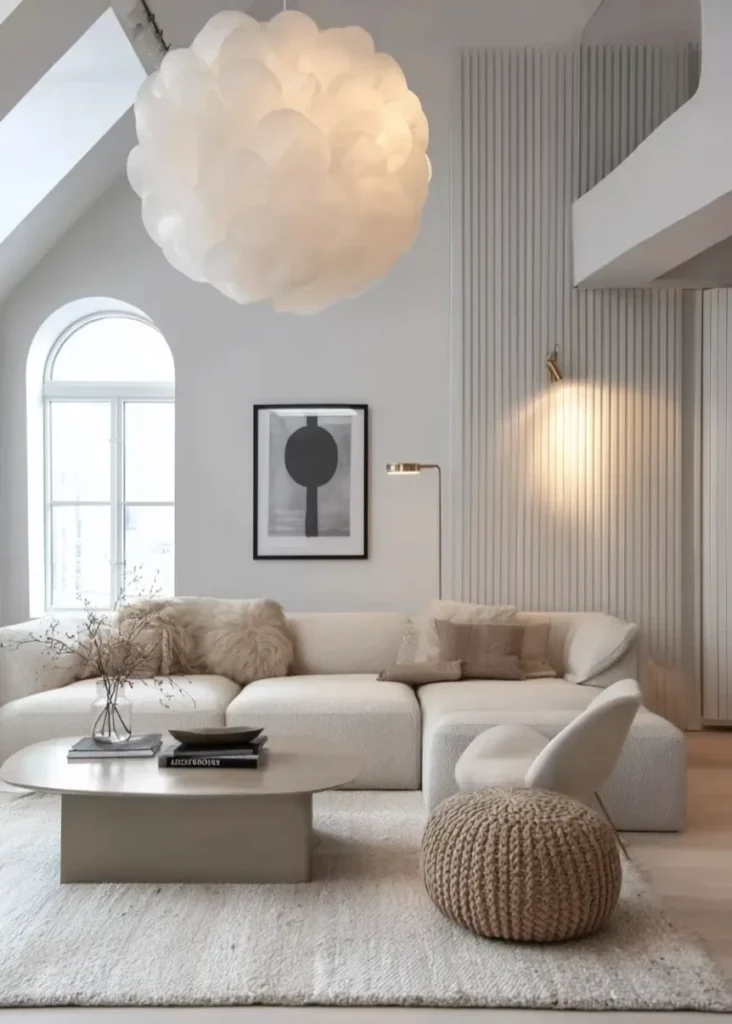
Rather than relying on a single overhead fixture, Scandinavian rooms use multiple smaller light sources: table lamps, floor lamps, pendants, and candles. This creates pools of warm light throughout the room and allows you to adjust the atmosphere based on time of day and mood. A good rule is at least three light sources per room, ideally at three different heights (overhead, mid level like a table lamp, and low like a floor candle). This is the single biggest visual difference between an American living room and a Scandinavian one.
Warm Bulbs
Warm white bulbs in the 2200K to 2700K range are essential. They produce a cozy amber glow that complements the natural materials and light wood tones of the style. Cool white or daylight bulbs create the opposite effect, making rooms feel clinical. This is the cheapest, fastest upgrade you can make to any room. Replace the bulbs and the entire feel of the space changes within minutes.
Candles Everywhere
Scandinavians are famous for their love of candles. A few unscented candles on a coffee table, a shelf, or a dinner table provide a gentle, flickering warmth that no electric light can replicate. During winter months, candles are lit throughout the day, not just in the evening. If you’ve never tried lighting a candle in the morning while you have your coffee, try it once. It’s a small, free thing that genuinely changes the feel of starting your day.
Variations of Scandinavian Design
Modern Scandinavian
Modern Scandinavian leans cleaner and more contemporary, with sleeker furniture, tighter color palettes, and fewer decorative touches. It’s the version most commonly seen in newer apartments and contemporary homes. It’s also the version that’s most prone to feeling cold if you don’t pay attention to texture and lighting, because there’s less decorative warmth to compensate.
Traditional Nordic
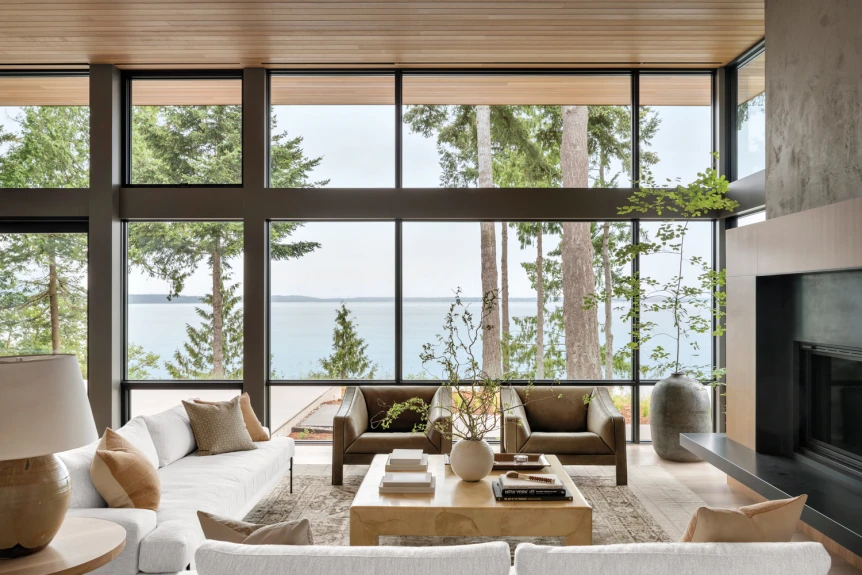
Traditional Nordic keeps more of the rustic, handmade character of older Scandinavian homes. Think painted wood furniture, more decorative textiles, and a slightly cozier, less polished atmosphere. It often overlaps with country or farmhouse influences, and it’s particularly well suited to older homes or homes with architectural character (exposed beams, original wood floors, vintage details).
Scandi Boho
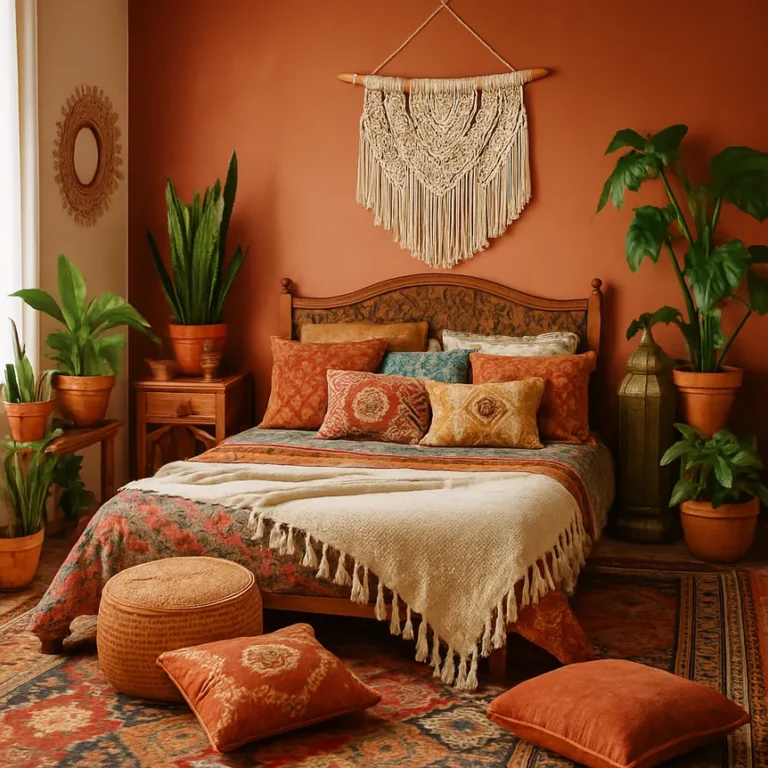
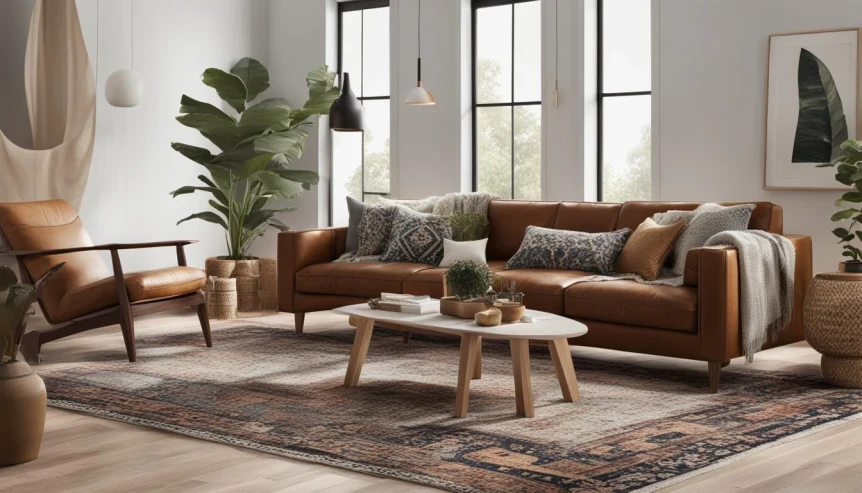
Scandi boho blends Scandinavian simplicity with bohemian layering. It keeps the light palette and natural materials but adds more textiles, patterns, plants, and global influences. The result is a softer, more eclectic take on the style. This is one of the most popular variations. People liked the calm of Scandinavian but wanted more personality and warmth than the modern version offered.
Scandi Minimalism
This is Scandinavian design taken further toward minimalism. It keeps the warmth and comfort but reduces the decor even more. It’s the version most closely related to Japandi, and it works best in spaces with strong natural light and good architectural bones. In a darker apartment with low ceilings, this version can quickly tip into feeling stark.
For a detailed comparison of these variations, see our guide on Scandinavian vs. Nordic vs. Scandi boho.
Common Scandinavian Design Mistakes
These are the mistakes I saw most often when customers came in asking how to make their homes feel more Scandinavian. Most are easy to fix once you know to look for them.
All White, No Warmth
The biggest mistake is thinking Scandinavian means white walls and nothing else. Without warm textiles, natural materials, and soft lighting, an all white room feels cold and clinical. Always layer in sheepskin, wool, linen, and warm wood to balance the brightness. If your white room feels like a doctor’s office, you don’t have a Scandinavian space. You have an unfinished one.
Confusing It With Minimalism
Scandinavian design isn’t minimalism. It embraces coziness, layered textiles, and personal touches. Rooms should feel lived in and welcoming, not sparse and austere. If your space feels empty, add more texture and soft elements. The goal isn’t fewer things. It’s the right things, in the right places, with enough texture to make the simplicity feel inviting.
Cool White Paint
Pure cool whites and bright bluish grays work against the warmth Scandinavian design is trying to create. Choose warm whites with slight yellow, beige, or pink undertones to keep the room feeling inviting. Test paint samples in your actual room, in different times of day, before committing. White is the trickiest paint color to choose because it picks up every other color in the room.
Forgetting Lighting
A Scandinavian room without proper lighting misses the point of the style. You need multiple warm light sources at varied heights, plus candles. A single overhead bulb in a room with white walls creates exactly the sterile atmosphere the style tries to avoid. If I had to bet which mistake was costing customers the most, it was this one. The furniture was right, the colors were right, but the room felt cold because the lighting was a single harsh ceiling fixture.
Too Much Furniture
Scandinavian rooms are edited, not packed. Each piece should have room to breathe. Overcrowded rooms feel chaotic rather than cozy. Remove what you don’t need and give the remaining pieces space. The pieces that stay benefit from the empty space around them. They look more intentional, more important, and easier to appreciate.
Skipping Plants
Plants are a subtle but important part of Scandinavian style. A few well placed plants add life, color, and a connection to nature. Even a single plant in the corner of a room makes a noticeable difference. If you’re worried about killing plants, start with a snake plant or a pothos. Both are nearly impossible to kill and look genuinely beautiful in Scandinavian spaces.
Recommended Resources and Related Guides
Scandinavian Living Room Ideas and Inspiration
A complete guide to designing a Scandinavian living room with warmth, light, and genuine comfort.
Scandinavian Bedroom Ideas for a Cozy, Restful Space
How to create a soft, calm Scandinavian bedroom that supports rest and embraces hygge.
Scandinavian Kitchen Ideas and Design Tips
Cabinet, countertop, and layout strategies for a bright, functional Scandinavian kitchen.
Scandinavian Color Palettes for a Bright, Calm Home
Curated color combinations that capture the light and warmth of Scandinavian design.
Scandinavian Furniture Guide: Light Wood and Natural Comfort
Practical guidance on selecting Scandinavian furniture, from iconic pieces to modern reproductions.
What Is Hygge and How to Bring It Home
The Danish concept of cozy contentment and how to create it through your home environment and daily habits.
Scandinavian vs. Nordic vs. Scandi Boho: What’s the Difference?
A detailed comparison of three closely related styles and how to choose the right one for your home.
Frequently Asked Questions
What is Scandinavian interior design?
Scandinavian interior design is a style from the Nordic countries built on simplicity, functionality, natural materials, and human comfort. It emphasizes light, cozy textiles, and the concept of hygge, or cozy well being. The style uses a light color palette with warm wood tones and soft neutrals, layered with textiles and warm lighting to create bright, welcoming spaces.
What is the difference between Scandinavian design and minimalism?
Scandinavian design shares some principles with minimalism but is warmer, cozier, and more personal. Minimalism emphasizes reduction and visual restraint, which can feel austere. Scandinavian design values comfort and coziness alongside simplicity, using layered textiles, natural materials, and warm lighting to create rooms that feel genuinely lived in.
What colors are used in Scandinavian design?
Warm whites, soft creams, and light wood tones form the base. Scandinavian design allows more color than minimalism, with soft pastels like dusty pink, pale blue, muted sage, and light mustard appearing through textiles and accents. A single darker grounding element (like black or charcoal) adds depth without disrupting the light feeling.
What is hygge?
Hygge is a Danish concept that roughly translates to a feeling of cozy, content well being. It’s the experience of feeling safe, warm, and at peace, often through small pleasures like candlelight, warm drinks, soft blankets, and time with loved ones. Scandinavian design is deeply influenced by the goal of creating spaces that make hygge easier to experience.
Can Scandinavian design work in a small space?
Yes. Scandinavian design is ideal for small spaces because the light color palette, functional furniture, and restrained decor all make rooms feel larger. Focus on one or two quality pieces, maximize natural light, use light wood tones, and add warmth through textiles. The style naturally avoids clutter, which is exactly what small rooms need.
Conclusion
Scandinavian interior design has earned its place as one of the most beloved styles in the world because it puts people first. It’s not about impressing anyone or chasing trends. It’s about creating a home that genuinely supports daily life, through good light, comfortable furniture, warm textiles, and spaces that feel welcoming all year round. After years of helping customers bring this style into their own homes, I’ve seen the same thing happen again and again. People expect to like how it looks. They’re surprised by how much they love how it feels.
Start with the basics: a light color palette, natural wood, soft textiles, and layered warm lighting. Add hygge through candles, cozy corners, and the small touches that make a house feel like a home. Use the guides linked throughout this page to go deeper on specific aspects of the style, and build a space that reflects your own version of the Scandinavian ideal.