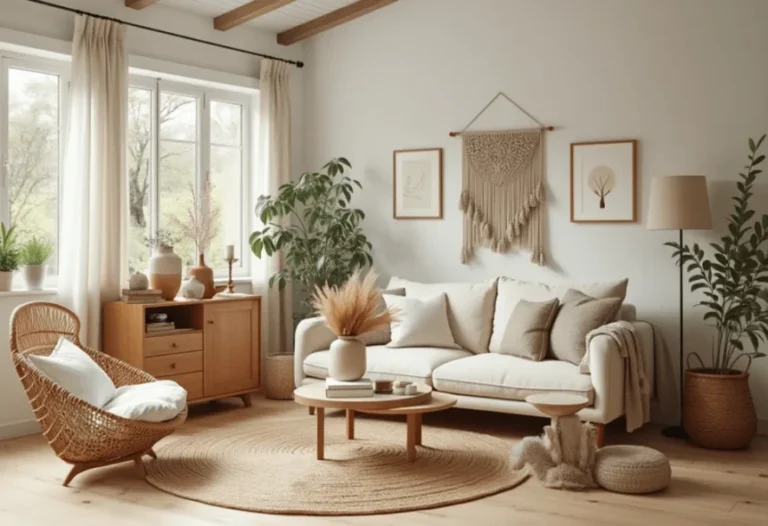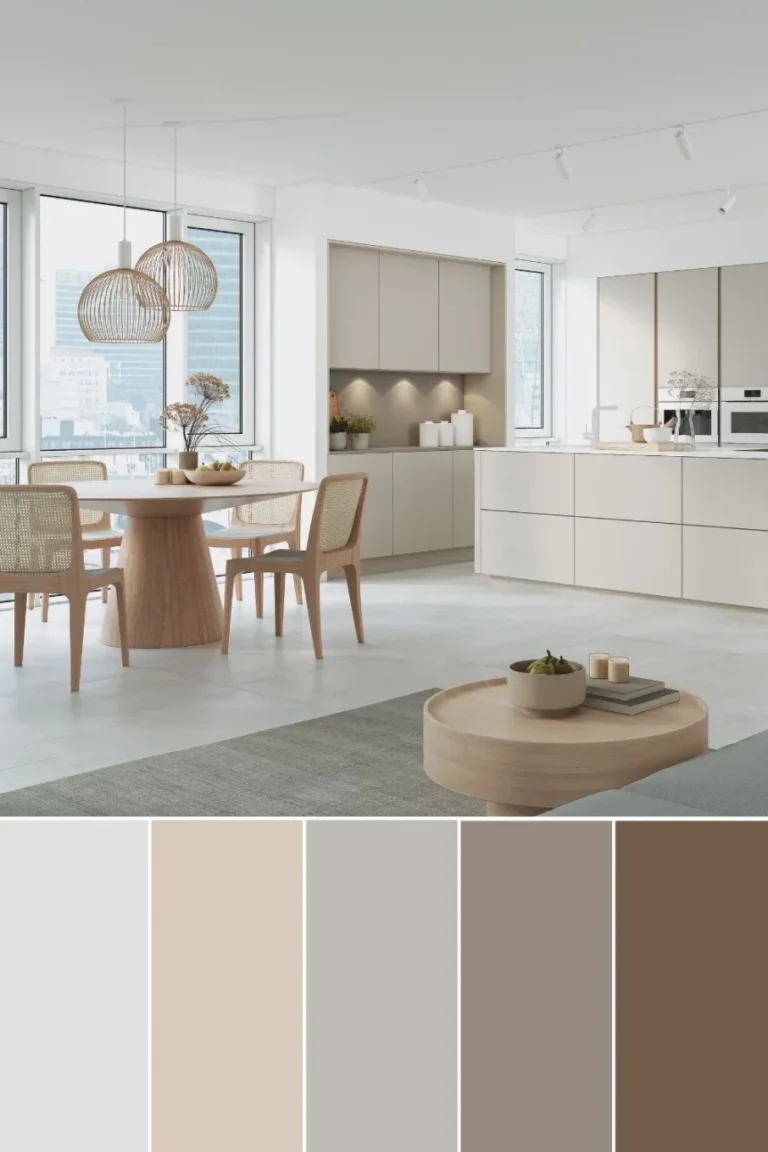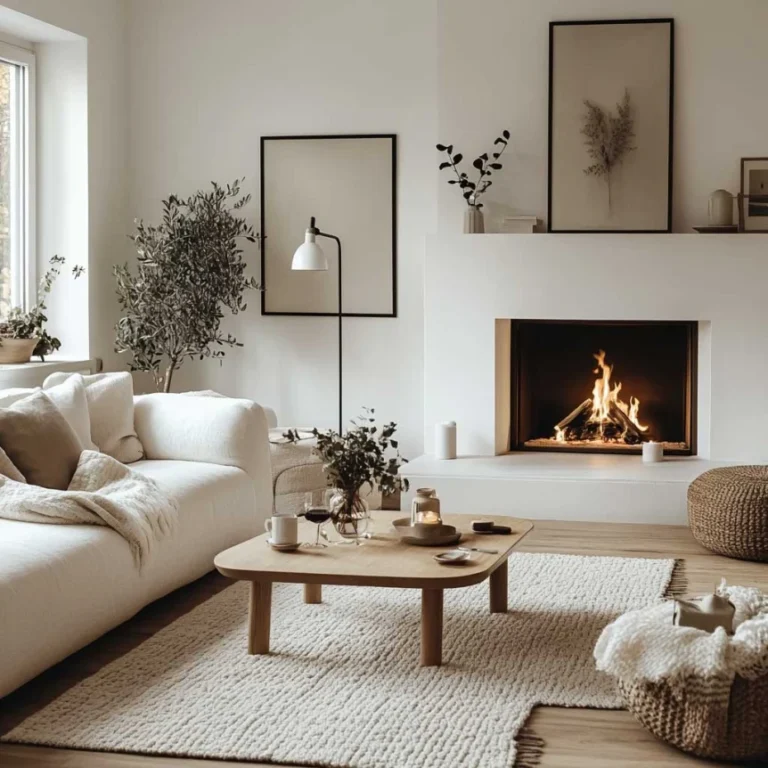
Scandinavian Bedroom Ideas for a Cozy, Restful Space

By Tereza Hower | Published May 7, 2026 | Updated September 15, 2026
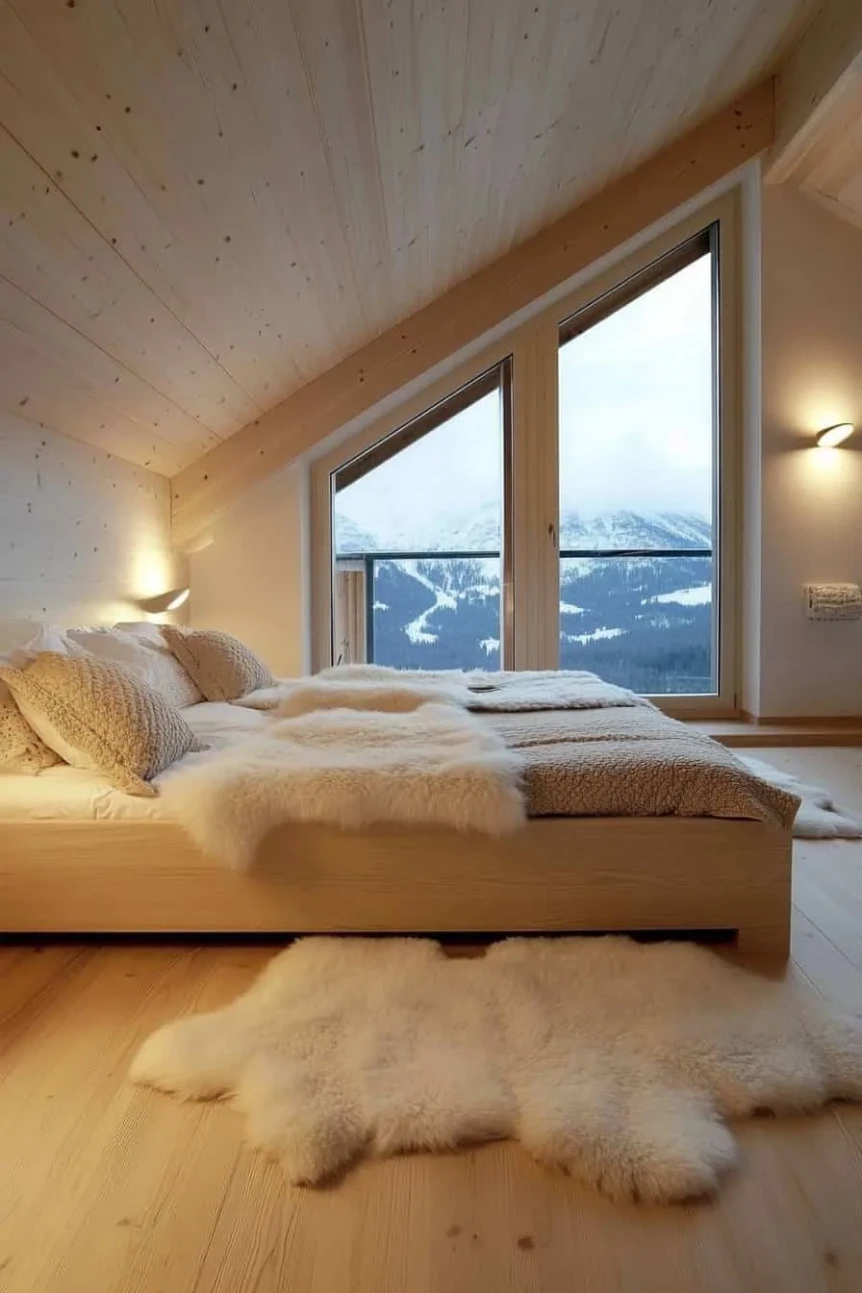
The bedroom is where Scandinavian design feels most at home. The style’s emphasis on warmth, natural materials, and hygge translates directly into a sleeping environment that actually supports rest. It’s bright but soft, simple but cozy, and full of the small touches that make you want to curl up and stay a while. After years of helping LA customers design bedrooms that they actually wanted to spend time in, the Scandinavian approach is the one I recommended most often, especially for people who weren’t sleeping well in their existing rooms.
This guide walks through every element of a Scandinavian bedroom, from the bed and bedding to lighting, storage, and the decor choices that complete the look without adding visual stress. I’ll share the specific advice I gave customers, including the small changes that consistently made the biggest difference for how their bedrooms felt.
The Scandinavian Bedroom Approach
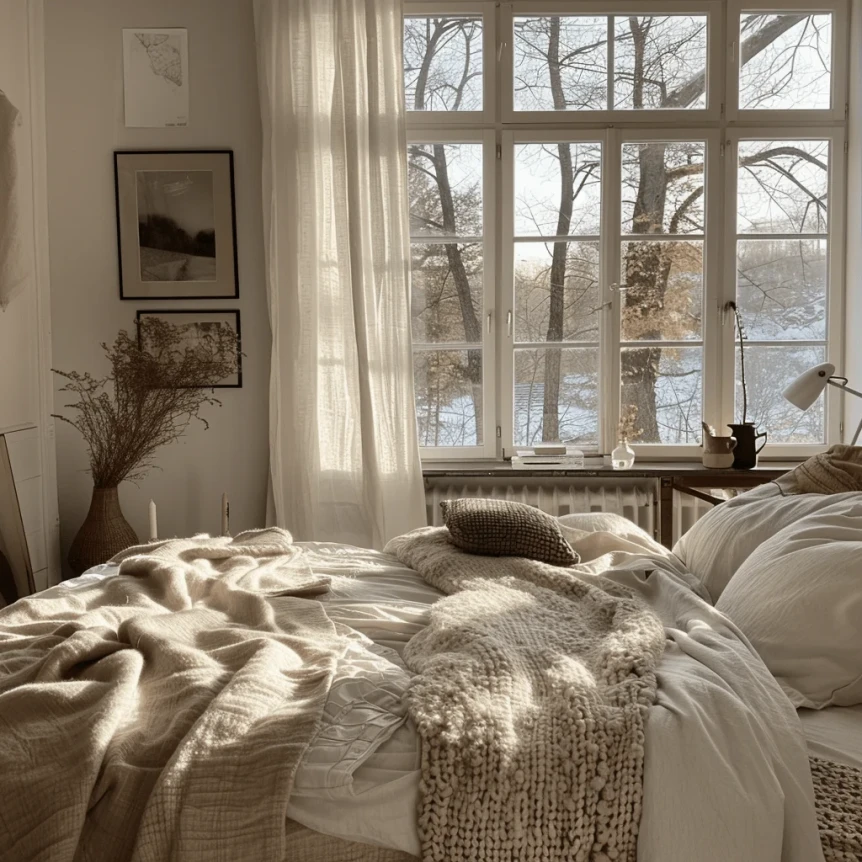
A Scandinavian bedroom balances light and warmth in a way that feels natural and comforting. The palette stays bright. The furniture is simple. The textiles are soft and layered. Everything serves the goal of creating a calm, welcoming space that supports both sleep and quiet moments of relaxation.
The thing most American bedrooms get wrong is they’re designed for sleeping but not for resting. They have a bed, maybe a TV, and not much else. A Scandinavian bedroom does more. It’s also the place you read for an hour before bed, where you have your morning coffee, where you actually want to be even when you’re awake. That distinction shapes every design choice that follows. For the same approach in another style, see best Scandinavian paint colors.
For the broader principles behind the style, see our complete guide to Scandinavian interior design.
The Bed and Bedding
Choosing a Bed Frame
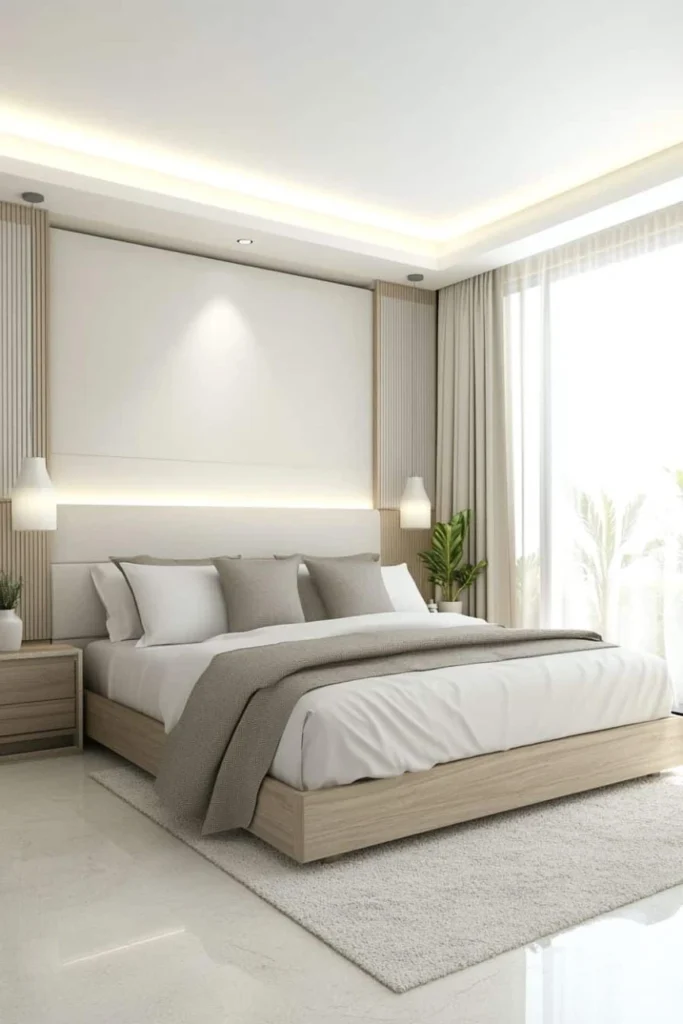
A simple bed frame in light wood is the most classic Scandinavian choice. Oak, ash, birch, and pine all work beautifully. Look for clean lines, slim profiles, and visible natural grain. Upholstered frames in linen or wool in neutral tones also fit the style perfectly, adding softness to the room’s architecture. The bed frame is one of the three biggest furniture investments in any home (alongside the sofa and dining table), and the one I always pushed customers to spend more on. You spend a third of your life on this thing. A good frame should last fifteen or twenty years and stay silent the entire time. Cheap frames develop squeaks within months. Quality frames don’t.
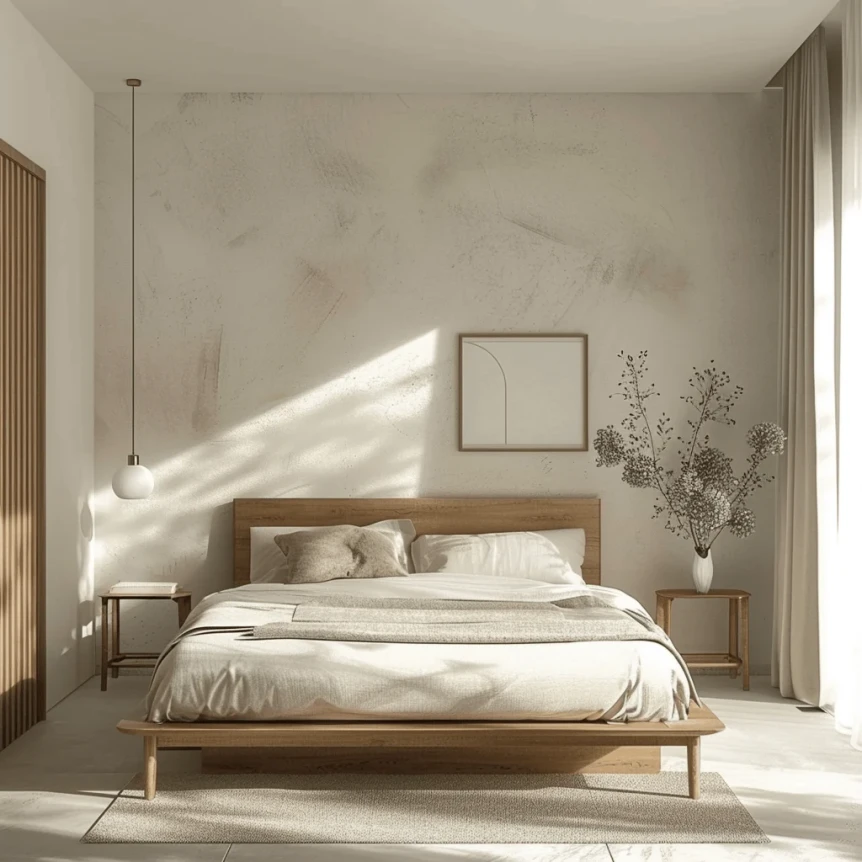
Headboards tend to be simple: flat wood panels, upholstered in linen, or occasionally a caned or rattan version for a softer look. Ornate or heavily carved headboards feel out of place in a Scandinavian room. If you’re choosing between a low headboard and a tall one, taller usually reads as more intentional and gives the room a clearer focal point.
Bedding Layers
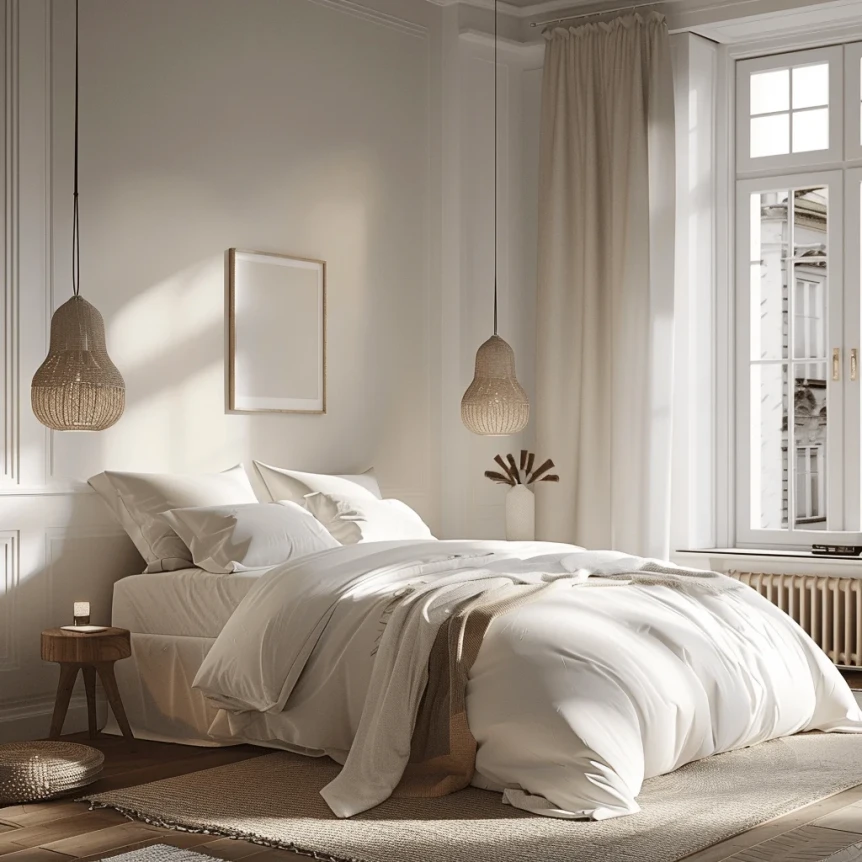
Scandinavian bedding starts with quality linen or cotton sheets in a warm white, soft cream, or light gray. Layer with a duvet cover in a similar tone, then add a textured coverlet or chunky knit throw at the foot. Top with two or three pillows. The layering should feel generous but not overdone.
One thing worth being specific about: the bedding is the single fastest way to upgrade how a bedroom feels. Linen sheets in particular age beautifully. They start crisp and become softer with every wash. Customers who switched from synthetic blends to real linen consistently told me the same thing: they couldn’t believe how much better the bed felt. The investment pays off every single night for years.
The Duvet Tradition
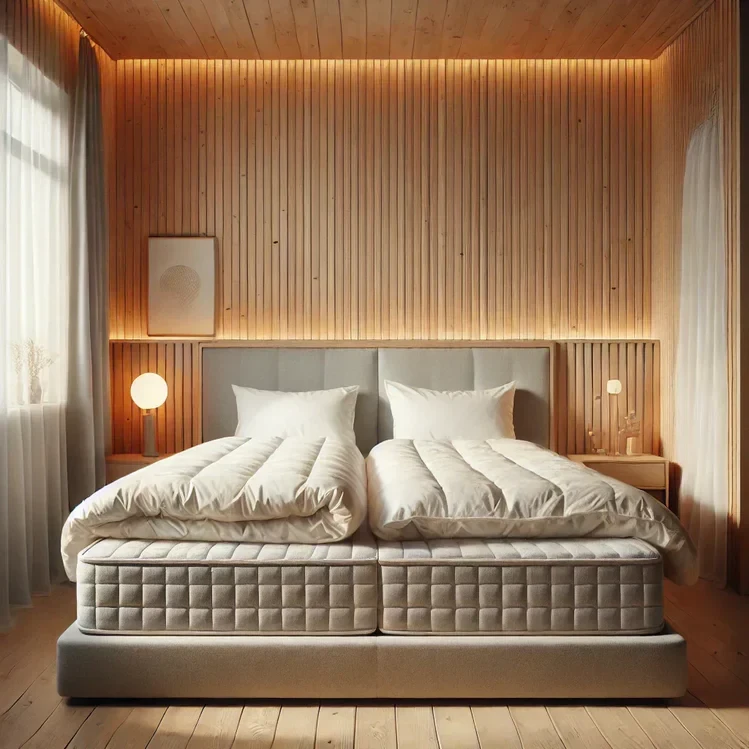
Scandinavian bedrooms often use separate duvets for each person sleeping in the bed, a practical tradition that’s gained popularity elsewhere. It prevents the nightly tug of war over blankets and makes bed making easier. If you share a bed, consider trying this approach. It’s surprisingly effective. The first time someone tries it, they almost always wonder why this isn’t standard everywhere. Different sleepers have different temperature preferences, different toss-and-turn patterns, and different blanket weights they like. One shared duvet asks both people to compromise. Two duvets lets each person sleep the way they actually sleep best.
Color and Atmosphere
The Base Palette
Warm whites, soft creams, and light wood tones form the foundation. These create the bright, welcoming quality that defines the style. Walls should be warm white or a soft neutral that leans warm rather than cool. The wall color is the single most consequential decision in the room. Cool whites and bluish grays make bedrooms feel like hospital rooms no matter what else you do. Warm whites with slight yellow, beige, or pink undertones make the same furniture feel cozy and intentional.
Soft Accent Colors
Scandinavian bedrooms often include one or two muted accent colors. Dusty pink, pale blue, muted sage, and soft mustard all work beautifully. Apply them through pillows, a throw, an accent chair, or a piece of art. Keep the accents gentle so they support rather than disrupt the calm atmosphere. The bedroom is also a place to be slightly more personal with color than other rooms. The color you wake up to matters. A muted sage cushion or a dusty pink throw quietly affects how the room feels first thing in the morning.
A Darker Moment
Even in a light filled Scandinavian bedroom, one darker element adds depth. A charcoal throw, a black framed print, or a dark wood nightstand prevents the room from feeling washed out. Without one grounding element, even a beautifully styled bedroom can feel like it’s floating. One dark touch is usually enough. Two starts to compete with the calm. For more color guidance, see our Scandinavian color palettes guide.
Nightstands and Bedside Styling
Simple and Functional
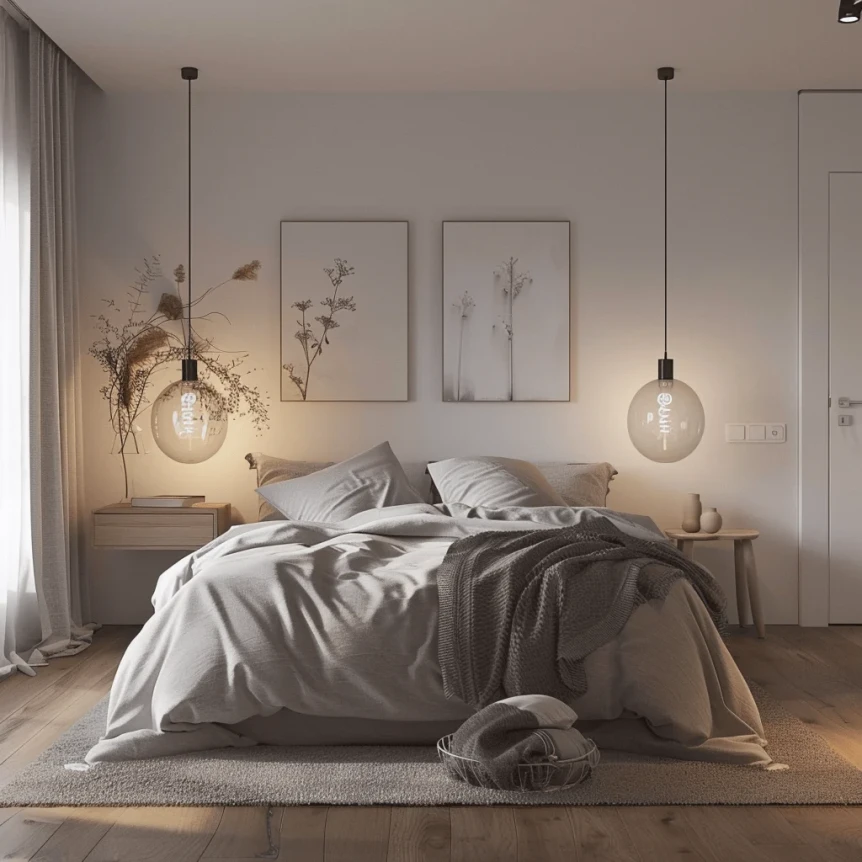
A Scandinavian nightstand is modest. A small wooden table with one drawer, a clean lined upholstered piece, or even a simple stool all work. Look for light wood, white painted finishes, or a combination. Matching nightstands on both sides of the bed create order and symmetry. Mismatched nightstands work too, especially when the pieces share a common material or wood tone. A small vintage stool on one side and a simple wood drawer on the other looks more lived in and personal than a perfectly matched pair, and it’s often what customers ended up loving most about their finished bedrooms.
What to Display
A lamp, a book, a small vase, and perhaps a candle is all you need. Keep the surface calm. If you need more storage, choose a nightstand with a drawer or small shelf. The bedside area should feel inviting rather than cluttered. The nightstand is where small piles tend to accumulate (chargers, hand cream, glasses, the book you keep meaning to start). A small drawer or tray solves this in a way no amount of styling can. The visible surface stays clean while the daily essentials still have a home.
Lighting
Bedroom lighting is where most American homes go wrong, and it’s where the biggest improvements can be made fastest. The Scandinavian approach uses multiple soft, warm light sources at different heights instead of one harsh overhead fixture. The difference in how the room feels is dramatic.
Bedside Lighting
A warm, dimmable bedside lamp is essential. Ceramic lamps with linen shades, wooden lamps, or simple metal designs all work. Choose a lamp you can easily turn on while still in bed. Wall mounted sconces save nightstand space and add an architectural touch. The dimmable feature matters more than people realize. The same lamp at full brightness reads as functional. The same lamp at 30 percent reads as cozy. Most bedside lamps don’t come with built in dimmers, but a smart bulb or an inline dimmer cord adds the function for very little cost.
Overhead and Ambient Light
If you have an overhead fixture, choose something soft. A paper lantern, a simple drum shade in linen, or a woven pendant work well. Avoid harsh, bright ceiling lights that fight the calm atmosphere. Honestly, most Scandinavian bedrooms work better without using the overhead light at all. If you can rely on bedside lamps and a floor lamp instead, the room will feel dramatically more peaceful in the evening. Save the overhead for cleaning days.
Candles and Soft Light
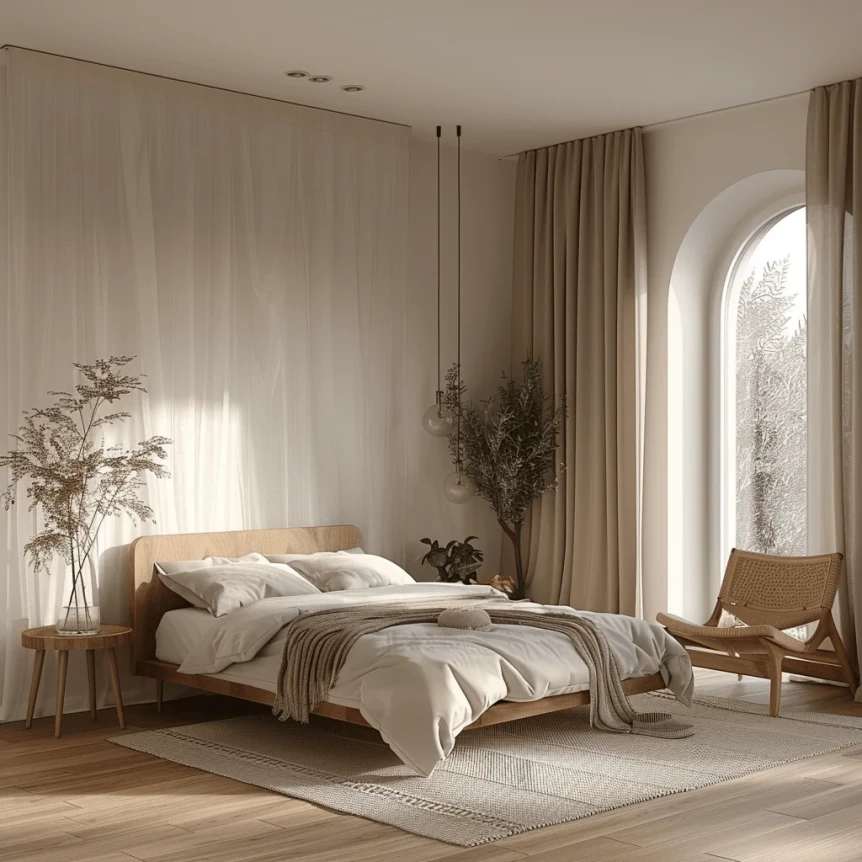
A few candles on a dresser, nightstand, or shelf add the flickering warmth that defines hygge. Use unscented candles to avoid disrupting sleep, or light scented candles earlier in the evening and blow them out before bed. Battery operated LED candles are also worth considering for the bedroom specifically. They give you the visual softness without any fire risk near pillows and bedding, which matters in a room where you might fall asleep with the lights still on. For more on creating this feeling, visit our guide on what is hygge and how to bring it home.
Rugs and Textiles
The Bedroom Rug
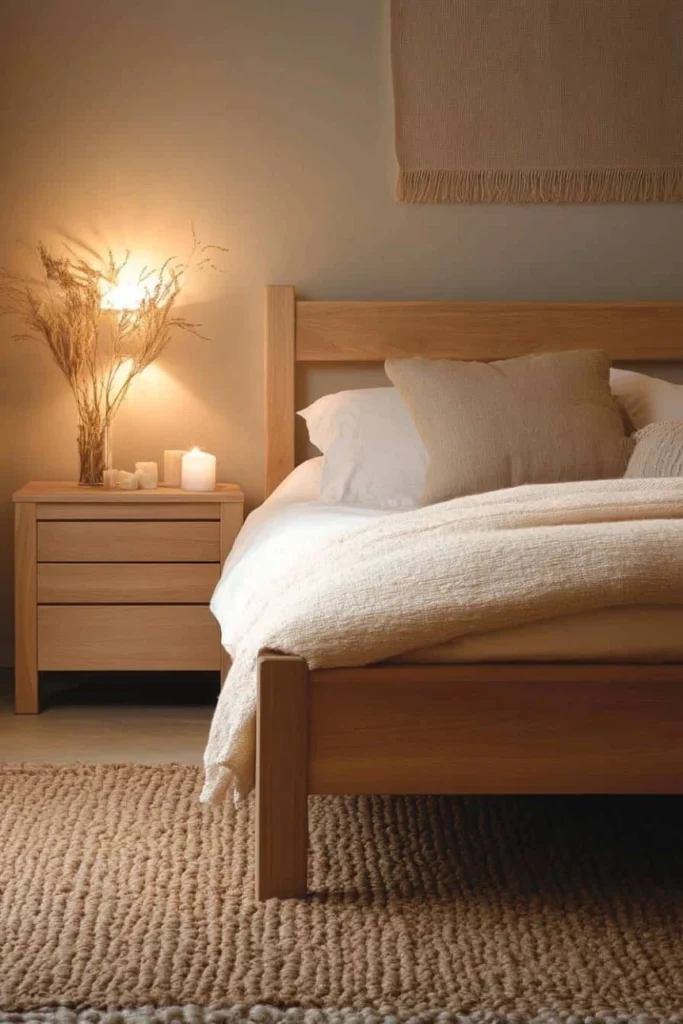
Scandinavian bedrooms almost always have a rug, both for warmth underfoot and for the soft layer of visual comfort it adds. A sheepskin rug beside the bed or a large wool rug under the bed are both classic choices. Flat weave jute or cotton rugs in neutral tones also work well. Stepping out of bed onto a warm rug instead of cold floor is one of those small daily moments that genuinely improves quality of life. It costs almost nothing to add and you experience it every single morning. The under-bed rug is also worth considering even if you have wall to wall carpet. The visual layer of texture changes how the room reads, and it defines the bed as a deliberate zone within the space.
Textile Layers
Beyond the bedding, add softness through a draped throw, extra cushions in a reading chair, or linen curtains that soften the windows. Texture is what gives Scandinavian rooms their coziness, so don’t be afraid to layer. The mistake I see most often is people getting the bed itself right and stopping there. The room around the bed needs textile attention too. A throw on a bench at the foot of the bed, a cushion on the chair in the corner, a soft rug underfoot. These extra layers are what shift the room from “well dressed bed in a plain room” to “complete Scandinavian bedroom.”
Storage and Wardrobes
Built In Solutions
Built in wardrobes are ideal in Scandinavian bedrooms. When painted to match the walls or finished in light wood, they integrate seamlessly with the architecture and provide significant storage without adding visual weight. The disappearing effect of a well done built in is one of the biggest visual upgrades you can make to a bedroom. The room reads as more spacious because you’re not seeing the storage as a separate object competing with everything else.
Freestanding Options
If built ins aren’t possible, choose a freestanding wardrobe in light wood or painted white with simple hardware. A vintage Scandinavian armoire adds character while providing storage. Dressers and chests of drawers in matching light wood finishes complete the storage solution. A specific tip from years of working with smaller bedrooms: a tall, narrow wardrobe almost always works better than a wide, short dresser. The vertical lines visually elongate the room, and the floor space underneath is preserved.

Keeping It Calm
Visual clutter is the enemy of a restful bedroom. Use drawers and closed storage for clothing and personal items rather than leaving them exposed. If you want some open storage, like a small shelf for books, keep it carefully edited. The bedroom is the one room where it pays to err on the side of less. A surface that’s slightly too empty looks calm. A surface that’s even mildly cluttered makes the whole room feel chaotic, which is the opposite of what a bedroom should do.
Wall Decor
One Piece or a Simple Grouping
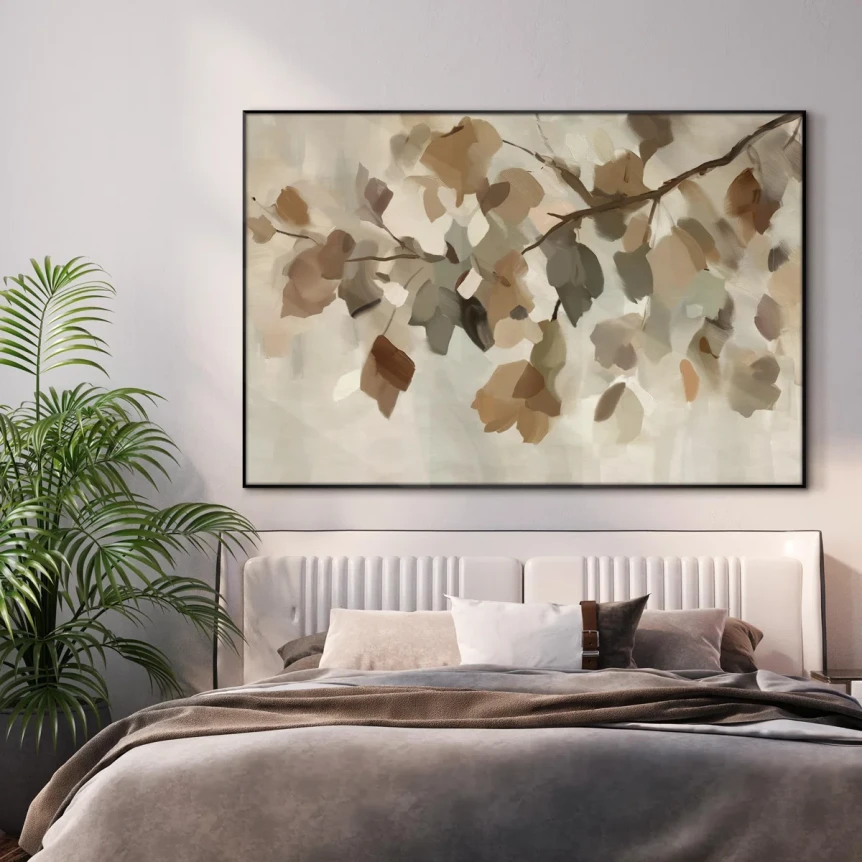
A single piece of art above the bed is the most common Scandinavian approach. Choose something calm and personal: a landscape, a botanical print, an abstract piece in soft tones, or a black and white photograph. Alternatively, a simple grouping of three or four small frames creates a gentle gallery effect. The art above the bed is also one of the few places in the home where a larger piece almost always looks better than a smaller one. A piece that’s too small over a queen or king bed reads as an afterthought. Go bigger than feels safe.
Frames and Presentation
Use simple frames in thin black, natural wood, or white. Avoid ornate, gilded, or heavily decorated frames. The art should feel like part of the room’s calm rather than a statement piece. The frame matters as much as the art itself. A great print in an ornate gold frame stops being Scandinavian. The same print in a thin black or natural wood frame becomes a quiet anchor for the room.
Plants and Natural Elements
One or two plants add life and a connection to nature. A small plant on a nightstand or dresser, a trailing plant on a shelf, or a larger plant in a corner all work. Avoid filling the bedroom with plants. A restrained approach suits the style better and keeps the room feeling calm. If you’re not confident with plants, start with a snake plant or a pothos. Both are nearly impossible to kill and tolerate the lower light conditions of most bedrooms.
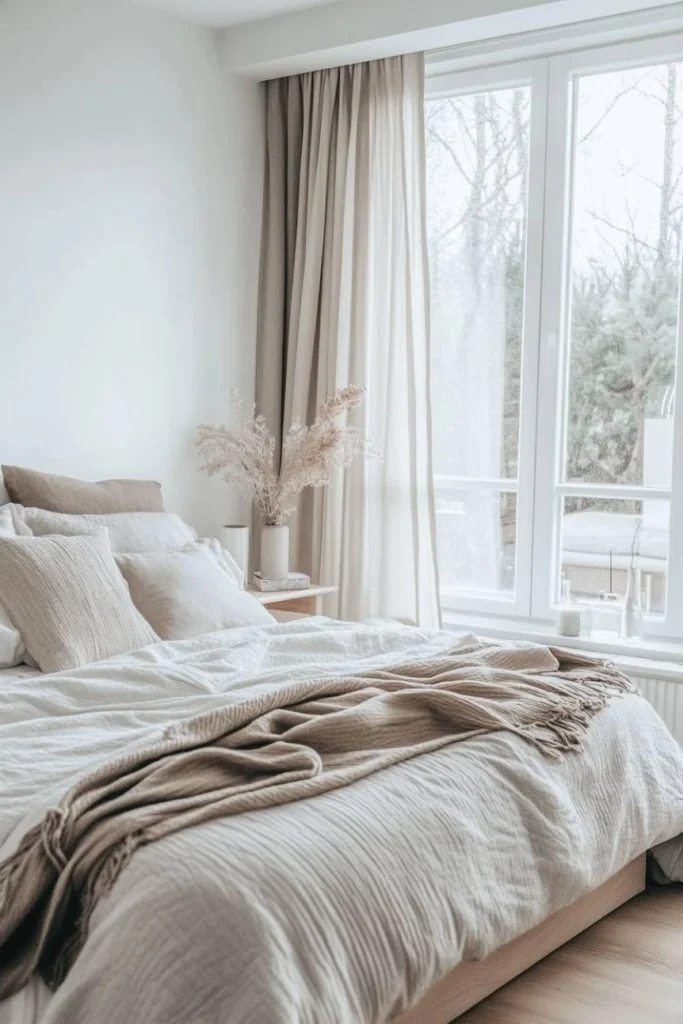
Fresh eucalyptus stems or dried pampas grass in a simple vase offer natural beauty without the ongoing care plants require. Dried stems also last for months without replacement, which makes them practical for the bedroom specifically.
Curtains and Window Treatments
Sheer linen curtains in white or cream soften the windows without blocking light during the day. Layer with blackout shades or heavier curtains behind the sheers if you need the room to be truly dark at night. The double layer approach gives you flexibility and keeps the room feeling soft rather than harsh. Hang the rod close to the ceiling rather than just above the window frame, and choose a length that just kisses the floor. Curtains that stop at the windowsill or float a few inches above the floor make the room look smaller and the windows look like an afterthought.
A Reading or Relaxation Corner
If space allows, create a small reading or relaxation corner in the bedroom. A simple upholstered chair, a floor lamp, a small side table, and a basket for throws makes a perfect quiet spot. Even a small nook adds a layer of coziness that makes the room feel more useful and more special. This is one of the design moves I recommended most often, especially to customers in larger bedrooms. The reading corner gives you a reason to be in the bedroom that isn’t sleep, which is exactly what shifts a Scandinavian bedroom from a place you go at night to a place you actually want to spend time.
Scandinavian Bedrooms in Smaller Spaces
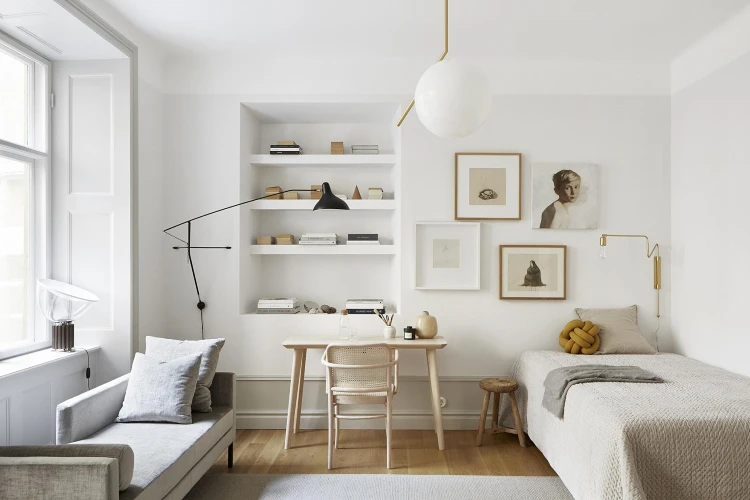
Scandinavian design excels in small bedrooms, and this is the version I recommended most often to LA customers in apartments and studios. The light palette makes rooms feel larger. The emphasis on edited furniture prevents overcrowding. Choose a bed with built in storage, use wall mounted lighting, and keep the palette consistent. A single large rug and one or two well chosen decor pieces create warmth without needing extra furniture.
One specific tip for small bedrooms: skip the standard nightstand on at least one side. A wall mounted shelf or a small floating ledge gives you a surface for a lamp and a book without taking up floor space. The visual lightness this creates makes the room feel meaningfully bigger.
For more on coordinating your bedroom with the rest of your home, visit our Scandinavian living room ideas guide and our Scandinavian furniture guide. For broader bedroom design principles, our complete guide to modern bedroom design covers the full approach.
Conclusion
A Scandinavian bedroom is a place to actually rest, not just to sleep. Soft bedding, warm lighting, a calm palette, and the small hygge touches that make you want to stay in bed a little longer all add up to a space that supports genuine well being. Start with quality bedding, build warmth through textiles and lighting, and keep the rest simple. The style does the work of making the room feel good. The customers I helped design these bedrooms always told me the same thing afterward: they started spending more time in them, and they slept better. Both outcomes are the real measure of whether the design is working.
For a complete overview of Scandinavian principles across every room, visit our complete guide to Scandinavian interior design.
Frequently Asked Questions
What makes a bedroom Scandinavian?
A Scandinavian bedroom features a light color palette, natural wood furniture, soft linen or cotton bedding, layered textiles like sheepskin and wool throws, warm bedside lighting, and a few simple decor pieces. The atmosphere is bright but cozy, simple but inviting, and built around genuine comfort and rest.
What bedding is best for a Scandinavian bedroom?
Linen or high quality cotton sheets in warm white, cream, or light gray form the foundation. Layer with a duvet cover in a similar tone, add a textured coverlet or chunky knit throw at the foot, and top with two or three pillows. Many Scandinavian homes use separate duvets for each sleeper instead of a shared one.
What color should Scandinavian bedroom walls be?
Warm white is the most versatile choice. Soft cream, warm greige, or very light gray also work well. Avoid pure cool whites, which can feel clinical and work against the cozy atmosphere. The wall color should lean warm to support the inviting feeling the style is built around.
How do I add hygge to my Scandinavian bedroom?
Layer soft textiles like sheepskin throws and chunky knit blankets. Use warm, dimmable bedside lighting. Add candles on a nightstand or dresser. Include a cozy reading corner if space allows. Choose bedding in natural materials that feel good against your skin. These small additions create the cozy, content atmosphere that defines hygge.