Scandinavian Furniture Guide: Light Wood and Natural Comfort

By Tereza Hower | Published May 6, 2026 | Updated September 9, 2026
Scandinavian furniture has earned its place among the most respected design traditions in the world. The mid century designers who shaped the movement (Hans Wegner, Arne Jacobsen, Alvar Aalto, Finn Juhl) created pieces that still look fresh and feel comfortable more than sixty years later. What they understood, and what still defines Scandinavian furniture today, is that beautiful design and genuine human comfort aren’t in conflict. They’re two sides of the same priority.
I sold Scandinavian furniture out of my Los Angeles store, Hower Furniture, for years before moving everything online. Of all the styles I carried, this was the one customers came back to most often, and for good reason. A well made Scandinavian sofa or chair holds up for decades, gets more comfortable with use, and works in almost any home. This guide covers the essential pieces, the materials that define them, and how to source both iconic vintage designs and modern reproductions at different price points. It also covers the specific construction details worth checking before buying, because they are the difference between a piece you keep for thirty years and one you replace in three.
What Makes Furniture Scandinavian
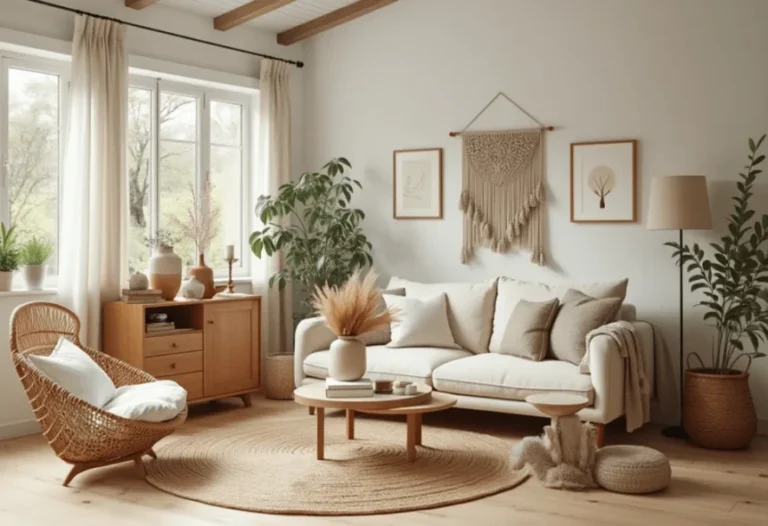
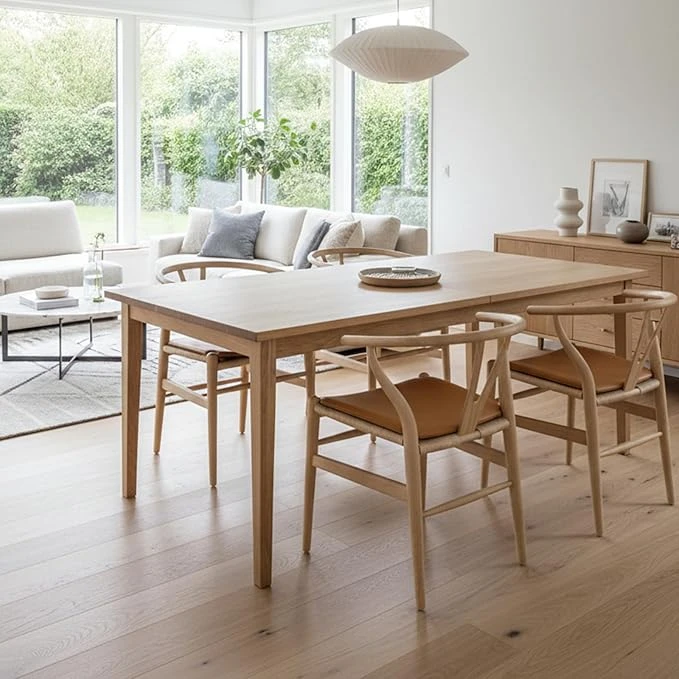
Scandinavian furniture shares several consistent characteristics. Forms are simple but softened by gentle curves. Materials are natural: light wood, linen, cotton, wool, and leather. Construction emphasizes quality craftsmanship with visible joinery and honest finishes. Ergonomics matter. Comfort is built into the form rather than added on through cushions and padding. The pieces feel approachable and human scaled, never imposing.
A useful test: Scandinavian furniture should look simple but reward closer attention. The details (the curve of an arm, the angle of a leg, the way two pieces of wood meet) are what separate it from cheaper imitations. The other useful test is weight. Real Scandinavian furniture is solidly built and noticeably heavier than mass produced lookalikes. If a chair feels suspiciously light when you pick it up, the wood is probably hollow or veneered over particleboard, which means it won’t last. Best Scandinavian paint colors covers the same ground for a different style.
For the broader design philosophy, see our complete guide to Scandinavian interior design.
How to Spot Quality Construction
Before getting into specific pieces, it’s worth knowing what to look for in any piece of Scandinavian furniture. After years of evaluating furniture for the store, I developed a quick five point check that almost always identified whether a piece was worth its price tag.
- Weight. Lift the piece. Solid wood is heavy. If a chair, side table, or coffee table feels suspiciously light, the structure is probably hollow or veneered over MDF. Veneered pieces look fine for a year or two, then start chipping at edges and peeling at corners.
- Joinery. Look at the corners of drawers, the joints under tables, and the connections between chair legs and frames. Real construction shows visible joints (dovetails, mortise and tenon, dowels). Pieces glued and stapled together are cheap construction no matter what the brand name says.
- Wood grain. Run your hand across the surface. Real wood has subtle grain texture. Veneer and laminate feel uniformly smooth. Check the edges and underside of any wooden surface. Manufacturers often skip the grain finish on parts you don’t usually see.
- Upholstery. Press into a sofa or chair cushion. Quality fill resists for a moment, then gives, then springs back when you release. Cheap fill (mostly polyester batting) compresses immediately and stays flat. The difference shows up after six months of daily use, not in the showroom.
- The underside. Flip the piece (or look underneath if you can). This is where manufacturers cut corners. Quality construction is consistent everywhere, not just on the visible surfaces.
These five tests work whether you’re shopping at IKEA, an authentic Scandinavian retailer, or a vintage shop. The brand matters less than what you find when you actually inspect the piece.
Essential Living Room Furniture
The Sofa
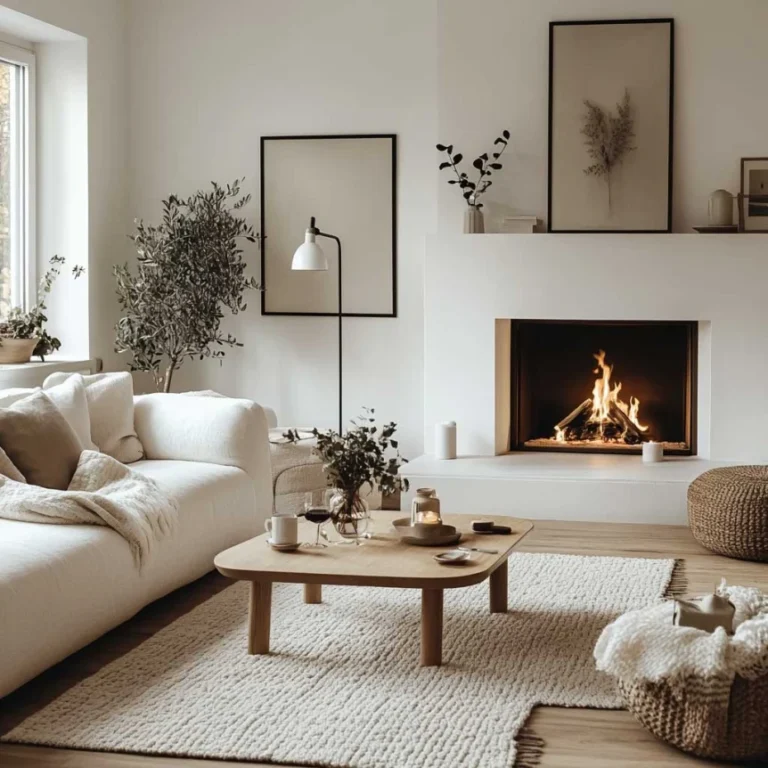
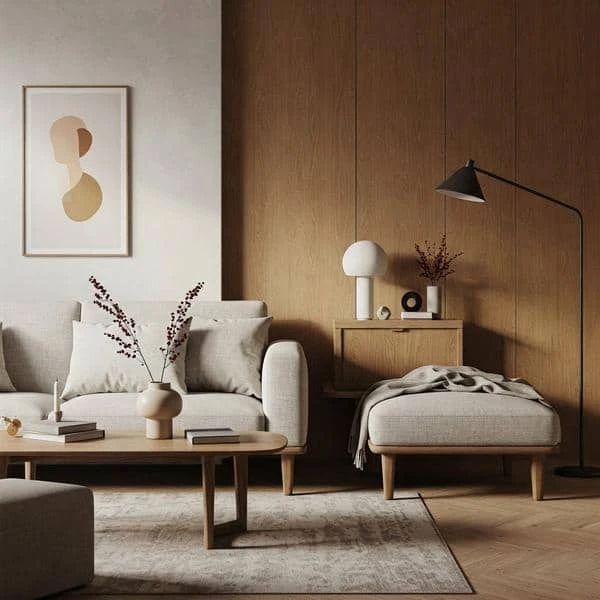
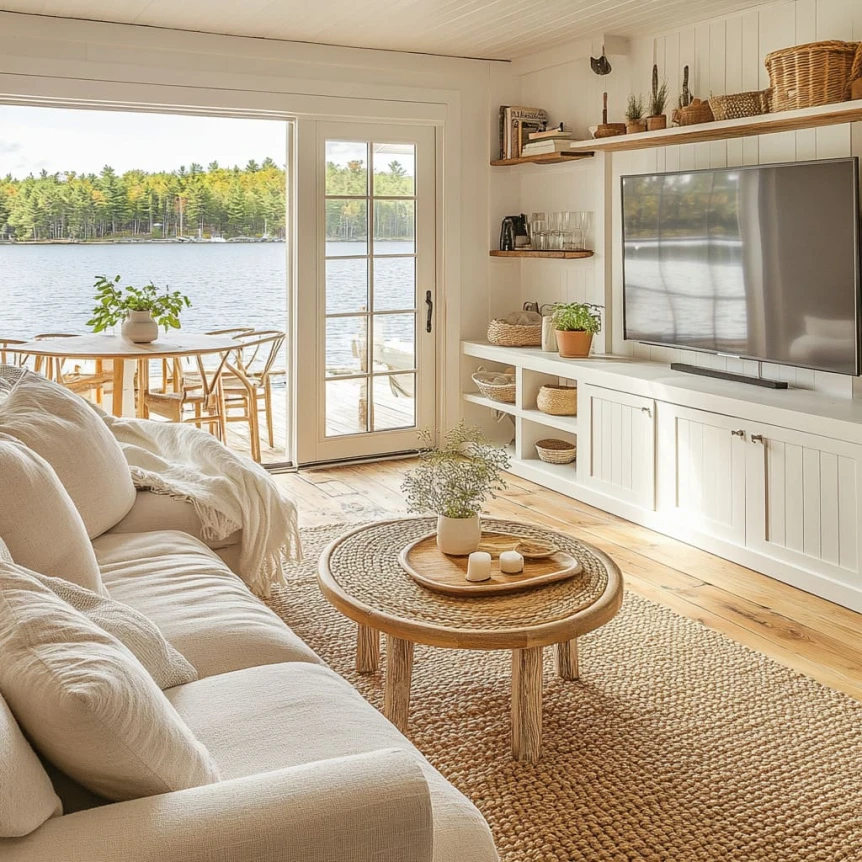
The sofa is the single most important investment in any Scandinavian living room, and the piece worth spending more on. A Scandinavian sofa has clean lines, slim wooden legs, and upholstery in a soft neutral fabric. Linen, cotton, and wool are the most common materials. Colors stay in the warm neutral range: cream, light gray, soft beige, or dusty blue. Slip covered sofas are also popular because they’re practical and develop character with use.
One specific warning from years of selling sofas: light fabric on a sofa that gets daily use needs to be cleanable. Linen looks beautiful but stains easily. If you have kids or pets, a performance fabric in a similar color will save you years of stress. The visual difference is minimal. The practical difference is enormous. For deeper guidance on what separates a sofa worth keeping from one you’ll regret, our sofa buying guide covers frame construction, fill, and durability.
Accent Chairs
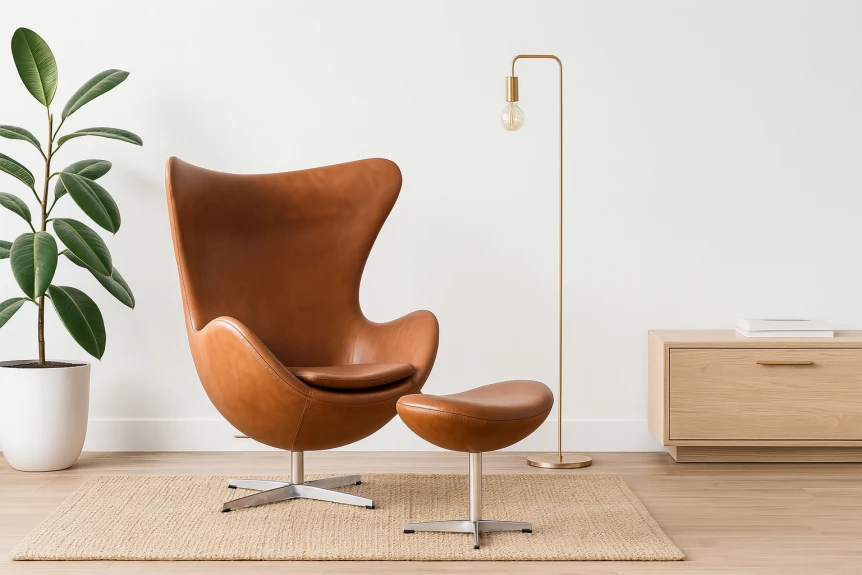
This is where Scandinavian design really shines. Iconic pieces like the Wegner Wishbone chair, the Jacobsen Egg chair, or the Aalto Paimio chair have become design classics. Less famous but equally good Danish and Swedish chairs from the mid century era are widely available and still made today. A single well chosen accent chair can anchor an entire room.
The Wegner Wishbone is the design that best rewards close inspection. It looks delicate, but it is stable, comfortable, and fits the human body in ways most chairs simply don’t. If you are going to invest in one iconic piece, the Wishbone is the one to choose. It is used daily in millions of Scandinavian dining rooms for good reason.
Coffee Tables
Round wood coffee tables are the Scandinavian default. Look for tables with visible wood grain, organic shapes, and slim legs. Rectangular tables with clean lines also work, especially in larger rooms. The wood should be light (oak, ash, birch) and the finish matte or natural. This is one piece where I always pushed customers toward solid wood over veneer. A solid oak coffee table that’s twenty years old looks better than the day it was bought. A veneered table reveals its construction within a year or two as edges chip and the surface scratches. For more on choosing the right one, see our guide to modern coffee tables.
Shelving and Storage
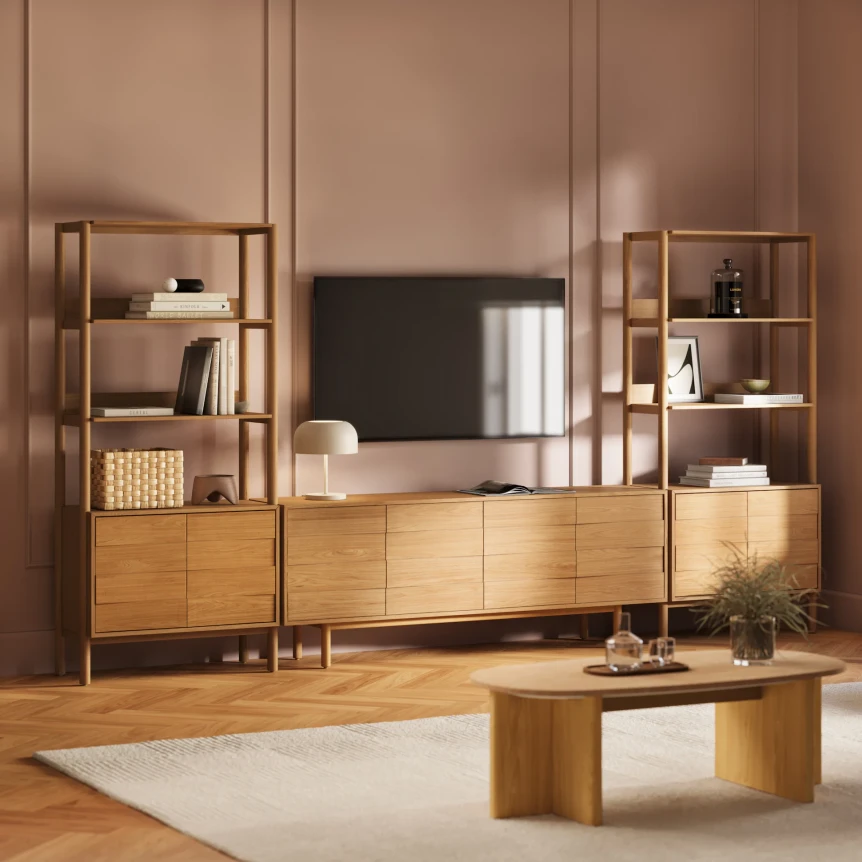
Open shelving in light wood or white painted finishes suits Scandinavian living rooms. The classic String shelving system is a mid century design that remains popular today. Simple wooden credenzas, sideboards, and media consoles also work well. Vintage teak credenzas from the 1960s, in particular, hold their value extraordinarily well and often look better than anything new at similar price points.
For more living room specific guidance, see our Scandinavian living room ideas guide.
Essential Bedroom Furniture
Bed Frames
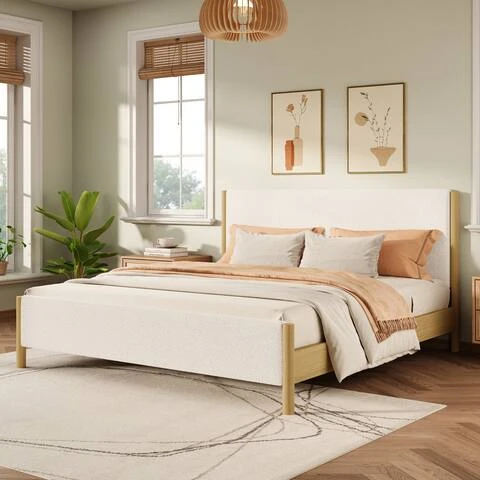
Simple bed frames in light wood (oak, ash, birch) or upholstered in linen or wool suit Scandinavian bedrooms best. Headboards are typically flat, either wood or softly upholstered. Platform beds work well because they emphasize the clean architectural lines the style values. Bed frames are another investment piece. You spend a third of your life on this thing. The frame should be substantial enough to last fifteen or twenty years, and quiet enough not to creak with every movement. Cheap bed frames develop squeaks within months. Quality frames stay silent for decades.
Nightstands
Small wooden tables with one drawer, simple stools, or even wall mounted shelves all serve as Scandinavian nightstands. The key is keeping them modest and functional. A vintage nightstand in light wood with a small lamp and a book is perfectly in keeping with the style. Mismatched nightstands work too. A small vintage stool on one side of the bed and a simple wood drawer on the other looks more lived in and personal than a perfectly matched pair.
Wardrobes and Dressers
Built in wardrobes painted to match the walls are the cleanest Scandinavian solution. If built ins aren’t possible, simple freestanding wardrobes in light wood or white paint work well. Dressers should have clean fronts with minimal hardware. For more bedroom guidance, visit our Scandinavian bedroom ideas guide.
Essential Dining Furniture
Dining Tables
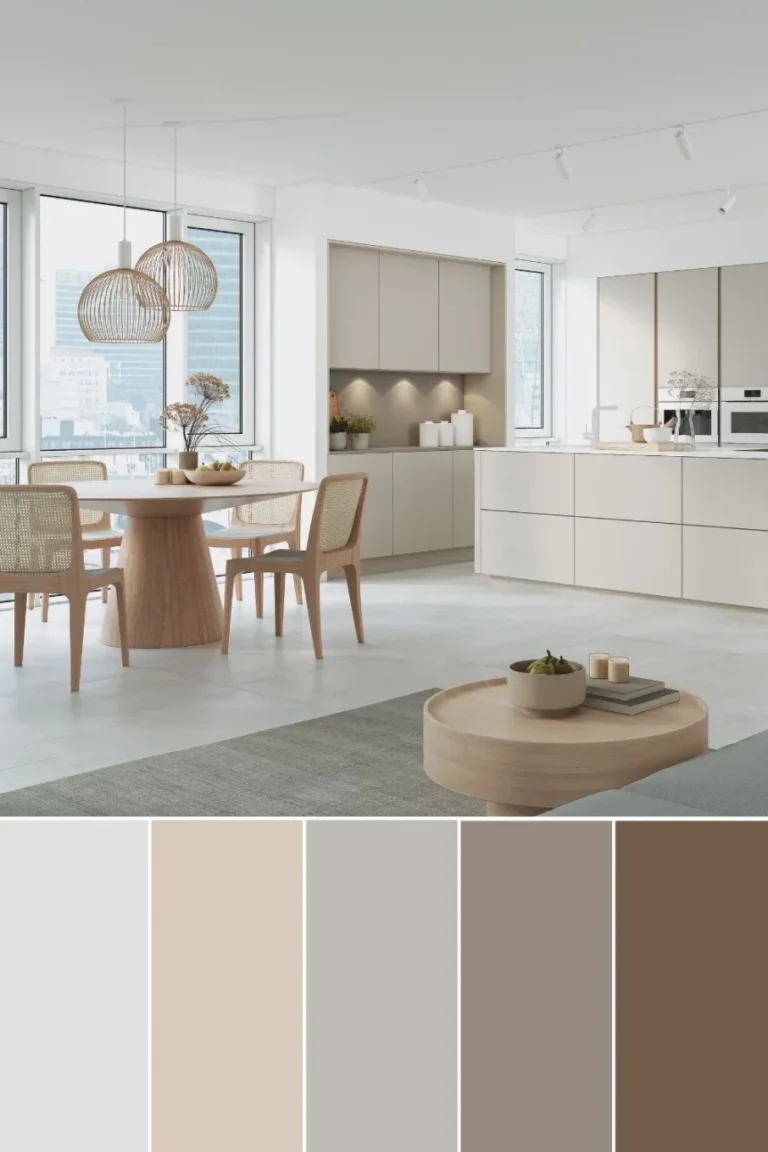
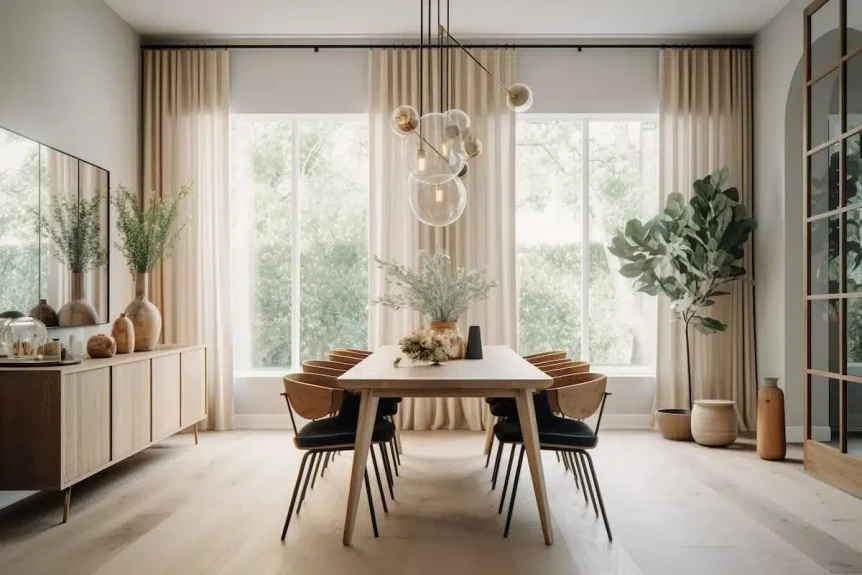
A solid wood dining table is the heart of a Scandinavian dining space. Round tables work beautifully in smaller rooms and encourage conversation. Rectangular tables with gently rounded edges suit larger spaces. Look for quality construction in oak, ash, or teak. The table should be comfortable to sit at for hours, which is exactly how Scandinavians use them.
Dining tables are the third major investment piece, alongside the sofa and the bed. The wood matters here more than almost anywhere else, because the table sees daily wear from plates, glasses, hot dishes, and constant cleaning. Solid wood develops patina that looks beautiful over time. Veneered tables show every scratch and stain immediately. For more guidance on selecting the right one, our dining table buying guide covers materials, sizing, and what to look for.
Dining Chairs
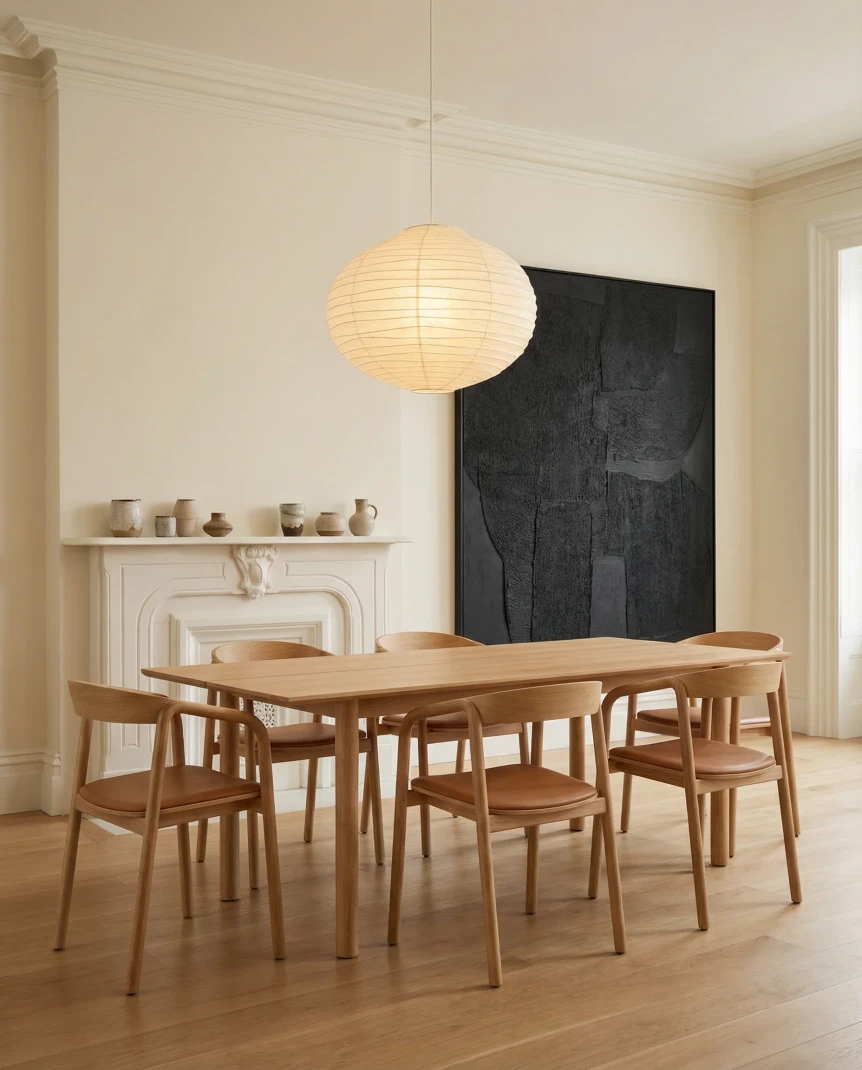
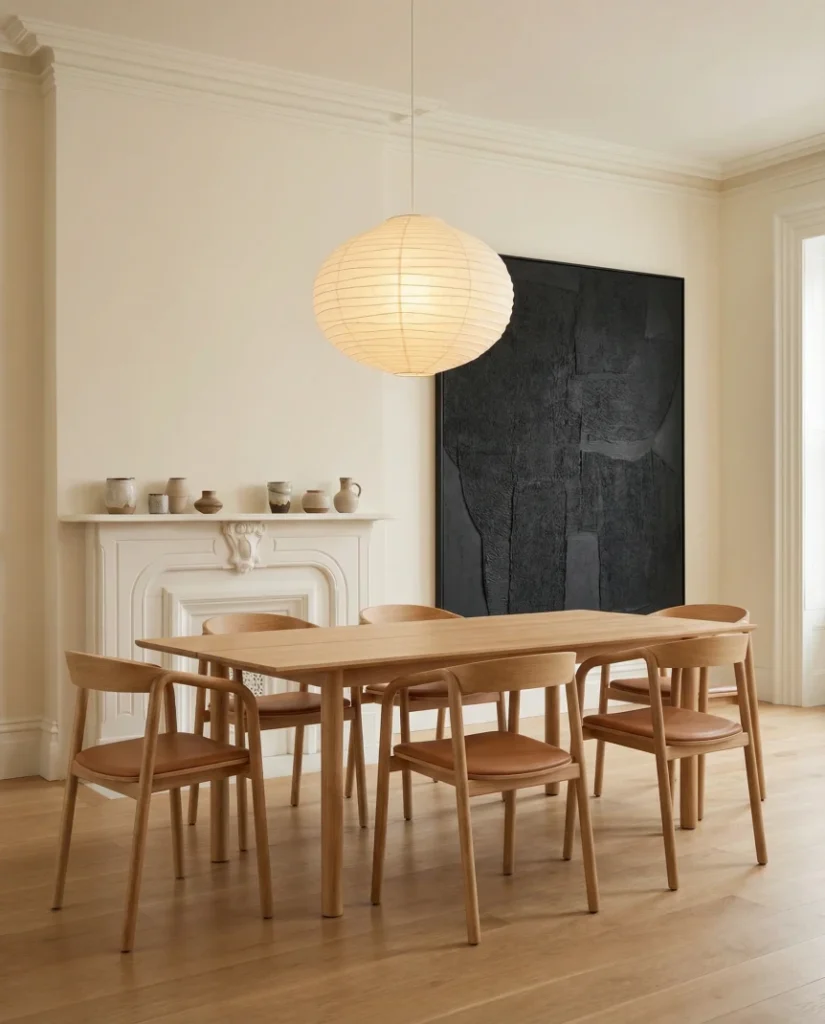
Wooden dining chairs with clean lines and ergonomic curves are the standard. Classic Danish chairs with woven paper cord or leather seats, simple wooden chairs, or upholstered dining chairs with slim wood frames all work. Matching chairs create visual order. Mismatched chairs within the same general style add character. Mismatched chairs are one of my favorite Scandinavian moves. They look intentional and personal in a way that matched dining sets never quite achieve. They also tend to be more comfortable, because each person can choose their preferred chair, and they’re often more affordable than buying a full matching set.
Pendant Lighting
Though not strictly furniture, a pendant light hung above the dining table is essential. Paper lantern pendants, simple metal shades, and woven rattan fixtures all work. The light should hang low enough to create atmosphere without blocking sight lines across the table. The standard hanging height is roughly 30 to 36 inches above the table surface. Too high and the fixture loses presence. Too low and it blocks the people on the other side.
Materials and Construction
Light Wood
Oak is the most common wood in Scandinavian furniture, followed closely by ash, birch, beech, and pine. All are light in color and show beautiful grain patterns. Finishes should be natural: oil, wax, or matte lacquer that lets the wood itself be the star. Avoid heavy stains or glossy finishes that hide the wood’s character. Oil and wax finishes also age better than lacquer. They develop richer color over the years and can be touched up easily if scratched. Lacquer looks great when new but yellows over time and can’t be repaired without refinishing the entire surface.

Leather
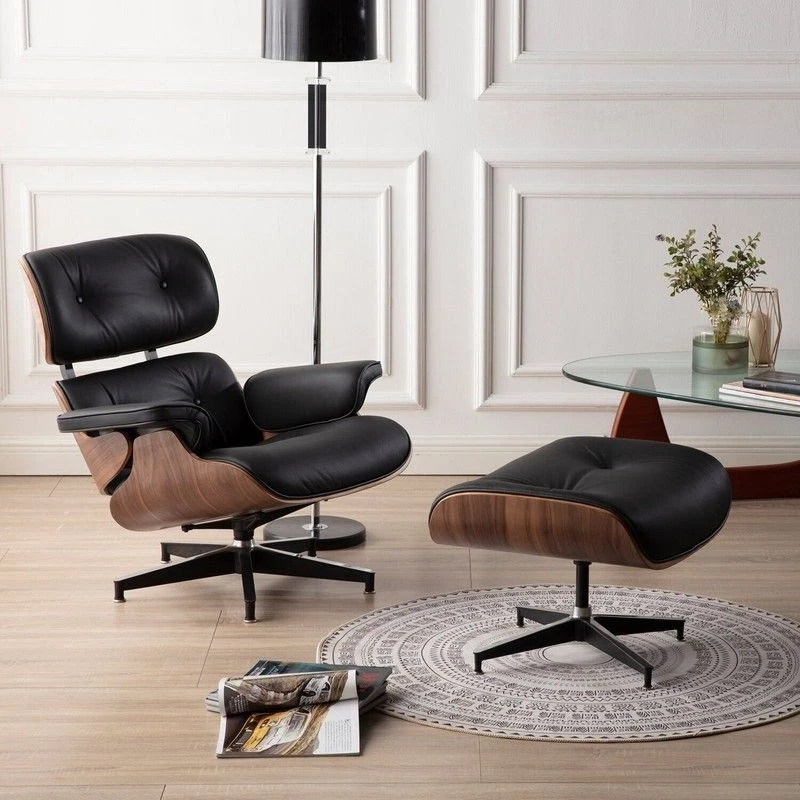
Natural leather, especially in tan, brown, or black, appears in Scandinavian chairs, sofas, and accents. Look for full grain leather that will develop character with age. Vintage leather pieces with visible patina are highly valued. A specific note from years of selling leather: full grain is dramatically different from “genuine leather,” which is usually a thin layer of leather glued to a synthetic backing. Full grain ages beautifully. Genuine leather peels and cracks within a few years. The price difference is significant, but so is the lifespan. A full grain leather chair lasts decades. Genuine leather rarely makes it past five years of daily use.
Textiles
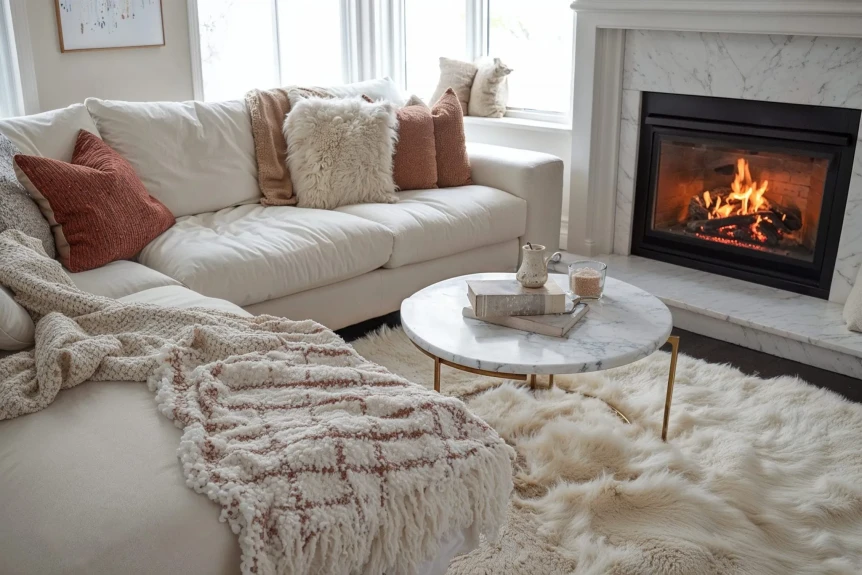
Linen, cotton, wool, and sheepskin are the standard Scandinavian textiles. They feel natural, wear well, and look beautiful in solid neutral tones. Wool felt, chunky knit wool, and linen blends are particularly common on cushions, throws, and upholstered furniture. Natural fibers also breathe and regulate temperature in ways synthetics don’t. A linen cushion stays cool to the touch. A polyester one warms up uncomfortably within minutes. This is part of why Scandinavian rooms feel different from rooms styled the same way with synthetic textiles. The materials behave differently on your skin.
Metal
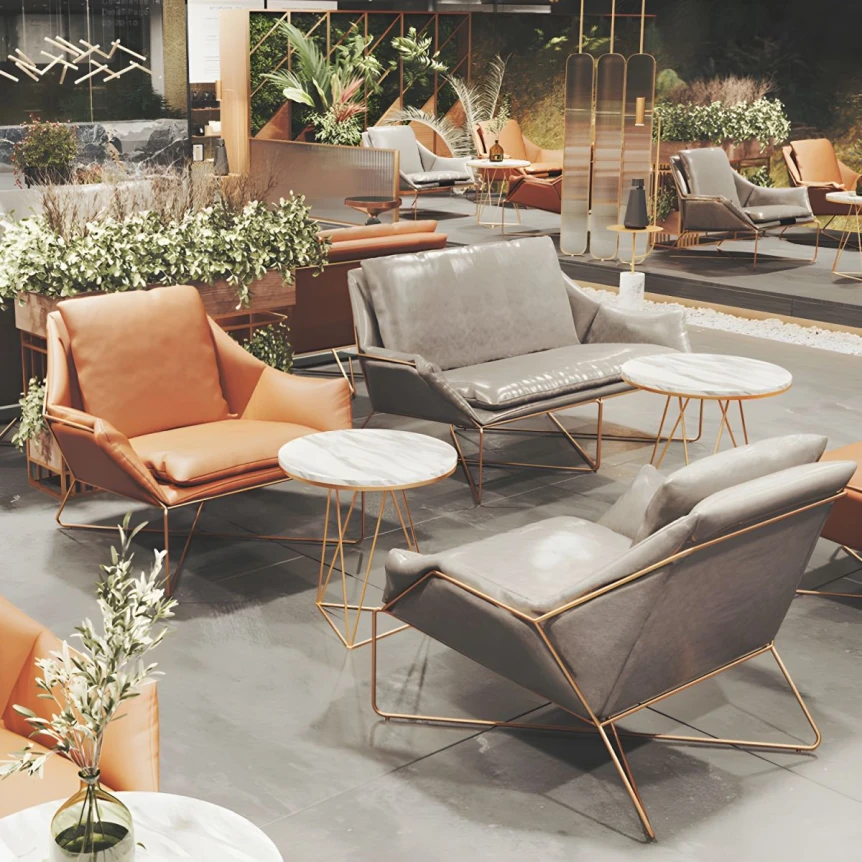
Metal in Scandinavian furniture tends to be understated. Simple steel legs on dining chairs, brass hardware, or small metal accents on wooden pieces. Black powder coated metal also appears in more contemporary Scandinavian designs. The metal should serve the function rather than dominate the design. If a piece is mostly metal, it’s probably not Scandinavian, no matter what it’s marketed as.
For coordinating these materials with your chosen palette, see our Scandinavian color palettes guide.
Where to Source Scandinavian Furniture
This was one of the most common questions I got from customers. The honest answer is that no single source works for everything. The best Scandinavian homes I helped customers furnish almost always combined pieces from multiple sources at different price points.
Mainstream Retailers
Many mainstream retailers now carry Scandinavian inspired collections at accessible prices. While these pieces may not have the craftsmanship of vintage designs, they can serve as solid foundations. Look for solid wood construction, simple forms, and neutral upholstery. The five point quality check above applies here too. Mainstream brands vary wildly in quality, sometimes within the same store. Inspect each piece individually rather than trusting the brand reputation.
Authentic Scandinavian Brands
Brands based in Scandinavia or specializing in Scandinavian design offer higher quality pieces that reflect the style’s values. Many still produce pieces designed by mid century masters alongside contemporary designs. These are investments, but the quality justifies the cost for key pieces like sofas, dining tables, and beds. The difference between a $400 sofa and a $2,500 Scandinavian sofa shows up in year five, not in the showroom. The cheap sofa needs replacing. The investment piece is just hitting its stride.
Vintage Mid Century Finds
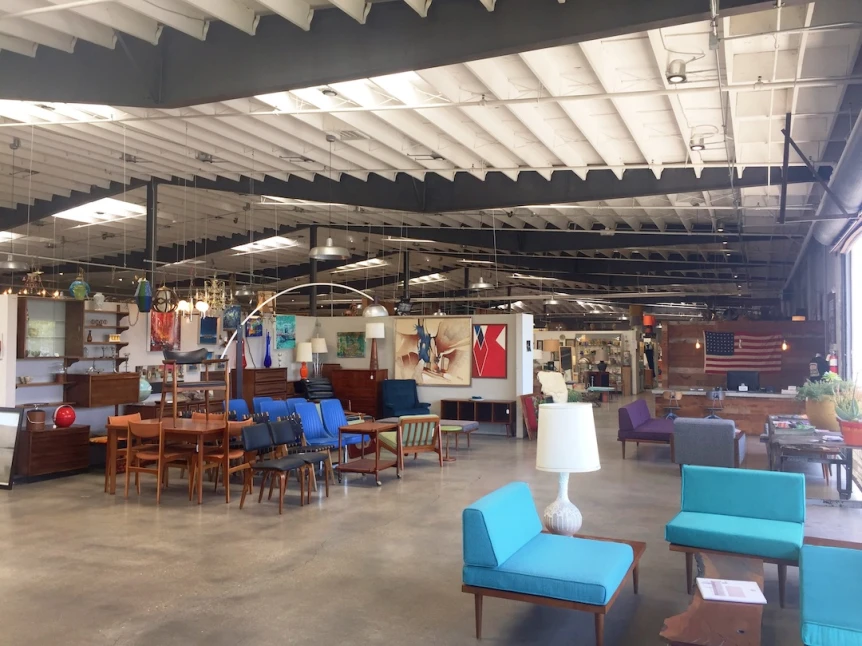
Vintage Scandinavian furniture from the 1950s through 1970s often offers the best combination of authenticity, quality, and value. Estate sales, specialty vintage shops, and online resale platforms are the best places to look. A vintage teak credenza or a classic Danish chair can anchor an entire room and cost less than a comparable new piece. Quality vintage Scandinavian pieces are often dramatically undervalued at general estate sales, especially compared to specialty mid century shops where prices reflect the market.
What to Prioritize
Invest more in the pieces you use most: the sofa, the dining table, and the bed frame. These affect your daily comfort and visibility most. Save on accent pieces, smaller storage, and decorative items by sourcing them from more affordable retailers or vintage shops. Mixing high and low often produces the best results. This was my standard advice to every customer: spend on what you sit on, sleep on, and eat at. Save on everything else. The pieces you interact with daily reward investment. The pieces you mostly walk past don’t.
Mixing Iconic and Contemporary
You don’t need to fill a room with iconic designer pieces to achieve the Scandinavian look. One or two authentic mid century pieces can anchor a room of newer, more affordable furniture beautifully. A Wegner chair paired with a contemporary linen sofa, or a vintage teak sideboard in a room with newer pieces, creates the layered, collected look that feels authentic to the style.
The key is consistency in form and color. Older and newer pieces can coexist if they share clean lines, light wood tones, and the general Scandinavian aesthetic. The pairing that works best in my experience is one strong vintage piece (a chair, a credenza, a side table) surrounded by simpler, less expensive contemporary furniture. The vintage piece anchors the room and provides character. The contemporary pieces fill out the space without competing for attention.
Arranging Scandinavian Furniture
Scandinavian arrangements tend to be relaxed and human scaled. Pull furniture inward from walls to create intimate conversation areas. Use rugs to define zones in larger spaces. Leave generous clearance around furniture so each piece has room to breathe. Avoid overcrowding, which works against the openness and light the style values. The empty space between pieces is what makes the pieces themselves look more intentional. This is one of the hardest principles for people to embrace because it goes against the instinct to fill a room. Trust the empty space. It’s working harder than you think.
For more on decor that complements these furniture choices, visit our guide to hygge and our comparison of Scandinavian vs. Nordic vs. Scandi boho.
Conclusion
Scandinavian furniture is about substance, comfort, and quiet beauty. Choose pieces with honest materials, thoughtful construction, and forms that make you want to sit down and stay. Invest more in the items you use daily and source the rest carefully. Mix iconic designs with modern reproductions. And remember that furniture in a Scandinavian home isn’t just decoration. It’s meant to be lived with, used, and loved. Of all the customers I helped over the years, the ones who built the best Scandinavian homes were the ones who slowed down and bought fewer, better pieces over time, rather than trying to furnish an entire house in a single weekend. Patience pays off in this style more than almost any other.
For the full picture of Scandinavian design, visit our complete guide to Scandinavian interior design.
Frequently Asked Questions
What makes furniture Scandinavian?
Scandinavian furniture features clean lines softened by gentle curves, light wood construction (oak, ash, birch), natural upholstery in linen, cotton, wool, or leather, and ergonomic comfort built into the form. Quality craftsmanship with visible joinery and honest finishes is valued over ornament or decoration. The pieces are approachable and human scaled.
What wood is most common in Scandinavian furniture?
Oak is the most popular, followed by ash, birch, beech, and teak. All are light in color and have beautiful grain patterns. Natural finishes like oil, wax, or matte lacquer that let the wood’s character show through are preferred over heavy stains or glossy lacquers.
Do I need iconic designer pieces for a Scandinavian home?
No. While mid century designer pieces like the Wegner Wishbone chair or Aalto stool are beautiful, they’re not required. You can achieve the Scandinavian look with more affordable modern reproductions or simpler pieces from mainstream retailers. Mixing one or two authentic vintage pieces with newer furniture often produces great results.
Where can I buy Scandinavian furniture?
Mainstream retailers offer Scandinavian inspired collections at accessible prices. Authentic Scandinavian brands make higher quality pieces that reflect the style’s values. Vintage shops, estate sales, and online resale platforms are excellent for authentic mid century designs. Invest more in pieces you use daily like the sofa, dining table, and bed.