Scandinavian vs. Nordic vs. Scandi Boho: What’s the Difference?

By Tereza Hower | Published May 8, 2026 | Updated May 6, 2026
These three styles share so much common ground that people often use the terms interchangeably. In casual conversation, that’s usually fine. In practice, each one has its own personality, and understanding the differences helps you choose the right approach for your home. Scandinavian, Nordic, and Scandi boho all value natural materials, light palettes, and comfortable living, but they express these values in distinct ways.
This question came up constantly at Hower Furniture. Customers would walk in saying they wanted a “Scandinavian” home, then describe rooms full of plants, macrame, and vintage finds (which is actually Scandi boho). Or they’d ask for “Nordic” and describe something closer to clean modern Scandinavian. The terms get blurred in popular usage, but the differences matter once you start making actual decisions about furniture and decor. This guide breaks down what separates these three related styles, shows where they overlap, and helps you decide which variation fits your space and your taste.
The Shared Foundation
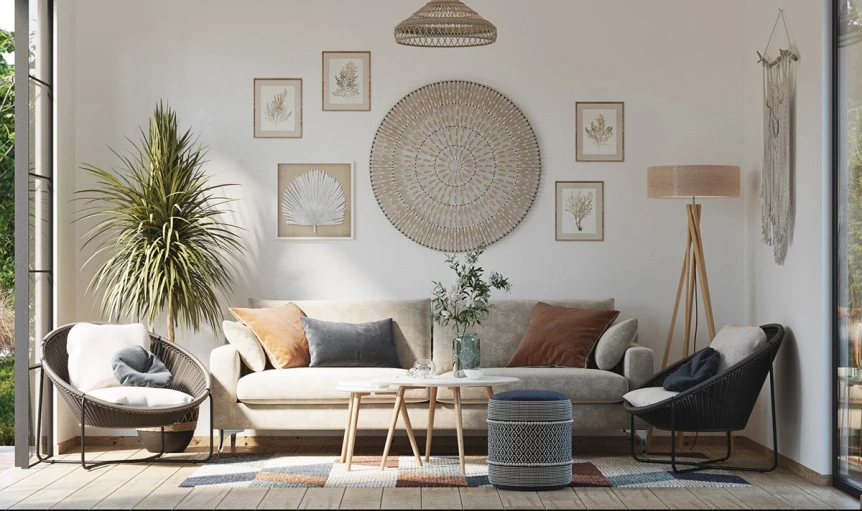
All three styles share a common base. They value natural materials, especially light wood, linen, wool, and cotton. They favor restrained color palettes built around warm neutrals. They prioritize function, comfort, and cozy atmosphere. They all trace their roots to Nordic design traditions and the concept of hygge.
The differences come down to how much restraint each style embraces, how much color and pattern is welcome, and what kind of atmosphere each one creates. Once you understand that, choosing between them becomes less about labels and more about how you actually want your home to feel. For the foundational principles that all three share, our complete guide to Scandinavian interior design covers the ground.
What Is Scandinavian Style?
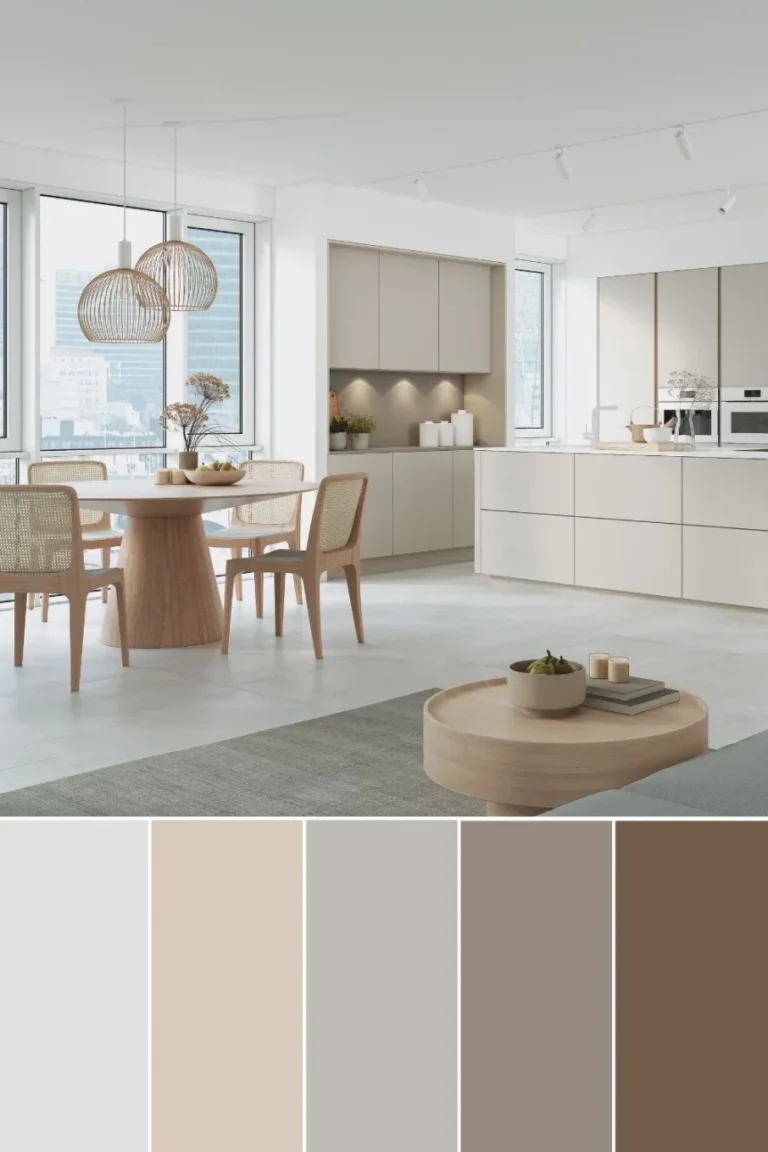
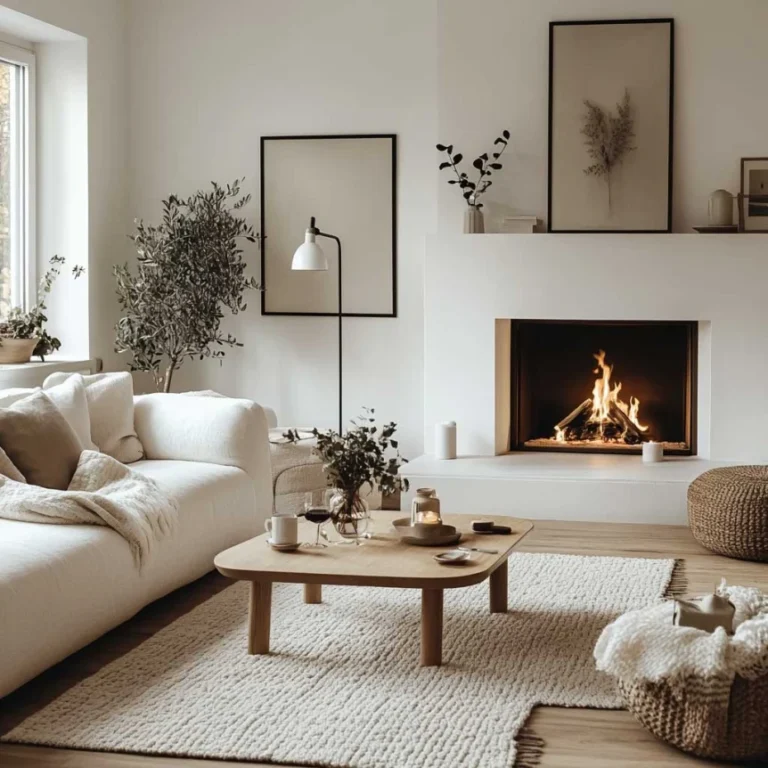
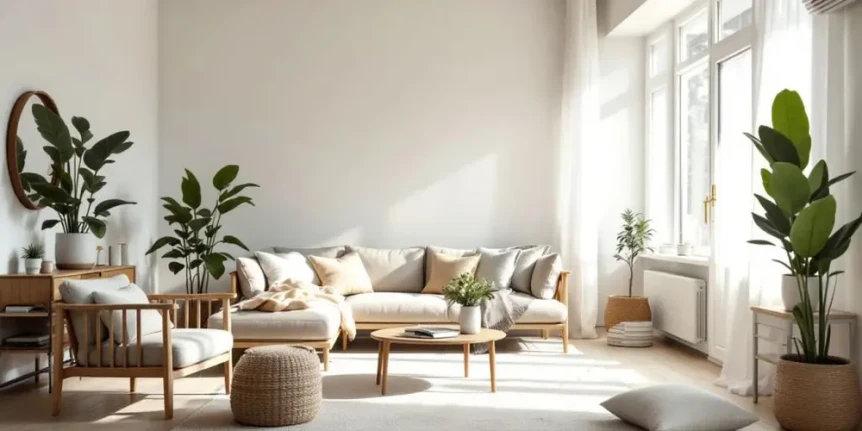
Scandinavian style is the baseline for this family of design. It emerged in the Nordic countries during the early to mid 20th century and was shaped by the democratic design movement, long dark winters, and a cultural emphasis on craftsmanship. It balances simplicity with comfort, using light wood, soft textiles, and layered lighting to create bright, welcoming rooms.
Scandinavian Characteristics
Light wood furniture, typically oak, ash, or birch. Warm white walls. Soft neutral upholstery in linen, cotton, or wool. A tight color palette with occasional muted accents. Layered textiles for warmth. Multiple light sources. A few plants. Personal but not cluttered. The overall feel is bright, calm, and genuinely comfortable.
When Scandinavian Works
Scandinavian style is the most versatile of the three, working in almost any home and with almost any architecture. It’s the safest choice if you want the essential Nordic aesthetic without leaning too far in any particular direction. It’s also the easiest to live with long term. The other two variations can shift in and out of fashion, but classic Scandinavian has stayed essentially unchanged for sixty years and shows no signs of dating. For complete guidance, see our Scandinavian living room ideas and Scandinavian bedroom ideas guides.
What Is Nordic Style?
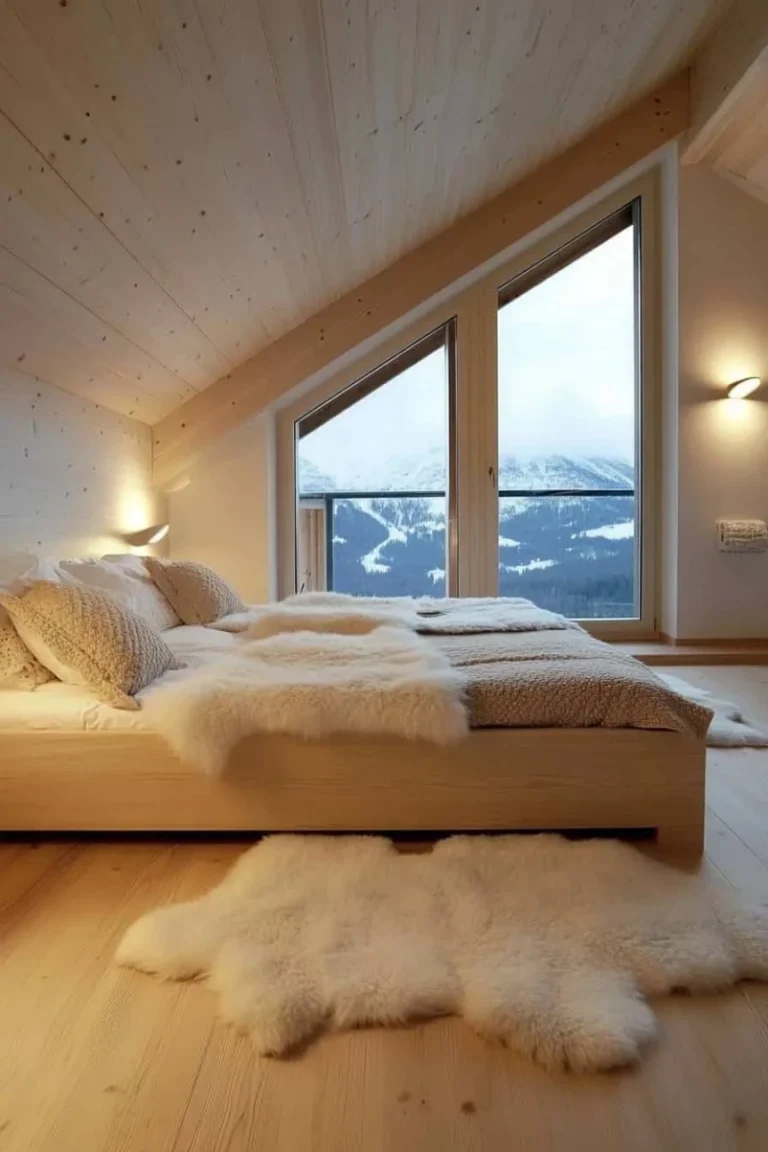
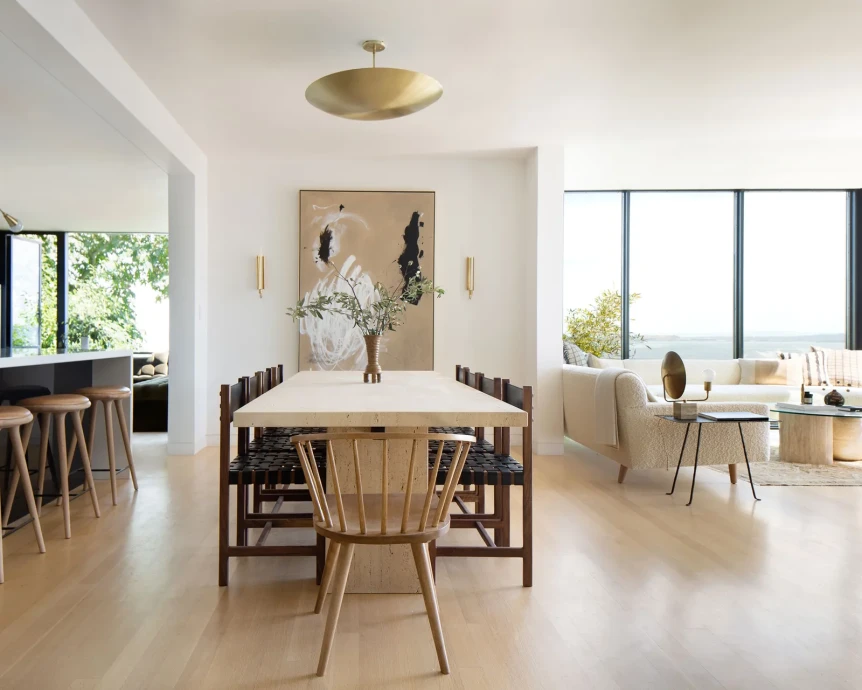
Nordic design is a broader term that technically includes Scandinavian (which is a subset of Nordic design from Denmark, Sweden, and Norway). In practice, “Nordic” often refers to a slightly more rustic, traditional, and sometimes darker version of the broader style. It draws more from Finnish and rural Scandinavian influences, and it often includes more weathered materials and a cozier, more lived in quality.
Nordic Characteristics
More varied wood tones, including medium and darker woods alongside light ones. Slightly moodier color palettes, with darker walls sometimes featured. More traditional or handcrafted furniture. Heavier textiles like wool, fur, and leather. Rustic touches like exposed beams or stone accents. A slightly more old world, lived in feeling compared to the cleaner look of Scandinavian.
When Nordic Works
Nordic style suits older homes, cabins, rural properties, and anyone who wants more warmth and character than pure Scandinavian style provides. It’s especially effective in homes with existing architectural features like exposed beams, brick fireplaces, or stone walls. The fastest way to know if Nordic is right for your home: walk through it and notice the bones. If the architecture itself has character (older woodwork, original details, anything not entirely modern), Nordic will compound that character. If your home is a clean modern apartment with no architectural texture, Nordic will feel forced and pure Scandinavian is usually the better fit.
What Is Scandi Boho Style?
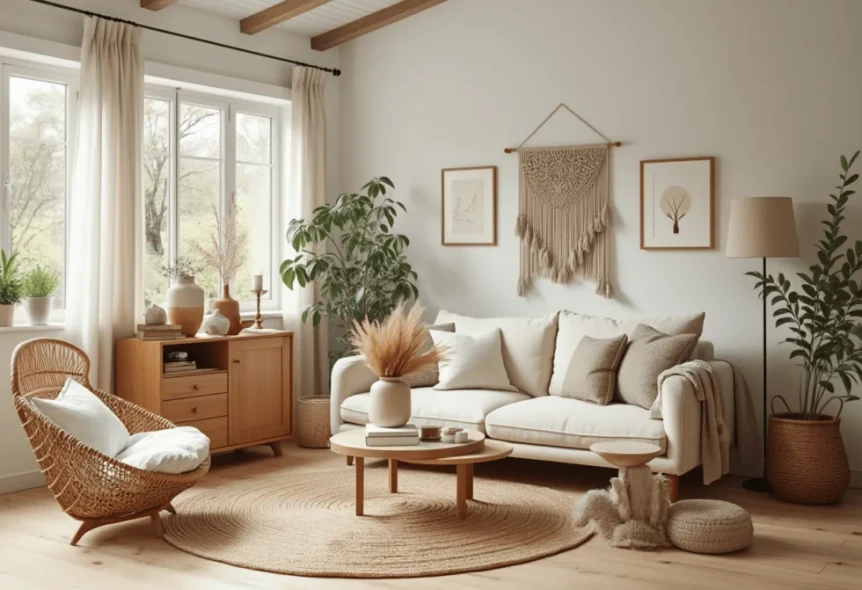
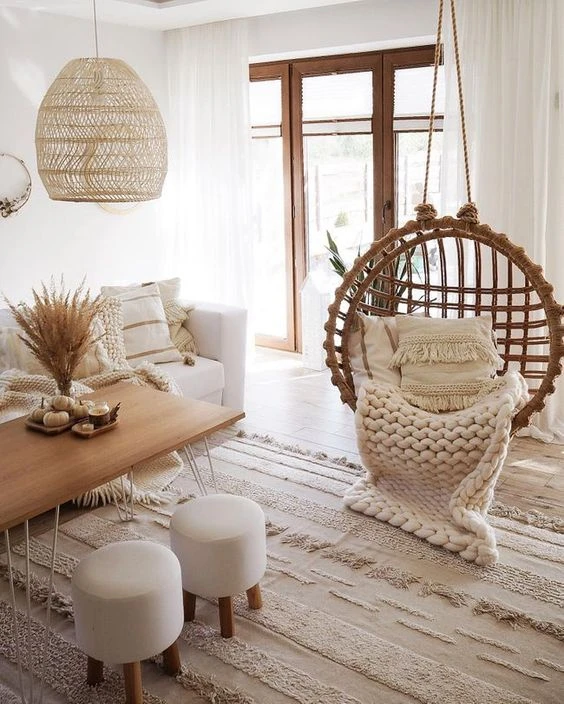
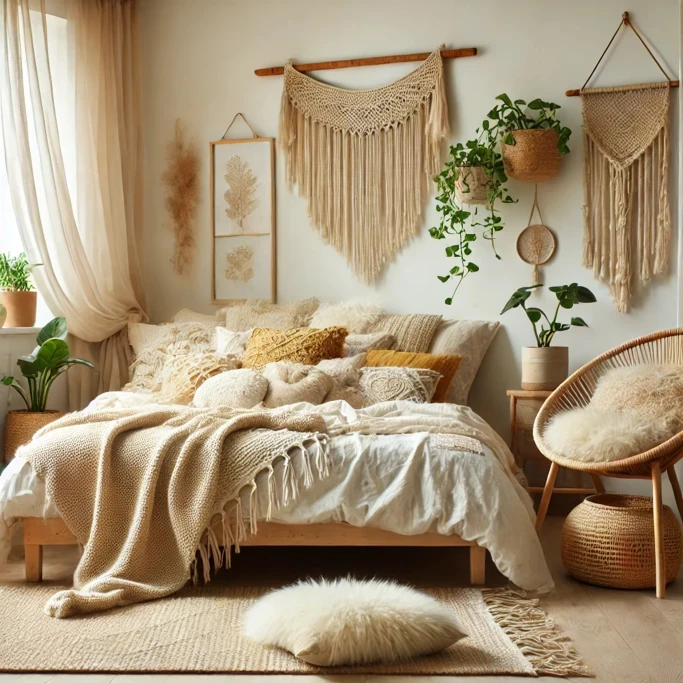
Scandi boho (sometimes called Bohemian Scandinavian or Scandi bohemian) blends Scandinavian simplicity with bohemian layering and eclectic flair. It keeps the light palette and natural materials of Scandinavian design but adds more textiles, patterns, plants, global influences, and vintage pieces. The result is a softer, more personal, more layered take on the style.
Scandi Boho Characteristics
Light base palette with more color and pattern layered on top. Mixed textiles including woven throws, fringed pillows, and patterned rugs. Plants everywhere, often trailing from shelves and hanging from the ceiling. Rattan and wicker accents alongside light wood. Macrame, woven wall hangings, and handcrafted touches. Vintage finds mixed with newer pieces. The overall feel is cozy, eclectic, and noticeably more decorative than pure Scandinavian.
When Scandi Boho Works
Scandi boho suits people who love the Scandinavian palette and natural materials but want more visual interest, more personality, and more freedom to collect and display. It’s popular in apartments and starter homes where the relaxed, layered approach feels welcoming and practical. The honest truth about Scandi boho: it requires more decorating skill than people expect. The “casual collected” look is harder to pull off than the disciplined Scandinavian look. Customers who tried Scandi boho and ended up with rooms that felt cluttered usually had the right ingredients but no editing eye. If you’re not confident curating, start with classic Scandinavian and slowly add boho elements over time rather than committing to the full layered look from day one.
Side by Side Comparison
Color Palette
- Scandinavian: Warm whites, light wood, soft neutrals, occasional muted accents
- Nordic: Warmer whites, medium to dark wood, deeper earth tones, moodier accent colors
- Scandi boho: Light base with more color through textiles, including dusty pink, sage, terracotta, and warm rust
Wood Tones
- Scandinavian: Primarily light woods like oak, ash, and birch
- Nordic: Mix of light, medium, and dark woods with more variety in tone
- Scandi boho: Light woods plus rattan, bamboo, and wicker elements
Textiles
- Scandinavian: Simple, tight edit. Linen, wool, and cotton in solid neutral tones
- Nordic: Heavier materials like wool, fur, and leather. Traditional patterns occasionally welcome
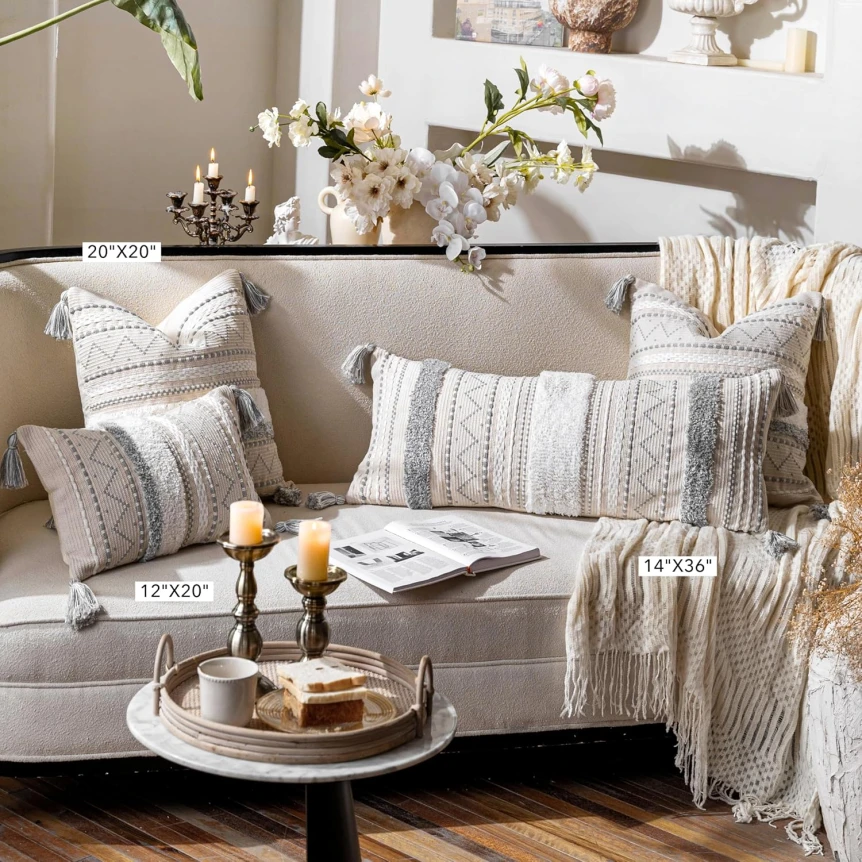
- Scandi boho: Layered and varied. Woven throws, fringed pillows, patterned rugs, and tactile blankets in multiple tones
Decor and Personality
- Scandinavian: Restrained, curated. A few meaningful pieces, one or two plants, simple wall decor
- Nordic: More traditional and handcrafted. Vintage pieces, rustic touches, slightly more collected
- Scandi boho: Layered and eclectic. Many plants, macrame, global influences, vintage finds, and personal collections
Overall Atmosphere
- Scandinavian: Bright, clean, comfortable
- Nordic: Cozy, lived in, slightly moodier
- Scandi boho: Warm, relaxed, personal, and softly eclectic
Which Style Suits Your Space?
The honest answer is that most people have a clearer sense of which style fits than they realize. Walk through your home and ask yourself which of the three best matches what you’re already drawn to in the rooms you love. Almost everyone has a natural preference. Trying to force a different style than the one that genuinely fits you leads to homes that look right but never quite feel right.
Choose Scandinavian When
You want a bright, calm, contemporary look that works in any home. You appreciate clean lines and a tight palette. You value comfort but don’t want the room to feel overly busy or traditional. You’re starting from scratch or want a versatile base you can adjust over time. This is also the right choice if you’re not entirely sure which version you want. Scandinavian is the easiest to add to or shift away from later, because it’s the cleanest baseline. For more on this approach, see our Scandinavian furniture guide.
Choose Nordic When
You live in an older home with traditional features. You want more warmth and character than pure Scandinavian offers. You’re drawn to handcrafted or rustic touches. You don’t mind a slightly moodier palette or darker wood tones. Your home has a fireplace, exposed beams, or other architectural elements that suit a cozier style. Nordic also tends to suit colder climates better than Scandi boho. The heavier textiles and warmer materials make sense in homes that genuinely need them most of the year.
Choose Scandi Boho When
You love the Scandinavian palette but want more color, pattern, and personality. You enjoy plants, vintage finds, and layered textiles. You collect handcrafted objects and want to display them. You’re comfortable with a more relaxed, eclectic look that still feels calm and intentional. You want a home that feels unmistakably personal. Scandi boho also tends to suit younger homes (apartments, first homes, rental spaces) where the relaxed approach matches the more flexible lifestyle of those spaces.
Combining the Styles
You don’t have to commit to just one approach. Many homes blend elements of two or all three. A Scandinavian base can easily accommodate Nordic touches like a vintage wool rug or a darker wood accent piece. The same base can lean toward Scandi boho through added plants, macrame, and layered textiles.
The key is consistency in the underlying palette and materials. All three styles share warm whites, light wood, natural fabrics, and hygge atmosphere. Stay within those parameters and you can borrow freely from whichever variation appeals to you. The most successful homes I helped customers design rarely fit neatly into one of the three categories. They were almost always 70 percent one style with deliberate borrowed elements from the others. That’s how real homes evolve over time, and it usually produces better results than rigid commitment to a single label. For more on creating the right feeling, see our guide on what is hygge and how to bring it home.
Room by Room Recommendations
Living Room
All three styles work in living rooms. Scandinavian is the cleanest. Nordic adds warmth for cozier evenings. Scandi boho creates the most personal, collected feel. Choose based on how you want the room to feel day to day. The living room is also the room where mixing styles tends to work best, because it’s a public, gathering space that benefits from layered character.
Bedroom
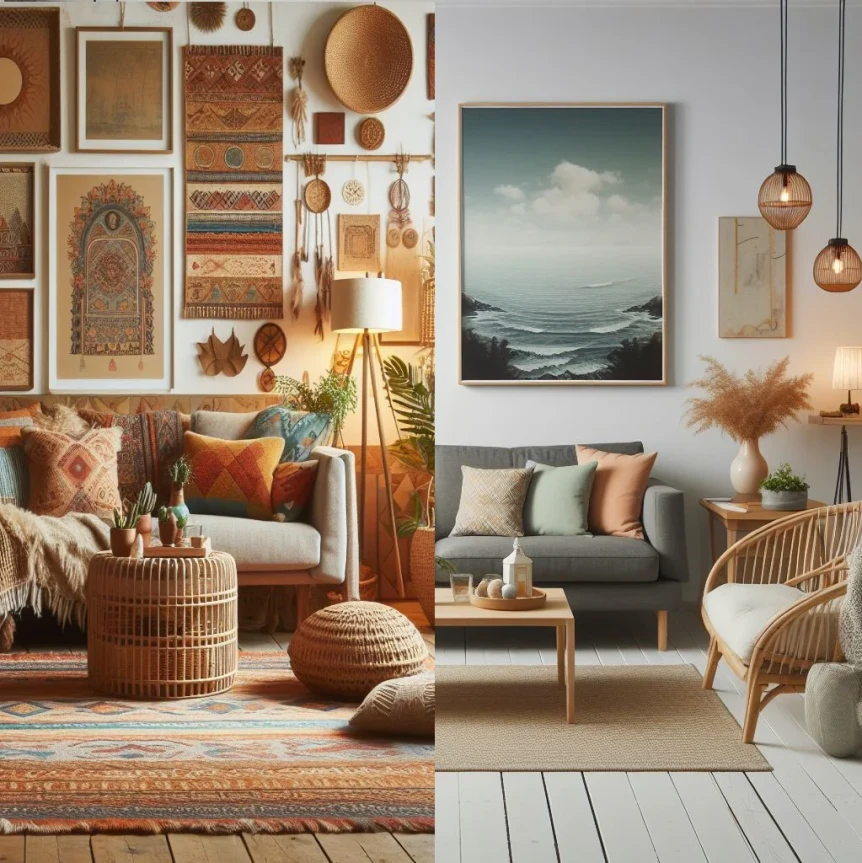
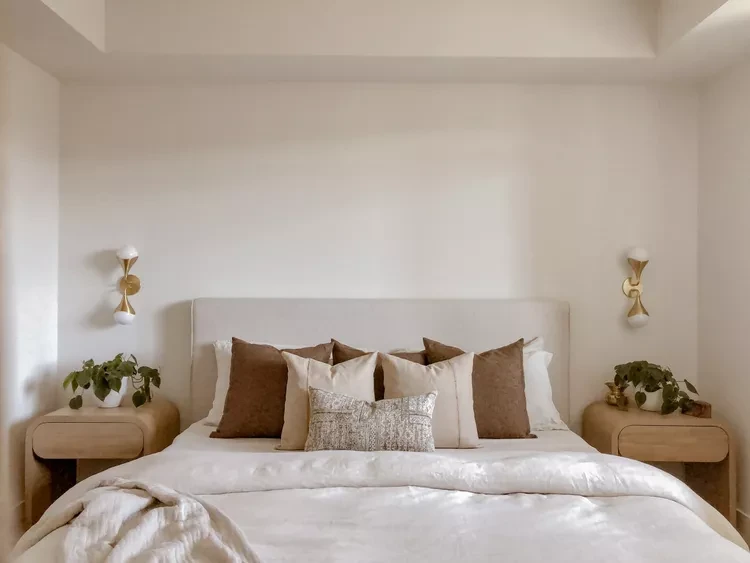
Scandinavian bedrooms are calm and restful. Nordic bedrooms add more texture and moodiness. Scandi boho bedrooms feel more eclectic with layered textiles and possibly a canopy of woven wall hangings or plants. All three can support good sleep when done thoughtfully. The bedroom is the room where I most often pushed customers toward the cleaner, more disciplined Scandinavian version regardless of their preferred style elsewhere. Visual calm matters more in a sleep space than in a living room or kitchen.
Kitchen and Dining
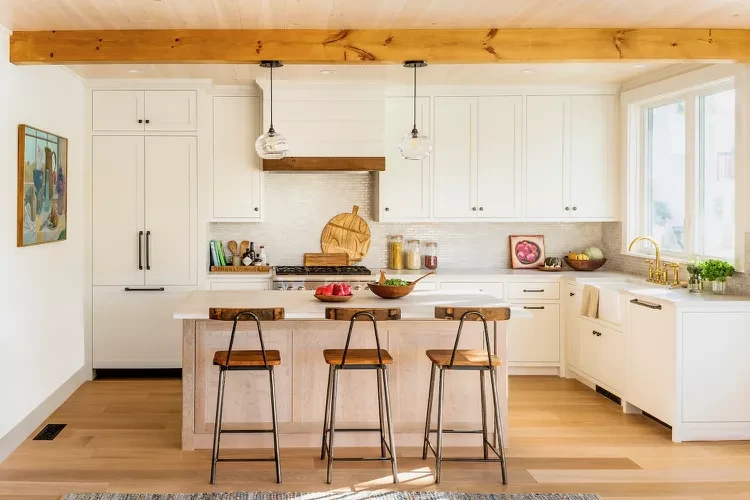
Scandinavian is the most common choice for kitchens because of its bright, functional quality. Nordic kitchens might include more traditional touches like a wood beamed ceiling. Scandi boho kitchens add plants, open shelving with displayed ceramics, and perhaps a woven pendant. See our Scandinavian kitchen ideas guide for more.
Bathroom
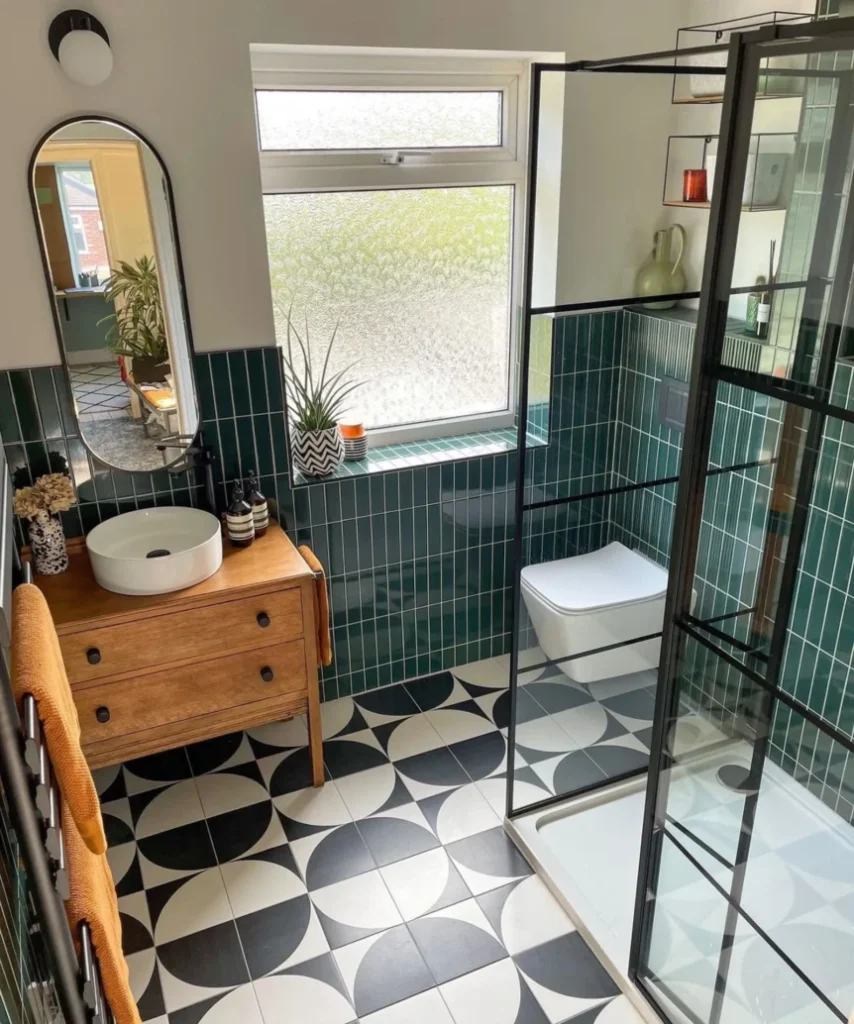
Scandinavian bathrooms feel spa like and clean. Nordic bathrooms might include wood paneling or stone for a cabin like feel. Scandi boho bathrooms add plants, woven storage, and more decorative touches.
Color Coordination Across Styles
All three styles can use the same base color palettes, which makes combining them easier than it might seem. The shared warm white walls and light wood floors mean you can shift the room’s character from Scandinavian to Nordic to Scandi boho just by changing the textiles, art, and decorative pieces. The bones stay the same. The personality changes. For palette ideas that work across variations, see our Scandinavian color palettes guide.
Conclusion
Scandinavian, Nordic, and Scandi boho are three members of the same family, each with its own personality. Scandinavian is the clean, classic baseline. Nordic adds warmth, character, and a more traditional feel. Scandi boho adds color, pattern, and eclectic personality. None is more authentic than the others. They’re all legitimate expressions of the broader Nordic design tradition.
Choose the variation that fits how you want to live, or borrow from all three to create something that’s uniquely yours. Most real homes end up doing exactly that, regardless of what label they started with. For the complete framework of Scandinavian design, visit our complete guide to Scandinavian interior design.
Frequently Asked Questions
What is the difference between Scandinavian and Nordic style?
Scandinavian style is technically a subset of Nordic design (from Denmark, Sweden, and Norway), but in interior design terms, Scandinavian usually refers to a cleaner, brighter, more contemporary look, while Nordic implies a slightly more rustic, traditional, and sometimes moodier version with darker wood tones and more handcrafted touches.
What is Scandi boho style?
Scandi boho blends Scandinavian simplicity with bohemian layering. It keeps the light palette, natural materials, and clean lines of Scandinavian design but adds more color, pattern, textiles, plants, and vintage pieces. The result is a warmer, more personal, more eclectic take on the Scandinavian aesthetic that feels collected and relaxed.
Can I mix Scandinavian, Nordic, and Scandi boho styles?
Yes. All three share the same underlying values of natural materials, warm neutral palettes, and hygge atmosphere. You can start with a Scandinavian base and add Nordic touches like darker wood or rustic textiles, or Scandi boho elements like plants and woven wall hangings. The key is staying consistent with the underlying palette and materials.
Which style is best for a small apartment?
All three work in small apartments, but pure Scandinavian is usually the most effective because its clean lines and tight palette make small rooms feel larger. Scandi boho can work but requires careful editing to avoid feeling cluttered. Nordic style works well if the apartment has architectural character that supports the slightly cozier, more traditional feel.