What Is Hygge and How to Bring It Home

By Tereza Hower | Published May 8, 2026 | Updated May 6, 2026
Hygge (pronounced hoo ga) is a Danish concept that became a global phenomenon in the 2010s. You’ve probably seen it on book covers, in magazines, and on social media, often illustrated with candles, knit blankets, and hot drinks. But hygge is more than a visual style. It’s a way of approaching daily life that values cozy contentment, simple pleasures, and genuine well being over productivity and accumulation.
This was the concept I had to explain most often to customers at Hower Furniture, and the one most often misunderstood. People came in looking to buy hygge as if it were a product, expecting that the right candle or the right wool blanket would deliver the feeling. The truth is more complicated and also more freeing. This guide explains what hygge actually means, how it shapes Scandinavian design, and how to bring the feeling into your own home through both physical details and daily habits. The good news is that you probably need fewer things than you think to make it work.

What Hygge Really Means
Hygge doesn’t have a direct English translation, which is part of why it’s so hard to define. The closest approximations are “coziness,” “well being,” or “content togetherness.” But none of these quite capture it. Hygge is the feeling of being wrapped in a blanket with a cup of tea while rain falls outside. It’s a long dinner by candlelight with the people you love. It’s sitting quietly with a book while your dog sleeps at your feet. It’s a particular kind of peace and comfort that exists in small moments of everyday life.
Hygge is also about the absence of stress. A hygge moment can’t be hurried. It requires slowing down, being present, and letting yourself enjoy whatever simple pleasure is in front of you. This is why it has resonated so strongly with people in fast paced, always on cultures. It offers a different way of thinking about what makes life good. The customers I worked with who really understood hygge were almost always people who had been through something difficult (a hard year, a major loss, a burnout) and had learned to value small moments differently. The concept lands hardest when you actually need it.
For more on the broader design philosophy that hygge informs, see our complete guide to Scandinavian interior design.
The Origins of Hygge
The word hygge comes from a Norwegian word meaning “well being,” and it has been part of Danish culture for centuries. It gained prominence partly because of Denmark’s climate. Long, dark winters make indoor comfort especially valuable, and Danish homes have long been designed around creating coziness in the face of cold and darkness outside.
In 2016, a few books about hygge became bestsellers around the world, and the concept spread rapidly. Suddenly, people everywhere were buying candles, knit blankets, and cozy slippers in pursuit of the Danish secret to happiness. While the commercial side of the hygge boom sometimes missed the point, the underlying idea struck a genuine chord. The hygge boom was actually one of the busiest periods I had at the store. People came in with magazine clippings asking for “hygge furniture” or “hygge throws,” not realizing they were asking for a feeling, not a product. Some left with the right pieces and the right understanding. Some left with the right pieces and went home expecting their living rooms to magically feel different. The first group ended up with cozy homes. The second group ended up with new throws on the same uncomfortable rooms.
Hygge in the Home
Lighting Is Everything
Lighting might be the single most important element in creating hygge at home. Harsh overhead light is the enemy. Warm, soft, layered light from multiple sources is the goal. Table lamps, floor lamps, candles, and string lights all contribute. The overall level should be dim enough to feel cozy but bright enough to function. If I had to pick one change that would do the most for the average American home, this would be it. Replace your harsh overhead bulbs with warm 2700K bulbs, add a couple of table lamps if you don’t have them, and dim everything in the evening. The room will feel like a different space within a single evening.
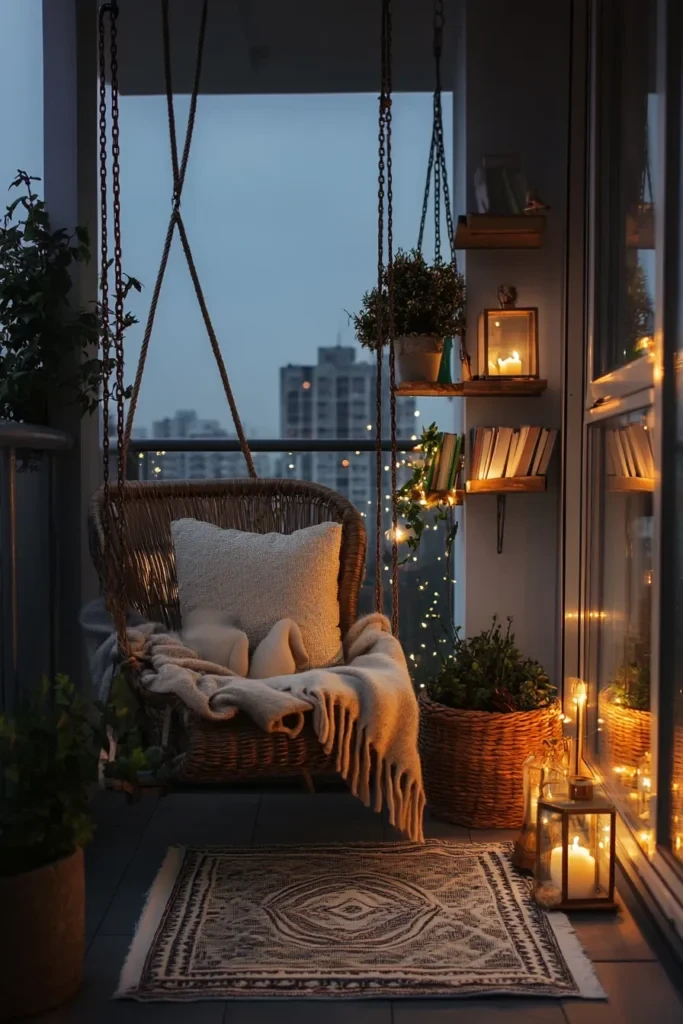
Candles deserve their own mention. Scandinavians burn more candles per person than anyone else in the world, and for good reason. The flickering warmth of candlelight creates an atmosphere that no electric bulb can match. Use candles daily, not just on special occasions. The mistake most people make with candles is saving them for guests or anniversaries. The Danish way is lighting one with your morning coffee, with a quiet evening, with dinner on a Tuesday. The whole point is making the ordinary feel a little more special.
Soft Textiles
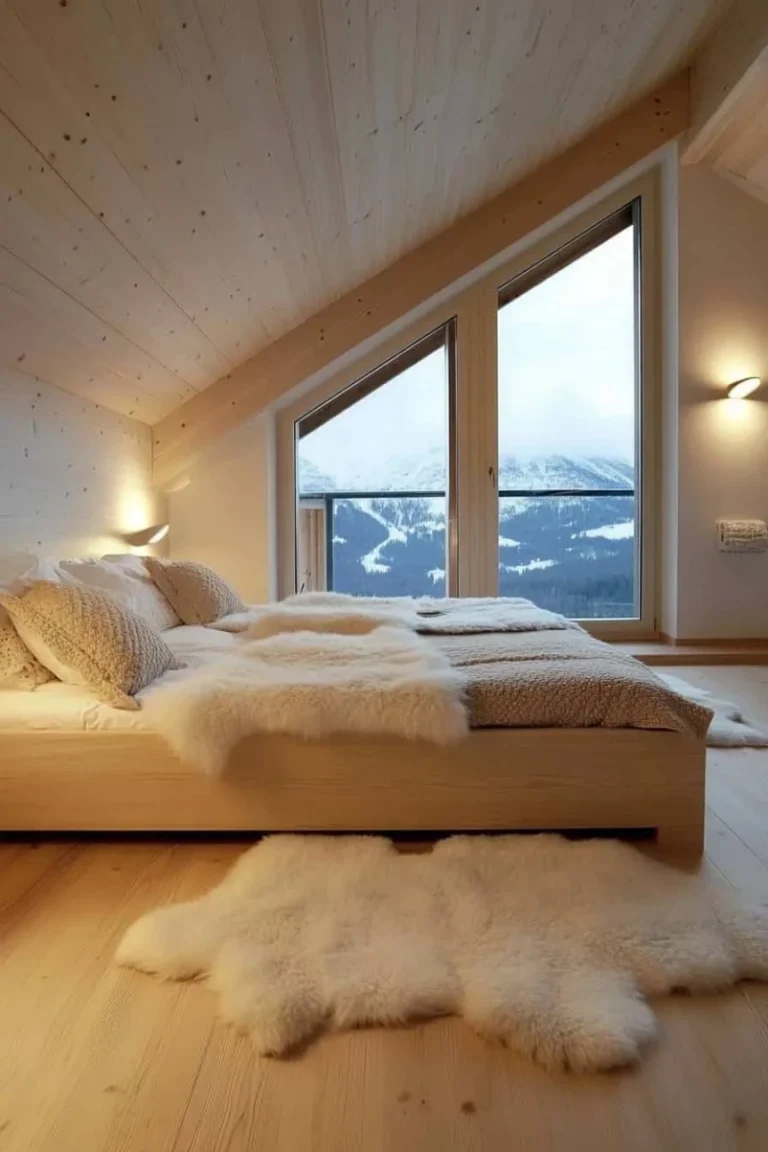
Layer your space with textiles that invite touch. Wool blankets, sheepskin throws, cotton or linen cushions, and soft rugs all contribute to the physical and visual warmth hygge depends on. The texture variety is as important as the quantity. Mix smooth linen with chunky knit wool, soft sheepskin with flat woven cotton. The hygge home isn’t about owning more textiles. It’s about owning ones you actually want to touch. A single beautiful wool throw you reach for every evening does more for hygge than five mediocre throws that just exist on the sofa.
Cozy Corners
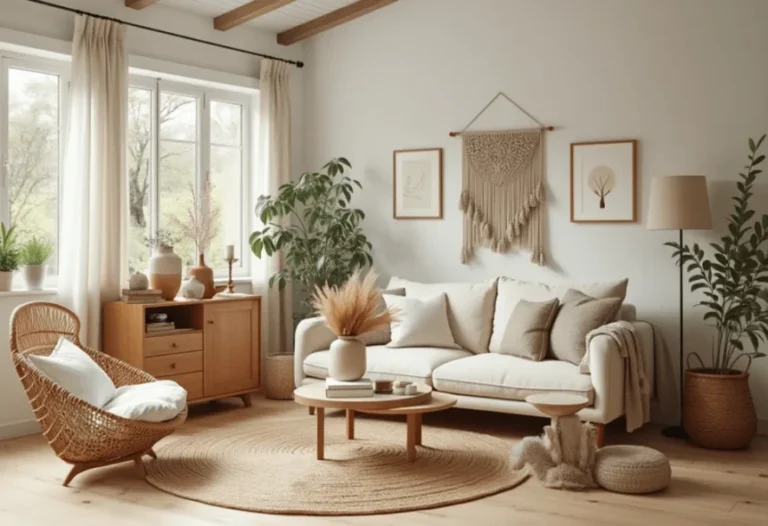
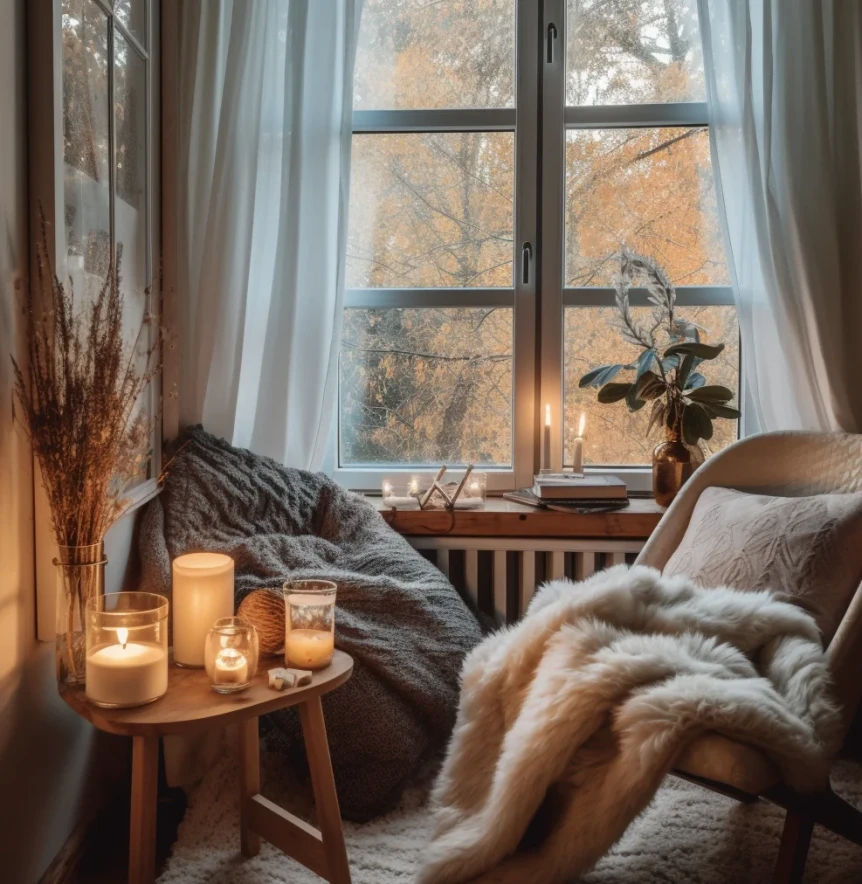
Create small areas designed specifically for hygge moments. A reading chair beside a window with a floor lamp and a basket of throws. A window seat piled with cushions. A corner of the sofa with easy access to a side table for your drink and your book. These designated cozy zones make it easier to slow down when you have the time. The reading corner was probably the single design element I recommended most often, and the one that customers consistently came back to thank me for. Having a specific spot for slow moments makes you more likely to actually have them. Without a designated space, those moments tend to get squeezed out by the rest of the house’s busier zones.
Natural Materials
Wood, wool, cotton, linen, stone, and ceramic all feel more hygge than plastic, metal, or synthetic surfaces. The natural materials connect you to something older and more grounding. Wooden furniture, linen curtains, ceramic mugs, and wool throws all reinforce the feeling of genuine comfort. There’s something about the way natural materials age that synthetic ones can’t replicate. Wood develops patina. Linen softens with washing. Wool gets cozier with use. The hygge home is one that gets better over years, not one that has to be replaced every few seasons because the synthetic materials wore out.

Warmth, Literally
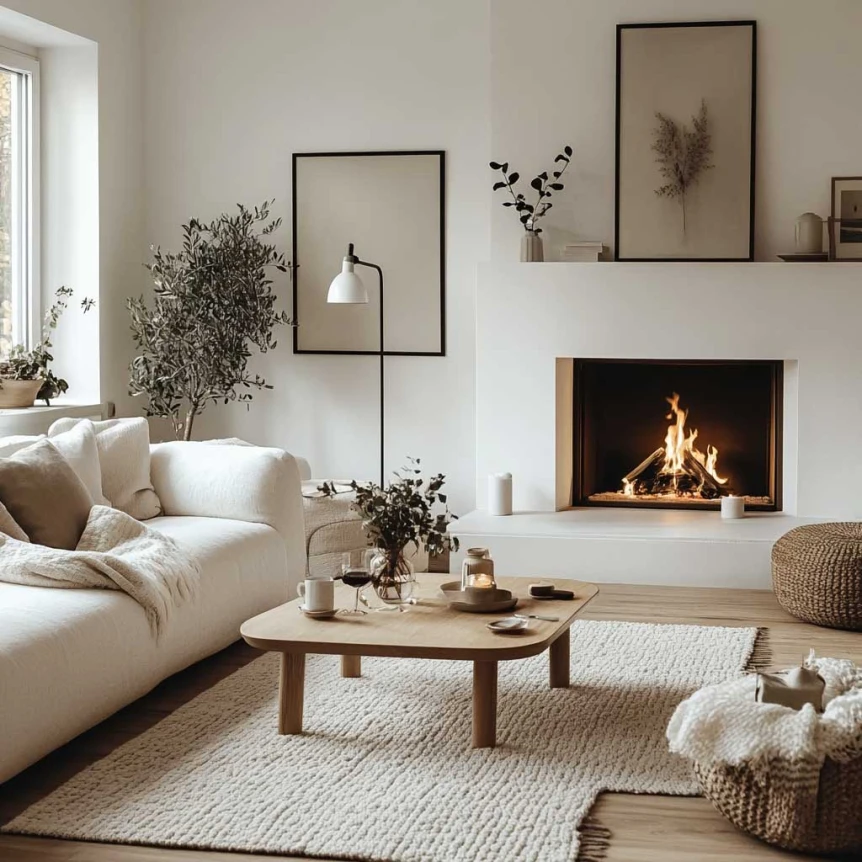
Physical warmth matters. A fireplace, if you have one, is the ultimate hygge feature. If not, a small electric heater, heated flooring in bathrooms, or even just generous use of blankets and slippers can create the physical warmth that supports hygge. Don’t underestimate how much temperature affects how cozy a room feels. A slightly cool room with a heavy throw and a hot drink in your hands feels more hygge than a perfectly warm room without any of those things. The contrast is part of what makes the moment feel like a moment.
Hygge Rituals and Habits
Hygge isn’t just about how your home looks. It’s also about what you do in it. The physical environment supports hygge moments, but the moments themselves come from habits and rituals. This is the part that gets missed most often, especially by people who treat hygge as a shopping problem.
Morning Rituals
Start the day with something warm and unhurried. Coffee or tea in a favorite mug. A few quiet minutes by the window. A proper breakfast eaten at the table rather than on the go. These small rituals create hygge moments at the start of the day, before the demands of work and life take over. The morning ritual matters more than the evening one for most people, because evenings tend to take care of themselves once you’re home and tired. The morning is where hygge has to fight harder against the urge to rush.
Evening Rituals
Evenings are prime hygge territory. Light candles as soon as it gets dark. Put on comfortable clothes. Prepare a meal without rushing. Eat together, or eat alone with full attention. After dinner, move to a cozy corner with a book, a film, or a conversation. The goal is to mark the end of the working day and create a different, slower pace.
Weekend Rituals
Weekends offer more time for hygge. A long breakfast. A slow walk. An afternoon with a book. A home cooked meal with friends. These are the moments that make life feel genuinely good, and Scandinavian culture is built around protecting them. American weekend culture tends to be either crammed with errands or escaped through travel. The Danish weekend is more often spent at home, slowly. That difference is bigger than it sounds.
Seasonal Adjustments
Hygge changes with the seasons. In winter, it’s about candles, warm drinks, and heavy blankets. In summer, it might be about open windows, flowers from the garden, and cool evening air. The principles remain the same: slowness, presence, and comfort in the current moment. Some of the most hygge moments I can remember from Los Angeles weren’t winter ones. They were summer evenings on a porch with the windows open, dinner that took three hours because nobody wanted to leave the table. Hygge isn’t about the season. It’s about giving yourself permission to slow down regardless of season.
Hygge by Room
Living Room
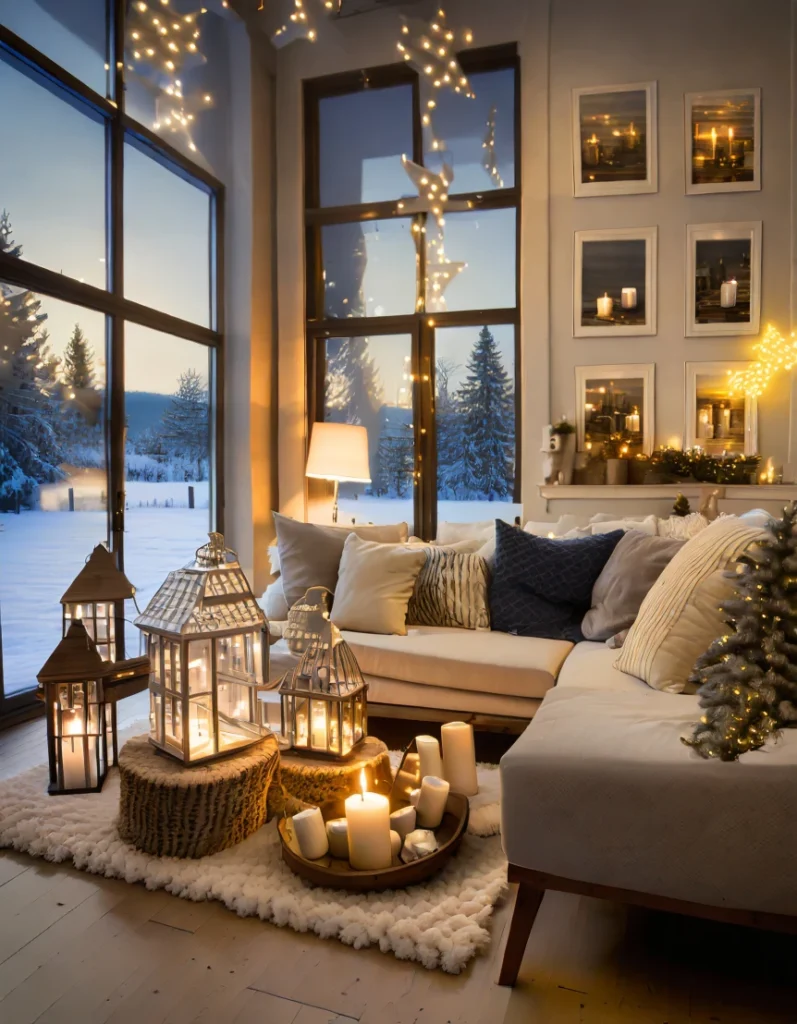
The living room is often the primary hygge space. Layer textiles, create multiple light sources, add candles, and make sure seating is genuinely comfortable. Include a basket of throws for easy access. A fireplace, if you have one, becomes the natural focal point. The living room is also the room where hygge fails most often, because it’s the room that has to do the most work. It’s a gathering space, a TV space, a kid space, a guest space. Carving out hygge requires designating at least one corner of the room as the slow corner. Without that, the busier functions tend to take over the entire space. For complete living room guidance, see our Scandinavian living room ideas guide.
Bedroom
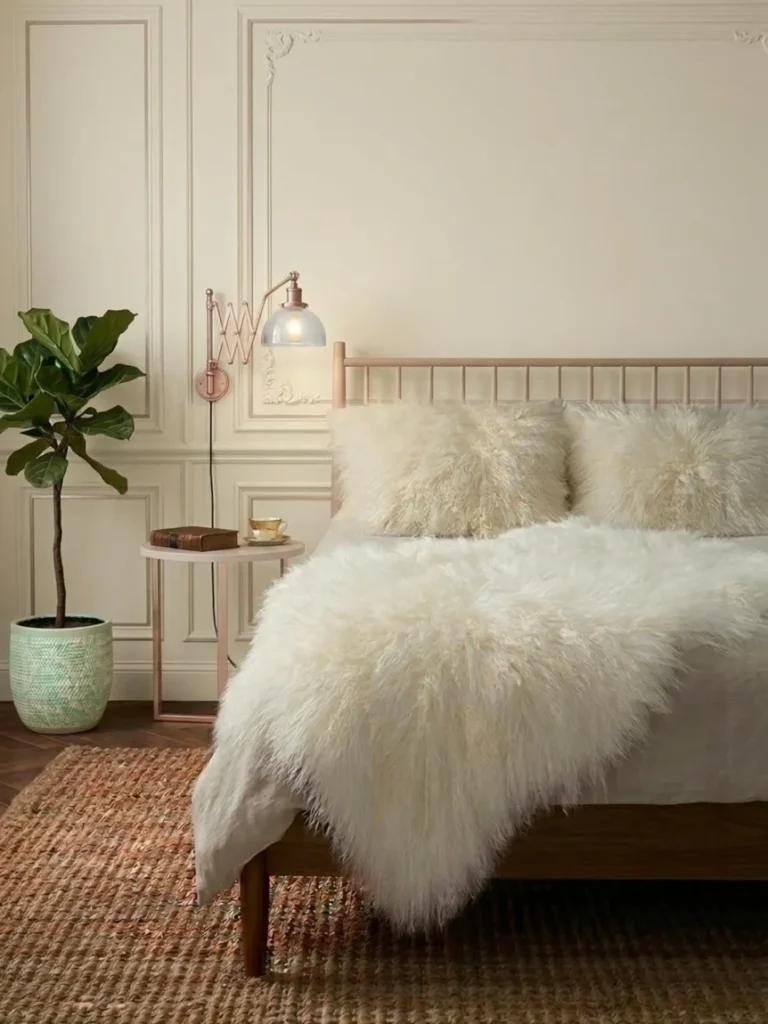
Bedrooms support hygge through quality bedding, soft lighting, and calm decor. A reading lamp that dims, a favorite candle on the dresser, soft sheets you actually look forward to climbing into, and a basket for the books and throws that should be within arm’s reach all contribute. The bedroom is also the easiest room to make truly hygge because it has fewer competing functions than other rooms. It’s just for rest and quiet. Lean into that. For more ideas, visit our Scandinavian bedroom ideas guide.
Kitchen and Dining
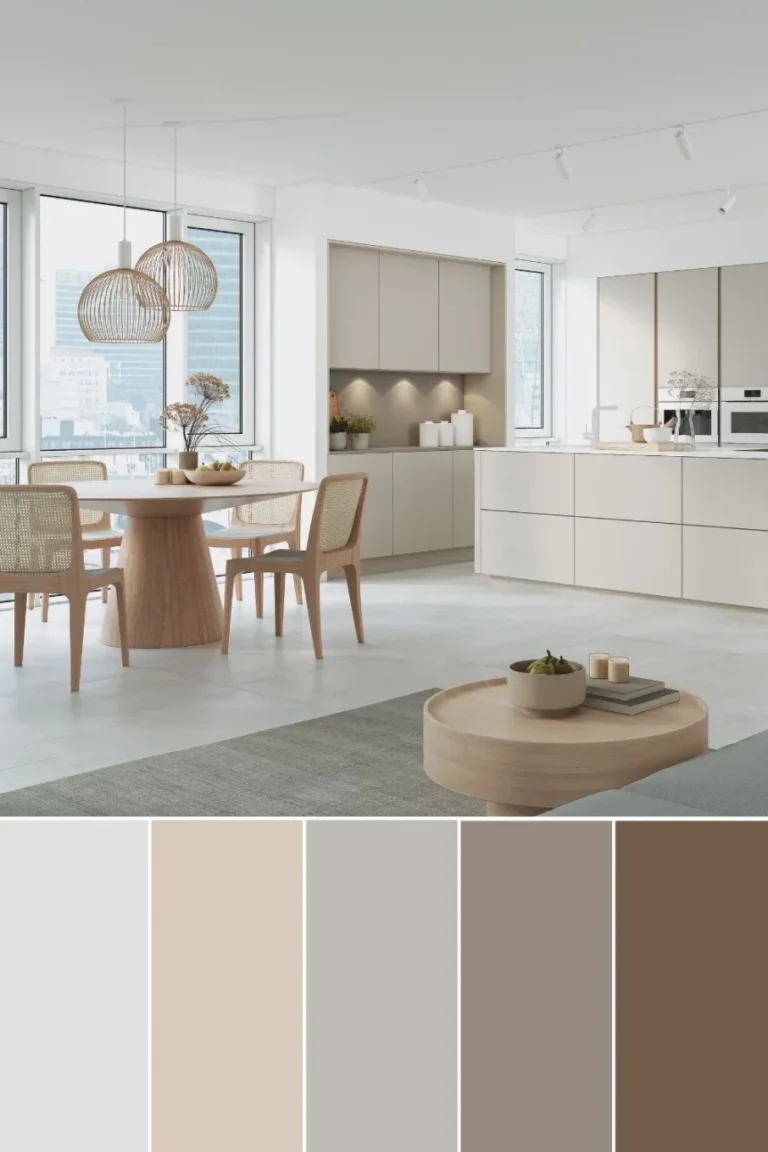
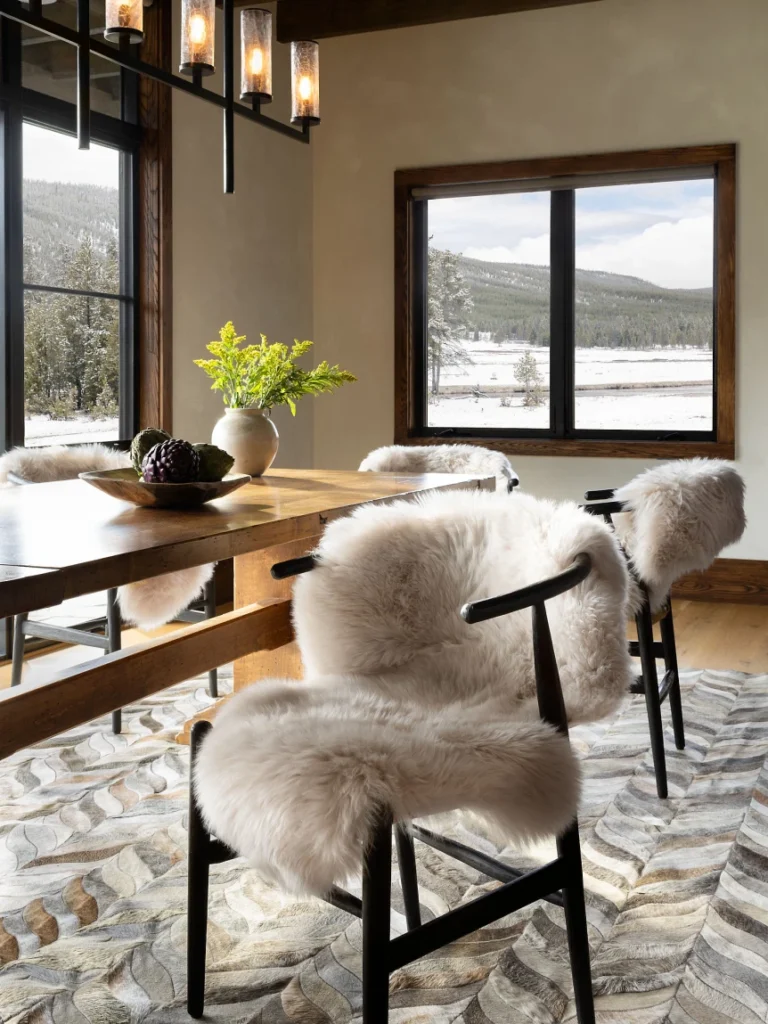
Hygge in the kitchen shows up in long, unhurried meals. A dining table with candles at every dinner. Fresh flowers or seasonal branches as a simple centerpiece. Cooking slowly, enjoying the process rather than rushing through it. The dining table is one of the most underused tools for creating hygge in American homes. Many families don’t actually eat at it on weeknights. The simple practice of eating dinner at the table, with candles, three or four nights a week, transforms how a household feels. It’s free, it requires no new furniture, and the cumulative effect over months is dramatic. See our Scandinavian kitchen ideas guide for more.
Bathroom
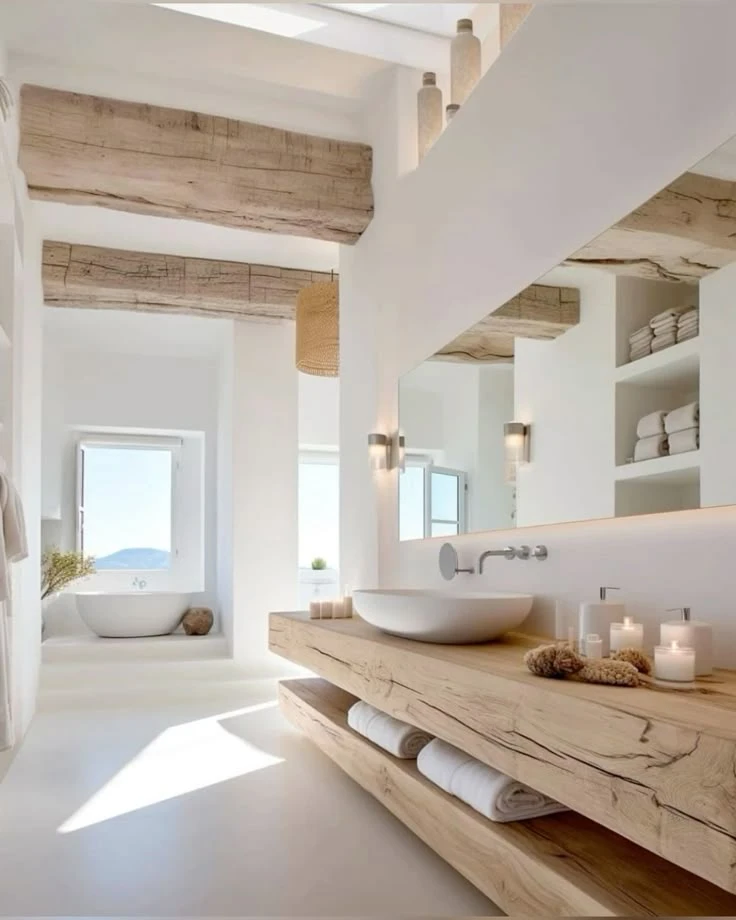
Even the bathroom can be hygge. Soft lighting instead of harsh overhead bulbs. A candle during a bath. Warm towels fresh from the dryer. A simple plant adds life. Small details, but they matter. The bathroom is also the room where most people accept harsh lighting because it’s “functional.” A small lamp on the counter, kept on in the evening, makes the room feel completely different without compromising the bright lighting available when you actually need it.
Hygge Misconceptions
This is the section worth reading even if you skip the rest. Most of what people get wrong about hygge falls into one of these four categories.
It’s Not About Buying Stuff
The biggest misconception about hygge is that it requires specific products: the right candles, the right blankets, the right mugs. While these things can support hygge, they don’t create it. Hygge is about how you approach moments, not what you own. You can experience hygge in a bare room with a single candle just as easily as in a perfectly styled one. This is also the part the commercial hygge boom got most wrong. Selling people more stuff in the name of “Danish coziness” was the opposite of what the concept actually means. The Danes don’t have more candles, throws, and mugs because they’re consumerists. They use what they have more often, more deliberately, and in a slower rhythm.
It’s Not Just for Winter
Hygge is most associated with winter because of its Nordic origins, but the concept applies year round. Summer hygge looks different (open windows, fresh flowers, light meals) but feels the same: slow, present, and comforting. The mistake is treating hygge as a seasonal aesthetic rather than a year round practice. The Danes don’t put away their hygge habits in May.
It’s Not Introverted Only
Hygge includes time alone, but it’s equally about time with others. Danish hygge often involves groups of friends or family gathered around a meal, a fire, or a conversation. The key is the quality of the togetherness, not the quantity of people. A long unhurried dinner with three friends is hygge. A loud crowded party is not. The difference is presence and pace, not the headcount.
It’s Not About Perfection
A messy but cozy room can be more hygge than a perfectly styled but stiff one. Don’t let the pursuit of a perfect hygge aesthetic prevent you from actually experiencing the feeling. The point is comfort and presence, not image. The Pinterest version of hygge is often the opposite of actual hygge. Real hygge has crumbs on the table from the toast you ate two hours ago, a book lying open on the arm of the chair, and a half drunk cup of coffee that’s gone cold. The picture perfect version is usually staged and uncomfortable, which means it isn’t hygge at all. For more on choosing the right overall style, see our comparison of Scandinavian vs. Nordic vs. Scandi boho.
Conclusion
Hygge is less a decorating style and more a way of relating to your home and your time. It asks you to slow down, light a candle, make a hot drink, and actually be where you are. The physical elements (soft textiles, warm lighting, comfortable furniture) support the feeling, but they don’t create it on their own. That part is up to you.
Start small. Light a candle tonight. Put on comfortable clothes. Make dinner without rushing. Notice the small pleasures that are already in your day. The more you practice hygge as a way of being, the more your home naturally becomes a space that supports it. The customers who came back to me most often, the ones who really understood what they had created, weren’t the ones with the most beautifully styled homes. They were the ones who told me they’d started lighting candles every Tuesday or that their family had started eating dinner at the table again. Those are the wins that matter.
For the full framework of Scandinavian design, visit our complete guide to Scandinavian interior design.
Frequently Asked Questions
What does hygge mean?
Hygge is a Danish concept that roughly translates to a feeling of cozy contentment and well being. It’s the experience of feeling safe, warm, and at peace through simple pleasures like candlelight, warm drinks, soft blankets, and time with loved ones. It values slowness, presence, and the small moments of everyday life.
How do I create hygge in my home?
Focus on lighting, textiles, and comfortable corners. Use multiple warm light sources instead of harsh overhead bulbs. Layer soft textiles like wool throws and sheepskin rugs. Create designated cozy spots for reading or relaxing. Light candles daily. Use natural materials like wood, linen, and ceramic. Create rituals like morning coffee or evening reading time.
Do I need to buy special things to have hygge?
No. While certain items like candles, wool blankets, and comfortable furniture support hygge, the feeling itself comes from how you approach your moments, not what you own. You can experience hygge in a simple room with a single candle just as easily as in a perfectly styled space. Hygge is about presence and comfort, not products.
Is hygge just for winter?
No. While hygge is most associated with winter because of its Nordic origins, the concept works year round. Summer hygge might mean open windows, fresh flowers, and light meals outdoors. Spring and autumn offer their own seasonal versions. The underlying principles of slowness, presence, and comfort apply in every season.