Industrial Furniture Guide: Metal, Wood, and Leather Pieces That Last

By Tereza Hower | Published April 10, 2026 | Updated October 13, 2026

Good industrial furniture looks built. The frame shows, the bolts are honest, and the materials are heavy enough that the piece feels like it could survive a workshop rather than a season. That is also why the style is easy to fake: a printed wood grain on a hollow steel frame photographs almost the same as reclaimed oak on welded iron. This industrial furniture guide covers the pieces worth buying for each room, the materials that last, and the checks that separate the two.

Key Takeaways
- Spend on the pieces used every day, the sofa, the dining table, and the bed, and save on shelving and accents.
- Look for continuous welds, a thick powder coat, and wood tops at least 1.5 inches thick.
- Choose full grain or top grain leather; bonded leather peels within a few years.
- Mix one or two vintage pieces with newer, comfortable furniture rather than buying a matching set.
What Is Industrial Furniture?
Industrial furniture is furniture modeled on factory, warehouse, and workshop equipment. It combines metal frames in black iron or steel with solid or reclaimed wood and leather or heavy canvas, and it leaves its construction visible: welds, bolts, rivets, and joinery are part of the look.
Forms are simple and functional rather than ornate, and finishes are matte. For how the furniture fits into the wider style, from brick and concrete to lighting, see the complete guide to industrial interior design.
Industrial Furniture at a Glance
The table sums up what to look for in each core piece and what a well made version usually costs new. Vintage prices vary far more, in both directions.
| Piece | Best materials | Look for | Typical price, well made |
|---|---|---|---|
| Sofa | Full grain or top grain leather, heavy canvas | Kiln dried hardwood frame, sinuous springs or eight way hand tied | $1,500 to $4,000 |
| Coffee table | Reclaimed or solid wood on steel | Top 1.5 inches or thicker, welded base | $400 to $1,200 |
| Open shelving | Steel frame, solid wood boards | Wall anchoring, shelves that do not bow under books | $300 to $900 |
| Bed frame | Steel or iron, or reclaimed wood | Center support rail, bolted rather than clipped joints | $600 to $2,000 |
| Dining table | Reclaimed or solid wood on steel | Base that clears chair legs, top sealed against stains | $900 to $3,000 |
| Bar stools | Steel with wood or leather seat | Correct seat height, footrest, swivel that does not wobble | $150 to $400 each |
Which Industrial Pieces Matter Most in a Living Room?
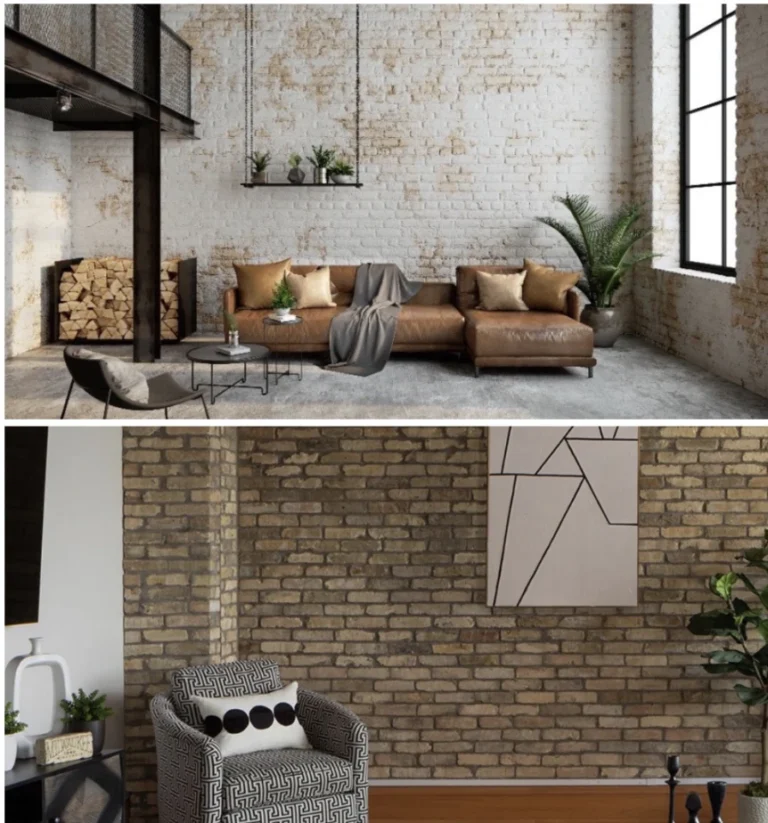
The sofa carries the room. A leather sofa with substantial proportions, clean lines, and visible stitching is the classic choice; distressed brown leather gains character with age, and black reads more modern. Where leather is not wanted, heavy canvas or wool on a metal or wood frame works just as well.

Check the frame before the leather. A kiln dried hardwood frame and a seat that does not sag when two people sit at one end will outlast any finish. The sofa buying guide covers frames, springs, and cushion fills in detail.
The standard coffee table is thick reclaimed wood on black iron or raw steel legs. Vintage trunks, factory carts on casters, and slab tops on simple steel bases are good alternatives. Keep the top about 1 to 2 inches lower than the sofa seat and roughly two thirds of the sofa’s length.

For accent chairs, mix rather than match: a leather club chair, a vintage office chair, or a steel sling chair with a canvas or leather seat. The coffee table buyer’s guide covers sizes and shapes beyond the industrial look.

Open shelving with a steel frame and thick wood boards is one of the defining industrial pieces. Anchor any unit over 4 feet tall to the wall, and choose boards at least 1 inch thick so they do not bow under books. Pipe shelving looks the part but depends on tight threaded fittings and solid wall anchors.

For layouts and color, see industrial living room ideas.
What to Buy for an Industrial Bedroom
A steel or iron bed frame is the natural choice: clean lines, visible welds or bolts, and no scrollwork. Reclaimed wood frames work too, especially with black metal hardware. Look for a center support rail on queen and king sizes and bolted joints rather than clip fittings, which loosen and squeak.

Nightstands can be steel frames with wood tops, small vintage lockers, or factory carts; match their height to within a couple of inches of the mattress top. For dressers, reclaimed wood with black hardware or steel frames with wood drawer fronts both suit the style. Check that drawers run on metal slides or waxed wood runners and do not rack when pulled from one corner. More in industrial bedroom design ideas.
Industrial Dining Tables, Chairs, and Stools
A long reclaimed wood table on a steel base anchors an industrial dining area. Trestle and X bases suit the style, but check that the crossbars leave room for knees at every seat. Live edge tops add an organic edge; seal any reclaimed top, since old wood stains easily.

Metal frame chairs, leather seated chairs on steel legs, and mismatched vintage pieces all work around the table, and a mix adds to the collected feel. For sizing a table to the room and the number of seats, see the dining table buying guide.
For islands and bars, choose stool height by counter height. A counter at 36 inches needs a seat around 24 to 26 inches high; a bar at 42 inches needs about 28 to 30 inches. Allow roughly 24 inches of counter per stool, and look for a footrest and a swivel that stays tight.

Metal, Wood, and Leather: Which Materials Last?
Metal. Powder coated steel gives the matte black look and resists chips and rust. Raw steel develops a patina but needs wax or a clear coat, or it will rust where hands and glasses touch it. Brass and copper accents add warmth in small doses.
Wood. Reclaimed wood brings knots, grain variation, and old nail holes. Make sure it has been kiln dried, which stabilizes it and kills any insects, and finished in a matte oil or lacquer. Oak and walnut are hard enough for daily use; pine dents easily, which suits some rooms and not others.
Leather. Full grain leather keeps the natural surface and ages best; top grain is lightly sanded and still durable. Bonded leather, made from scraps glued to a backing, cracks and peels within a few years and is the most common shortcut in low priced industrial sofas.
Canvas and wool. Heavy canvas, wool, and linen in neutral tones are the alternatives to leather. They should feel substantial in the hand. For how these materials combine with wall and floor colors, see industrial color palettes and materials.

How to Tell Quality Industrial Furniture from Cheap
Industrial pieces are easy to imitate in a photo and hard to fake in person. These checks take a few minutes.
- Welds. A continuous, ground smooth weld at each joint is strong. A few small spot welds, or joints held only by screws into thin tube, will loosen.
- Steel thickness. Press on a leg or frame rail. Heavy wall steel feels solid; thin tube flexes or rings hollow.
- The wood. Look at the end grain. Solid or reclaimed wood shows growth rings through the full thickness; a printed laminate shows a repeating pattern and a thin edge band.
- The finish. An even powder coat covers welds and inside corners. Thin paint chips first at the feet and screw heads.
- The leather label. “Genuine leather” and “bonded leather” are not full grain. Ask, or look at an exposed edge.
How Much Should You Spend on Industrial Furniture?
Below a certain price, industrial pieces are mostly thin tube steel and printed laminate, and they rarely last more than a few years of daily use. The prices in the table above are where solid wood, heavy steel, and real leather usually begin for new furniture. Vintage can be far cheaper for carts, stools, and lockers, and far more expensive for sought after pieces such as original drafting tables.
Rank the budget by use. A sofa sat on every evening and a dining table used three times a day justify the most; a bar cart or a side table can come from a resale listing. One well built piece in a room of modest ones does more for the look than a full room of thin reproductions.
Caring for Metal, Wood, and Leather
Industrial furniture is low maintenance, not no maintenance. Wipe powder coated steel with a damp cloth and touch up chips with matching paint before rust starts. Wax raw steel twice a year.
Re-oil a reclaimed wood top when water stops beading on it, and use coasters on unsealed wood. Condition leather once or twice a year and keep it out of direct sun, which dries and fades it faster than wear.
Where to Find Industrial Furniture
The most authentic pieces come from real industrial sources: workshop carts, drafting tables, lab stools, and metal lockers turn up at estate sales, architectural salvage yards, and resale listings. Inspect vintage metal for rust under the paint and wobble at the joints before buying.

Independent makers who work in reclaimed wood and steel build some of the best new pieces and can size a table or shelf to the room. Mainstream furniture collections offer industrial looks at lower prices; apply the checks above, since quality varies widely. With a limited budget, put the money into the sofa, the dining table, and the bed, and buy shelving and accents secondhand.
How Do You Mix Old and New Industrial Pieces?
The best industrial rooms combine vintage finds with newer furniture. Use new pieces where comfort and reliability matter, the sofa, the mattress, the dining chairs people sit in for hours, and vintage pieces where character matters most, such as a cart, a locker, or a factory lamp.

Eras and finishes do not need to match. One or two strong vintage pieces in a room of quieter new furniture looks collected; a full set of matching reproductions looks like a showroom. For the difference between the polished and the raw versions of the style, see modern industrial vs rustic industrial design.
Arranging Industrial Furniture
Industrial arrangements are a little less formal than other styles. Pull pieces away from walls to define seating and dining zones, and use an open shelving unit or the back of a sofa as a divider in an open plan room. Leave space around heavy pieces: an overcrowded industrial room loses the loft openness that makes the style work.
Buying for the Long Run
Industrial furniture rewards substance over flash. Choose honest materials, visible construction, and pieces that improve with use; mix one or two vintage finds with comfortable new furniture, and spend where the household sits, eats, and sleeps. For the full picture of the style, read the complete guide to industrial interior design.
Frequently Asked Questions
What is industrial furniture?
Furniture modeled on factory and workshop equipment: steel or iron frames, solid or reclaimed wood, and leather or heavy canvas, with welds, bolts, and joinery left visible.
Where can I buy authentic industrial furniture?
Vintage pieces turn up at estate sales, architectural salvage yards, and resale listings. Independent makers build new pieces in reclaimed wood and steel, often to size.
Does industrial furniture have to be vintage?
No. Most good industrial rooms pair newer, comfortable furniture with one or two vintage pieces for character. Apply the same quality checks to both.
What wood works best for industrial furniture?
Kiln dried reclaimed wood, oak, and walnut, in a matte oil or lacquer finish. Pine suits the look but dents easily on tables that get daily use.
How can you tell if industrial furniture is good quality?
Look for continuous welds, heavy wall steel that does not flex, solid wood that shows growth rings through its thickness, an even powder coat, and full grain or top grain leather.