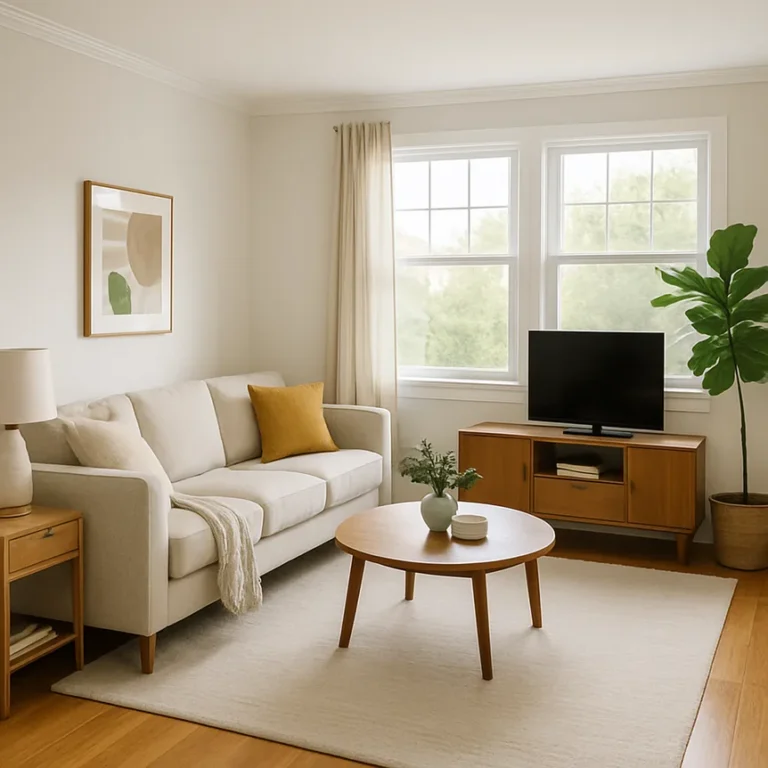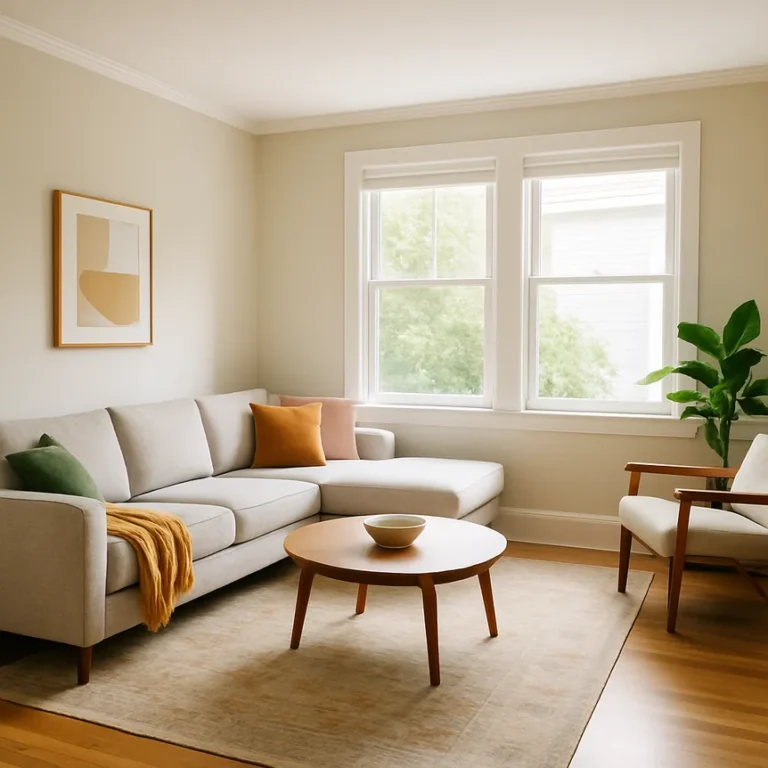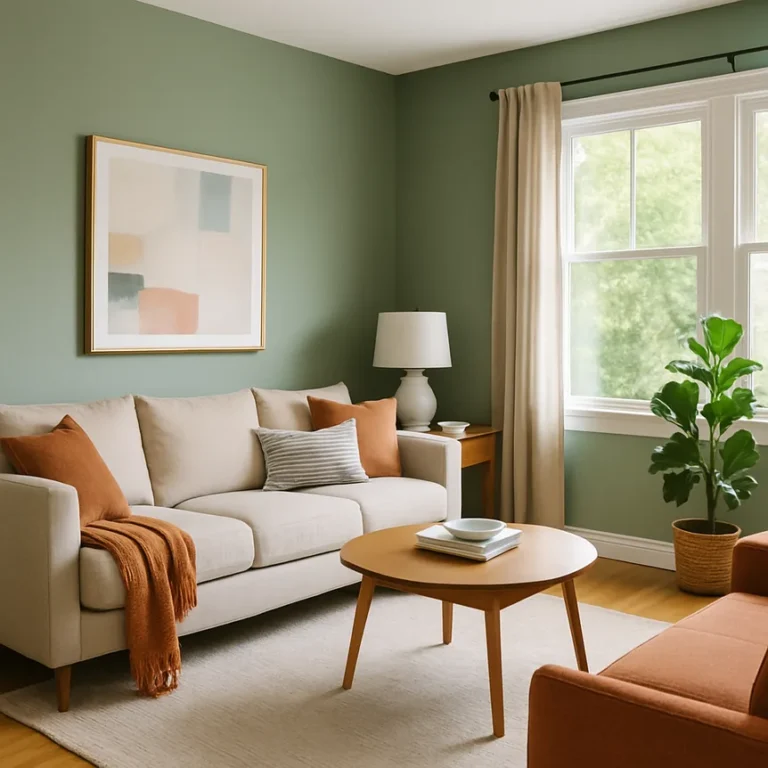
Timeless Living Room Staples: 5 Pieces That Last

By Tereza Hower | Published February 10, 2026 | Updated September 7, 2026
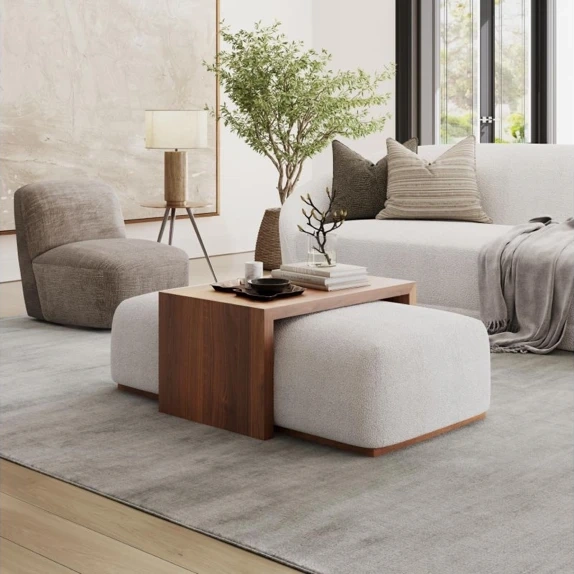
One of the small pleasures of running Hower Furniture was watching which pieces customers brought up again, years after the original purchase. Sofas got reupholstered. Sectionals got swapped. But certain anchor pieces traveled with people from a first apartment to a starter home to a second home, untouched. They were rarely the trendiest items in the showroom. They were almost always the simplest.
The five pieces below are the ones I watched outlast every trend cycle of the last decade. Each one is foundational, meaning it does its quiet work in the background while your styling around it changes with the seasons. If you are starting a living room from scratch, or rebuilding one that has slowly gone stale, these are the items I’d buy first and keep longest.
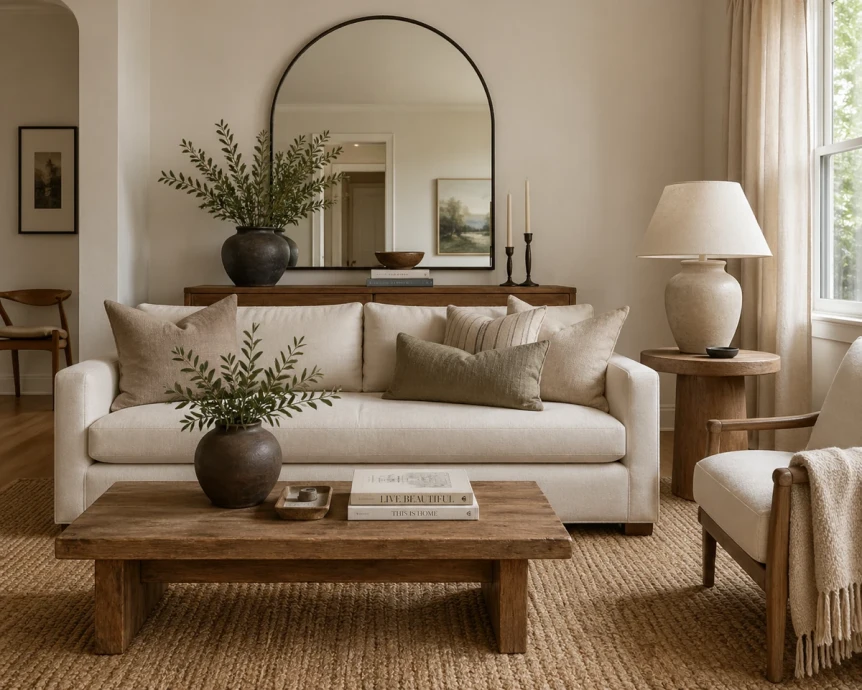
1. A Large Wall Mirror
A floor or wall mirror is the cheapest way to make a small living room read 30 percent larger. Not because of any trick of perspective, but because mirrors double the visible light in the room. North facing apartments and basement units especially benefit.
Honest take on shape: the arched mirror has been the dominant silhouette for the last few years, and it works, but a clean rectangular or round mirror is more genuinely timeless. If you choose arched, choose it because you like the proportions, not because it is everywhere on Instagram. If you want something you’ll never have to second guess, go rectangular with a thin black or natural wood frame.
Quality cue: a real glass mirror with a beveled or polished edge will look sharp and stay sharp. Acrylic mirrors, which are common in the under $150 range, distort like a funhouse and yellow within a couple of years.
Sizing: a mirror over a sofa should be roughly two thirds the width of the sofa. Over a console, three quarters of the console width. Hung as a standalone piece, aim for at least 40 inches tall so it reads as architectural rather than decorative.
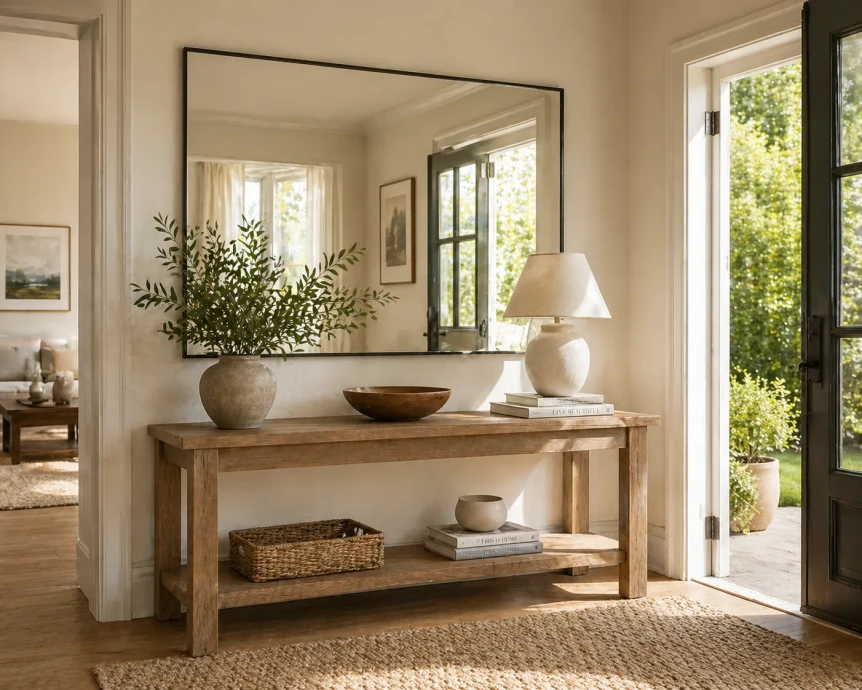
2. A Natural Fiber Area Rug
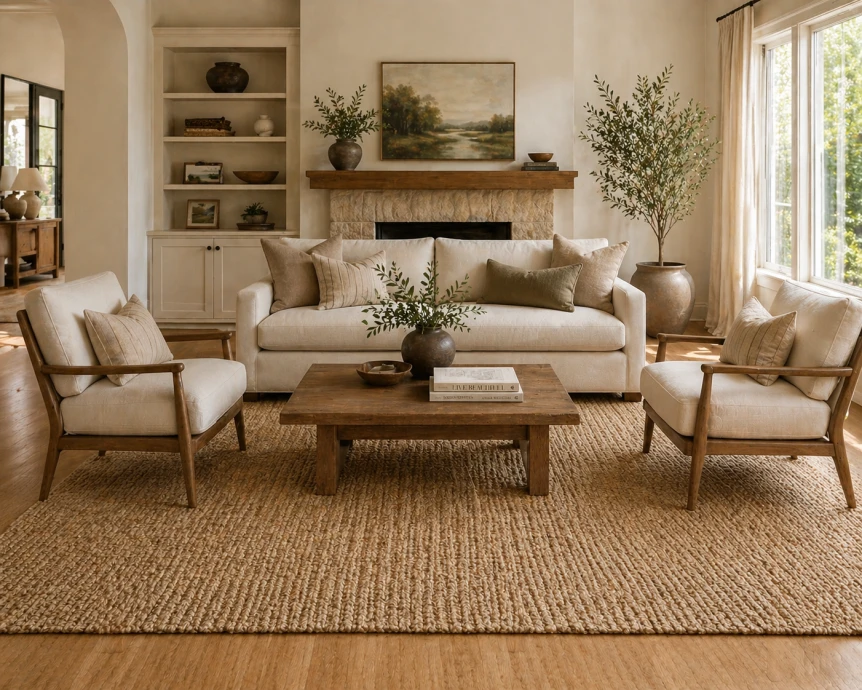
Jute, sisal, and wool rugs have been used in interiors for over a century, and they still look right today. The reason is texture. A natural fiber rug adds depth without competing for attention, which means you can layer color, art, and pattern over it without the room feeling busy.
The catch with jute: it sheds for the first six months and it does not handle moisture well. If you have a dog that drinks sloppily, a toddler with a juice cup, or a humid climate, choose wool or a wool jute blend instead. Pure jute is for low traffic and dry rooms.
Sizing is non negotiable. The single biggest mistake I saw at Hower was customers buying a 5×7 rug for a room that needed an 8×10. A rug should extend at least 6 inches under the front legs of every major piece of seating. In a typical 12×14 living room, that means a 9×12 rug. Going small to save money makes the entire room read smaller.
For more on rug sizing relative to sofa and side tables, our accent furniture guide covers the layout math in detail.
3. A Ceramic Table Lamp With a Linen Shade
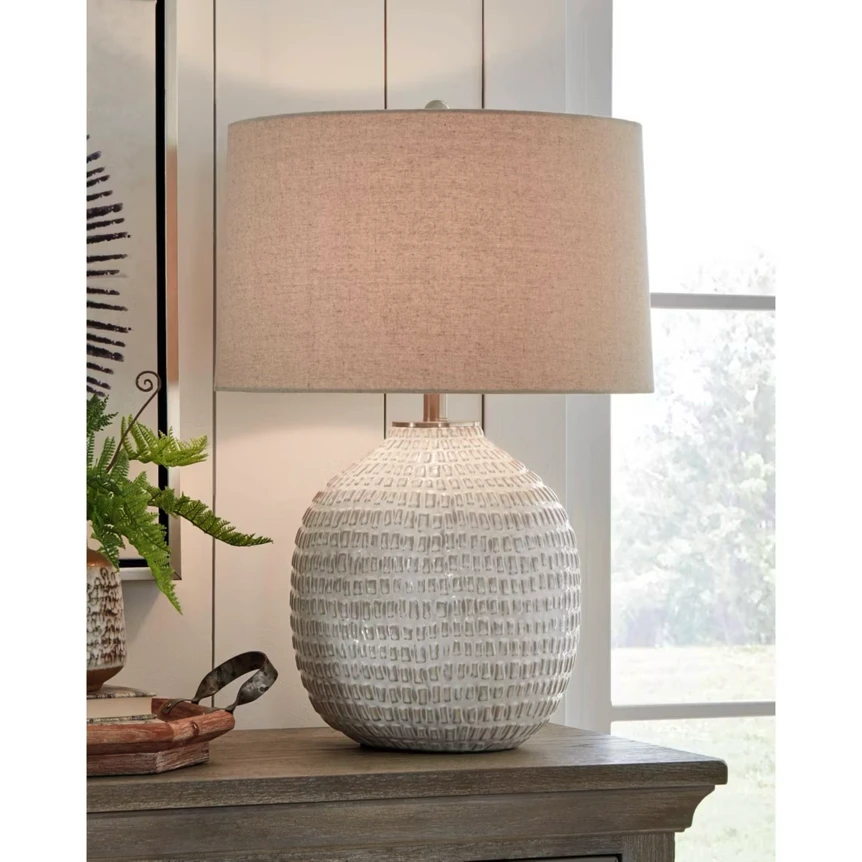
The single biggest jump in how a room feels happens when you stop relying on overhead lighting. A ceramic table lamp casts warm, low ambient light at seated eye level, which is the height your eyes actually want light to come from when you are reading or talking.
Stick to a few rules. The shade should be linen or paper, not plastic, because the material is what diffuses the bulb into something soft. The base should be ceramic, stoneware, or solid wood; metal lamps are fine but they read cooler and don’t add as much warmth. Bulb temperature should be 2700K, never higher. A 3000K or 4000K bulb in an otherwise warm room is the easiest way to make a beautiful space feel like a dentist’s office.
Sizing: the lamp height (base plus shade) should be roughly the same as the height of the surface it sits on, plus 4 to 6 inches. A 24 inch console wants a 28 to 30 inch lamp. The bottom of the shade should sit at roughly seated eye level, around 40 to 42 inches off the floor.
For the broader lighting picture (overhead, accent, and floor lamps included), see our modern living room lighting guide.
4. A Solid Wood Coffee Table
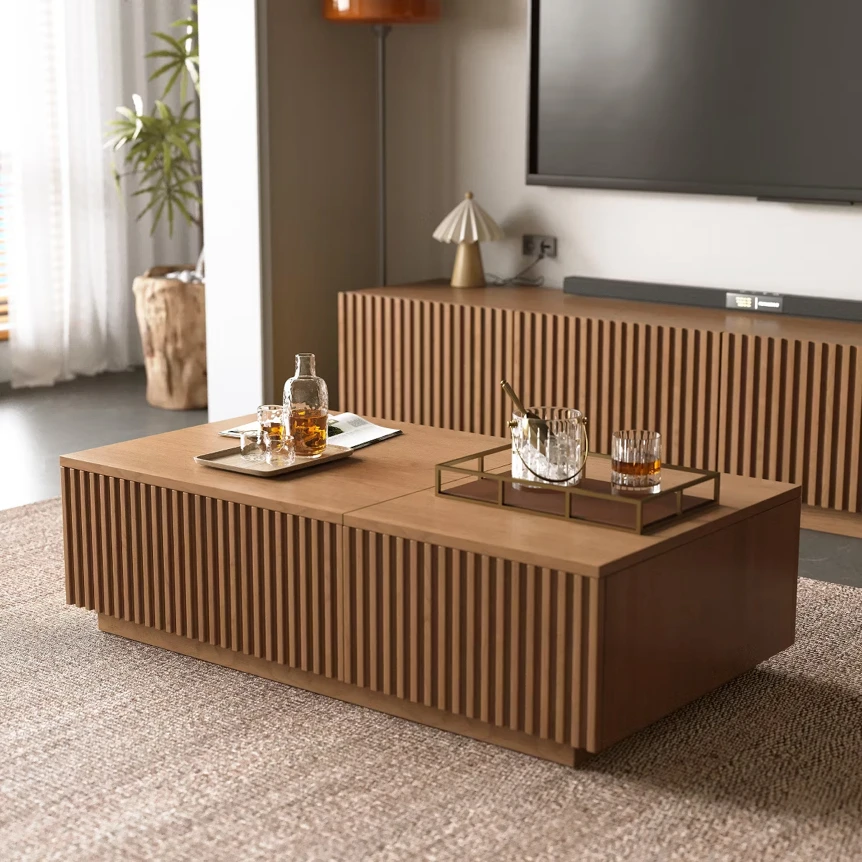
If there is one piece worth spending real money on, it is the coffee table. It sits in the most physically abused spot in the house: feet up, drinks down, kids climbing, dogs sleeping under it. A solid oak or walnut table will absorb fifteen years of that. A veneer over particleboard table will start chipping at the corners in two.
How to tell the difference: tap the top with a knuckle. Solid wood gives a low, dense thunk. Veneer over particleboard sounds higher and hollower. Lift one end. A 48 inch solid oak coffee table should weigh 60 to 90 pounds. If you can lift it like a pizza box, the case is engineered.
Sizing rule: coffee table length should be roughly two thirds the length of your sofa, set 14 to 18 inches from the sofa front. The height should match the sofa seat within 2 inches. Significantly higher and reaching for a drink becomes awkward. Significantly lower and the table starts to look stranded.
Wood tone: avoid matching the coffee table to your floor. A walnut table on a walnut floor reads as one wash of brown. Contrast is what makes wood furniture look intentional. Pair light floors with darker wood, or dark floors with warm honey tones.
5. Linen Throw Pillows
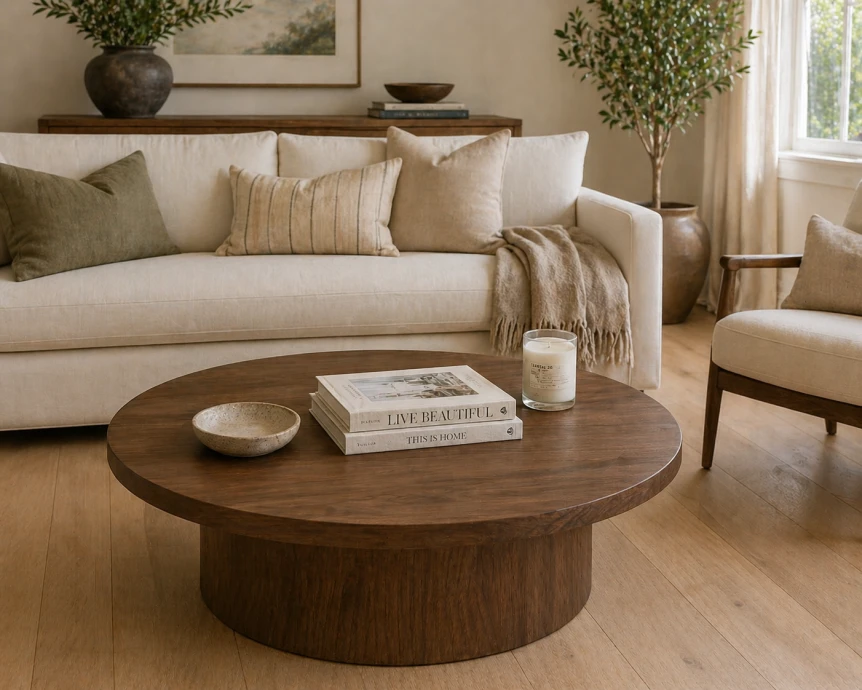
Linen pillows are the easiest way to update a room without buying new furniture. The texture reads as quiet luxury (slightly rumpled, never glossy), and the natural fiber takes dye into soft, slightly desaturated colors that age well. A bright synthetic pillow looks loud after six months. A linen pillow in oatmeal, clay, or olive looks better the more it wrinkles.
Buy covers, not whole pillows. A 22 inch linen cover costs $25 to $60. A whole linen pillow costs $90 to $150 and the inserts wear out faster than the covers. Buy quality down or down alternative inserts once, then swap covers seasonally.
Inserts matter more than covers. A beautiful linen cover stuffed with a thin polyester insert looks deflated within a week. Get inserts that are at least 2 inches larger than the cover (a 22 inch cover wants a 24 inch insert), and use 90 percent feather, 10 percent down, or a high quality down alternative. The pillow should feel slightly overstuffed when you first put the cover on.
Color rule: stick to two tones plus one accent across all the pillows on a sofa. Five different colors and patterns will fight each other. A typical four pillow arrangement might be two oatmeal, one rust, and one with a subtle stripe in matching tones.
What Most People Get Wrong With “Timeless”
Timeless does not mean beige. It does not mean buying nothing with personality. The customers I watched build the most enduring rooms made bold individual choices (a dark blue velvet sofa, a vintage walnut coffee table, a vivid kilim rug) but kept the foundation pieces neutral and well made. The mistake is the opposite: a bland sofa, a bland rug, a bland everything, with the assumption that beige is automatically classic.
The other common error is buying everything new at once. A room that comes together over five or ten years, with one or two pieces inherited or sourced second hand, will always read as more layered and intentional than a room ordered in a single weekend from one catalog. Leave room for a piece you find rather than buy. 10 timeless home decor pieces that belong in every room covers the same ground in depth.
For more on building a layered, intentional space, our cozy living room styling guide works through the layering process across rooms of different sizes.
How to Build the Foundation
If you are starting from scratch, the order I’d buy these in is: rug first, then coffee table, then lamp, then mirror, then pillows. The rug sets the room’s palette and scale. The coffee table is the second largest visual anchor. Lighting comes next because it changes how every other piece in the room reads. The mirror and pillows are finishing pieces.
For the larger storage and media pieces that round out the room, our sideboard buying guide and modern TV stand guide cover the case goods that share a room with these foundational items.
Frequently Asked Questions
How do I make my living room feel timeless without it feeling boring?
Keep the foundation pieces (rug, sofa, coffee table) in neutral tones and quality materials, then bring in personality through art, pillows, books, and one bolder piece like a vintage chair or a saturated lamp. Boring rooms are usually rooms where every single element is muted. Timeless rooms have one or two clear voices and a quiet supporting cast.
What size mirror should I hang above a sofa?
Aim for a mirror that is roughly two thirds the width of the sofa. For a standard 84 inch sofa, that means a mirror around 50 to 60 inches wide. Hang it so the bottom edge sits 6 to 12 inches above the sofa back. Going much smaller than two thirds makes the mirror look stranded above the furniture.
Should my coffee table match my floor?
No. Matching wood tones to the floor flattens the room visually because everything reads as one continuous wash of brown. Contrast is what makes furniture look intentional. Pair light floors with a darker walnut or black coffee table, and pair dark floors with a warmer honey or natural oak finish.
How many throw pillows should I have on a sofa?
Four pillows is the sweet spot for a standard 84 inch sofa: two larger pillows (22 inch) at the back corners and two smaller pillows (18 to 20 inch) layered in front. Sectionals can handle five or six. More than that and the pillows start eating into seating space and look cluttered rather than layered.
What is the best rug size for a small living room?
Even in a small living room, go larger than you think. A 6×9 rug is the absolute minimum for any seating arrangement, and 8×10 is better. The rug should extend at least 6 inches under the front legs of your sofa and any chairs. Undersized rugs make small rooms look smaller, not larger.
The Bottom Line
The best living rooms aren’t built in a weekend. They start with a few well chosen foundation pieces, get layered slowly with art, books, and finds, and end up looking like the home of someone with taste rather than someone with a delivery date. Pick your five staples carefully, spend more on the coffee table and rug than feels comfortable, and let the rest of the room come together at its own pace.
For the full picture of how these pieces work alongside the rest of a modern living room (sofa, lighting, color, layout), our complete guide to modern living room design is the natural next read. If you’re focused on color, the modern living room color palette guide covers the tones that pair best with these foundational neutrals.