How to Style a Cozy Living Room: An Editor’s Guide

By Tereza Hower | Published February 6, 2026 | Updated September 7, 2026

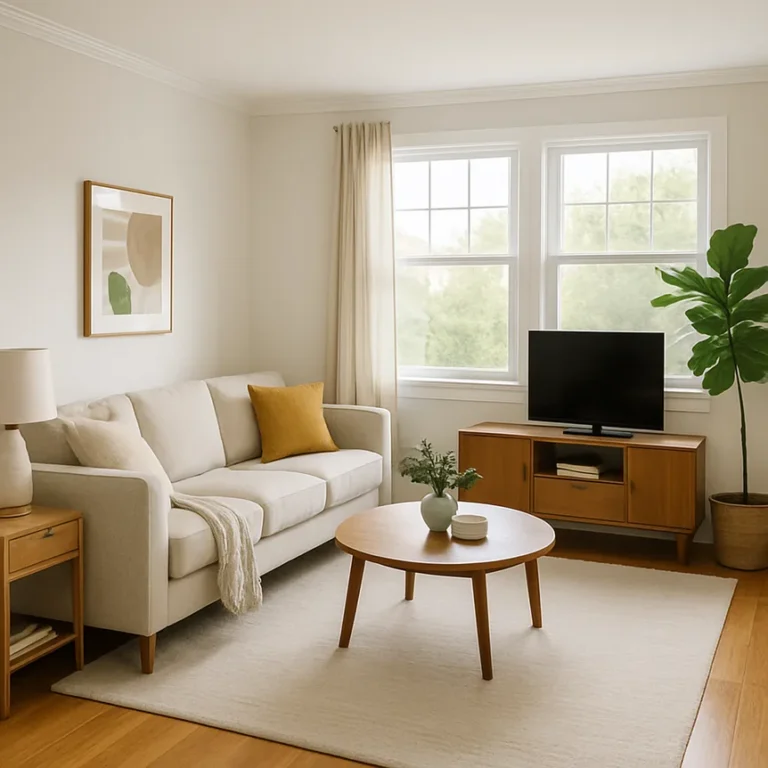
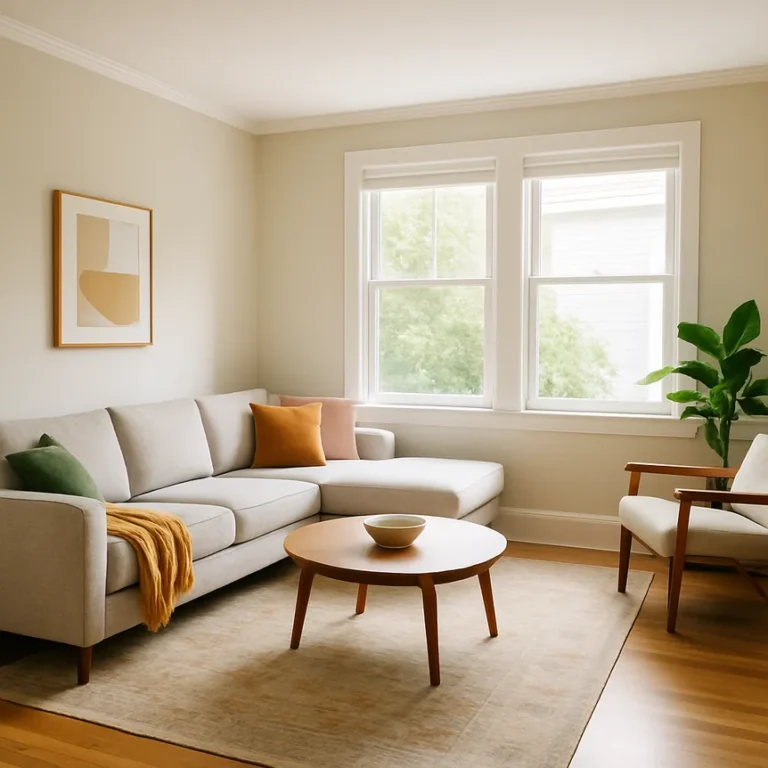
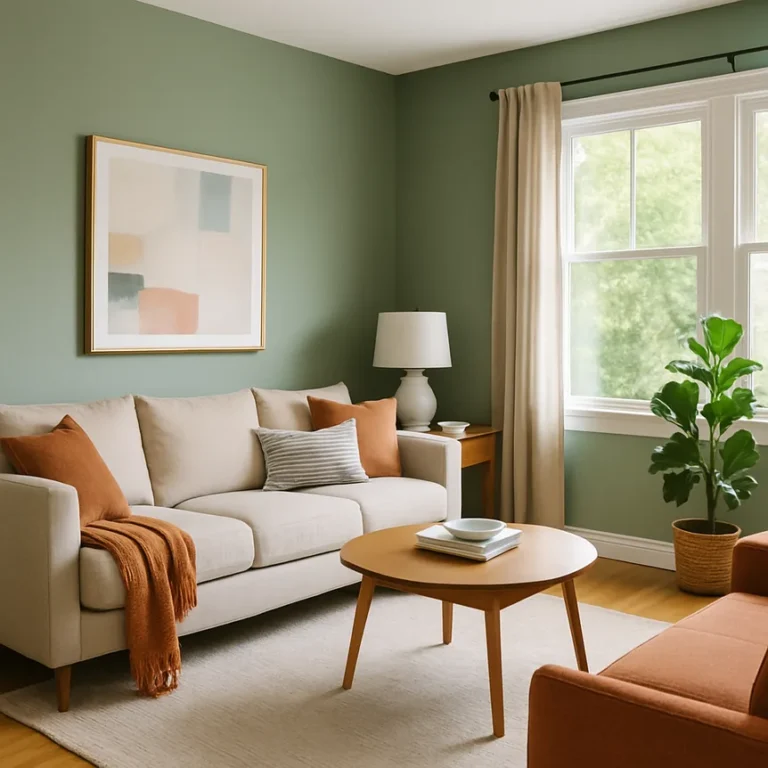
The cozy living room is the most photographed and the most misunderstood room in the home. The Pinterest version is curated chaos: seven throw pillows, three layered rugs, a chunky knit blanket draped at exactly the right angle. The lived in version is something quieter. After ten years of selling furniture and watching customers come back to talk about which rooms they actually used and which ones became staging zones, the pattern became clear. Cozy is not a styling formula. It’s a set of decisions about light, texture, and proportion that make a room comfortable to be in.
This guide walks through the seven decisions that matter, in the order they should be made. The same principles work for a 200 square foot studio living room and a 600 square foot great room; the only thing that changes is the scale.
1. Start With the Sofa, and Choose for Comfort First
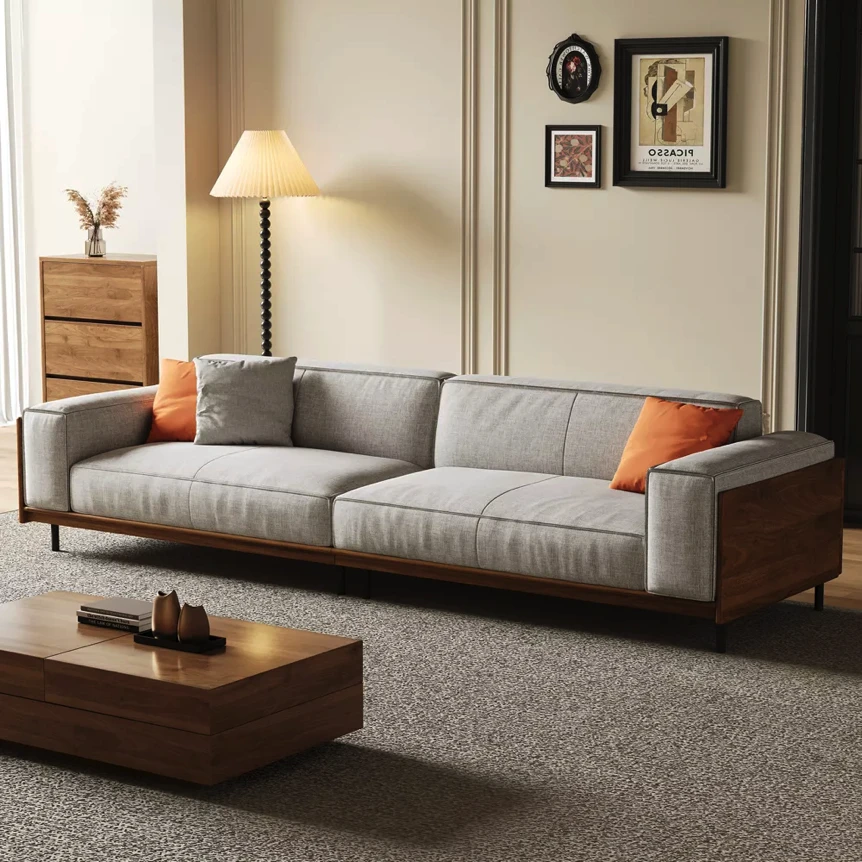
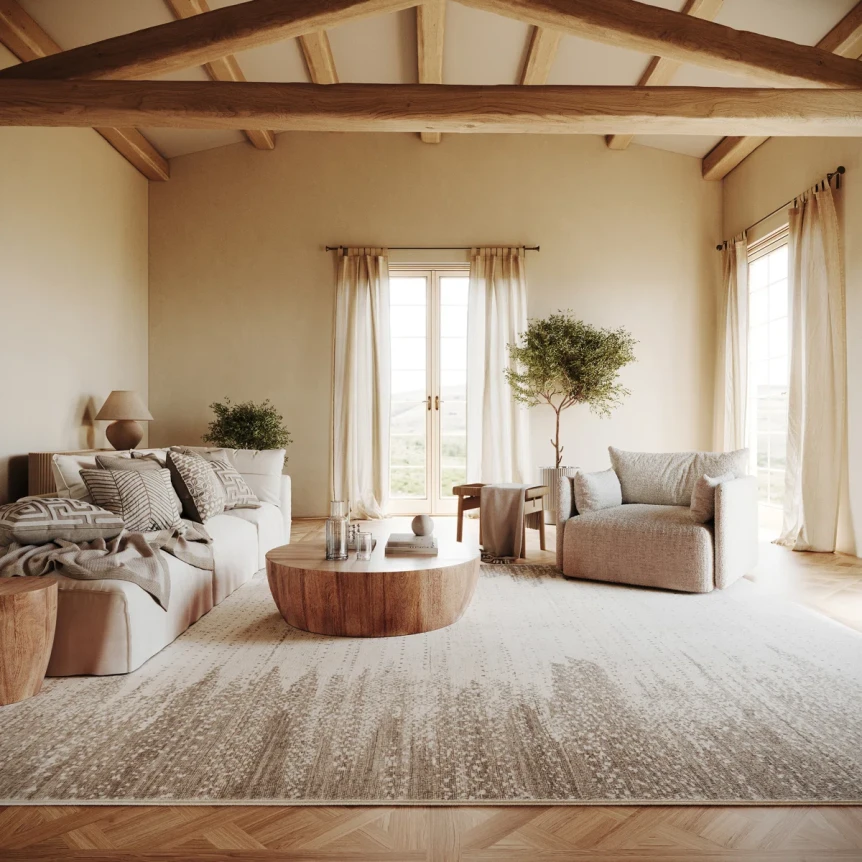
The sofa is the room. Get this wrong and no amount of pillow styling will fix it. The biggest mistake I watched at the Hower Furniture showroom was customers buying sofas for how they looked in renderings rather than for how they sat. A beautiful tight back sofa with a 19 inch seat depth photographs well and is uncomfortable to actually relax on. A deep seat sofa with a 24 inch seat depth photographs less precisely but is the one people end up napping on every weekend.
For a cozy room, choose a sofa with at least a 22 inch seat depth, soft down or down blend cushions, and a slipcover or upholstery that’s already broken in (linen, cotton blend, or performance fabric). Avoid leather if comfort is your priority; leather looks great but reads cool to the touch year round and never softens the way fabric does.
For small living rooms: a 72 to 78 inch sofa with armless or low arm styling fits without dominating. Avoid sectionals under about 250 square feet of room space.
For large living rooms: a sectional or two facing sofas with a coffee table between them. The most common mistake in large rooms is one sofa floating against a wall. The room will read as cold and unused. For specific pieces worth buying, see 3 classic living room decor items.
2. Layer the Rug Properly (Most People Do This Wrong)
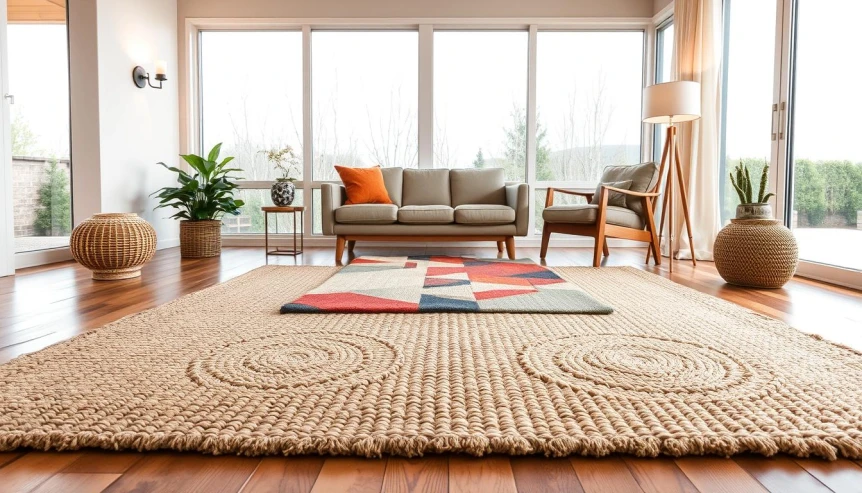
The rug is what makes a room feel grounded versus floating, and undersized rugs are the most common reason cozy rooms don’t actually feel cozy. The rule is simple: the rug should extend at least 6 inches under the front legs of every major piece of seating, ideally with all four legs of the sofa on the rug. A 5×7 rug centered in front of an 84 inch sofa makes the entire room look apologetic.
For most living rooms, an 8×10 is the minimum. A 9×12 is better. In a great room, go to 10×14 or larger. The rug should feel slightly too big when you first roll it out. That’s how you know it’s the right size.
On layering: rug layering is having a moment but it works best when there’s a clear visual hierarchy: a large neutral base rug (jute, sisal, or low pile wool) with a smaller, softer, more textured rug on top (vintage Turkish, Moroccan shag, or a flatweave with subtle pattern). The top rug should be roughly two thirds the size of the base and centered or slightly offset, never matching the base rug’s edges. If both rugs are the same scale, the layering reads as a mistake.
3. Get the Lighting Off the Ceiling
The single biggest jump in how cozy a room feels happens the moment you stop using overhead light as the primary source. Overhead lighting casts hard downward shadows on faces and flattens the texture in the room. A cozy room needs light at multiple heights: floor, table, and sometimes wall, all sitting around 2700K bulb temperature.
The minimum lighting setup for any cozy living room is three sources at different heights: a floor lamp in one corner, a table lamp on a side table or console, and a third source that can be either a second table lamp or a wall sconce. All on dimmers if possible. The “five lamp rule” you see in design magazines is real; the more pools of warm light you can layer, the deeper the room reads.
Avoid LED puck lights, color changing bulbs, and anything cooler than 2700K. A 3000K bulb in a room full of warm wood and linen will make the wood read green and the linen read gray. For more on the lighting layout decisions across a room, our modern living room lighting guide works through the layered approach in detail.
4. Layer Textiles, but Stop Before It Looks Staged
Pillows and throws are where cozy living rooms most often go from inviting to staged. The Instagram version of a cozy sofa has seven pillows, two throws, and zero space to actually sit. Real cozy stops earlier.
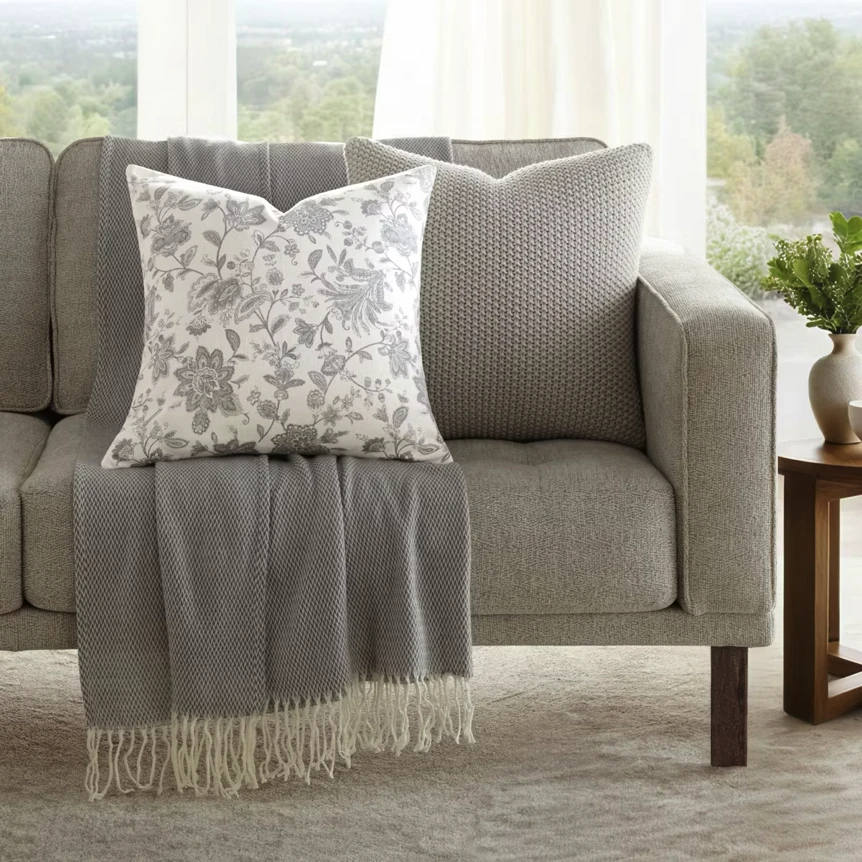
Pillow math for a standard sofa: four pillows total. Two larger anchor pillows (22 inch covers with 24 inch inserts) at the back corners, two smaller front pillows (18 to 20 inch) layered in front. Sectionals can handle five or six. More than that and the pillows start eating seating space.
Texture mix: the goal is two or three different textures in a similar color family, not five different patterns. A typical four pillow arrangement might be two oatmeal linen, one rust boucle, and one with a subtle stripe in matching tones. The eye should travel smoothly across the sofa, not bounce between competing patterns.
Throws: one throw, draped (not folded) across one arm or the back of the sofa. Two throws on the same sofa reads as styling, not living. Choose chunky knit, waffle weave, or boucle for visible texture; cotton waffle is the most practical because it actually gets used and doesn’t pill the way wool does.
5. Bring in Wood and Plants Without Going Overboard
Natural materials are what stop a cozy room from feeling sterile. The trick is to keep them visible without turning the room into a botanical showroom. Two specific moves I’d recommend.
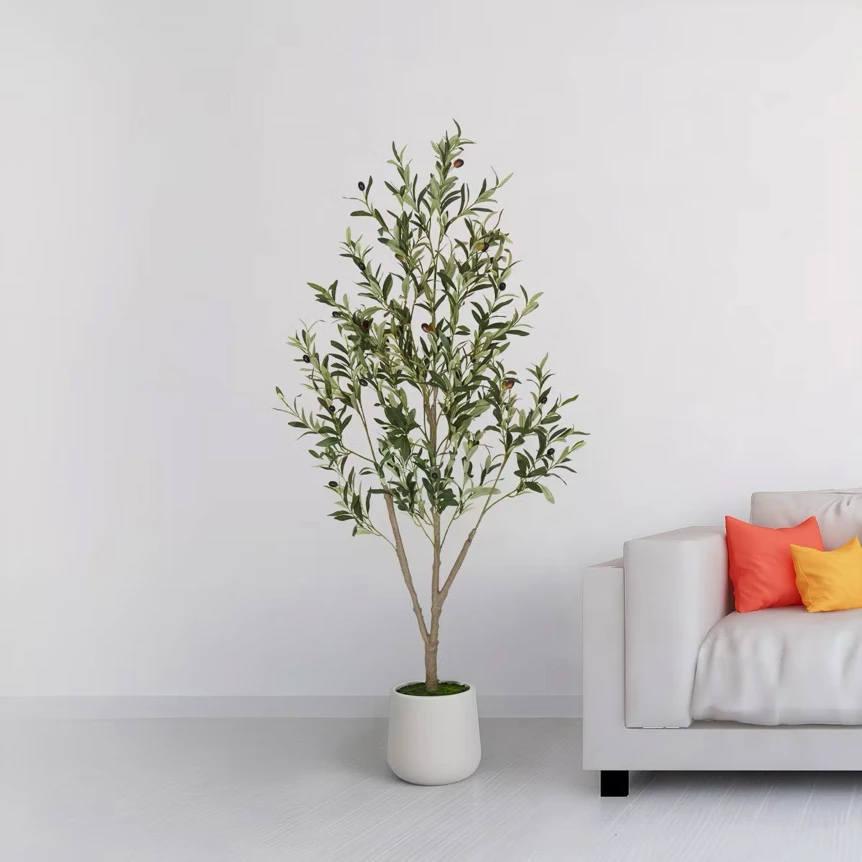
One large plant beats five small ones. A single fiddle leaf fig, olive tree, or rubber plant in a corner does more for a room than a dozen succulents scattered across surfaces. Aim for a plant that reaches at least 5 to 6 feet tall, in a 12 to 14 inch ceramic or terracotta planter. If you don’t trust yourself with real plants, a high quality faux olive or fiddle leaf is genuinely convincing now and lasts forever.
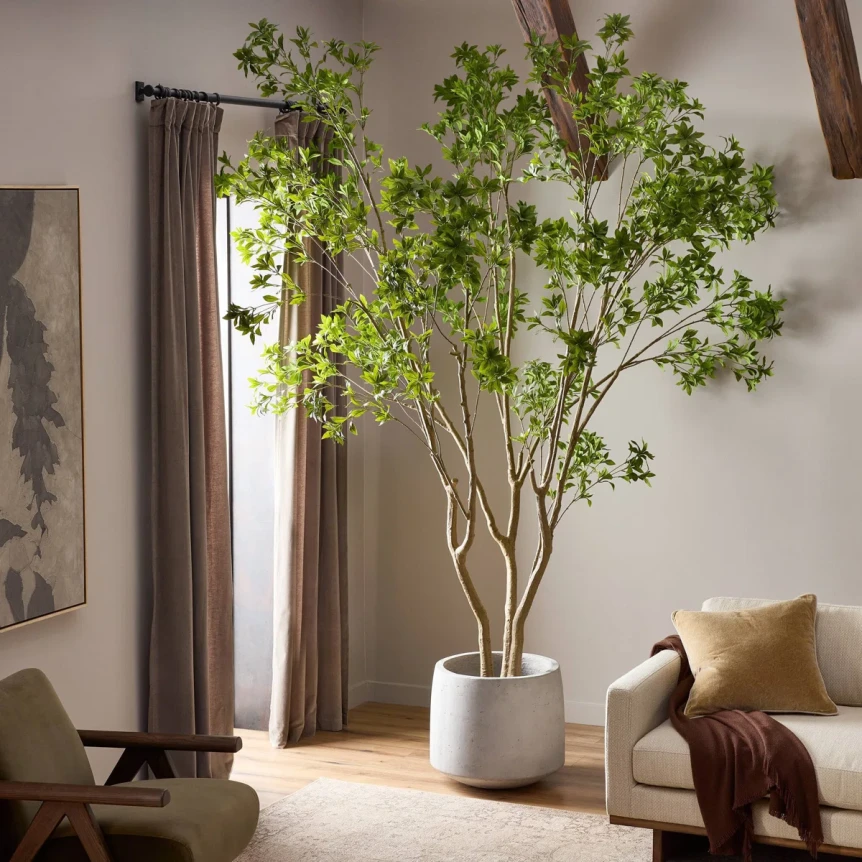
Wood tone in at least two pieces. If the only wood in the room is the coffee table, the tone reads as accidental. A wood coffee table plus a wood console (or a sideboard, or a TV stand) creates a deliberate warm thread through the room. For more on the case good pieces that ground the wood story, our sideboard buying guide and modern TV stand guide cover what to look for.
The wood tones don’t need to match exactly. In fact, mixing two compatible tones (a walnut coffee table with a white oak sideboard, for example) reads as more layered than perfect matching.
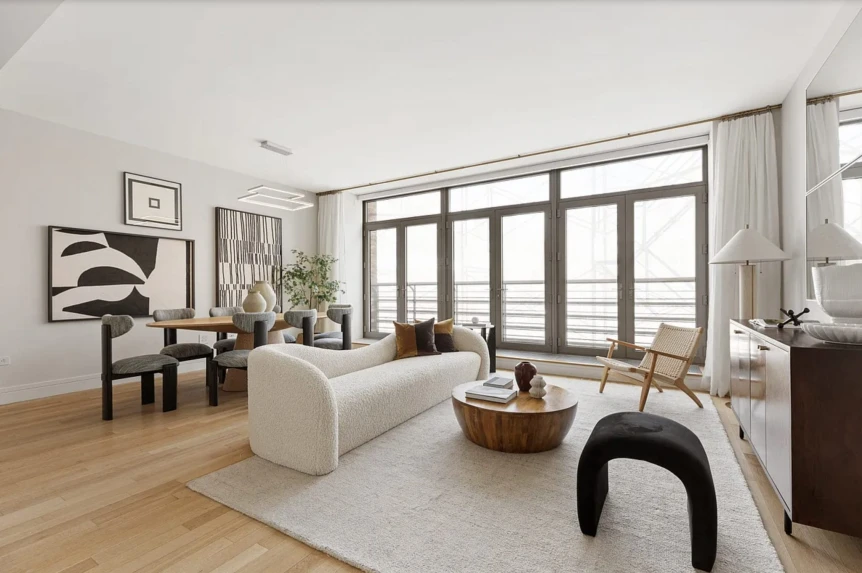
6. Style the Coffee Table With the Rule of Three
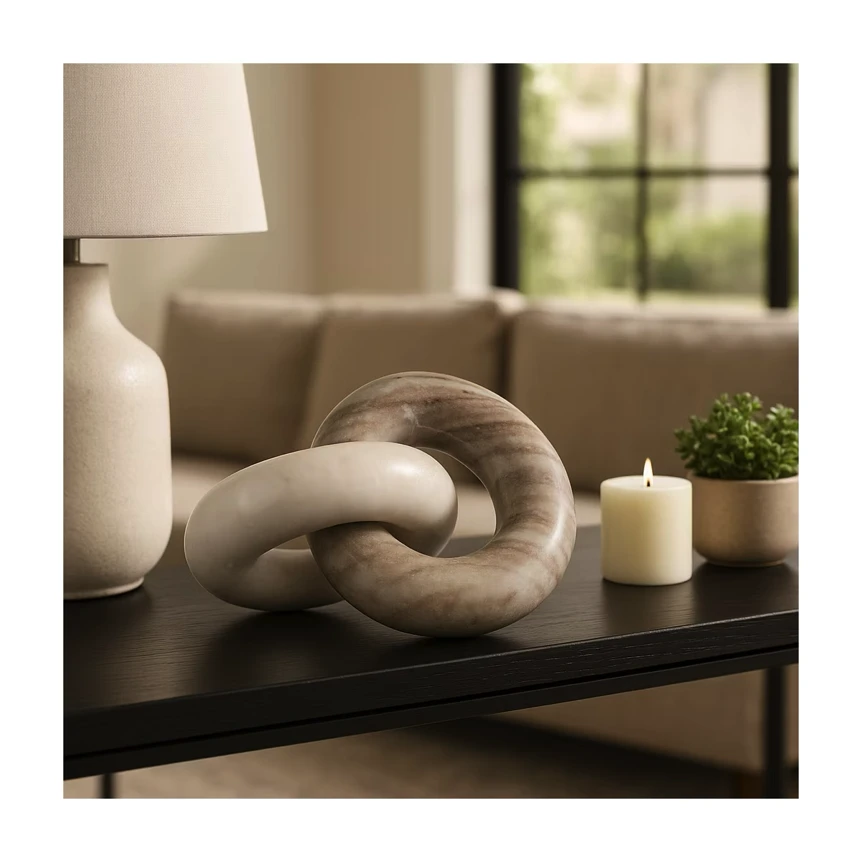
The coffee table is the most styled and most over styled surface in the house. The simplest formula that always works: a tray, a stack of two or three books, and one organic element. Three things, no more.
The tray grounds the arrangement and gives you a place for remotes, a candle, or a small bowl. Pick a tray that’s roughly one third the surface area of the table and made of a contrasting material to the table itself (a marble tray on a wood table, or a wood tray on a stone table).
The books should be horizontal, not vertical, and should be books you’d actually want to flip through. Two or three is enough; a tall stack reads as performative.
The organic element is one of: a small plant, a pillar candle, a bowl of seasonal fruit, or a single sculptural object. Skip the moss balls and decorative orbs. They aged out about three years ago.
Half the surface should stay clear so you can actually use the table. A coffee table you can’t put a glass on is a styling project, not a piece of furniture. For more on choosing the right coffee table proportions and supporting accent pieces, our guide to side tables and accent furniture covers the supporting cast.
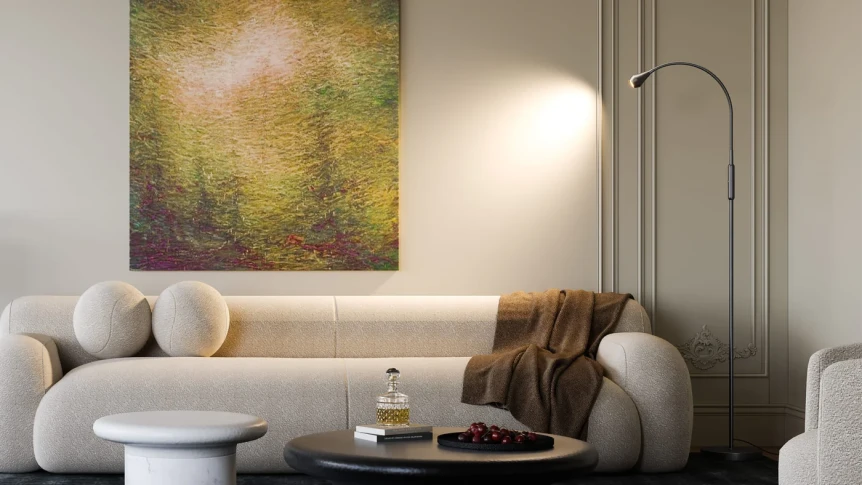
7. Adapting Cozy for Small or Large Rooms
For small living rooms (under 250 square feet)
The instinct is to push everything against the walls. The result is usually a room that feels like a waiting area. Counterintuitively, pulling the sofa 6 to 12 inches away from the wall and floating a small console behind it makes a small room read larger because it adds visual depth.
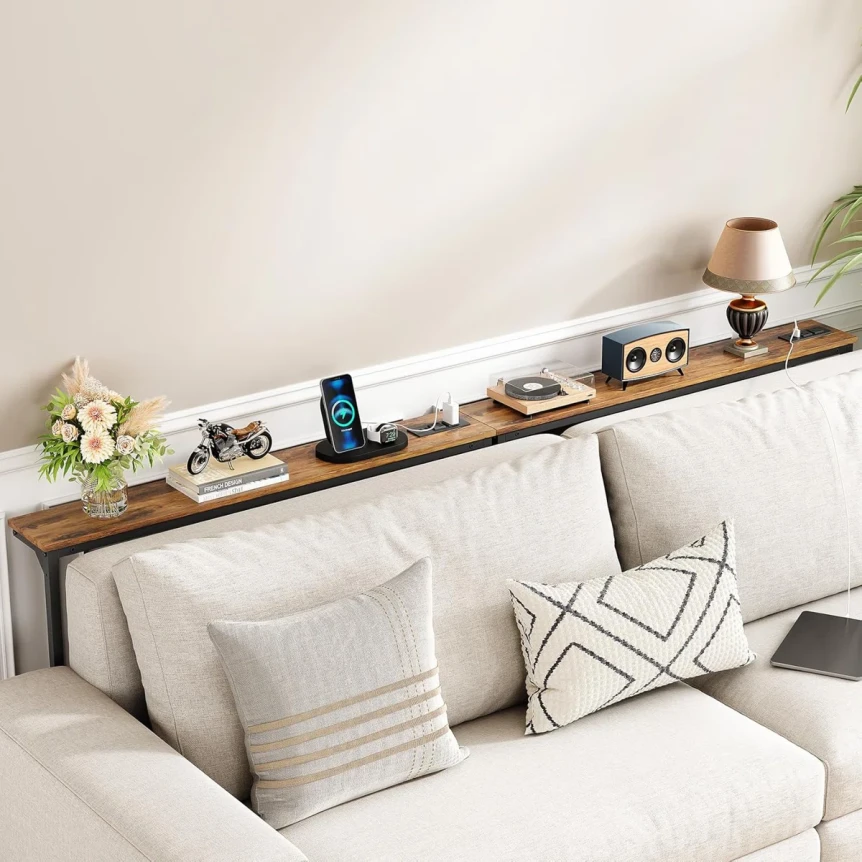
Other small room moves that work: one large mirror on a focal wall (40 inches tall minimum), a single floor lamp instead of multiple table lamps, a smaller scaled coffee table or two nesting tables in place of a single piece. Avoid sectionals, oversized sofas, and any furniture with a heavy visual base. Tapered legs make a room feel more open than skirted bases.
For large living rooms (over 400 square feet)
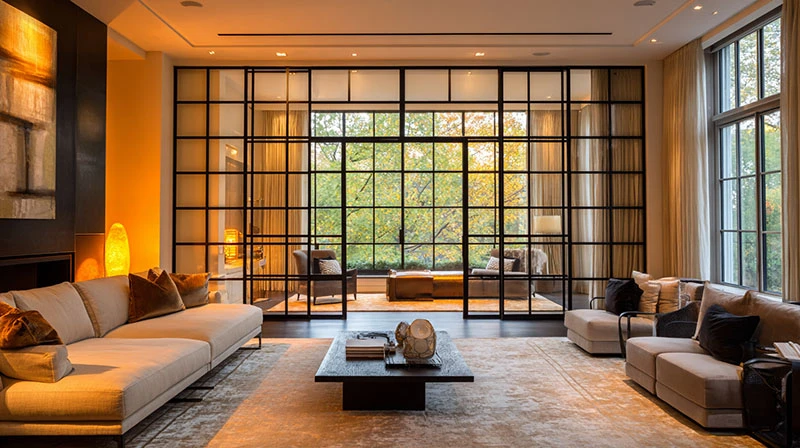
The challenge in a large room is the opposite: too much space between pieces makes the room feel cold and ceremonial. The fix is to break the room into zones rather than treating it as one big rectangle.
The most reliable layout I’d recommend: anchor the main seating area on a large rug (10×14 minimum) with a sectional or two facing sofas, then create a secondary zone with a reading chair, a floor lamp, and a small side table in another part of the room. The two zones should feel related but distinct. Use the same wood tone or a repeating textile color across both to tie them together.
Layered lighting matters even more in a large room. Aim for at least five light sources: two lamps in the main seating area, one in the secondary zone, plus a floor lamp and a wall sconce. Cold corners are what make large rooms feel uninviting; light eliminates them.
What Most People Get Wrong About Cozy
Three patterns I watched repeat at the showroom and in the homes I visited.
They confuse cluttered with cozy. A room piled with throw blankets, layered rugs, and a dozen accent pillows reads as anxious, not warm. Real cozy rooms tend to be more restrained than the magazine version. One throw, four pillows, three things on the coffee table.
They think cozy means small. A 600 square foot great room can be just as cozy as a studio apartment if the lighting and proportions are right. The variable is intimacy, not size. Two facing sofas with a small coffee table between them creates an intimate seating area in the middle of any room. For the full picture, see 10 timeless home decor pieces that belong in every room.
They buy everything at once. Rooms that come together in a single weekend always look like they came together in a single weekend. The most cozy rooms have a piece or two that was inherited, found at an estate sale, or carried over from an earlier apartment. Leave room for things you find rather than buy. For more on the foundational pieces that should anchor the room before everything else, our timeless living room staples guide covers what to spend on first.
Frequently Asked Questions
How do I make my living room feel cozy on a budget?
Lighting and textiles give you the biggest return per dollar. Two warm 2700K floor or table lamps under $100 each, plus a few quality linen pillow covers and a chunky knit throw, will make more difference than any single furniture purchase. The second highest leverage move on a budget is rearranging the layout: pulling the sofa off the wall, repositioning the coffee table, or angling a chair toward the seating area costs nothing and often transforms how the room feels.
What color palette works best for a cozy living room?
Warm neutrals with one or two saturated accent colors. Think oatmeal, cream, terracotta, olive, and rust as the base, with one bolder color (deep navy, forest green, or burnt sienna) used in pillows or art. Pure cool grays and stark whites read as cold, especially under warm lighting. If your existing walls are cool toned, warm them up with linen curtains and natural wood furniture rather than repainting.
How many throw pillows should I have on a sofa?
Four for a standard 84 inch sofa: two 22 inch back pillows and two 18 to 20 inch front pillows. Sectionals can handle five or six. More than that and the pillows start eating into actual seating space, which works against the goal. The eye should also be able to rest on the sofa: too many competing patterns and textures make a room feel busy rather than cozy.
What's the best lighting temperature for a cozy living room?
2700K, full stop. This is the standard warm white temperature that mimics incandescent bulbs and reads as candlelight. 3000K starts to look slightly cool, and anything 3500K or higher reads as office or commercial lighting. Avoid bulbs labeled ‘daylight’ or ‘cool white’ anywhere in the living room. If you’re not sure what temperature your bulbs are, check the box; it’s usually printed near the wattage.
Can a small living room actually feel cozy, or does cozy require a big room?
Small rooms have a built in advantage with cozy: the proportions are already intimate. The mistakes that hurt small rooms aren’t about size, they’re about scale and lighting. Oversized furniture, undersized rugs, and one harsh overhead light will make any small room feel cramped and cold. Right scaled furniture, a properly sized rug, and three layered light sources will make the same room feel like a retreat.
The Bottom Line
The cozy living room isn’t a styling exercise. It’s the result of getting four things right: a sofa you actually want to sit on, a rug big enough to ground the room, layered warm lighting, and restrained styling that leaves room for life to happen. Everything else is finishing.
For the broader picture of how these decisions fit together with the rest of a modern living room, our complete guide to modern living room design is the natural next read. If you’re still building out the foundation, the timeless living room staples guide covers the five anchor pieces worth investing in first.