Japandi vs. Minimalist vs. Scandinavian Design: What’s the Difference?

By Tereza Hower | Published April 7, 2026 | Updated October 13, 2026
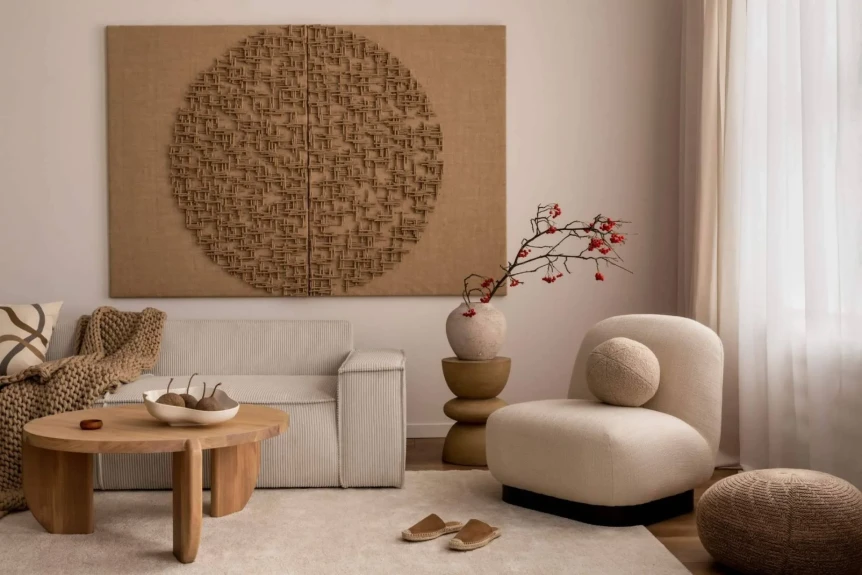
These three styles share enough DNA that they’re often confused with one another. All three value simplicity, natural materials, and intentional living. But the differences, while sometimes subtle, are significant enough to produce very different looking and feeling rooms.
Understanding where these styles overlap and where they diverge will help you identify which approach resonates most with you, or whether a blend of two or more is the right path.
Defining Each Style
Japandi
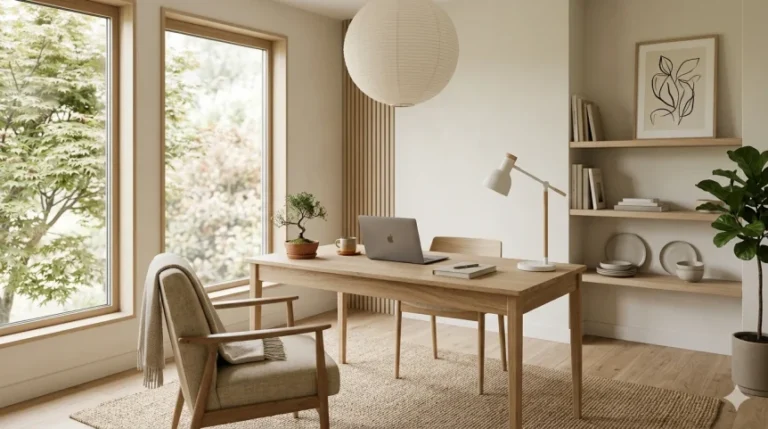
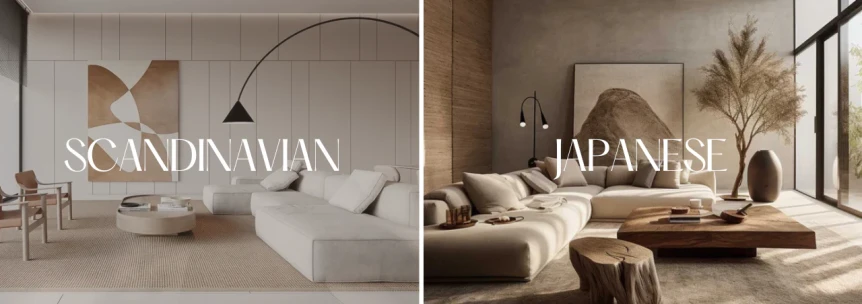
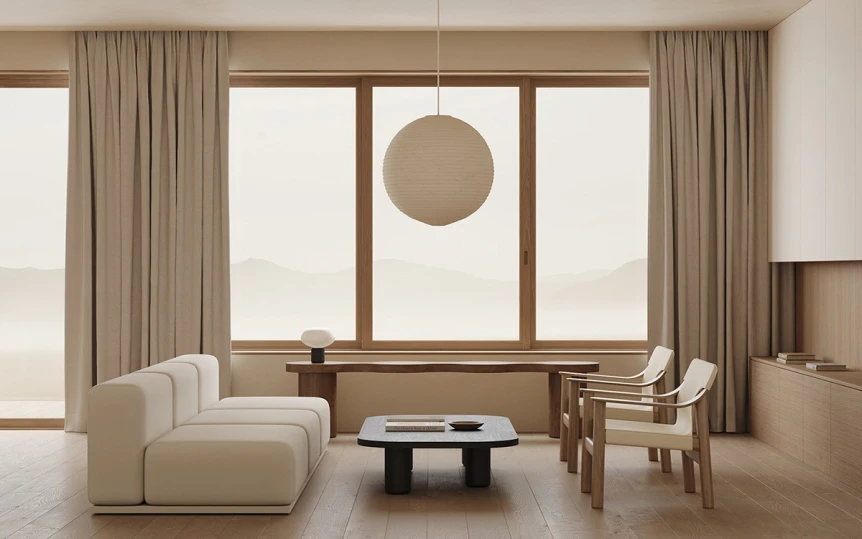
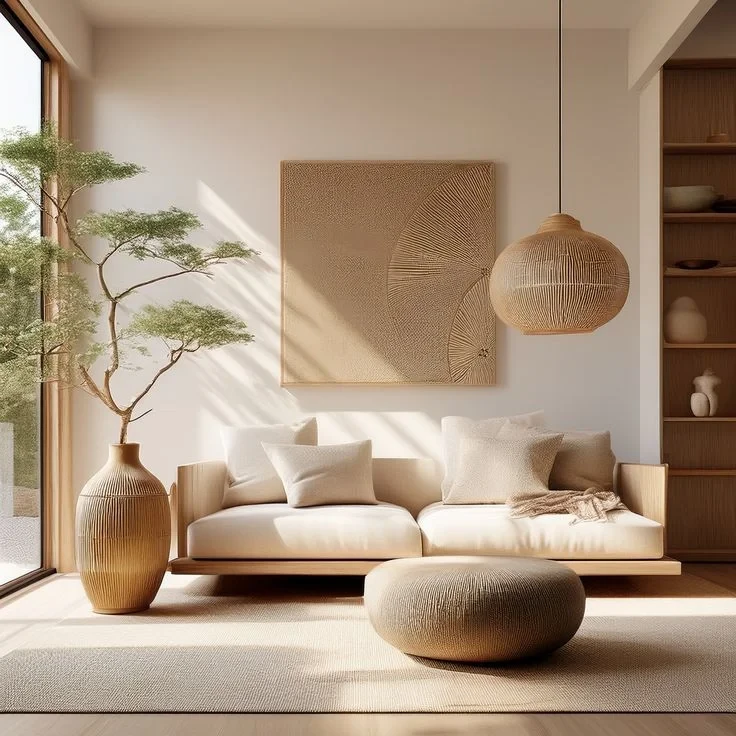
Japandi combines Japanese aesthetics (wabi sabi, negative space, low profiles) with Scandinavian warmth (hygge, functional comfort, light wood). The result is a style that’s warm but restrained, simple but textured, and rooted in both natural materials and visible craftsmanship. Japandi rooms tend to feel grounded, intentional, and serene.
For a comprehensive introduction, our complete guide to Japandi interior design covers every aspect of the style in depth.
Minimalism
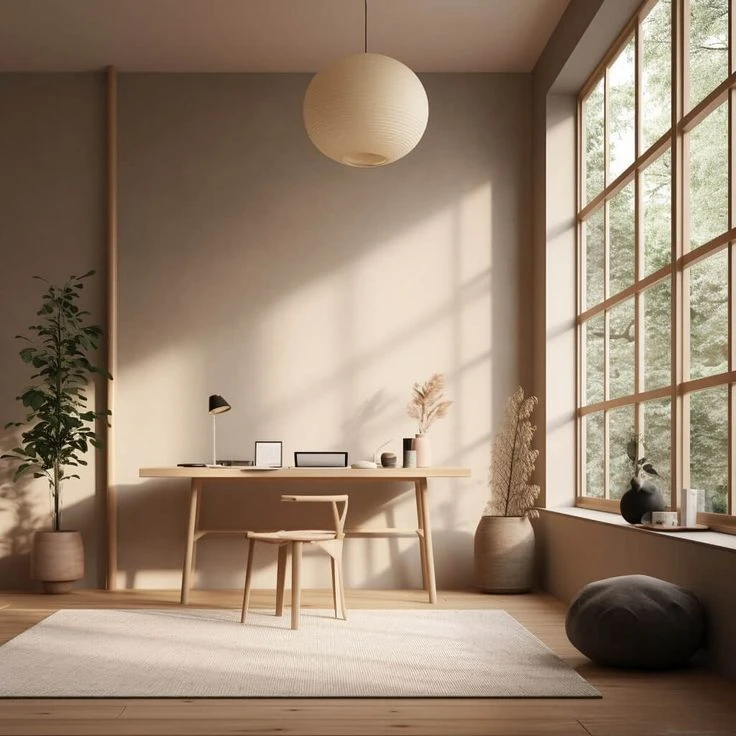
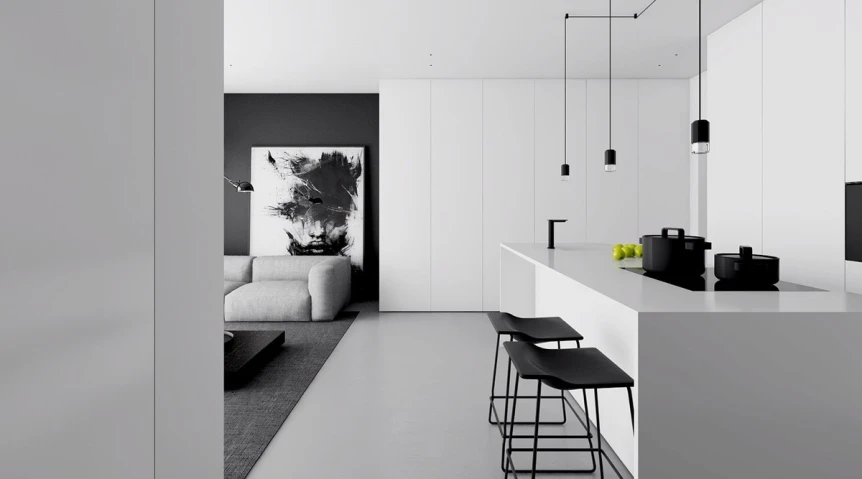
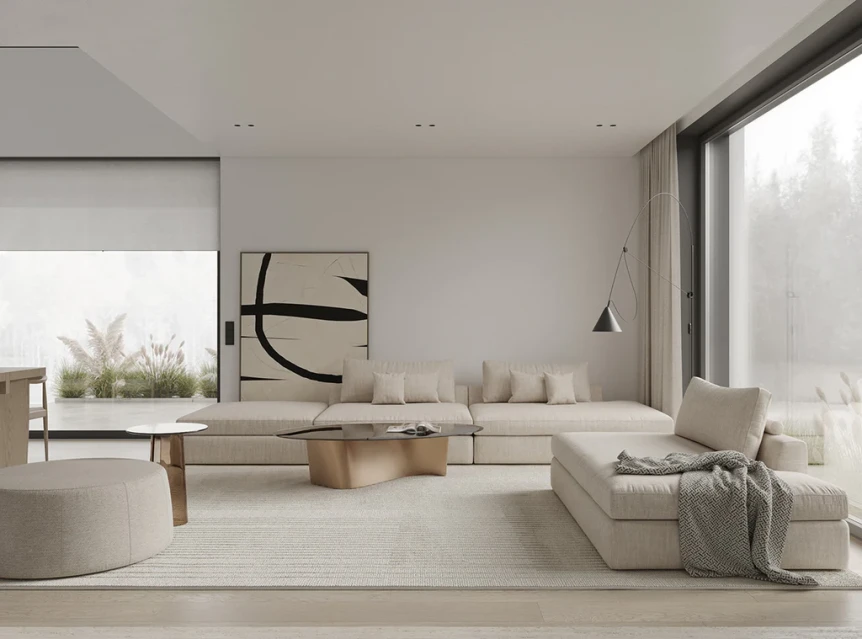
Minimalism is a design philosophy centered on reduction. It asks the question “what can be removed?” and aims for spaces with the fewest possible elements. Color palettes are often monochromatic (white, gray, black). Surfaces are clear. Storage is hidden. The aesthetic can range from warm and livable to quite stark, depending on how it’s executed.
Scandinavian (Nordic)
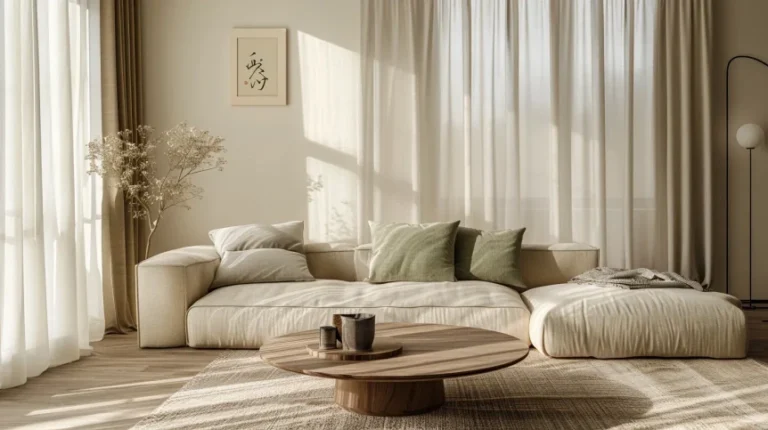
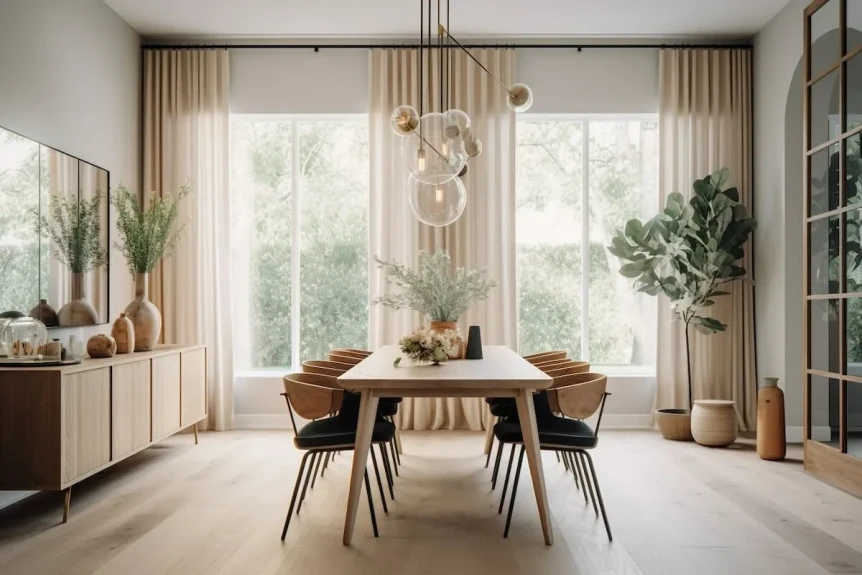
Scandinavian design prioritizes comfort, natural light, and democratic accessibility. It values functionality and simplicity but allows more warmth, color, and personality than pure minimalism. Soft pastels, natural wood, cozy textiles, and a relaxed, lived in quality are hallmarks. The concept of hygge, a feeling of cozy well being, is central to the Scandinavian approach.
Color Palette Comparison
Japandi Colors
Warm whites, creams, muted earth tones, and deeper accents in charcoal, walnut, and black. Japandi palettes are warm but include more dark, grounding tones than Scandinavian design. The balance between light and dark is intentional and reflects the Japanese appreciation for contrast. For specific Japandi palette ideas, see our Japandi color palettes guide.
Minimalist Colors
White, gray, and black dominate. Minimalist palettes tend to be cooler and more monochromatic than Japandi or Scandinavian ones. Color, when present, is used with extreme restraint, perhaps a single accent piece in a muted tone. The focus is on form and space rather than warmth.
Scandinavian Colors
Light wood, warm white, soft pastels (dusty pink, light blue, sage green), and cozy neutrals. Scandinavian palettes are the lightest and brightest of the three, designed to maximize the feeling of natural light during long Nordic winters. They’re warmer and more playful than minimalist palettes but lighter than Japandi.
Furniture Differences
Japandi Furniture
Low profiles, natural wood in both light and dark tones, visible craftsmanship, and honest construction. Japandi furniture reflects both Japanese woodworking traditions and Scandinavian ergonomic sensibility. Pieces tend to be simpler and more geometric than Scandinavian furniture but warmer than minimalist pieces. See our Japandi furniture guide for details.
Minimalist Furniture
Clean lines, often in manufactured materials alongside natural ones. Minimalist furniture can include metal, glass, and engineered surfaces that Japandi typically avoids. Forms are geometric and streamlined. Comfort, while not ignored, takes second place to visual simplicity.
Scandinavian Furniture
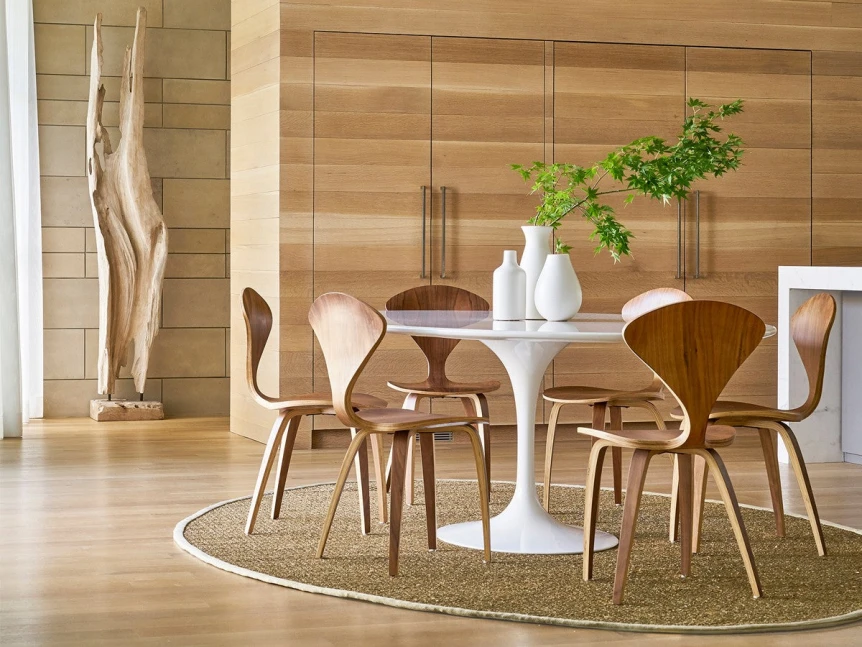
Organic shapes, light wood (birch, pine, beech), and a strong emphasis on ergonomic comfort. Scandinavian furniture often has more visual softness than Japandi or minimalist pieces, with curves, rounded edges, and upholstered surfaces. Mid century Scandinavian pieces are particularly iconic and cross over naturally into Japandi interiors.
Philosophy and Approach
Japandi: Intentional Selection
Japandi asks “does this deserve to be here?” It’s not about having less for the sake of having less. It’s about choosing things that are beautiful, useful, or meaningful and giving them the space to be appreciated. The philosophy draws equally from Japanese respect for objects and Scandinavian respect for comfort.
Minimalism: Deliberate Reduction
Minimalism asks “what can a home live without?” The focus is on stripping away excess to reach an essential core. In its purest form, minimalism values the absence of things as much as the presence of them. This can produce stunning, almost gallery like spaces, but it can also feel cold if not executed with care.
Scandinavian: Comfortable Function
Scandinavian design asks “does this make life better?” Everything in a Scandi room should serve a practical purpose and contribute to physical or emotional comfort. The approach is democratic, believing that good design should be accessible to everyone, not just those with large budgets.
Texture and Material
Japandi
Heavy emphasis on natural materials: wood, ceramic, linen, stone, and wool. Handmade items with visible imperfections are valued. The combination of smooth and rough textures adds richness without clutter.
Minimalism
Materials can be natural or manufactured. Smooth, uniform surfaces are common. Glass, polished concrete, metal, and engineered wood appear alongside natural materials. Texture is less of a focus than form and space.
Scandinavian
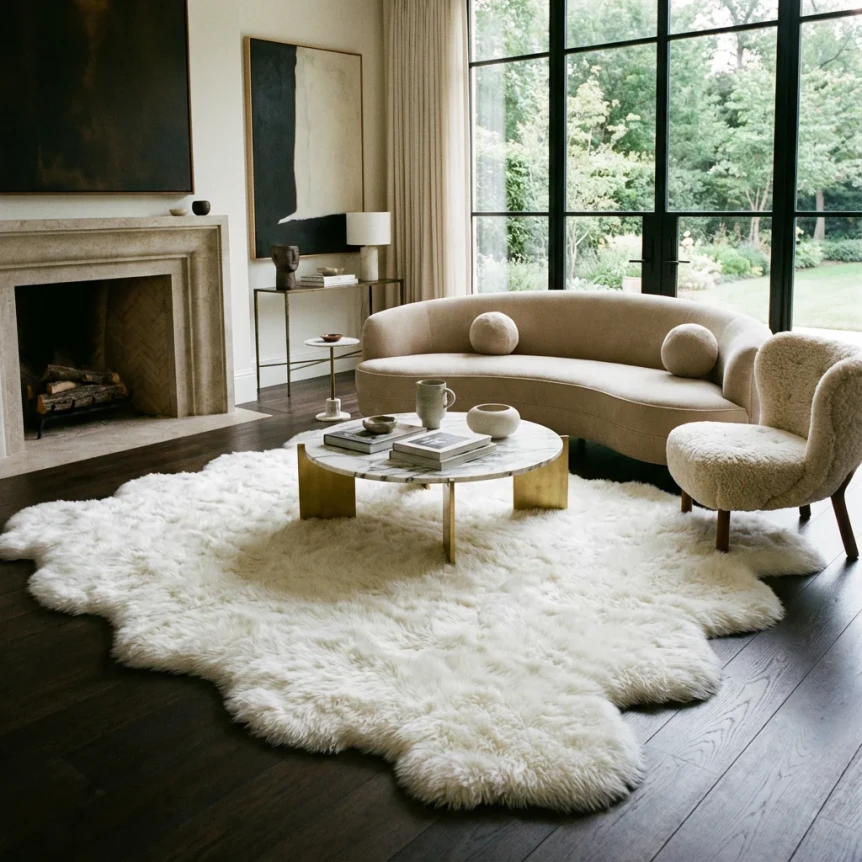
Natural materials are central, especially light wood, wool, cotton, and sheepskin. Texture is important for creating warmth and hygge. Chunky knit throws, sheepskin rugs, and soft cushions are staples that add coziness.
Decor and Styling
Japandi
Restrained but present. Small vignettes of two or three carefully chosen objects. A ceramic vase, a plant, a wooden tray. Walls typically feature one piece of art or are left bare. The styling feels deliberate and curated. For specific styling strategies, see our Japandi decor ideas and styling tips guide.
Minimalism
Minimal to none. Surfaces are kept clear. Art, if present, is typically a single statement piece. Decorative objects are rare. The space itself and the architecture of the room are the primary visual elements.
Scandinavian
More relaxed and layered than either Japandi or minimalism. Candles, books, soft blankets, plants, and personal objects are welcome. The styling has a warm, lived in quality that reflects the hygge philosophy. A Scandinavian room feels approachable and comfortable.
Which Style Is Right for You?
Choose Japandi If
You want a calm, warm environment that values craftsmanship and natural materials. You appreciate both restraint and warmth. You like the idea of fewer, better things. You’re drawn to the balance between light and dark, simple and textured.
Choose Minimalism If
You find peace in open, uncluttered spaces with very few objects. You’re comfortable with cooler tones and more austere environments. You value the visual impact of space and absence as much as the objects themselves.
Choose Scandinavian If
You prioritize comfort and coziness above all else. You enjoy lighter, brighter spaces with soft colors and plenty of textiles. You want a home that feels warm, approachable, and easy to live in, with room for personal touches and everyday objects.
Or Blend Them
These styles are not mutually exclusive. Many beautiful homes incorporate elements of all three. You might use a Japandi color palette with Scandinavian textiles, or minimalist architecture with Japandi furniture. The boundaries are guidelines, not rules, and the best home is one that reflects how you actually want to live.
Conclusion
Japandi, minimalism, and Scandinavian design are three branches of the same tree. They all value simplicity and natural beauty, but they express those values differently. Understanding the distinctions helps you make more intentional choices about which elements to incorporate into your own home, whether you commit fully to one style or draw from all three.
For a full exploration of the Japandi approach specifically, visit our complete guide to Japandi interior design.
Frequently Asked Questions
What is the difference between Japandi and Scandinavian design?
Scandinavian design is lighter, brighter, and more focused on comfort and coziness (hygge). Japandi adds Japanese influences: darker grounding tones, lower furniture profiles, more emphasis on negative space, and a deeper appreciation for imperfection and craftsmanship. Japandi is slightly more restrained and serious, while Scandinavian is slightly warmer and more relaxed.
Is Japandi the same as minimalism?
No. While both value simplicity, Japandi is warmer, more textured, and more focused on natural materials and handmade quality. Minimalism centers on reduction and can feel austere. Japandi centers on intentional selection and always maintains warmth. Minimalism asks what to remove. Japandi asks what deserves to stay.
Can you combine these three styles?
Absolutely. Many homes blend elements of all three. You might use a Japandi color palette with Scandinavian cozy textiles and minimalist clean architecture. The key is understanding what each style contributes so you can combine them intentionally rather than accidentally.
Which style is best for small spaces?
All three work well in small spaces, but Japandi and minimalism are particularly effective because they emphasize fewer pieces and more open space. Japandi adds warmth that minimalism sometimes lacks, making it especially good for small rooms that need to feel both spacious and comfortable.