Japandi Decor Ideas and Styling Tips for a Calm, Curated Home

By Tereza Hower | Published April 7, 2026 | Updated September 7, 2026
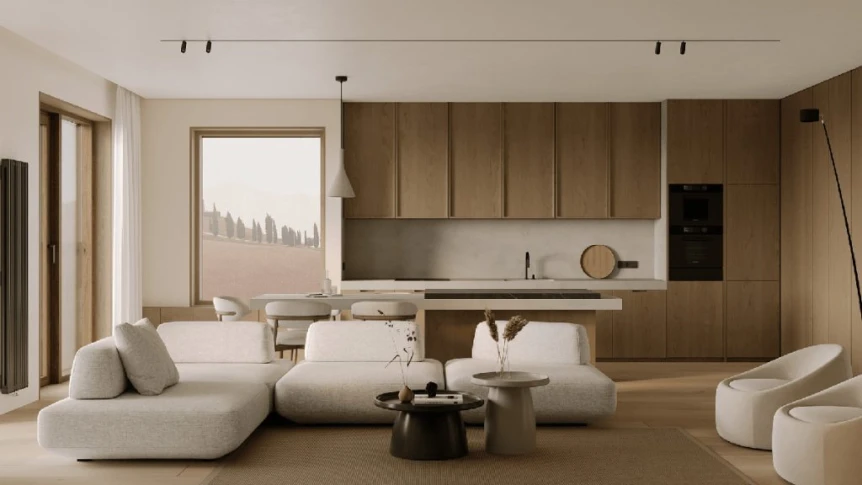
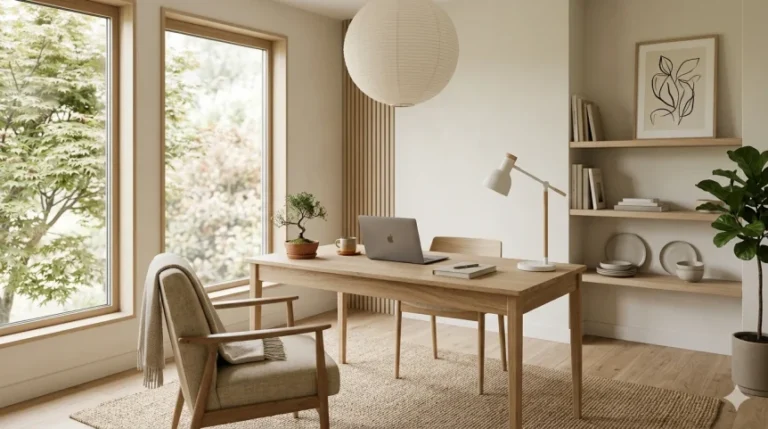
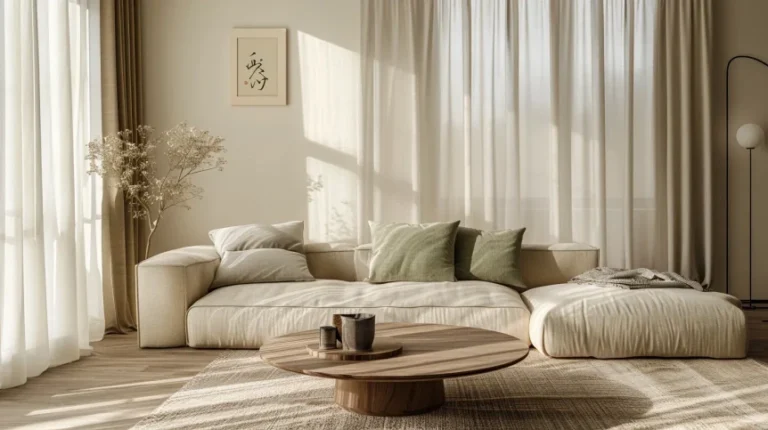
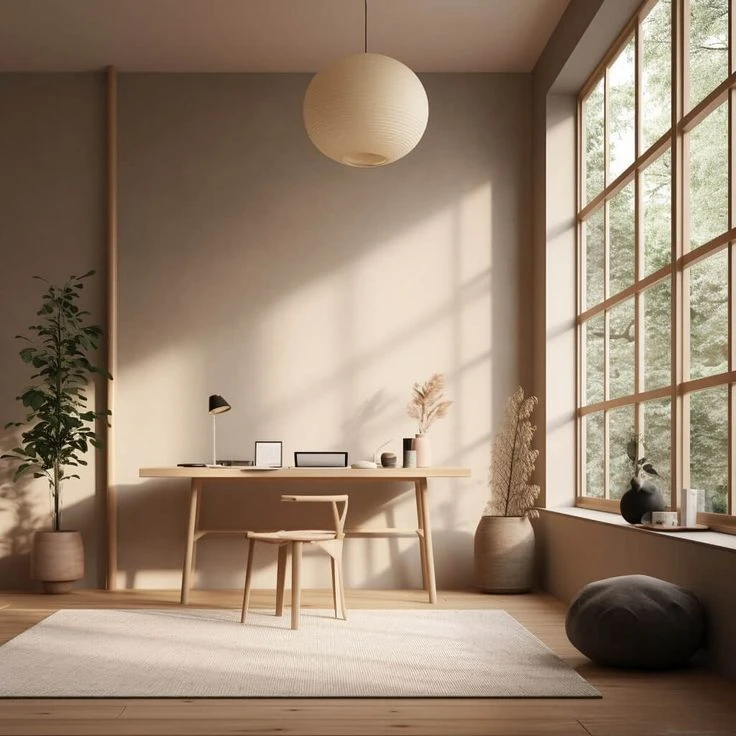
The furniture and color palette set the foundation, but it’s the decor and styling that give a Japandi room its soul. This is where the wabi sabi principle comes alive, in the handmade ceramic on the shelf, the single branch in a vase, the way light falls across a bare wall. Japandi styling is an exercise in thoughtful restraint, where every object earns its place and the space between objects matters as much as the objects themselves.
This guide covers the practical techniques that make Japandi styling feel effortless and intentional, from shelf arrangements and art selection to plant choices and seasonal updates.
The Japandi Approach to Decor
Japandi decor isn’t about decorating in the conventional sense. It’s about curating. The difference is significant. Decorating fills a space. Curating selects and arranges with purpose. In a Japandi home, you’re looking for objects that are beautiful, functional, or both, and then giving them room to be appreciated. Japandi office furniture covers what to check before paying for one.
The Japanese concept of ma, or meaningful negative space, is central here. Empty space isn’t waiting to be filled. It’s an active design choice that lets the objects you do display stand out. If you’re new to the Japandi philosophy, our complete guide to Japandi interior design provides the full context.
The Art of the Vignette
The Rule of Three
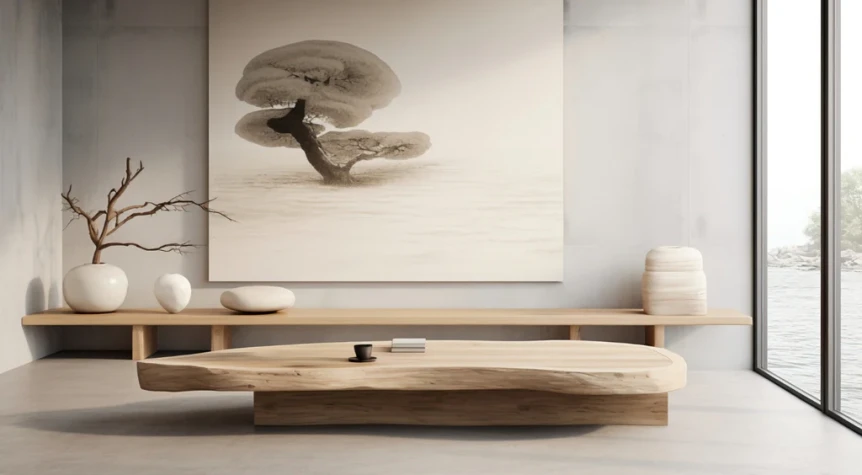
The simplest and most effective Japandi vignette uses three objects that vary in height, material, and shape. A tall ceramic vase, a small potted plant, and a flat stone or wooden tray. A candle in a holder, a small bowl, and a single book. These groupings create visual interest through contrast while remaining simple enough to feel calm.
Material Contrast
Pair different natural materials within the same vignette. Ceramic next to wood. Linen beside stone. Glass alongside pottery. These textural contrasts create richness that color alone can’t achieve, which is essential in a style that relies on such a muted palette.
Asymmetry Over Symmetry
While Japandi values balance, it favors slight asymmetry over rigid symmetry. Objects in a vignette shouldn’t be perfectly centered or evenly spaced. A slight offset, a small gap, or an uneven grouping feels more natural and reflects the wabi sabi appreciation for organic imperfection.
Shelf Styling
Less Than You Think
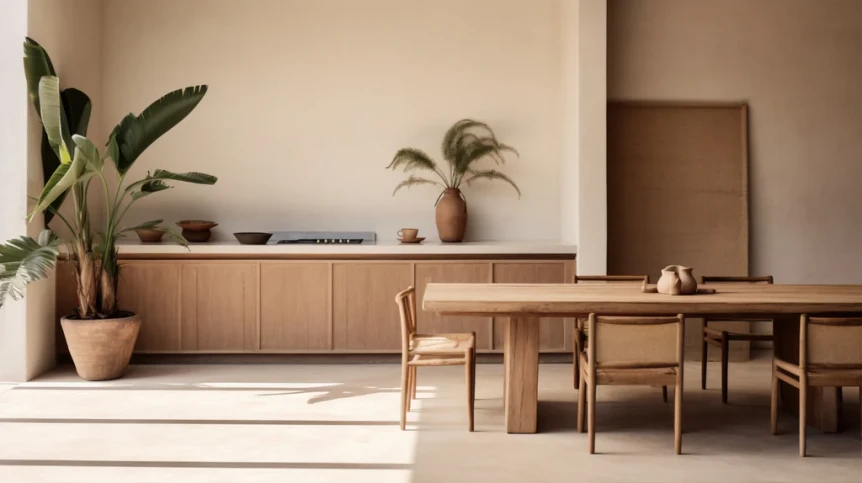
The most common mistake in Japandi shelf styling is putting too much on the shelf. Aim for no more than two or three objects per shelf section. A single book laid flat with a small ceramic on top. A plant in a simple pot beside an empty space. The visible empty shelf space is part of the design, not a gap to be filled.
Varying Heights and Forms
Alternate between taller and shorter objects across shelf sections. If one section has a tall vase, the next might have a low, flat bowl. This variation creates a natural rhythm that guides the eye without overwhelming it.
Books as Decor
Books are welcome in Japandi styling, but they should be displayed intentionally. A small stack of two or three books with covers that complement the room’s palette makes a calm, intellectual statement. Avoid filling entire shelves with books unless you’re creating a dedicated library area.
Choosing Art
Single Statement Pieces
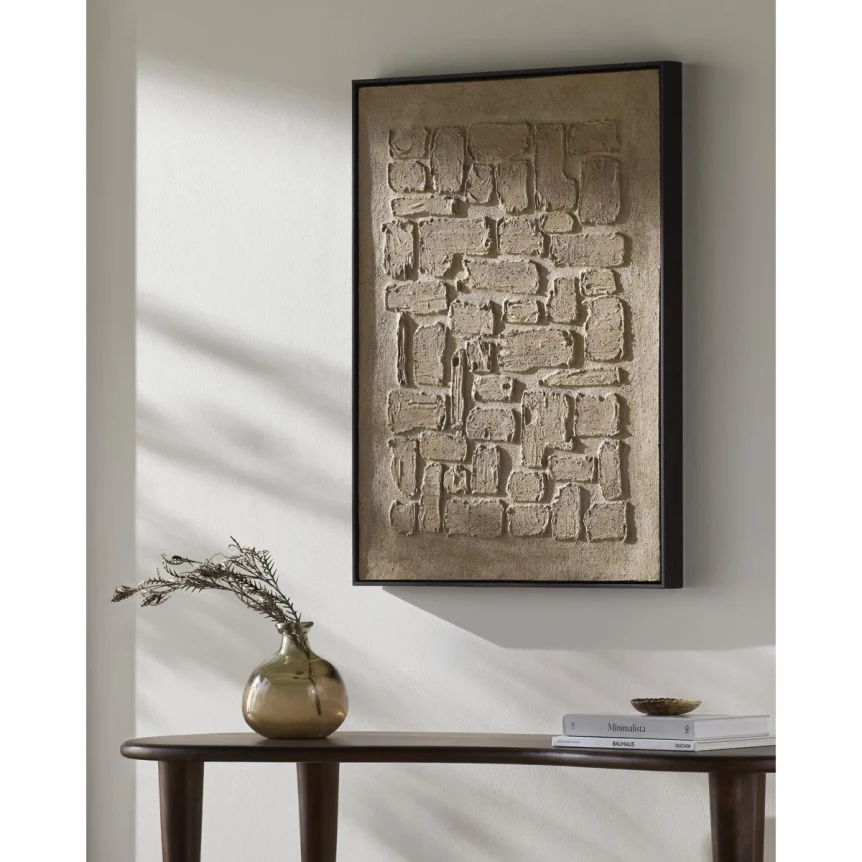
Japandi rooms typically feature one piece of art per wall, or even per room. This gives the piece room to breathe and allows it to serve as a genuine focal point. Choose art that resonates with the style’s values: nature, simplicity, craftsmanship, or quiet contemplation.
Art That Fits the Style
Ink wash paintings, sumi e brush work, botanical illustrations, black and white photography, and abstract compositions in muted tones all align with the Japandi aesthetic. The framing should be simple: thin black, natural wood, or frameless mounting.
Textile Art
A simple woven textile, a piece of handmade paper art, or a single knotted fiber piece can serve as wall art that adds texture alongside visual interest. These pieces connect to the handmade quality that Japandi celebrates.
Ceramics and Pottery
The Wabi Sabi Connection
Handmade ceramics are perhaps the most quintessential Japandi decor element. The uneven glaze, the slight wobble, the visible fingerprint of the maker. These imperfections are the point. They connect to the wabi sabi tradition that finds beauty in the handmade and impermanent.
How to Use Them
Use ceramics functionally: a mug you drink from, a bowl you eat from, a vase that holds a branch. Display a few favorites on a shelf or table as visual objects. The most impactful Japandi ceramics are in earthy, muted glazes: warm gray, sage, cream, charcoal, or soft clay. For color coordination, see our Japandi color palettes guide.
Where to Source
Local potters, independent ceramic artists, and specialty craft retailers are the best sources for authentic handmade pieces. Online platforms that connect buyers with independent makers offer a wide selection. Even simple, well made ceramics from mainstream retailers can work if the form and color are right.
Plants and Natural Elements
Restrained Greenery
Plants in a Japandi home are used sparingly but with intention. One or two statement plants per room is the standard approach. A single fiddle leaf fig in a corner. A small bonsai on a shelf. A snake plant in a ceramic pot on the floor. Each plant should feel like a deliberate placement, not part of a collection.
Bonsai and Ikebana
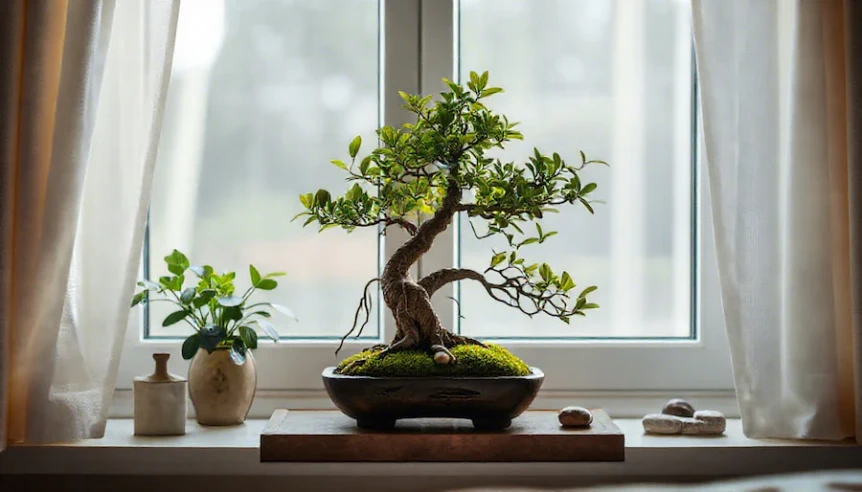
Bonsai trees and ikebana arrangements (the Japanese art of flower arranging) are particularly fitting in Japandi interiors. A small bonsai on a table or shelf adds a distinctly Japanese element. Even a simplified version of ikebana, a single branch or a few stems in a ceramic vase, brings nature indoors with the restraint the style demands.
Dried and Preserved Elements
Dried branches, grasses, and seedpods offer natural beauty without maintenance. A single branch of dried eucalyptus in a tall vase or a few dried grass stems in a small pot can soften a room beautifully and last indefinitely.
Candles and Ambient Details
Candles play a role borrowed from the Scandinavian side of Japandi. A few unscented or subtly scented candles on a coffee table, a shelf, or a windowsill add warmth and atmosphere, especially in the evening. Choose simple, understated holders in ceramic, brass, or wood. The candles themselves should be neutral toned, white, cream, or natural beeswax.
Textiles as Decor
Textiles in Japandi rooms serve a dual purpose: comfort and visual texture. A linen throw draped over the arm of a sofa adds both warmth and visual softness. A wool cushion on a wooden chair creates a tactile invitation to sit. The key is to keep textile colors within the room’s palette and to use them as accents rather than focal points.
For living room specific styling tips, see our Japandi living room ideas guide. For bedroom applications, visit our Japandi bedroom ideas guide.
Seasonal Styling Updates
One of the pleasures of Japandi living is making small, seasonal adjustments to your decor. In spring, swap dried branches for a few fresh blooms. In summer, lighten textiles and open up more negative space. In autumn, introduce warmer tones through a rust colored cushion or a branch of dried leaves. In winter, add more candles and a heavier throw for warmth.
These adjustments keep the home feeling alive and connected to the natural world without requiring major changes or spending.
Styling by Room
Kitchen and Dining
Display a few handmade ceramic bowls on open shelving. Set the dining table with simple, mismatched ceramics. Place a small plant or a single stem in a vase as a centerpiece. For more detailed kitchen and dining strategies, see our Japandi kitchen and dining room ideas guide.
Bathroom
A ceramic soap dish, a wooden tray for toiletries, a small plant on the counter, and a stack of linen towels. Bathroom styling should be the most minimal of any room.
Entryway
A ceramic dish for keys, a small plant, and a simple piece of art or a mirror. Keep the entry uncluttered so it sets a calm tone the moment you walk in.
Conclusion
Japandi styling is ultimately about paying attention. It asks you to notice the shape of a vase, the texture of a surface, the quality of light in a corner. The reward is a home that feels calm, considered, and genuinely beautiful, not because it’s filled with expensive things, but because every thing in it was chosen with care.
For the full framework of Japandi design, from color palettes and furniture to room planning, visit our complete guide to Japandi interior design.
Frequently Asked Questions
How do you style a Japandi home?
Focus on small, intentional arrangements of two or three objects that vary in height, material, and form. Use handmade ceramics, natural wood pieces, and simple plants. Leave plenty of empty space on surfaces and shelves. Choose one piece of art per wall. Keep textiles minimal and within the room’s muted color palette.
What kind of art works in a Japandi room?
Ink wash paintings, botanical illustrations, black and white photography, and abstract work in muted tones all fit the Japandi aesthetic. Choose simple framing in thin black or natural wood. One piece per wall is the standard approach, giving each artwork room to breathe and serve as a genuine focal point.
What plants are best for Japandi interiors?
Snake plants, fiddle leaf figs, bonsai trees, ZZ plants, and simple succulents are all excellent choices. Use one or two plants per room placed with intention. Dried branches and grasses also work well for adding natural elements without the maintenance of live plants.
How do I keep Japandi styling from looking boring?
Focus on texture and material contrast. Pair smooth ceramic with rough wood, soft linen with hard stone, matte surfaces with subtle sheen. Use slight asymmetry in your arrangements. Include at least one darker grounding element to add depth. The visual interest in Japandi comes from material richness and thoughtful placement rather than color or quantity.