Mid-Century Modern Furniture: Key Pieces Worth Knowing

By Tereza Hower | Published April 13, 2026 | Updated April 14, 2026
Mid-century modern furniture is among the most reproduced and referenced in the world. The silhouettes that emerged from this period, the lounge chair with tapered legs, the long low credenza, the molded shell dining chair, have become so familiar that they function almost as shorthand for good design. Understanding the key pieces and what makes them distinctive helps you buy and arrange them with intention rather than instinct.
What Defines Mid-Century Modern Furniture
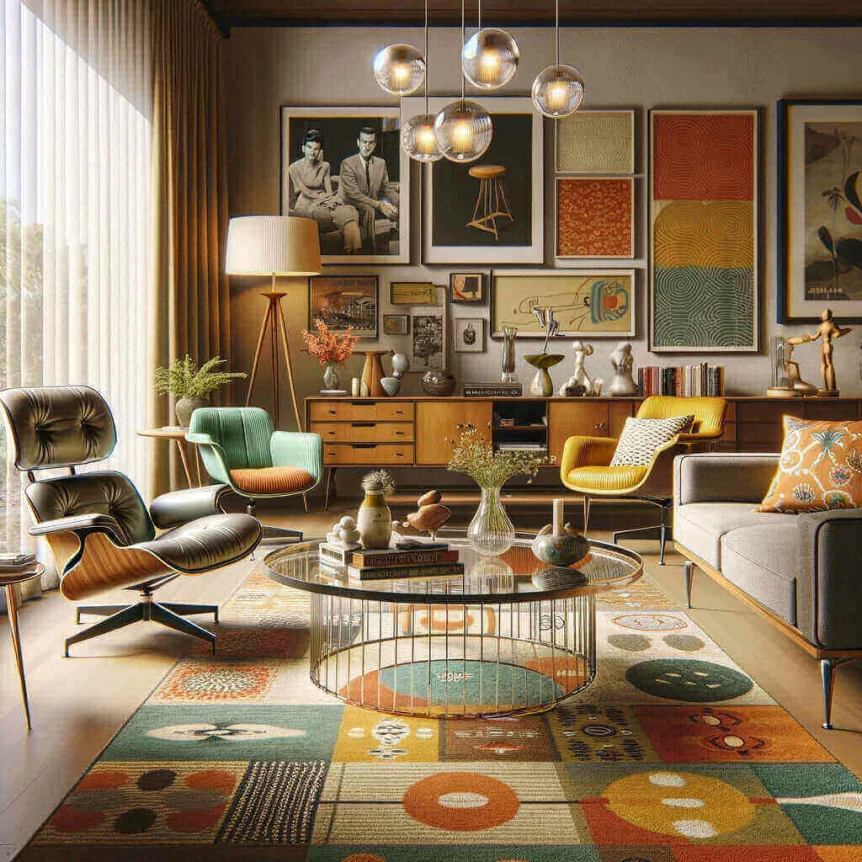
Mid-century modern furniture is characterized by clean lines, organic forms, and a combination of natural and manufactured materials. It was designed during a period when new manufacturing technologies, particularly the ability to mold plywood, fiberglass, and plastic into compound curves, made previously impossible shapes accessible at scale. The result was furniture that was both technically innovative and visually elegant.
Several qualities appear consistently across mid-century modern furniture: tapered legs that lift pieces off the floor, a low horizontal profile, the use of warm wood (particularly walnut and teak), minimal ornamentation, and a balance between form and function that makes the pieces as comfortable to use as they are to look at.
The Lounge Chair
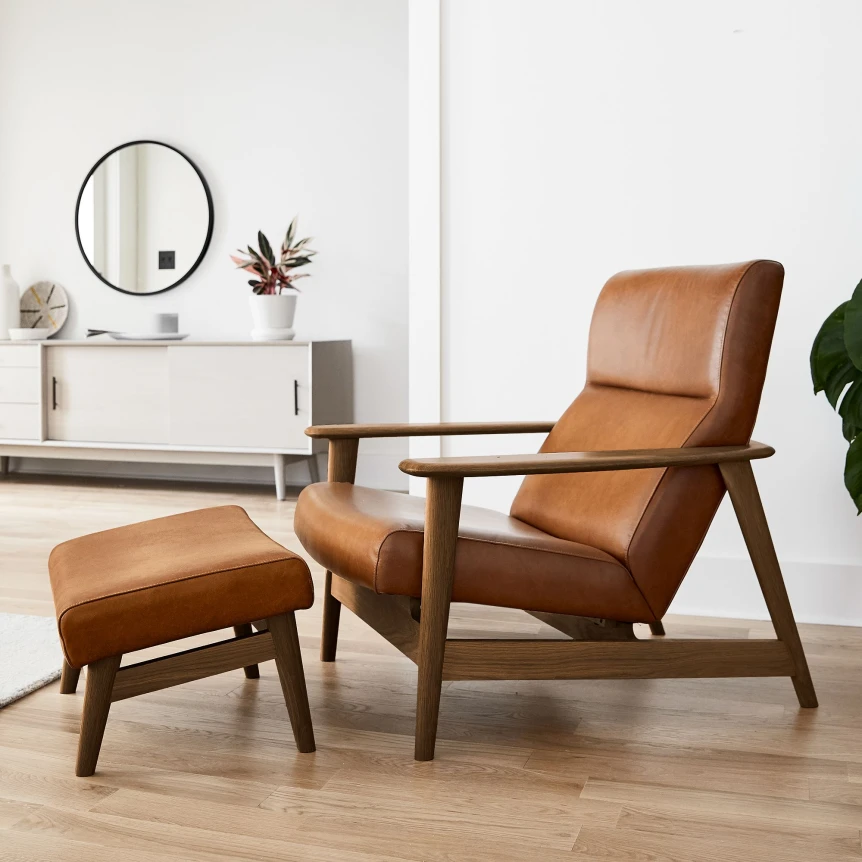
The lounge chair is arguably the most celebrated furniture typology of the mid-century era. The period produced some of the most admired chair designs in history, and most remain in production today.
Key Forms to Know
- The shell lounge chair: A molded seat shell on a wire or wooden base. Lightweight, stackable, and available in a range of colors. Works as both a lounge and dining chair.
- The egg or womb chair: A deeply enveloping upholstered shell on a swivel base. Provides a sense of enclosure and privacy that suits reading nooks and bedroom corners.
- The lounge chair and ottoman: A leather-upholstered molded shell with a matching ottoman. One of the most recognizable luxury furniture forms in the world.
- The sling chair: A canvas or leather seat suspended between a wooden or metal frame. Casual, lightweight, and characteristically mid-century in its combination of materials.
The Credenza and Sideboard
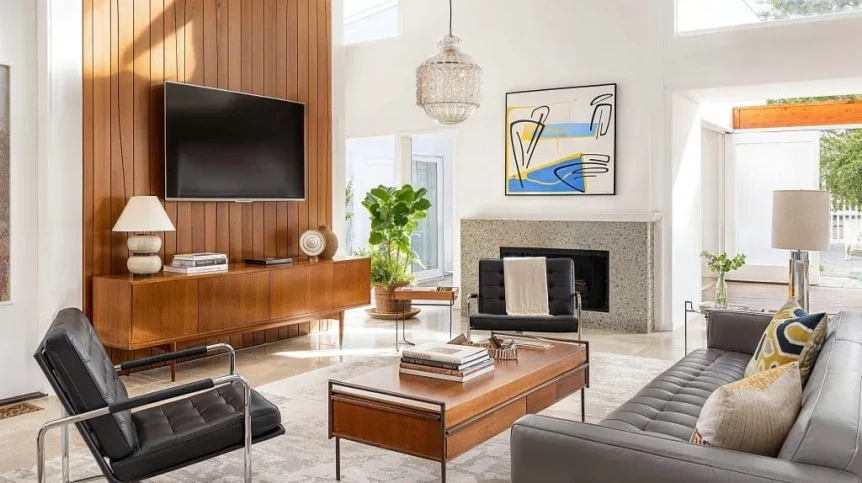
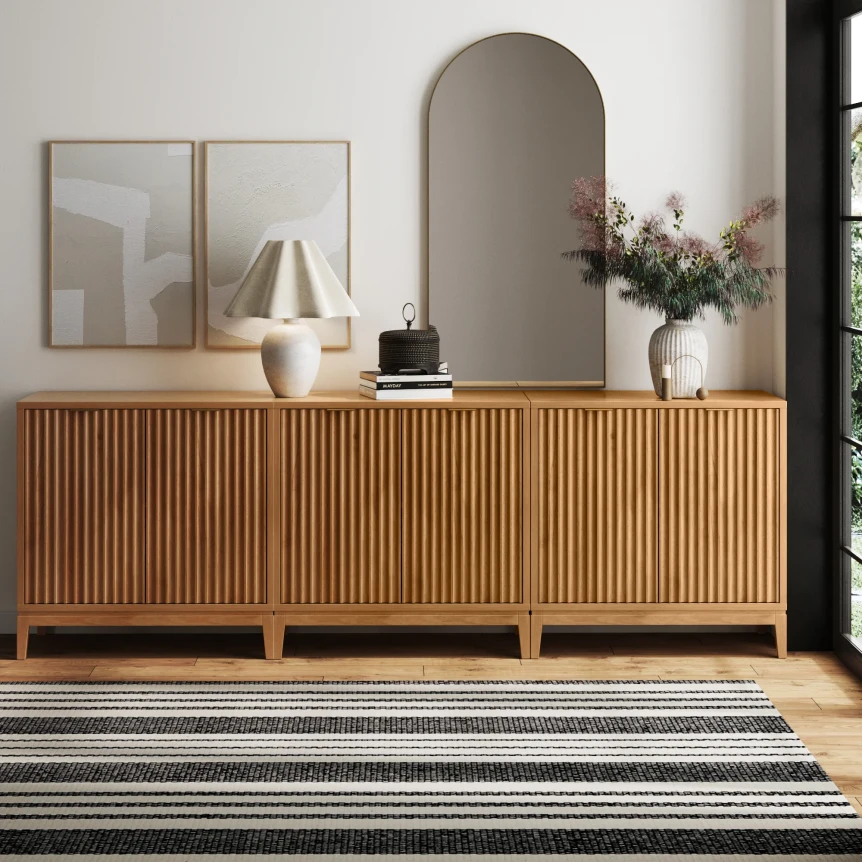
The credenza is one of the most useful and visually important pieces of furniture in a mid-century modern interior. It’s long and low, typically between 60 and 80 inches wide and no more than 30 inches tall, with tapered legs, sliding or hinged door fronts, and minimal hardware. In walnut or teak, it anchors a living room or dining room wall immediately.
The top surface of the credenza serves as a display area as much as a functional surface. The wall above it is proportioned for art, a mirror, or a carefully arranged collection. This relationship between the credenza and the wall above it is one of the most characteristic compositional arrangements in mid-century modern interior design.
The Sofa
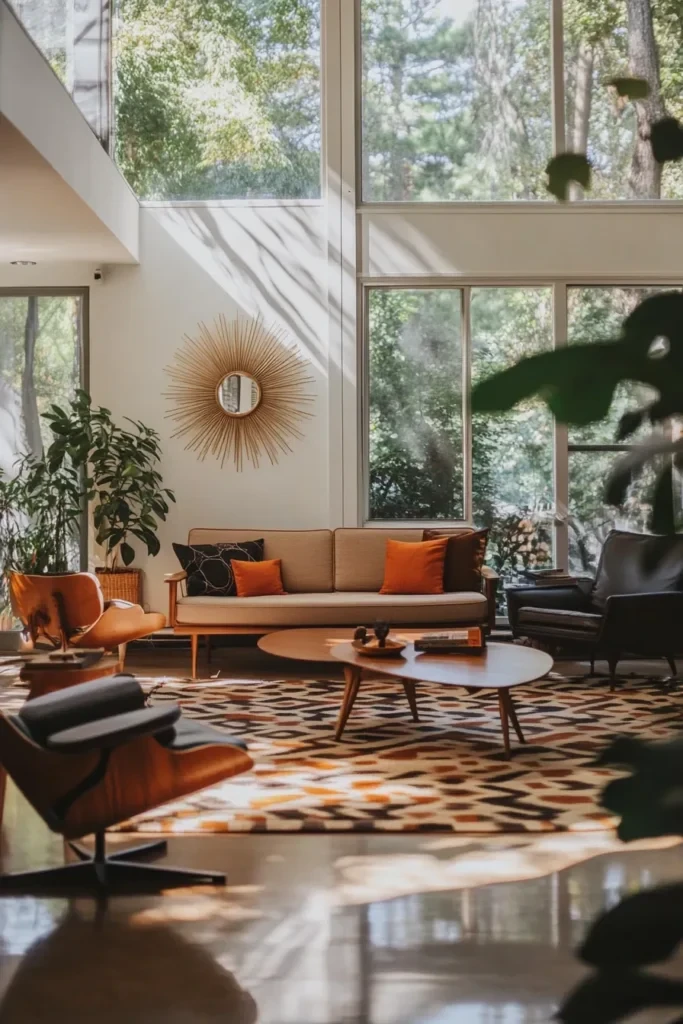
A mid-century modern sofa has a low, linear profile with a straight, tailored back and tapered wooden legs. Track arms at the same height as the back create a clean rectangular silhouette. The sofa should feel generous and comfortable without being oversized or overstuffed.
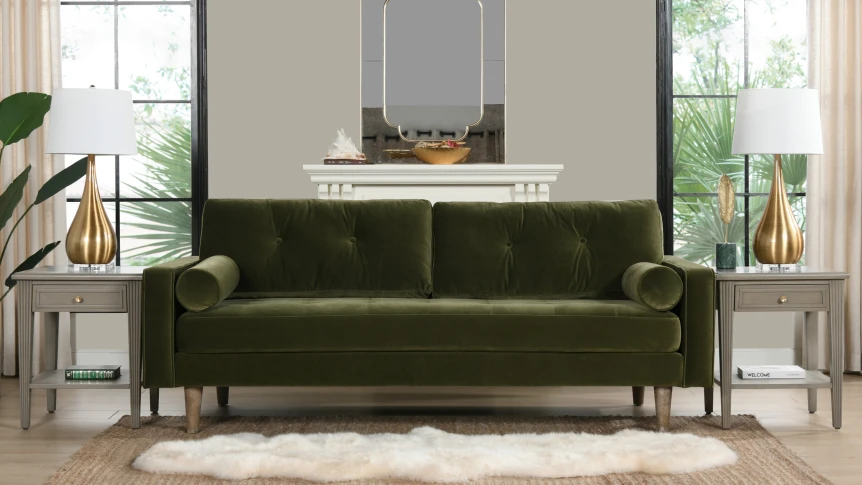
When choosing a sofa for a mid-century modern room, the leg detail is the most important indicator of authenticity to the style. Visible tapered wooden legs, whether in walnut, oak, or a darker stain, immediately establish the aesthetic. A sofa that sits on a plinth or has no visible leg structure will not read as mid-century regardless of its other qualities.
The Dining Chair
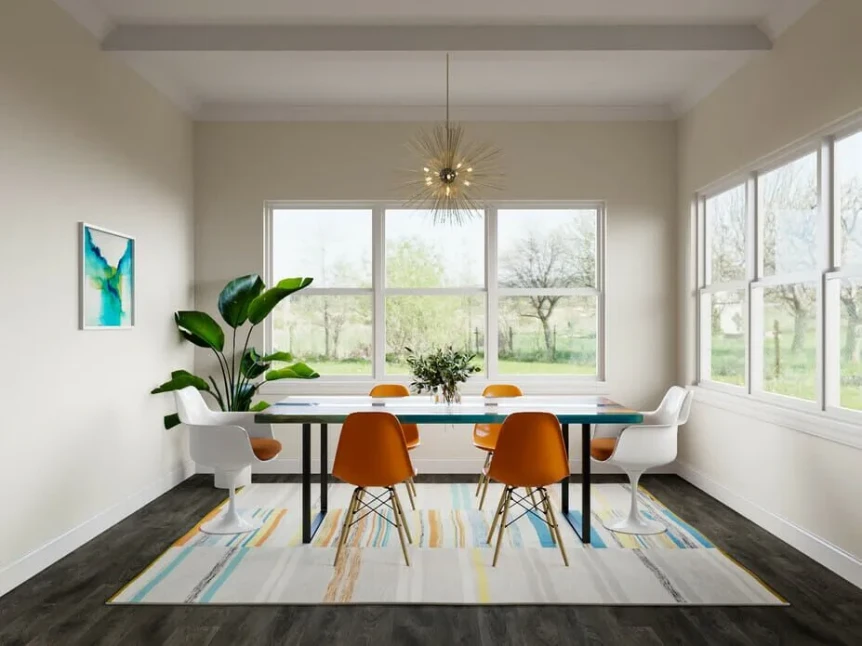
Mid-century modern dining chairs divide into two main groups: molded shell chairs and upholstered chairs with tapered legs. Both are extensively documented and widely reproduced.
Shell chairs are lighter, more casual, and available in a range of colors that allow for personality in an otherwise restrained room. Upholstered chairs are warmer and more formal, and work particularly well in dining rooms that lean toward the sophisticated end of the mid-century spectrum. Mixing the two typologies, upholstered chairs at the ends of a table and shell chairs along the sides, can produce an interesting and well-balanced dining arrangement.
The Coffee Table
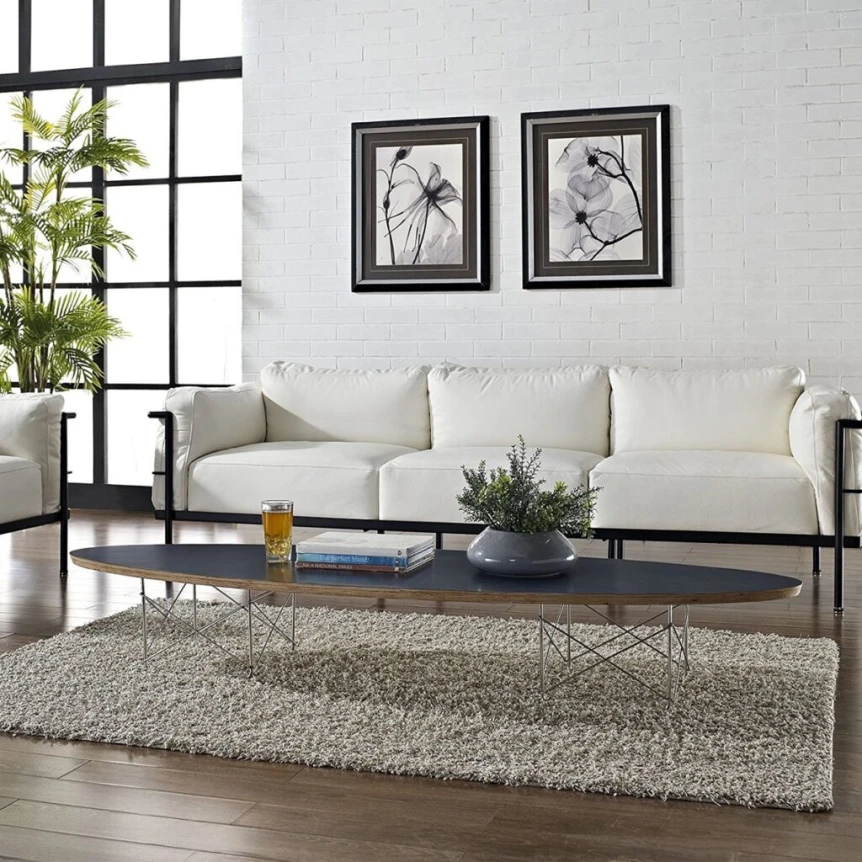
Mid-century modern coffee tables are low, with organic or geometric forms and mixed materials. Wood, glass, stone, and metal all appear, sometimes in combination. The table should sit comfortably low relative to the sofa, at roughly the same height as the seat cushion or slightly below.
Round and oval coffee tables suit mid-century modern rooms particularly well because they echo the organic forms that define the style. A rectangular table with hairpin or tapered legs is equally appropriate and tends to work better in larger rooms where a round table might feel lost.
Originals, Licensed Reproductions, and Inspired Pieces
The market for mid-century modern furniture includes original vintage pieces, licensed reproductions sold by authorized manufacturers, and unlicensed pieces inspired by the same design language. Each has its place depending on budget, priorities, and how important authenticity is to you personally.
Original vintage pieces have the appeal of age and authenticity but require more research and care. Licensed reproductions are made to original specifications and carry the quality and precision of the original design. Inspired pieces follow the same aesthetic principles without copying a specific design, and are the most accessible option at a wide range of price points. The key is to prioritize the quality of the construction and materials over the name on the label.
For room-specific guidance on how these pieces come together, see Mid-Century Modern Living Room Ideas and Mid-Century Modern Bedroom Ideas. For color and pattern guidance, read Mid-Century Modern Color Palettes and Patterns. And for the complete style reference, visit The Complete Guide to Mid-Century Modern Design.
Frequently Asked Questions
What are the most iconic mid-century modern furniture pieces?
The Eames Lounge Chair and Ottoman, the Egg Chair, the Womb Chair, the molded shell chair, the tulip table and chair by Eero Saarinen, the Noguchi coffee table, and the Barcelona Chair are among the most recognized mid-century modern furniture designs. Many remain in production today through licensed manufacturers.
How do I know if a piece of furniture is genuinely mid-century modern?
Look for tapered legs, a low horizontal profile, warm wood construction (particularly walnut or teak), minimal ornamentation, and forms that balance clean lines with gentle organic curves. Authentic mid-century pieces from the period will typically show signs of age. Licensed reproductions are made to original specifications and are documented. Inspired pieces follow the same aesthetic principles without copying a specific design.
Can I mix mid-century modern furniture with other styles?
Yes, and this often produces more interesting results than a room that’s entirely mid-century. Mid-century modern furniture pairs particularly well with contemporary minimalism, Scandinavian design, and organic modern aesthetics. The warm wood tones and clean lines of mid-century pieces work as anchors in rooms that incorporate other styles, as long as the overall palette and material language remain cohesive.
What is the difference between mid-century modern and retro furniture?
Mid-century modern refers specifically to the design movement and its principles: clean lines, organic forms, natural materials, and functional focus. Retro is a broader term that refers to anything stylistically reminiscent of a past era, and can include kitschy or nostalgic interpretations that don’t follow genuine mid-century design principles. Mid-century modern is a specific aesthetic; retro is a broader cultural attitude toward the past.
Invest in the Silhouette
Mid-century modern furniture is defined by its silhouette above all else. The tapered leg, the low profile, the organic curve are what establish the aesthetic, regardless of brand, price, or provenance. Buy the best version of the right silhouette that your budget allows, and build the room around pieces that have genuine character rather than just approximate it.
For the full style foundation, return to The Complete Guide to Mid-Century Modern Design.