Hall Tree Buying Guide: What to Check Before You Buy

By Tereza Hower | Published March 5, 2026 | Updated September 4, 2026
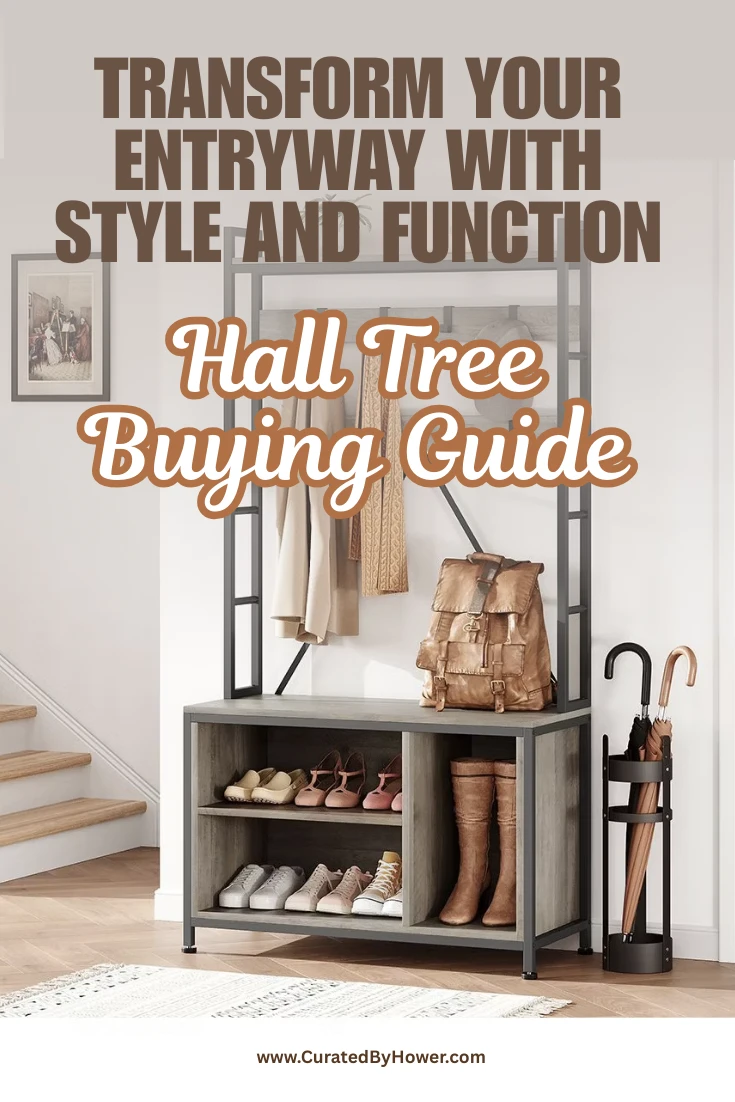
The hall tree is the most undervalued piece of furniture in most homes. It is also the only one that earns its place by reducing decisions you make 30 times a day: where the keys go, where the coat goes, where the shoes land before they migrate into the rest of the house.
A hall tree is not a coat rack with a bench attached. It is a small, integrated entryway system that turns the chaos of arriving and leaving into a single fixed routine. Choose the right one and the daily friction of the front door disappears within a week.
A hall tree is a freestanding or wall-mounted entryway furniture piece that combines hooks for coats, a seat or bench, and built-in storage (shelves, cubbies, or a drawer) into one piece. The form replaces the loose collection of coat rack, bench, and shoe basket that most entryways accumulate by accident. It works hardest in homes without a coat closet or a dedicated mudroom.
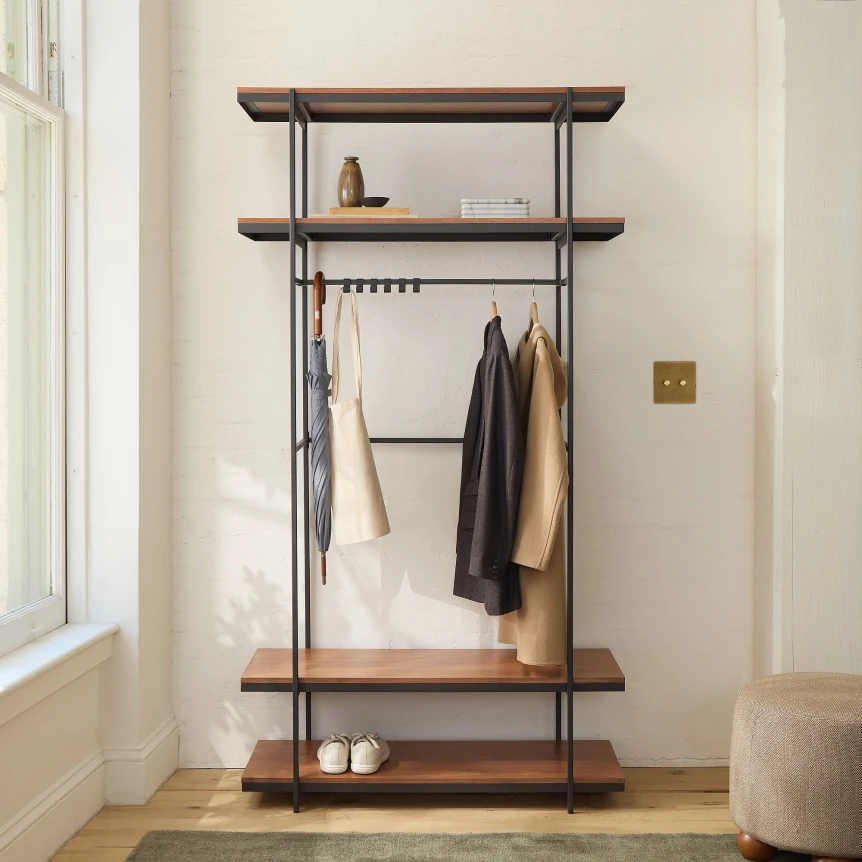
Why a Hall Tree Earns Its Place at the Door
A coat rack stores coats. A bench seats people putting on shoes. A shoe rack stores shoes. The hall tree does all three in roughly the same floor footprint, and it does each one slightly worse than a dedicated piece would. It also does each one better than the version most homes have, which is no piece at all.
The case for the hall tree comes down to friction. Every additional surface, hook, and bin a household needs is one more decision per use; one piece that handles all of them removes that decision permanently.
- Hooks at the right height for adult coats and bags, typically 60 to 68 inches from the floor
- A bench at the right height for sitting to put on shoes, typically 17 to 19 inches
- Storage at the right height for the items the household actually uses daily: shoes in open cubbies, accessories in closed drawers
- A top shelf or rail for hats, gloves, or a single decorative object that signals the room continues past the door
How a Hall Tree Differs from a Coat Rack
A coat rack is a vertical piece with hooks or pegs and almost nothing else. A hall tree is structured around the relationship between the hooks, the seat, and the storage; the three are sized to each other so the bench sits directly under the hooks and the cubbies sit directly under the bench. The integration is the entire point.
Pieced-together versions of the same furniture rarely sit at the right proportions. A separate coat rack and bench almost always end up too far apart, with the bench landing where shoes get kicked under it and the rack standing in a place that is awkward to actually reach with a wet jacket.
Hall Tree Types
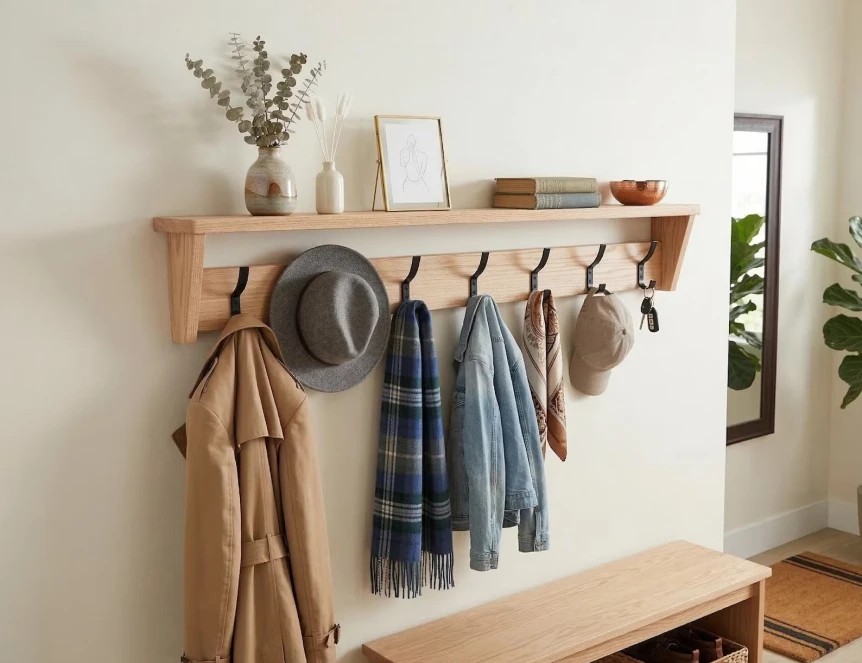
Compact Wall-Mounted Hall Trees
A wall-mounted hall tree (sometimes called an entryway organizer) is a horizontal panel with hooks, a small shelf, and sometimes a single shoe shelf below. It is the right pick for narrow hallways, small apartment entryways, or any spot under 24 inches wide. The tradeoff is no seat; sitting to tie shoes happens leaning against the wall instead of on a bench. The same small-space thinking applies elsewhere in a tight home: the best storage beds that maximize space covers the bedroom equivalent.
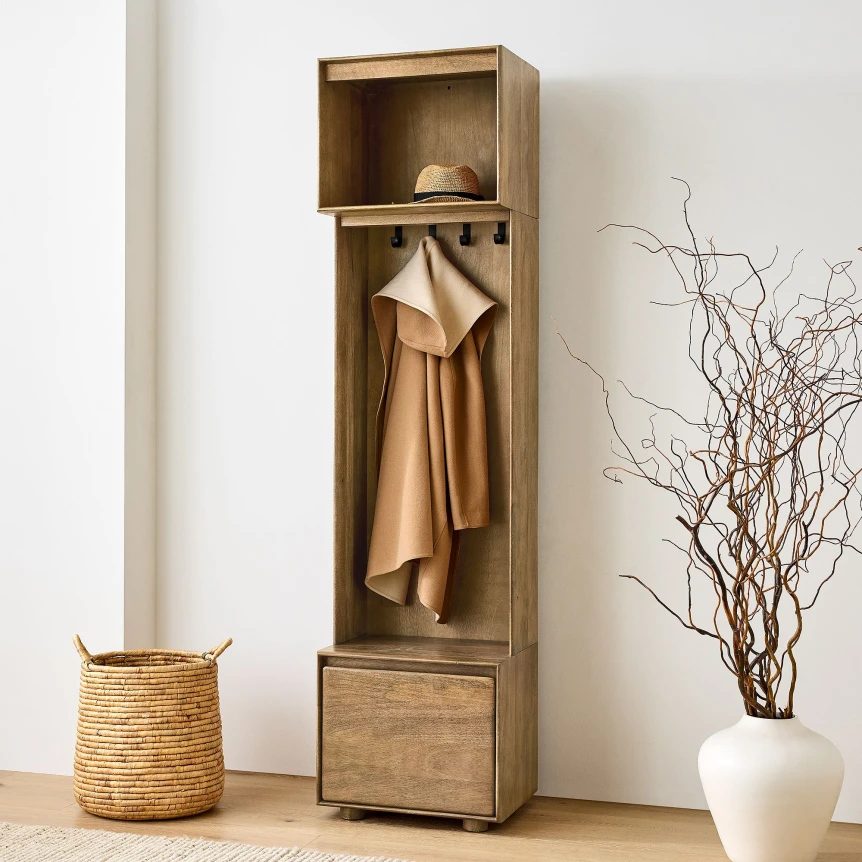
Freestanding Compact Hall Trees
entryway with at least 30 inches of wall and 30 inches of floor clearance. Look for solid-wood frames; particleboard versions of this form sag at the bench under regular use.
Full-Size Hall Trees with Storage
The form works only in homes with a dedicated entry hallway or an actual mudroom; in a standard apartment entry it overpowers the room and blocks the door swing. Buy the size your space genuinely supports, not the size you wish it did.
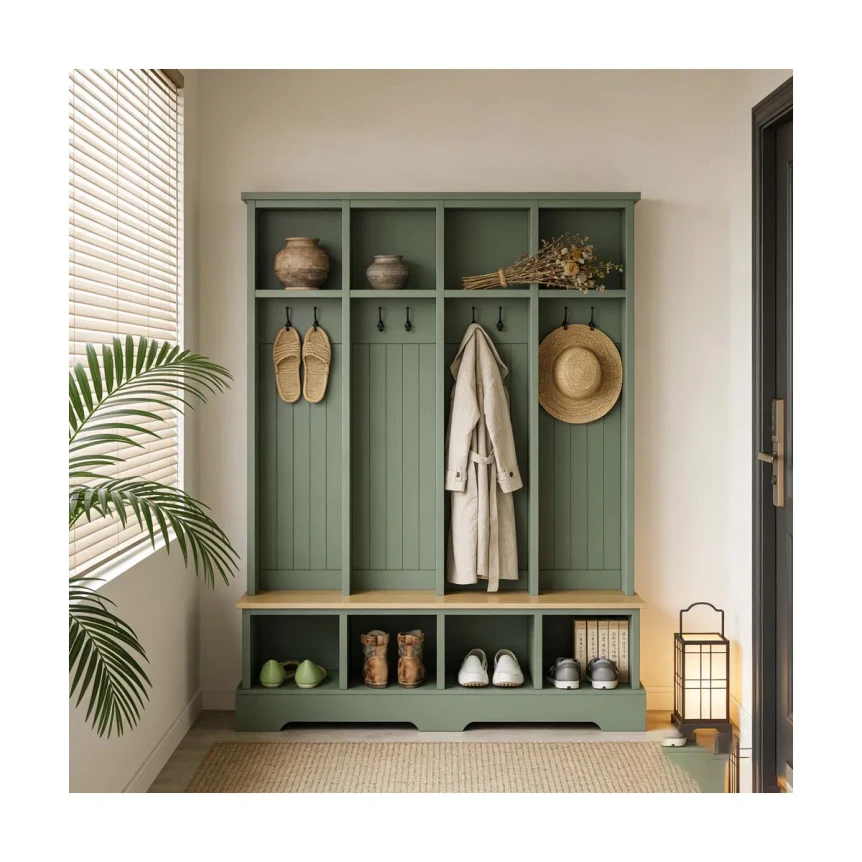
Mudroom-Style Hall Trees
A full-size hall tree is the most furniture-like option, typically 36 to 48 inches wide, with a bench seat, six to eight hooks at two heights, a top shelf, and either open cubbies or closed cabinets below the seat. Closed cabinets hide the day-to-day mess; open cubbies are slightly easier to use but become visible storage that has to be styled (or accepted as is). Households with kids or pets usually want closed.
How to Choose the Right Hall Tree
Measure Twice (Width, Depth, and Clearance)
Hall trees are usually listed three ways: width, depth, and height. The dimension most people forget is the clearance in front of the piece. You need at least 30 to 36 inches of clear floor in front of the bench so someone can sit and put on shoes without their knees hitting the opposite wall, the front door, or the entryway console. In tight spaces, mark the footprint on the floor with painter’s tape before buying.
If the entryway is small enough that a hall tree will not fit comfortably, an entryway console table plus a separate row of wall hooks usually wins on flexibility.
Size the Storage to Real, Not Aspirational, Use
Count the coats your household actually wears in a typical week, not the entire seasonal wardrobe. The hall tree should hold daily coats; everything else belongs in a closet. Same for shoes: aim for a cubby per resident plus one or two extras for guests. Match the hall tree’s storage to the volume of items that genuinely live by the door, and the piece works permanently rather than overflowing within a month.
Pick the Right Material and Finish
Solid wood (oak, walnut, ash) is the most durable for daily use; engineered wood is acceptable for back panels or shelf interiors but should not be the primary structural material. Powder-coated metal frames resist scratches and humidity better than raw or oiled metal. White and pale-wood finishes look clean in a showroom and show every scuff in real life; mid-tone walnut or matte black hides daily wear best.
Check Construction Quality
A bench that holds a 250-pound weight rating is the floor for a piece adults will sit on. Hooks should be steel or solid wood, mounted into a structural backplate rather than into a thin veneer panel. Pull on each hook in person if possible; if it flexes, expect it to fail within a year of holding a heavy winter coat. Drawers should slide on metal glides rather than wood-on-wood runners.
Match Decor (or Contrast Deliberately)
The hall tree is the first piece of furniture a guest sees, which means it sets the tone for the rest of the house. The two reliable approaches are matching the wood tone of the closest visible furniture (the side tables or console in the adjoining room) or deliberately contrasting it (matte black metal in a room of warm wood, for example). Avoid wood tones that almost match the floor but do not quite; the small mismatch is what reads as cheap.
Budget for Assembly
Most hall trees ship flat-packed and require assembly. Compact wall-mounted versions take 20 to 30 minutes; full-size storage versions can take two people an afternoon. Check product reviews for assembly comments before buying; manufacturers vary widely in how clear their instructions are and how well their hardware fits. If you are not handy, factor in the cost of a third-party assembly service or pick a simpler design.
Common Mistakes Most Hall Tree Buyers Make
The mistakes below are the ones that turn a piece that should solve daily friction into a piece that adds to it. They are also the most fixable, usually before the box is even opened.
- Underestimating clearance. Buying a piece that fits the wall and forgetting that someone needs to sit on it. Always measure 30 to 36 inches of clear floor in front of the bench.
- Buying for the entire wardrobe instead of the daily use. A hall tree is for the coats and shoes you wear this week. Seasonal storage belongs in a closet, not on the front-door piece.
- Picking the lightest finish in the photo. White and pale-oak finishes photograph beautifully and live miserably with kids, pets, or anyone who comes in from the rain.
- Treating the hooks as decoration. Cheap decorative hooks bend under a single waxed jacket. Steel or solid-wood hooks mounted into a structural backplate are the only ones worth buying.
- Adding the hall tree without removing what it replaces. A hall tree replaces the coat rack and the shoe basket; if those stay in the entryway too, the whole point of consolidation is lost.
Daily Maintenance
A hall tree resets in roughly 30 seconds: hang the coats on the hooks instead of throwing them on the bench, put the shoes in the cubbies, drop the keys in the bowl. The reset works because the homes for each item are visible and at hand. Build the routine in the first week of owning the piece and it sticks; let coats accumulate on the bench for a month and the piece becomes the same dumping ground the entryway already was.
For households whose hall tree need is mostly the bench (sitting and shoe storage, less coat hanging), a dedicated modern storage bench is often the better pick than a full hall tree.
A Note on Price
Compact wall-mounted hall trees start around $80 and run to $250 for solid-wood pieces. Freestanding compact hall trees cluster between $200 and $500. Full-size storage hall trees with cabinets and benches range from $400 to $1,500 depending on the wood content and the joinery. The marginal-quality jump is biggest between $200 and $400 and smallest above $800; spend up the curve only if the piece is structural to a heavy-use household, not because you want a designer finish.
Bringing It All Together
A hall tree is a small piece of furniture with an outsized effect on how a home runs at the door. Choose one that fits the actual space (with the floor clearance counted), the actual storage need (the daily wardrobe, not the seasonal one), and the actual material conditions (warm wood for warmth, matte black metal for restraint, solid construction for years rather than months).
For the broader question of how the entryway hands off to the rooms beyond it, see the complete guide to modern living room design. For the next storage decision past the entry, the sideboard buying guide covers the dining-room piece that does similar work for tableware and linens.
Frequently Asked Questions
What weight should a hall tree bench be able to hold?
Aim for a minimum 250-pound weight rating on any hall tree bench an adult will sit on. Lighter ratings mean the bench frame is decorative rather than structural, and it will start to flex within a year of regular use. For households with heavier adults or shared seating during shoe-changes, look for ratings of 350 pounds or more.
How much space do I need for a hall tree?
Even compact hall trees typically need about 18 to 24 inches of wall width and 12 to 16 inches of depth. The dimension most people forget is clearance in front: you want at least 30 to 36 inches of open floor space so you can comfortably sit, put on shoes, and access the hooks without feeling cramped. Always measure the entryway and mark the footprint with painter’s tape before shopping.
What material is best for a hall tree?
Solid wood (oak, walnut, ash) is the most durable for daily use, especially in households that put the piece through heavy daily use. Powder-coated metal frames are also a strong option because they resist scratches and humidity over time. Avoid particleboard as the primary structural material; it tends to weaken with repeated stress from heavy coats or seated weight on the bench.
Can I use a hall tree in a small apartment?
Yes, with the right form factor. Wall-mounted and slim freestanding hall trees are made specifically for tight entryways. Look for slim profiles with vertical storage (tall hooks plus an overhead shelf) instead of wide bench-and-cubby designs; even a narrow piece with four hooks and a small shelf can make a meaningful difference in a small entry.
How do I keep a hall tree looking organized?
Keep only items the household uses daily on the hooks and shelves. Seasonal coats and gear belong in a closet when not in use. If the hall tree has a bench with storage underneath, use baskets or fabric bins to corral smaller items like gloves, scarves, and dog leashes. For finishes, mid-tone walnut and matte black hide scuffs and everyday wear better than white or pale painted surfaces.