The Complete Guide to Japandi Interior Design

By Tereza Hower | Published April 4, 2026 | Updated April 6, 2026
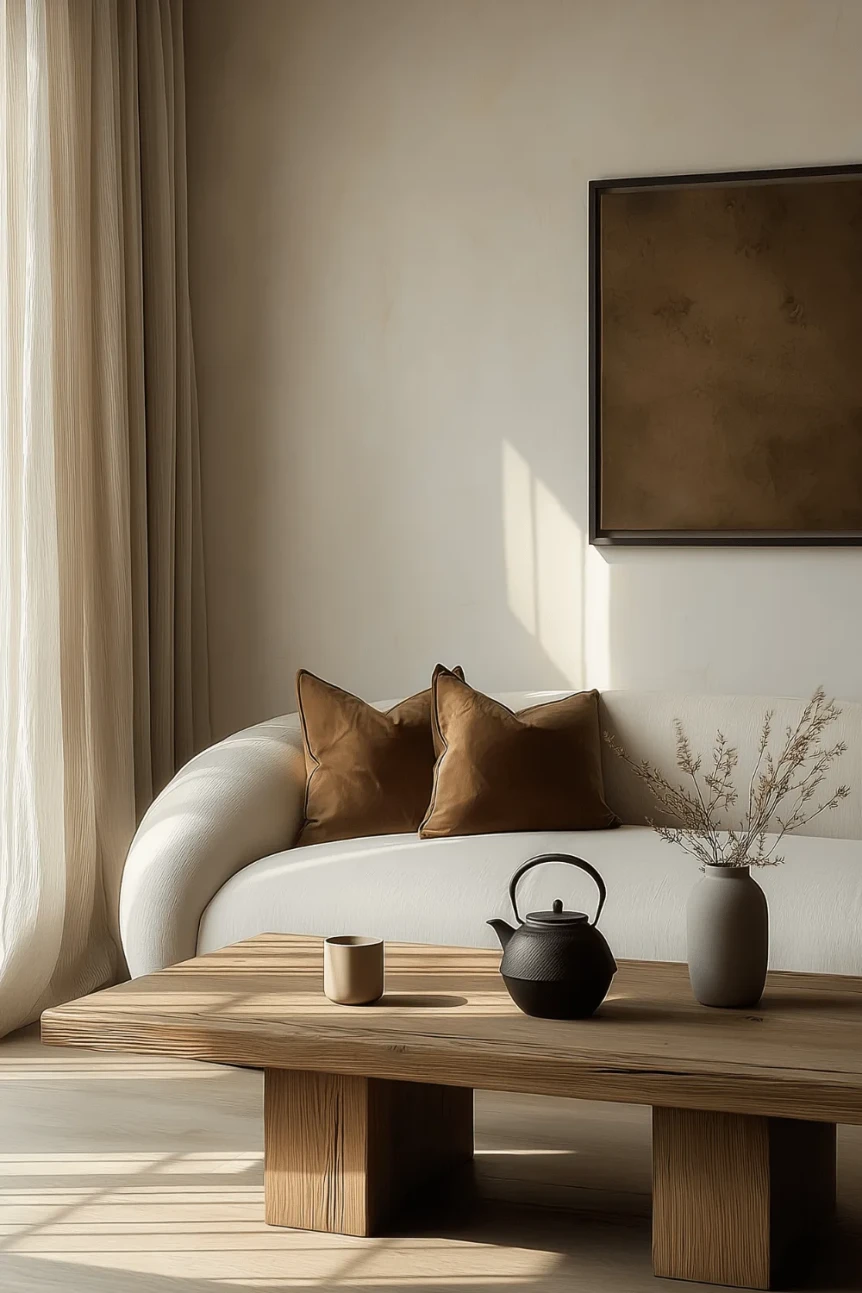
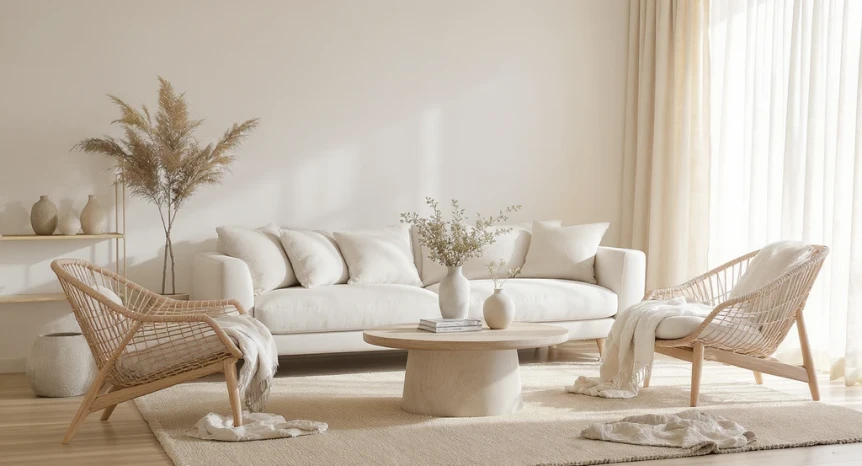
Japandi is what happens when two of the world’s most admired design traditions meet in the middle. It blends the quiet restraint of Japanese aesthetics with the cozy functionality of Scandinavian design, resulting in interiors that feel both serene and warm. Nothing is excessive, but nothing feels cold or sparse either.
The style has been gaining momentum steadily over the past several years, and for good reason. Japandi offers a clear alternative to both the stark minimalism that can feel sterile and the maximalist trends that can feel overwhelming. It’s calm without being boring, simple without being bare, and intentional without being rigid.
This guide walks you through every aspect of Japandi design, from its cultural roots and defining principles to practical advice on color, furniture, and room by room application.
What’s Covered in This Guide
- What Is Japandi Interior Design?
- The Origins: Where Japanese and Scandinavian Design Meet
- Core Principles of Japandi Style
- Japandi Color Palettes
- Materials and Textures
- Choosing Japandi Furniture
- Japandi Design Room by Room
- Decor and Styling
- Japandi vs. Other Styles
- Common Japandi Design Mistakes
- Recommended Resources and Related Guides
- Frequently Asked Questions
What Is Japandi Interior Design?
Japandi is a hybrid interior design style that combines elements of Japanese and Scandinavian aesthetics. From Japan, it borrows the philosophy of wabi sabi, which finds beauty in imperfection and impermanence. From Scandinavia, it takes the concept of hygge, which prioritizes comfort, warmth, and a sense of well being at home.
The result is a design language built on clean lines, natural materials, muted colors, and a deep respect for craftsmanship. Rooms designed in the Japandi style feel balanced and intentional. Every object earns its place, not because of rigid rules, but because the overall approach values quality over quantity and purpose over decoration.
Japandi is not about emptying your home. It’s about filling it thoughtfully.
The Origins: Where Japanese and Scandinavian Design Meet
The Japanese Side
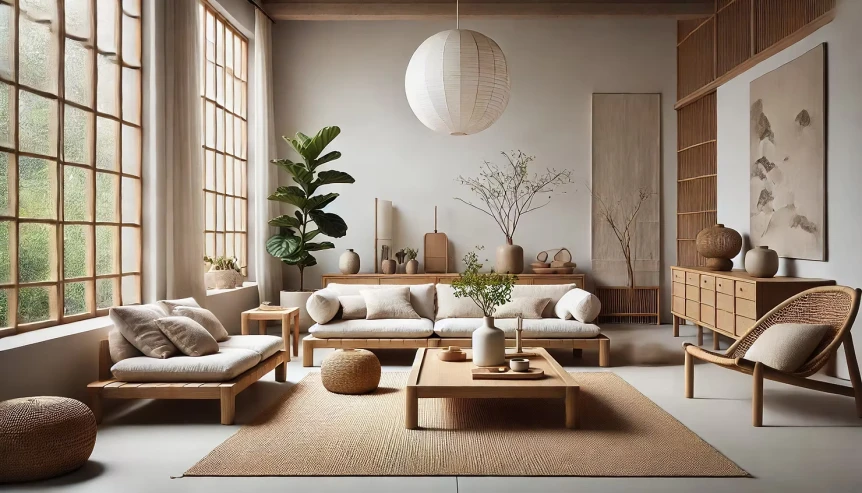
Japanese interior design has been shaped by centuries of cultural and philosophical tradition. The concept of ma, or negative space, treats emptiness as a deliberate design element rather than something to be filled. Wabi sabi celebrates the beauty of age, wear, and natural imperfection. Shizen, the principle of naturalness, encourages designs that feel organic rather than forced.
In practical terms, this translates to low profile furniture, restrained color palettes, natural materials like wood and stone, and a strong connection between indoor and outdoor spaces. Japanese interiors tend to be calm, ordered, and deeply respectful of the materials used.
The Scandinavian Side
Scandinavian design emerged in the early 20th century across Denmark, Sweden, Norway, and Finland. It was shaped by long, dark winters and a democratic ideal that good design should be accessible to everyone. The result is a style that prioritizes functionality, natural light, warmth, and comfort.
Scandinavian interiors typically feature light wood tones, soft textiles, clean but organic shapes, and a palette that leans toward whites, grays, and pastels. The concept of hygge, the Danish word for a feeling of cozy contentment, is central to the Scandinavian approach to home design.
Where They Overlap
Despite originating thousands of miles apart, these two traditions share remarkable common ground. Both value natural materials. Both favor simplicity over excess. Both respect craftsmanship and believe in the beauty of functional objects. Both prioritize how a space feels over how it looks in a photograph. Japandi sits at this intersection, drawing the best qualities from each tradition into a cohesive, contemporary style.
Core Principles of Japandi Style
Intentional Simplicity
Japandi rooms are edited, not empty. Every piece of furniture, every object on a shelf, and every textile in the room has been chosen with care. This doesn’t mean you need to agonize over every decision. It means that once a room feels complete, you resist the urge to keep adding. The open space between objects is just as important as the objects themselves.
Natural Materials and Craftsmanship
Wood, stone, ceramic, linen, cotton, and wool form the material foundation of Japandi interiors. Mass produced plastic and synthetic finishes are generally avoided in favor of materials that show their natural character. Handmade ceramics, joinery furniture, and woven textiles are especially valued because they carry the evidence of human skill and care.
Warmth Through Texture
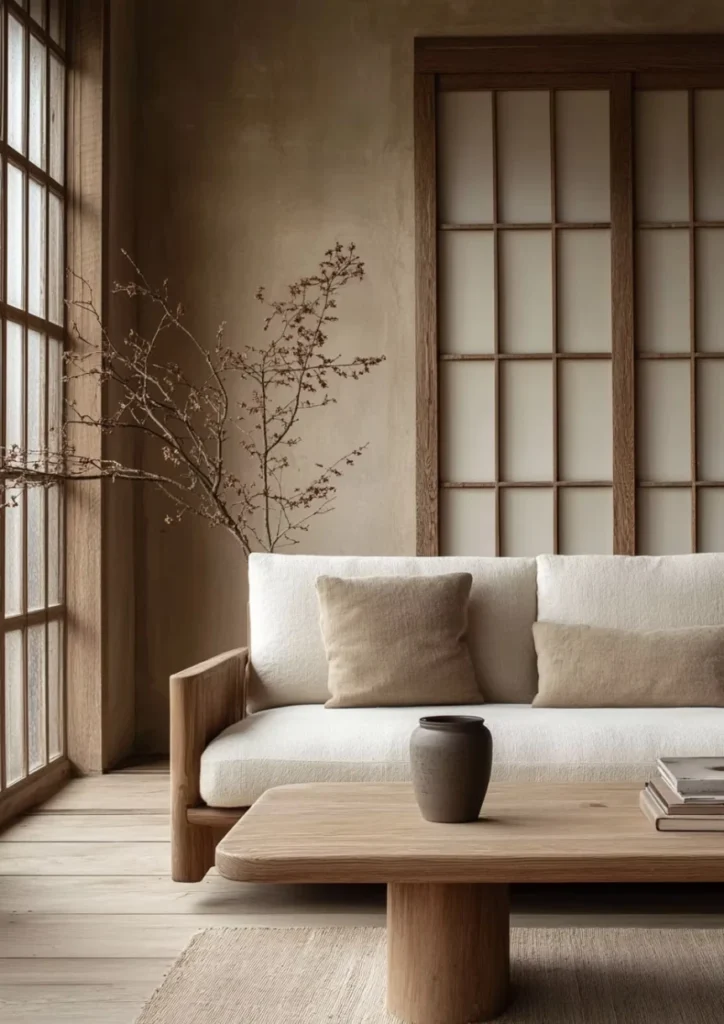
Because Japandi palettes are restrained, texture does the heavy lifting in creating visual interest and warmth. A linen sofa next to a wooden side table, a wool throw on a stone bench, or a ceramic vase on a raw wood shelf all create tactile contrasts that keep the room from feeling flat.
Functional Beauty
In Japandi design, beauty and function are not separate goals. A handmade ceramic bowl is beautiful, but it’s also used daily. A wooden bench is sculptural, but it’s also where you sit to put on your shoes. This integration of aesthetics and utility is central to both Japanese and Scandinavian design philosophies.
Connection to Nature
Both traditions emphasize a relationship with the natural world. In Japandi interiors, this shows up through natural materials, indoor plants, views to the outdoors, and a palette that mirrors the tones found in nature. The goal is to create indoor spaces that feel like an extension of the natural environment rather than a departure from it.
Imperfection as Beauty
Wabi sabi teaches that imperfection is not a flaw but a quality. In Japandi design, this means embracing the natural variations in wood grain, the uneven glaze on a handmade mug, or the slight asymmetry of a hand thrown vase. These imperfections give objects warmth and authenticity that machine perfect pieces can’t replicate.
Japandi Color Palettes
Color in Japandi design is quiet and grounding. The palette draws from nature and avoids bright, saturated hues in favor of muted, earthy tones that create a calm backdrop for everyday life.
The Warm Neutral Foundation
Most Japandi rooms start with warm whites, soft creams, and light sand tones on walls and larger surfaces. Unlike the cooler whites common in pure Scandinavian design, Japandi whites lean warm, reflecting the Japanese preference for natural, organic tones.
Earthy Accents
Muted greens, soft clay, warm taupe, charcoal, and gentle terracotta serve as accent colors. These are never bold or demanding. They sit quietly in the room, adding depth without disrupting the calm atmosphere.
The Role of Dark Tones
Japanese design often incorporates deep, dark tones that Scandinavian interiors typically avoid. Black, dark charcoal, and deep walnut brown appear in Japandi spaces through furniture, accent walls, and accessories. These darker elements add grounding weight and prevent the room from feeling too light or washed out.
For detailed palette combinations and room specific color strategies, explore our guide to Japandi color palettes that set the tone.
Materials and Textures
Wood
Wood is the single most important material in Japandi design. Light woods like ash, birch, and maple bring Scandinavian warmth, while darker woods like walnut and oak bring Japanese depth. Many Japandi rooms combine both, using light wood for larger pieces and darker wood for accents, or vice versa.
The finish matters as much as the species. Natural, matte finishes that let the grain show through are preferred over glossy lacquers or heavy stains. The beauty of the wood itself should be visible.
Ceramic and Pottery
Handmade ceramics are a cornerstone of Japandi styling. Mugs, bowls, vases, and plates with visible glaze variations and organic shapes connect to the wabi sabi principle. Earthy, muted glazes in sage, cream, charcoal, and dusty blue are the most common Japandi choices.
Stone and Concrete
Natural stone and concrete add weight and coolness that balance the warmth of wood. A stone countertop, a concrete planter, or a smooth river stone used as a decorative object all contribute texture and a grounding presence.
Linen, Cotton, and Wool
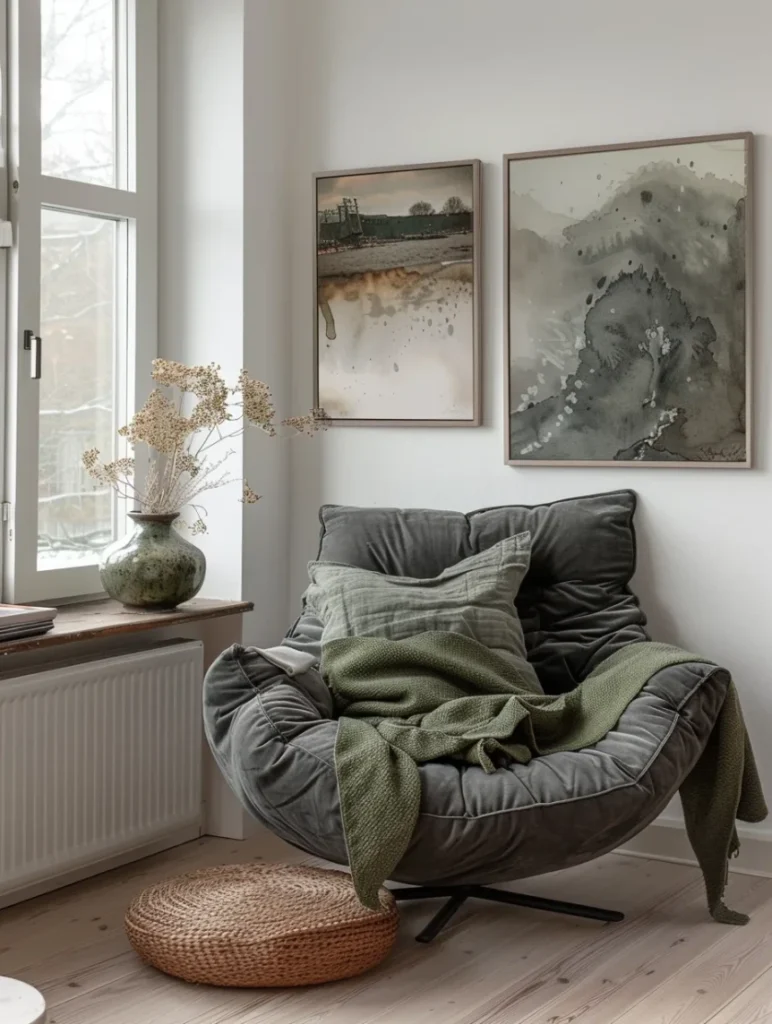
Textiles in Japandi rooms are natural, understated, and tactile. Linen is the signature Japandi fabric, prized for its relaxed drape and visible texture. Cotton and wool appear in softer applications like blankets, cushions, and rugs. Colors stay muted and neutral, letting the texture of the fabric itself provide visual interest.
Bamboo and Rattan
These natural materials appear in furniture, light fixtures, and accessories. They bring lightness and a distinctly organic quality that bridges the Japanese and Scandinavian traditions.
Choosing Japandi Furniture
Japandi furniture is defined by clean lines, honest materials, and a sense of quiet craftsmanship. Pieces tend to be low profile, drawing from the Japanese tradition of living closer to the ground, while maintaining the comfort and ergonomic consideration that Scandinavian design prioritizes.
Key Characteristics
Look for furniture with simple, geometric forms and natural wood construction. Legs are often slim and tapered. Upholstery is minimal, typically in linen or cotton in neutral tones. Hardware is understated or absent entirely, replaced by wooden pulls, touch latch systems, or push to open mechanisms.
Investment Pieces
Japandi design favors owning fewer, higher quality pieces rather than filling a room with disposable furniture. A beautifully crafted dining table, a solid wood bed frame, or a well built storage credenza can anchor an entire room and last for decades.
For specific furniture recommendations, sourcing tips, and guidance on balancing Japanese and Scandinavian influences, read our Japandi furniture guide.
Japandi Design Room by Room
Japandi Living Room
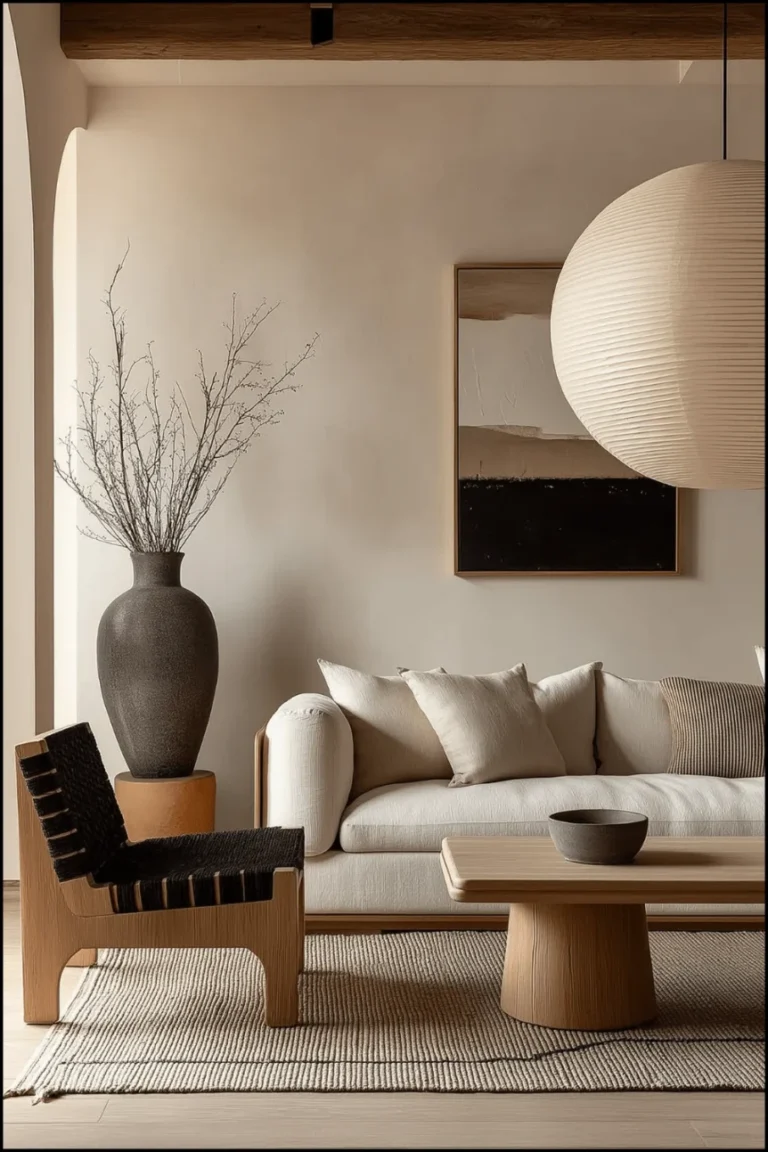
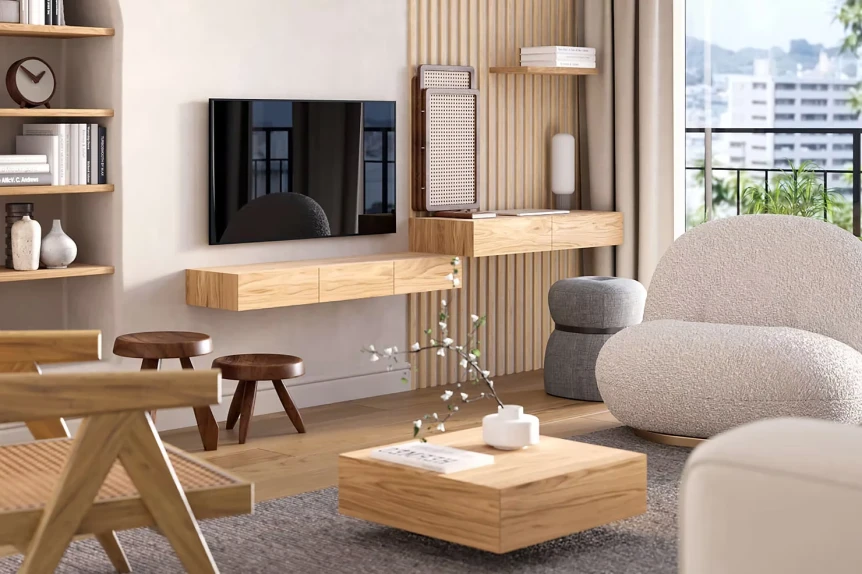
The living room is where Japandi style feels most inviting. Start with a low profile sofa in a warm neutral fabric. Add a natural wood coffee table with clean lines. Keep shelving open and lightly styled, with a few ceramics, a plant, and one or two books. Lighting should be warm and soft, coming from floor lamps or pendant lights in natural materials.
The key to a Japandi living room is restraint. Resist the impulse to fill every surface. Let the furniture and the space between the furniture tell the story. For a complete breakdown, visit our guide to Japandi living room ideas and inspiration.
Japandi Bedroom
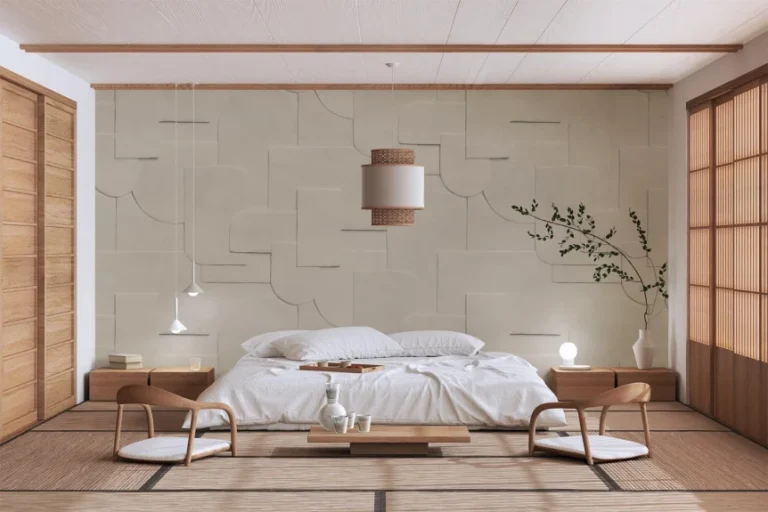
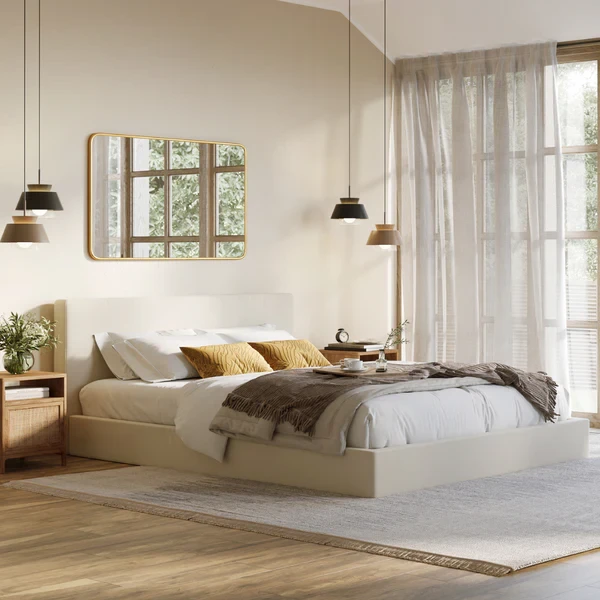
Japandi bedrooms are designed for rest. A low platform bed in natural wood anchors the room. Bedding is simple, typically linen in white, cream, or soft gray. One or two textured pillows and a lightweight throw are enough. Wall decor is minimal, perhaps a single piece of art or a simple shelf with a plant and a candle.
Storage is ideally built in or concealed, keeping the room free of visual clutter. Soft, warm lighting from a table lamp or wall sconce completes the peaceful atmosphere. Explore more in our Japandi bedroom ideas guide.
Japandi Kitchen and Dining
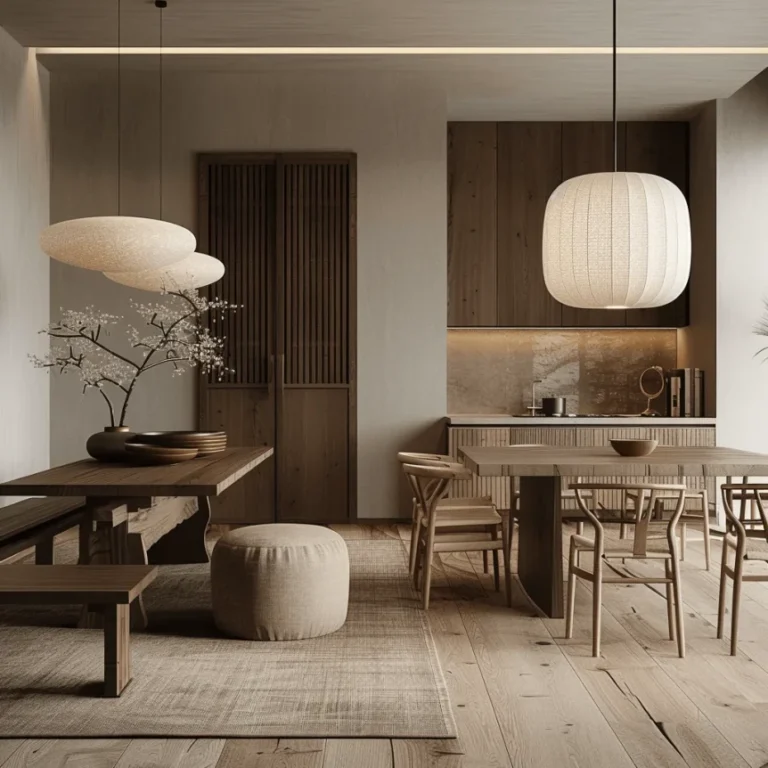
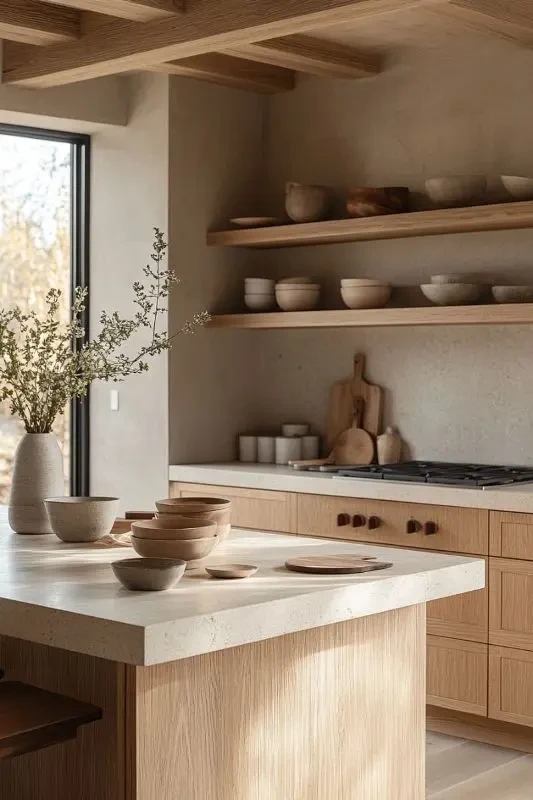
Japandi kitchens blend clean Scandinavian cabinetry with Japanese attention to craft and material. Open shelving displays a curated collection of handmade ceramic dishes and simple glassware. Countertops in natural stone or wood reinforce the connection to natural materials. The dining table is often the centerpiece, a solid wood piece surrounded by chairs with clean lines and natural finishes.
For detailed kitchen and dining strategies, read our guide to Japandi kitchen and dining room ideas.
Japandi Bathroom
Water, stone, and wood come together beautifully in a Japandi bathroom. Natural stone tile, a wooden vanity or shelf, and simple ceramic accessories create a spa like atmosphere. Keep surfaces clear and storage concealed. A single plant, a quality soap dispenser, and a stack of linen towels are often all the styling a Japandi bathroom needs.
Japandi Entryway
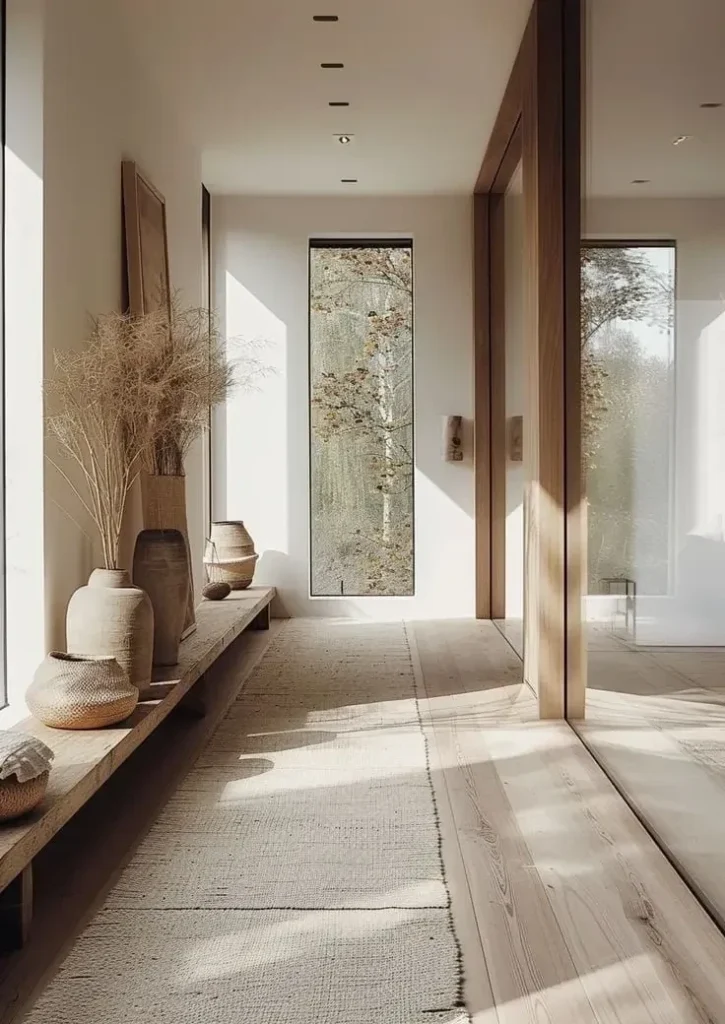
The entryway sets the tone for the entire home. A simple wooden bench, a few wall hooks in black or brass, and a ceramic tray for keys and small items create a functional, welcoming entry. A single plant or a small piece of art adds warmth without clutter.
Decor and Styling
Japandi styling is about restraint and intention. Every visible object should either be beautiful, useful, or both. The goal is not to eliminate personality but to express it through carefully chosen pieces rather than accumulation.
The Art of the Vignette
Small, composed arrangements of two or three objects are a Japandi signature. A ceramic vase next to a small plant on a wooden tray. A stack of two books beside a handmade bowl. A candle on a stone dish. These groupings are simple but considered, and they give surfaces a sense of purpose without clutter.
Plants and Nature
Indoor plants are essential in Japandi interiors, but the approach is more restrained than in bohemian or tropical styles. A single sculptural plant, like a bonsai, a fiddle leaf fig, or a snake plant, can anchor a corner. Small succulents or a sprig of greenery in a ceramic vase provide gentle touches of life throughout the room.
Art and Wall Decor
Less is more on Japandi walls. A single piece of art, whether it’s a black and white photograph, an ink wash painting, or a minimalist abstract print, creates a focal point without visual noise. If you prefer a gallery approach, keep the arrangement tight and limited to three or four pieces in a cohesive style.
For detailed styling strategies and ideas, explore our guide to Japandi decor ideas and styling tips.

Japandi vs. Other Styles
Japandi vs. Minimalism
While both styles value simplicity, Japandi is warmer and more textured than pure minimalism. Minimalism can feel austere, with its emphasis on white space and absence. Japandi softens that austerity with natural materials, warm tones, and handmade objects. Where minimalism asks “what can I remove?”, Japandi asks “what deserves to stay?”
Japandi vs. Scandinavian
Scandinavian design shares Japandi’s love of natural materials and functionality but tends to be lighter and more playful. Scandi rooms often include more color (soft pastels, muted blues), more textiles, and a slightly less formal arrangement. Japandi is more grounded and slightly more serious, with deeper tones and a greater emphasis on negative space.
For a detailed comparison of these styles and how they overlap, read our guide on Japandi vs. minimalist vs. Scandinavian design.
Japandi vs. Mid Century Modern
Mid century modern shares Japandi’s appreciation for clean lines and natural materials, but it tends to be bolder in color and more sculptural in form. Mid century pieces can integrate well into Japandi rooms if chosen carefully, particularly pieces with organic shapes and warm wood tones.
Japandi vs. Bohemian
These two styles sit on opposite ends of the spectrum in terms of visual density. Bohemian design thrives on layers, patterns, and eclectic collections. Japandi values restraint, order, and open space. However, both share a love of natural materials and handmade objects, which creates interesting overlap for those drawn to elements of each.
Common Japandi Design Mistakes
Going Too Cold
The biggest mistake is creating a space that feels sterile rather than serene. Japandi should feel warm and welcoming. If your room feels cold, add more wood, warmer textiles, or a plant. The Japanese concept of wabi sabi and the Scandinavian concept of hygge both center on comfort and humanity. A Japandi room should feel good to be in.
Overthinking Perfection
Japandi celebrates imperfection. A handmade ceramic with an uneven rim, a wood surface with visible grain variations, or a linen curtain with natural creases are all features, not flaws. Striving for a flawless, showroom quality finish works against the philosophy.
Forgetting Function
A beautiful room that doesn’t work for daily life fails both the Japanese and Scandinavian ideals. Every piece of furniture should serve a clear purpose. Storage should be adequate and accessible. The layout should support how you actually use the space, not just how it photographs.
Too Many Decorative Objects
It’s tempting to keep adding “just one more” beautiful object. But in Japandi design, visual breathing room is essential. If a shelf or surface starts to feel crowded, remove something. The space between objects is as much a part of the design as the objects themselves.
Ignoring the Dark Side
Pure Scandinavian design leans light, but Japandi draws depth from Japanese aesthetics. Rooms that are entirely white and pale wood can lack the grounding quality that makes Japandi distinctive. Incorporate some darker elements, whether through a charcoal accent, a dark wood piece, or a black framed mirror, to bring in that Japanese depth.
Recommended Resources and Related Guides
Japandi Living Room Ideas and Inspiration
A complete guide to creating a Japandi living room, from furniture selection and layout to lighting and styling strategies.
Japandi Bedroom Ideas for Restful, Minimal Spaces
Everything you need to design a serene Japandi bedroom, including bedding, storage, lighting, and decor recommendations.
Japandi Color Palettes That Set the Tone
Curated color combinations that capture the Japandi spirit, organized by mood and room type.
Japandi Furniture Guide: Clean Lines and Natural Materials
Practical guidance on selecting, sourcing, and arranging furniture that embodies the Japandi aesthetic.
Japandi vs. Minimalist vs. Scandinavian Design
A detailed comparison of three related styles, with guidance on how to identify, blend, and choose between them.
Japandi Decor Ideas and Styling Tips
Actionable tips for styling shelves, surfaces, and walls the Japandi way, including vignette techniques and plant choices.
Japandi Kitchen and Dining Room Ideas
Design strategies for kitchens and dining spaces that balance Scandinavian function with Japanese simplicity and craft.
Frequently Asked Questions
What is Japandi style?
Japandi is a hybrid interior design style that combines Japanese minimalism and wabi sabi philosophy with Scandinavian warmth and functionality. It emphasizes clean lines, natural materials, muted color palettes, handmade craftsmanship, and intentional simplicity. The result is spaces that feel serene, warm, and purposeful.
Is Japandi still trending?
Yes. Japandi has moved beyond trend status into an established design style with lasting appeal. Its emphasis on sustainability, natural materials, and mindful consumption aligns with broader cultural shifts toward intentional living, which gives it staying power beyond typical decor trends.
What is the difference between Japandi and minimalism?
While both value simplicity, Japandi is warmer and more textured than pure minimalism. Japandi incorporates natural materials, handmade objects, and warm tones that minimalism often avoids. Minimalism focuses on reduction. Japandi focuses on intentional selection, keeping objects that are beautiful, useful, or both.
What colors are used in Japandi design?
Japandi palettes center on warm whites, soft creams, light sand, and natural wood tones. Accent colors include muted sage green, soft clay, warm taupe, and charcoal. Darker tones like walnut brown and black add grounding depth drawn from Japanese design traditions.
Can Japandi work in a small space?
Japandi is ideal for small spaces. Its emphasis on fewer, well chosen pieces and open space prevents rooms from feeling cluttered. The light, warm palette makes small rooms feel larger, and the focus on functional furniture means every piece earns its place without wasting square footage.
Conclusion
Japandi interior design offers something increasingly rare in the world of home decor: a style that encourages you to slow down and be intentional. It doesn’t demand expensive purchases or dramatic renovations. It simply asks you to think carefully about what you bring into your home and to value quality, craft, and purpose in the objects you choose to live with.
Whether you’re drawn to the peaceful restraint of Japanese aesthetics, the cozy warmth of Scandinavian design, or the beautiful middle ground where they meet, Japandi provides a framework for creating a home that feels both calm and genuinely lived in. Use the guides linked throughout this page to explore specific aspects of the style in depth, and take your time building a space that reflects your own version of this thoughtful approach to design.