Outdoor Kitchen and Dining Area Ideas for Every Garden

By Tereza Hower | Published March 23, 2026 | Updated March 27, 2026
Eating outside transforms a meal. Even a simple lunch at a garden table on a warm day has a quality that the same meal eaten inside cannot match. Designing the outdoor space to genuinely support eating and cooking outside, rather than making it something that happens despite the limitations of the space, elevates the experience entirely.
This guide covers how to design an outdoor dining area that works well, what level of outdoor cooking setup makes sense for different households, and the details that make outdoor meals feel effortless rather than logistically challenging.
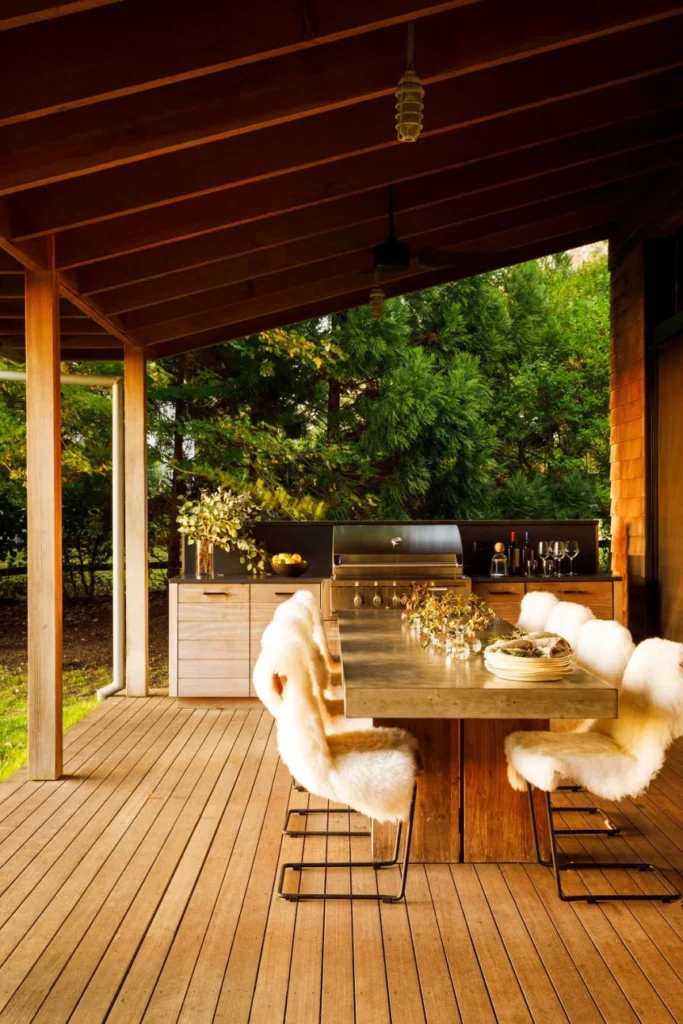
The Outdoor Dining Area: Getting the Basics Right
The outdoor dining area is the most used feature of most patios during warmer months, and its success depends heavily on getting a few fundamentals right: the table size, the chair comfort, the surface it sits on, the shade and shelter available, and its relationship to the kitchen inside.
Table size is the most commonly underestimated factor. People routinely choose tables that are comfortable for four and then regularly try to seat six or eight. An outdoor dining table should be generously sized for the number of people you regularly eat with, with enough additional capacity for the occasional larger gathering. Round tables seat more people for their footprint than rectangular ones and encourage better conversation, but rectangular tables tend to suit the rectangular footprints of most patios and terraces more naturally.
The relationship between the outdoor dining area and the kitchen inside is worth thinking about carefully. The route between the two should be direct, wide enough for someone carrying a heavy pot or a tray of glasses, and clear of obstacles. A dining area at the far end of a long garden is romantic in theory but frustrating when every course requires a lengthy walk between courses. Positioning the outdoor dining area reasonably close to the kitchen significantly improves how much it gets used.
Surface material beneath the dining area affects both the aesthetics and the practicality of the space. Hard paving is the most practical choice since it is stable under chair legs and easy to clean after spills. A rug under the dining table adds warmth and definition but should be robust enough to withstand food and drink spills and easy enough to clean that it does not become a source of anxiety every time someone eats there.
Shade: Making Outdoor Dining Comfortable
Without some form of shade, a dining area in direct sun on a hot afternoon becomes uncomfortable to use. Shade transforms the usability of an outdoor dining area in warm weather and is one of the most practical investments in outdoor design.
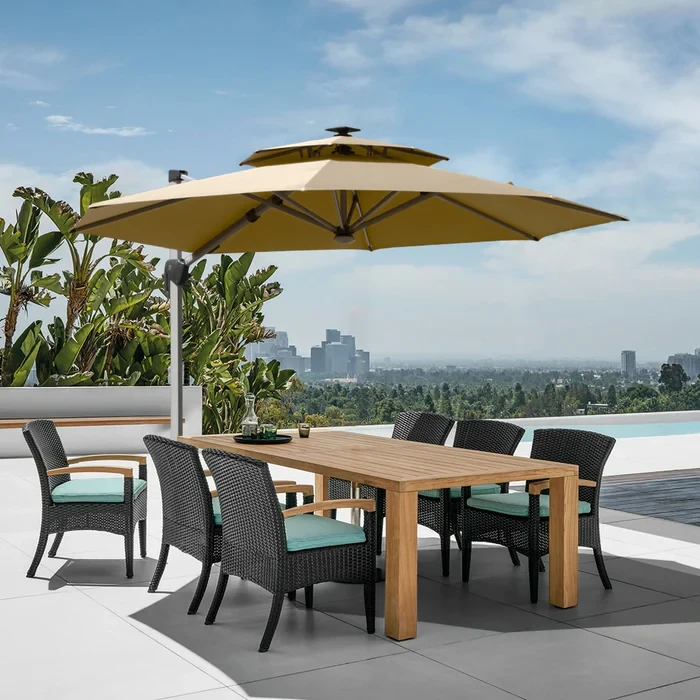
A large parasol is the simplest and most versatile shade solution. Cantilever parasols, which extend from a side post rather than a central one, allow the full dining table to be used without a base pole in the middle. Quality parasols with UV-resistant canopies, robust mechanisms, and weighted bases that keep them stable in a breeze are worth the additional cost over cheaper alternatives that fade quickly and flex worryingly in any wind.
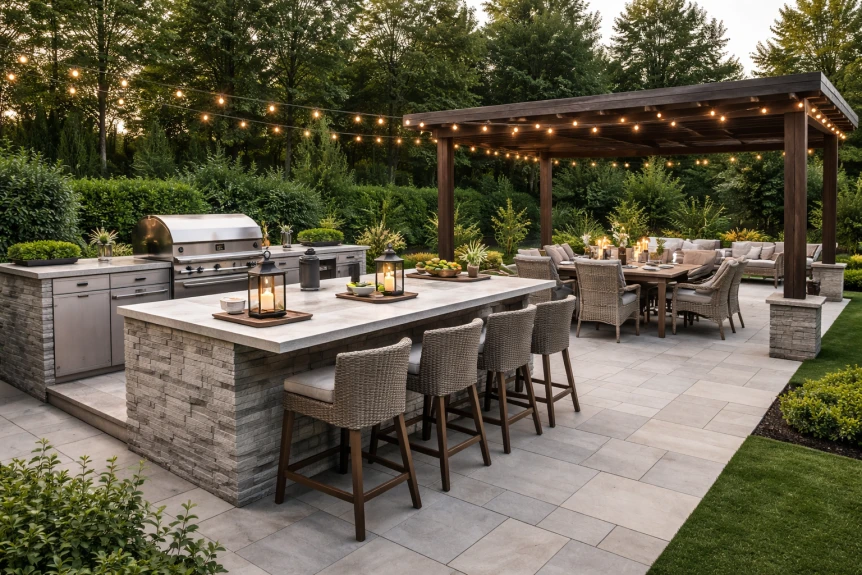
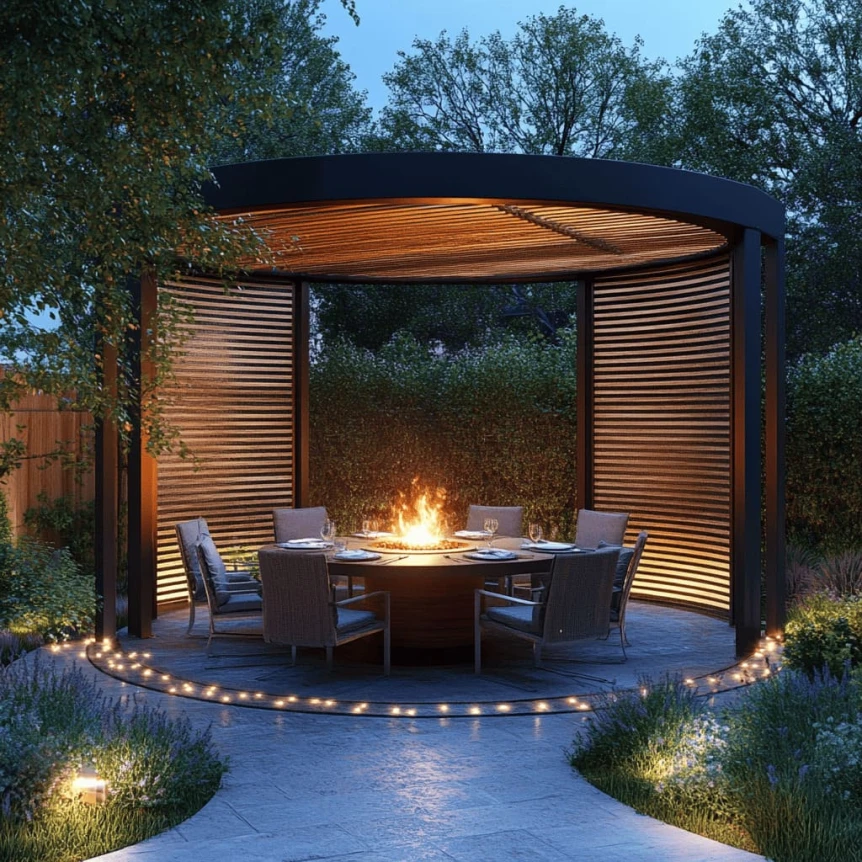
A fixed pergola over the dining area provides shade and structure simultaneously and becomes the defining architectural feature of the outdoor space. An open pergola provides dappled shade and a frame for climbing plants and string lights. Adding a retractable canopy or a slatted roof covering to the pergola gives control over the amount of shade and some protection from light rain. A fully roofed pergola or outdoor room structure allows dining outside in almost any weather, which dramatically extends the usable season.
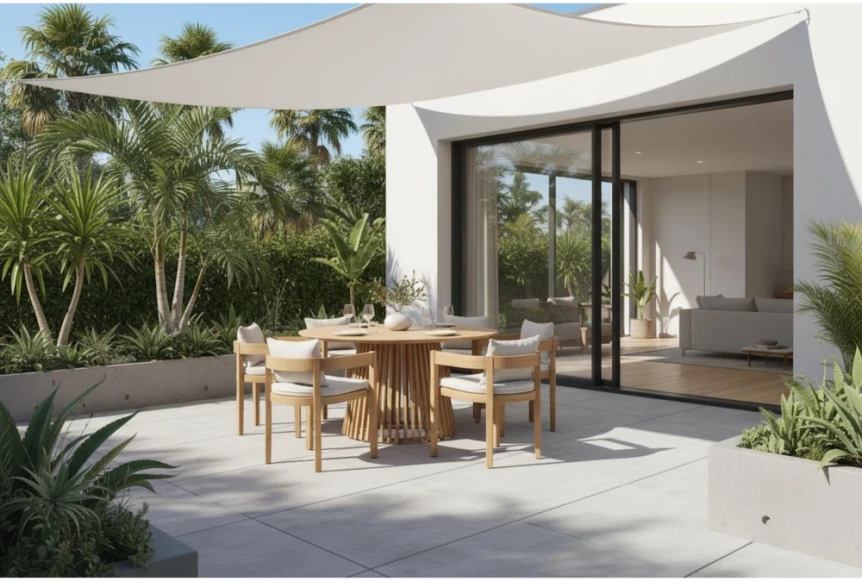
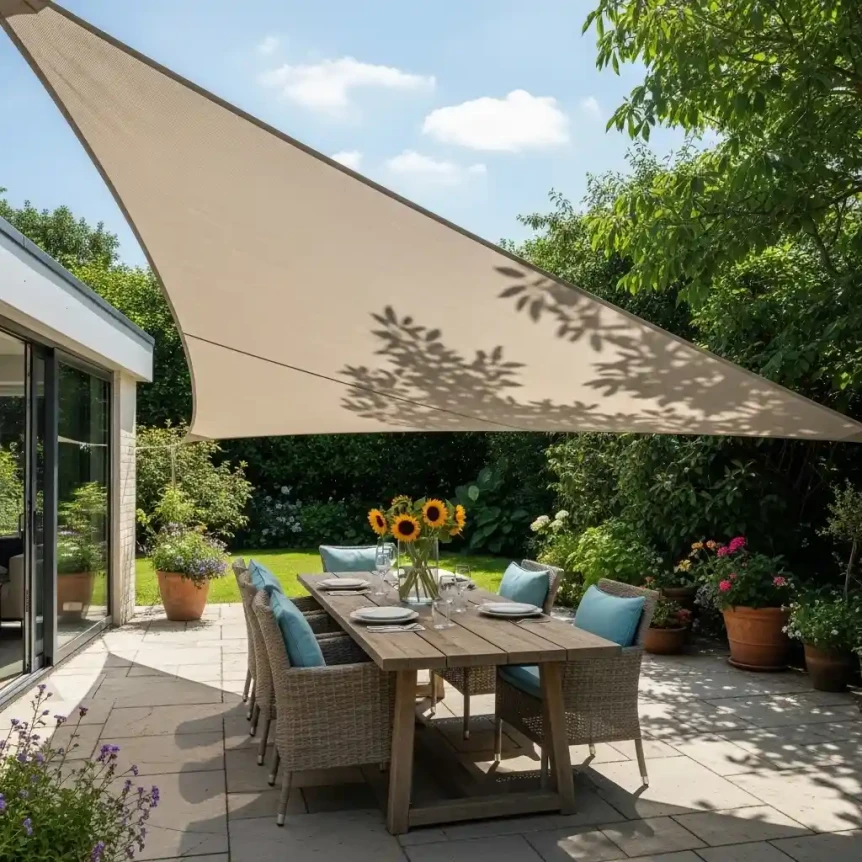
Shade sails in triangular or square formats, fixed between attachment points at different heights, create an interesting overhead plane that provides shade while adding a contemporary, architectural quality to the outdoor space. They are less flexible than a parasol but more permanent and visually interesting than most umbrella solutions.
Outdoor Cooking: Choosing the Right Setup
The outdoor cooking setup that is right for any household depends entirely on how much and how seriously they cook outside. A household that uses a barbecue a few times each summer has very different requirements from one where outdoor cooking is a regular and serious activity. Being honest about which category applies saves money and avoids the frustration of an elaborate setup that goes unused.
For casual and occasional outdoor cooking, a high-quality freestanding grill or barbecue is all that is needed. The investment here should go primarily into the quality of the cooking surface: a well-made gas grill with adequate burner power, a quality charcoal barbecue with good airflow control, or a ceramic kamado grill for those who want versatility across grilling, smoking, and slow cooking. A good freestanding grill positioned conveniently near the dining area delivers everything most households need from outdoor cooking without any permanent construction.
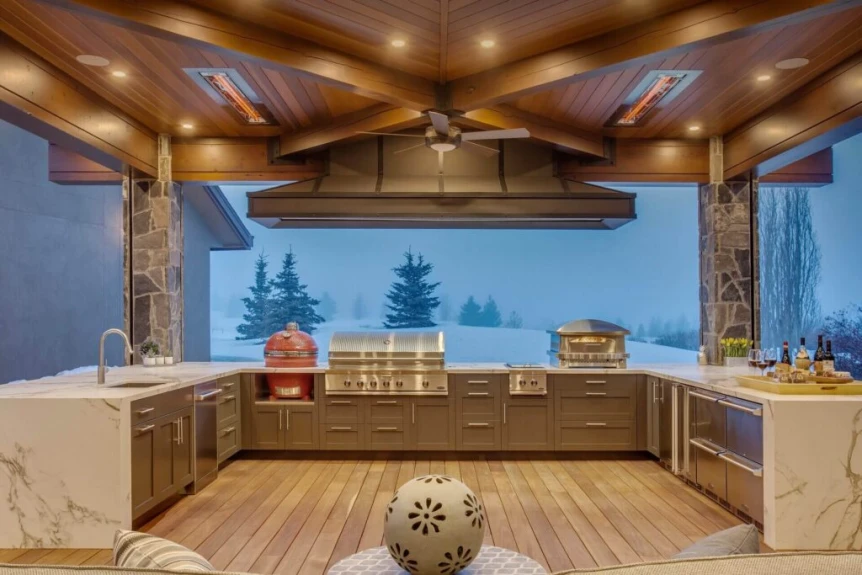
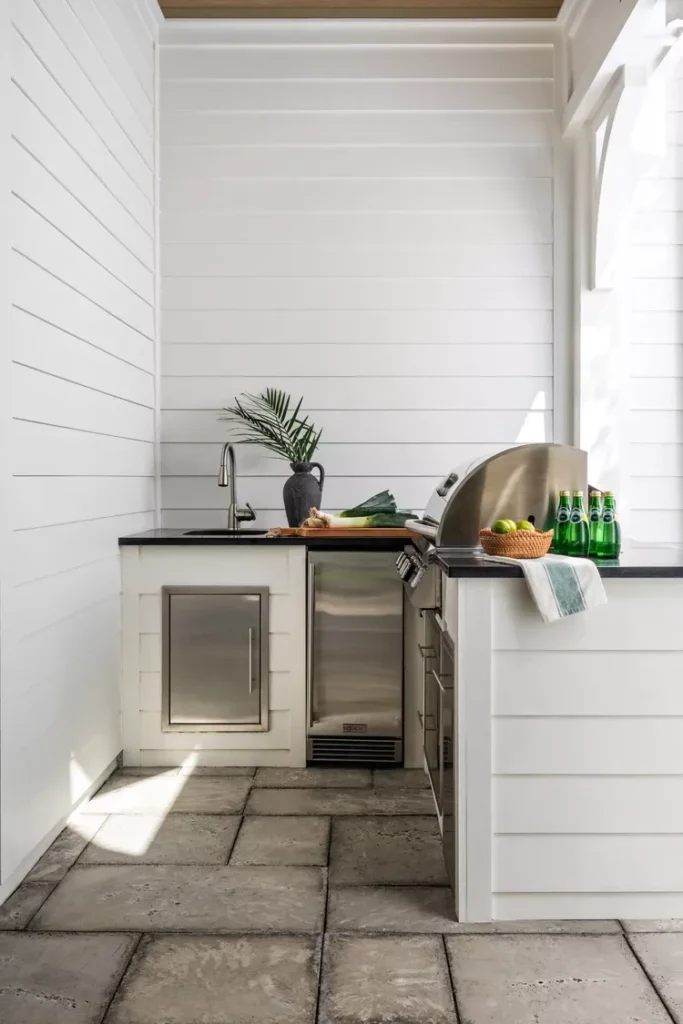
For those who genuinely love outdoor cooking and want to do more of it, a built-in outdoor kitchen transforms the experience. Built-in outdoor kitchens range from a simple run of masonry with a recessed grill and a stone countertop beside it to fully specified stations with professional-grade cooking equipment, a refrigerator, a sink with running water, storage, and a bar area for guests. The right level of specification depends on the budget, the available space, and the frequency of serious outdoor cooking.
Built-In Outdoor Kitchen: What to Include
If a built-in outdoor kitchen is the right choice, a few elements are genuinely worth including and others are nice to have but rarely used in practice. Understanding the difference helps you invest where it matters.
The grill is the core of any outdoor kitchen and where the quality investment is most justified. A built-in grill with sufficient BTU output, reliable ignition, and good temperature control across different zones is the cooking tool you will use every time the outdoor kitchen is in use. It is worth spending well here.
Counter space beside the grill is the element most outdoor cooks say they wish they had more of. Food preparation, resting cooked meat, holding plates and tools: all of these require horizontal surface space immediately adjacent to the cooking area. A generous stone or tile countertop, at least 60 centimeters to each side of the grill, makes outdoor cooking significantly more comfortable and practical.
An outdoor refrigerator is the single most practical addition after the grill and counter. Having cold drinks, marinating meat, and chilled ingredients accessible outside eliminates the repeated trips inside that interrupt the outdoor cooking experience and reduce the pleasure of it.
A sink with running water is highly useful for washing hands, rinsing vegetables, and cleaning up, but it requires a plumbing connection that adds cost and complexity to the build. It is worth including if the budget and construction allow, but the outdoor kitchen functions well without it if budget requires prioritization.
Outdoor Dining Lighting
The lighting of an outdoor dining area has an enormous effect on the atmosphere of meals outside. Bright overhead lighting is the least flattering and least atmospheric option for an outdoor dining setting. Warm, lower light sources at or near the table level create the kind of intimate, gathered quality that makes outdoor dining feel like an occasion.
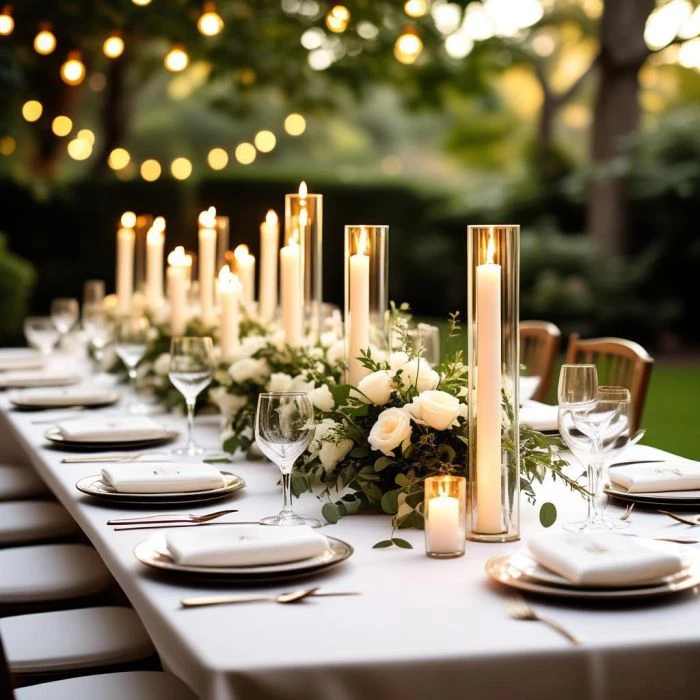
String lights above the dining area are the most effective and versatile solution. Hung between pergola beams, fence posts, or purpose-made poles, they create a canopy of warm light that defines the dining space from above and provides enough illumination for comfortable dining without the harsh brightness of a direct overhead light.
Candles on the table are the perfect complement to string lights overhead: they add the warmth and flicker of real flame at eye level, which creates an intimacy that electric light cannot replicate. Good outdoor lanterns or hurricane glasses protect the flame from breeze and look beautiful on a laid table. Pillar candles in a substantial holder, or a cluster of varying-height candles on a tray, add more visual presence for a larger table or a more formal occasion.
Wall-mounted lights at the boundary of the dining area, or a pair of freestanding outdoor floor lights, fill in the middle distance between the table and the garden beyond and prevent the darkness outside the lit dining zone from feeling like a void.
These related guides will help you complete your outdoor design:
- Best Outdoor Patio Furniture for 2026
- Outdoor Lighting Ideas for Patios and Gardens
- Patio Design Ideas for Every Outdoor Space
- How to Choose Outdoor Rugs and Textiles
- Outdoor Plants and Landscaping Ideas for Patios
For the complete outdoor and patio design guide, read The Complete Guide to Outdoor and Patio Design.