Modern Bedroom Color Schemes That Actually Work

By Tereza Hower | Published March 12, 2026 | Updated March 28, 2026
Color is one of the most powerful tools in bedroom design and one of the most nerve-wracking decisions to make. Get it right and the room has an atmosphere that feels effortless. Get it wrong and even the best furniture in the world cannot fully rescue the space.
The good news is that there are some reliable approaches that consistently produce beautiful results. This guide covers the palettes and principles that work best in modern bedrooms, whether you want something serene and neutral, bold and characterful, or somewhere in between.
Why Color Feels Different in a Bedroom
Before getting into specific palettes, it helps to understand why bedrooms respond to color differently than other rooms. A few factors make the bedroom unique.
Bedrooms are typically used in lower light conditions than living rooms or kitchens. The morning light before the curtains are fully open, the evening lamplight as you wind down for the night, these are the moments when your bedroom color really matters. Colors that look beautiful in a paint store under fluorescent light can look entirely different under the warm glow of a bedside lamp.
Bedrooms are also intimate spaces. You are closer to the walls, you spend more time stationary, and you are there in a state of rest rather than activity. This means that colors you might enjoy in a living room or kitchen can feel overwhelming in a bedroom. Saturation and intensity matter more here than they do elsewhere.
Finally, the bedroom is where you start and end the day. The way it makes you feel on a sensory level has a direct effect on the quality of your sleep and the way your mornings begin. It is worth taking the time to get the color right.
The Case for Warm Neutrals
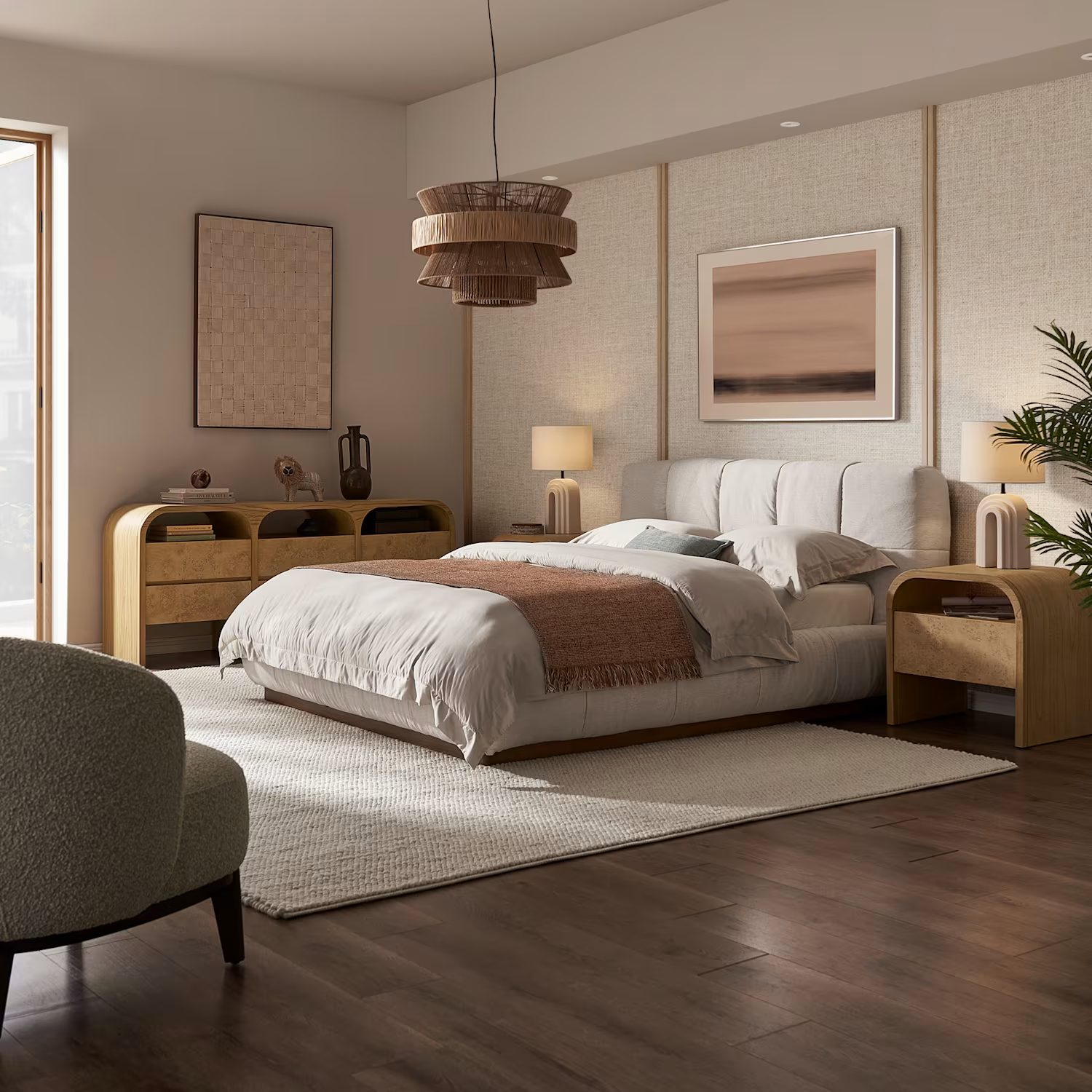
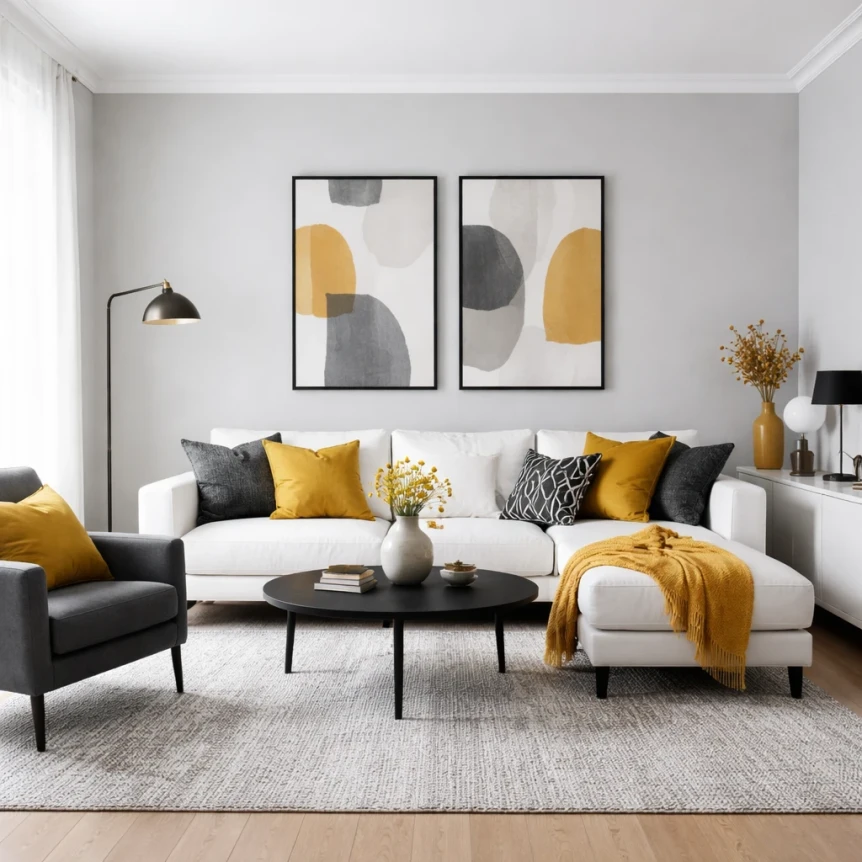
Warm neutrals are the most consistently successful color family in modern bedrooms, and for good reason. Shades in the warm white, cream, linen, greige, and soft taupe range reflect light beautifully, feel gentle on the eye in low lighting conditions, and provide a backdrop that allows textures and materials to do the real visual work.
The key word here is warm. Cool grays and stark whites can feel clinical in a bedroom, especially at night. A white with a yellow, pink, or sand undertone reads very differently from a blue-toned white and tends to feel much more welcoming. Similarly, a warm greige with a hint of terracotta will outperform a flat gray in most bedroom settings.
Warm neutrals work especially well when they are carried consistently across the main surfaces of the room: walls, ceiling, and woodwork in the same tone or closely related tones. This creates a seamless envelope that feels enveloping rather than flat.
The risk with very light neutrals is that the room can start to feel bland without enough textural variation. Counter this by layering materials with different finishes and weights: a matte wall against a linen duvet against a polished oak floor creates interest without introducing competing colors.
Deep and Moody Tones
Deep bedroom colors have been quietly displacing the all-white bedroom for several years, and the trend shows no sign of reversing. When done well, a bedroom in a deep sage green, dusty slate blue, rich terracotta, or warm charcoal has an atmosphere that lighter rooms simply cannot match.
The reason deep tones work so well in bedrooms comes back to how we use the space. A room that wraps you in color rather than opening up into bright white feels cocooning in a way that aligns perfectly with rest and sleep. The walls feel closer, the room feels smaller in the best possible way, and the light sources, whether natural or artificial, glow rather than glare.
Some of the colors that consistently deliver in modern bedrooms include:
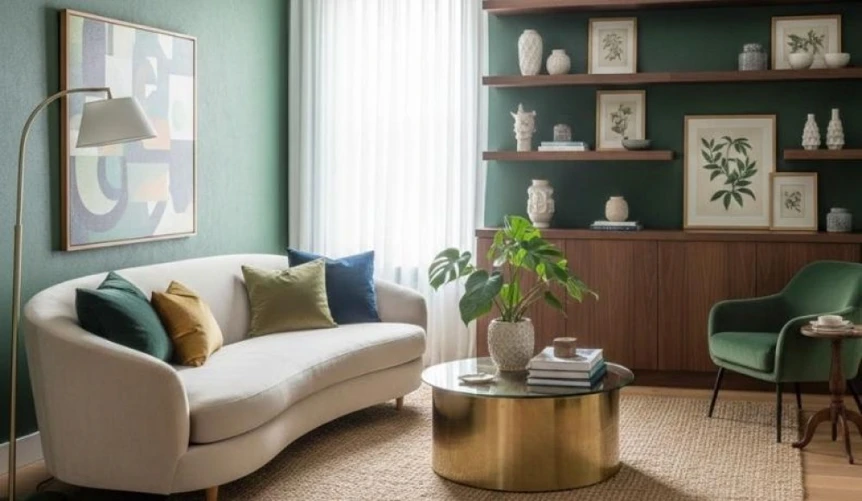
Sage and olive green. These earthy, muted greens have a naturalness that sits beautifully alongside wood, linen, and organic textures. They are versatile enough to work in both warmer and cooler rooms depending on the undertone you choose.
Dusty blue and slate. Blue is one of the most psychologically restful colors and works especially well in bedrooms that face south or west and receive warm afternoon light. Avoid very saturated or primary blues: the dustier, grayer versions are far more livable over time.
Terracotta and rust. Warmer than they might seem at first, earthy reds and terracottas create a bedroom that feels grounded and genuinely cozy. They pair beautifully with natural materials and work particularly well in rooms with warm afternoon or evening light.
Warm charcoal and deep taupe. These near-neutrals offer much of the depth of a true dark color without the commitment. They are easier to pull off in smaller rooms or in spaces where natural light is limited.
When using deep tones, keep the ceiling slightly lighter than the walls or use the same color throughout for a more dramatic, intentional effect. Skirting boards and woodwork painted in the same deep tone as the walls, rather than white, eliminates the visual interruption and makes the room feel more cohesive.
The Tonal Bedroom
One of the most sophisticated approaches in modern bedroom color is the tonal scheme: choosing a single color family and working through its range from pale to deep across different surfaces and materials. A bedroom that moves from a pale linen wall to a mid sage green headboard to deep olive velvet cushions has a layered, harmonious quality that is hard to achieve with multiple competing colors.
Tonal schemes succeed because the eye finds them naturally restful. There is no jarring contrast to land on, no color decision that jumps out as wrong. The room reads as a single, considered whole rather than a collection of separate choices.
The key to making a tonal scheme work is variation in texture and finish rather than color. A pale blue room with a matte wall, a linen duvet, a slightly deeper velvet cushion, and a soft wool rug has tremendous richness even though every element is technically a shade of blue. Remove the textural variation and it can start to feel flat.
Using Accent Colors Without Overcomplicating the Room
Most modern bedrooms benefit from one accent color introduced through textiles and accessories rather than architecture. A rust-colored throw, terracotta cushions, or a deep navy rug can add depth and personality to a neutral base without locking you into a color decision that is hard to undo.
The rule of thumb is to keep accent colors in the same temperature family as the base palette. Warm neutrals tend to pair well with earthy accents: rust, ochre, olive, warm pink. Cool neutrals work better with cooler accents: dusty blue, sage, soft burgundy.
Resist the temptation to introduce more than one or two accent colors. Multiple accent colors competing for attention in a bedroom, especially a small one, create the kind of visual noise that works against the restful atmosphere you are trying to achieve.
How to Test Colors Before You Commit
Paint large test patches directly on the wall, at least A3 size and ideally larger, and observe them at different times of day and under different light sources. The difference between how a color looks at 8am, midday, and 10pm under lamp light can be dramatic, and you want to be happy with it at all three.
If you are considering a deep tone, live with the test patch for at least a few days before committing. Deep colors tend to look better over time as your eye adjusts, but it helps to know whether your initial reaction is one you can move past.
Try testing colors on both a north-facing and a south-facing wall if your room has both. The same paint can look noticeably different depending on which wall it is on and what light hits it.
Once you have your color direction set, explore how the other elements of the room can reinforce it:
- Best Modern Bedroom Furniture for 2026
- Modern Bedroom Lighting Ideas for Every Style
- How to Choose the Right Rug for Your Bedroom
- How to Design a Minimalist Bedroom You’ll Love
- Small Bedroom Design Ideas That Make the Most of Your Space
For a complete overview of every design decision in the bedroom, read The Complete Guide to Modern Bedroom Design.