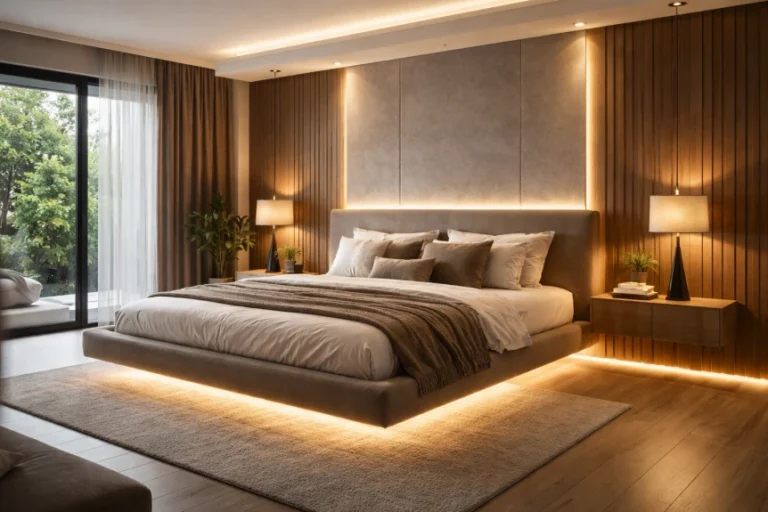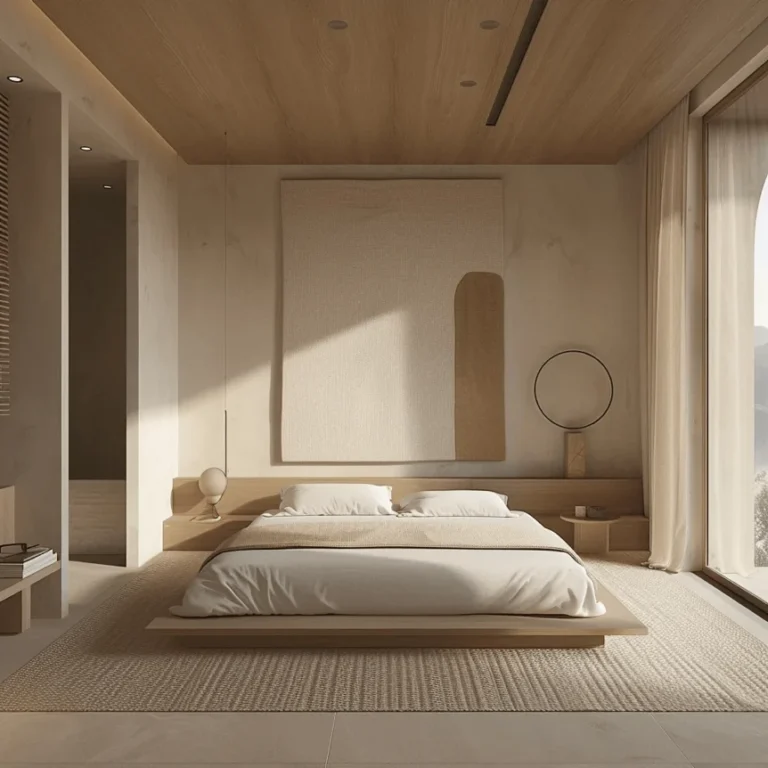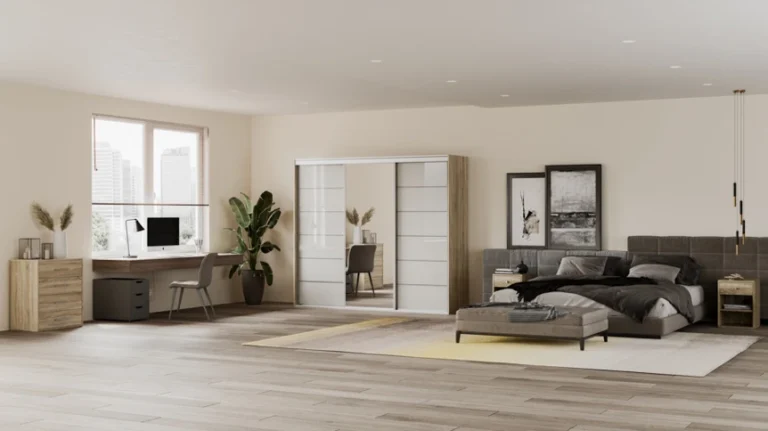
How to Design a Minimalist Bedroom You’ll Love

By Tereza Hower | Published March 12, 2026 | Updated March 28, 2026
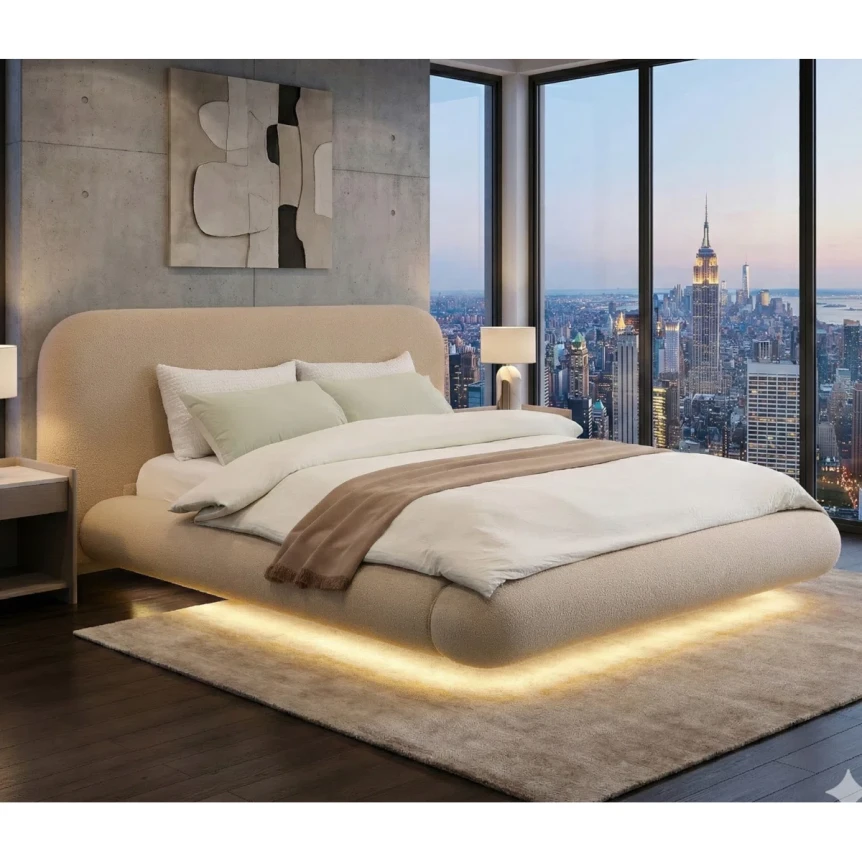
The minimalist bedroom is one of the most misunderstood ideas in home design. People imagine cold white rooms with nothing on the walls, a bed on the floor, and the general feeling of a space waiting to be moved into. That is not minimalism. That is just a room without furniture.
A genuinely well-designed minimalist bedroom is warm, personal, and deeply considered. It just happens to contain fewer things than most rooms, and those things have been chosen with more care than most. This guide explains how to approach bedroom minimalism in a way that results in a space you actually want to live in.
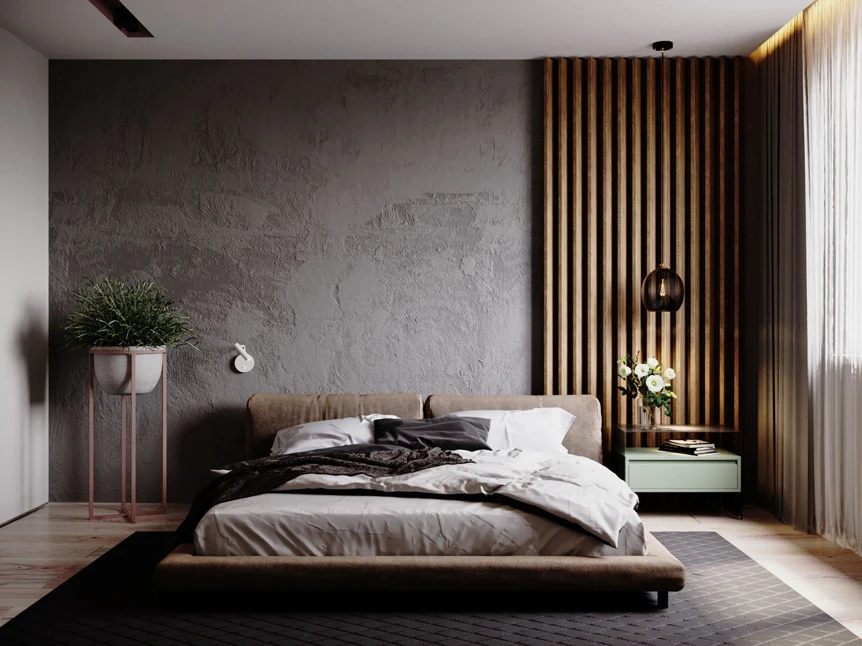
What Minimalism Actually Means in a Bedroom Context
Minimalism as a design philosophy is rooted in the idea that objects should earn their place. Every piece of furniture, every surface object, every decorative element should either serve a clear function, bring genuine pleasure, or ideally both. What it explicitly rejects is the accumulation of objects out of habit, obligation, or inertia.
Applied to the bedroom, this does not mean owning as little as possible. It means being honest about what you use, what you need, and what genuinely adds to the experience of being in the room. A beautifully worn linen duvet, a thoughtful piece of art, a single plant in a good pot: these are all entirely at home in a minimalist bedroom. A pile of decorative cushions you rearrange every morning just to put them back at night probably is not.
The emotional benefit of a minimalist bedroom is real and well documented. Reducing visual complexity in the room you sleep in tends to lower the mental noise that interferes with rest. There is less for the eye and the brain to process, and the result is a space that feels genuinely quiet in a way that a busier room does not.
Start by Removing, Not Adding
The most common way people approach bedroom redesign is to start shopping. New furniture, new textiles, new accessories. In minimalist design, this instinct is precisely backwards. The first step is to remove things, not add them.
Go through your bedroom with fresh eyes and honest questions. Does this earn its place? Do I use it? Do I love it? Is it here because I chose it or because it has never been moved? The answers are often surprising. Most bedrooms contain a significant number of objects that are there for no better reason than inertia, and removing them costs nothing and often transforms the room immediately.
Common candidates for removal include: extra decorative cushions that never get used, objects on surfaces that have drifted there from other rooms, books and magazines that you have read or will never read, furniture that is providing storage for things you no longer want, and any item that you find slightly annoying every time you look at it.
After an honest edit, many people find that the room already feels significantly better, and that what seemed like a need for new things was actually a need for fewer things.
Furniture: Less and Better
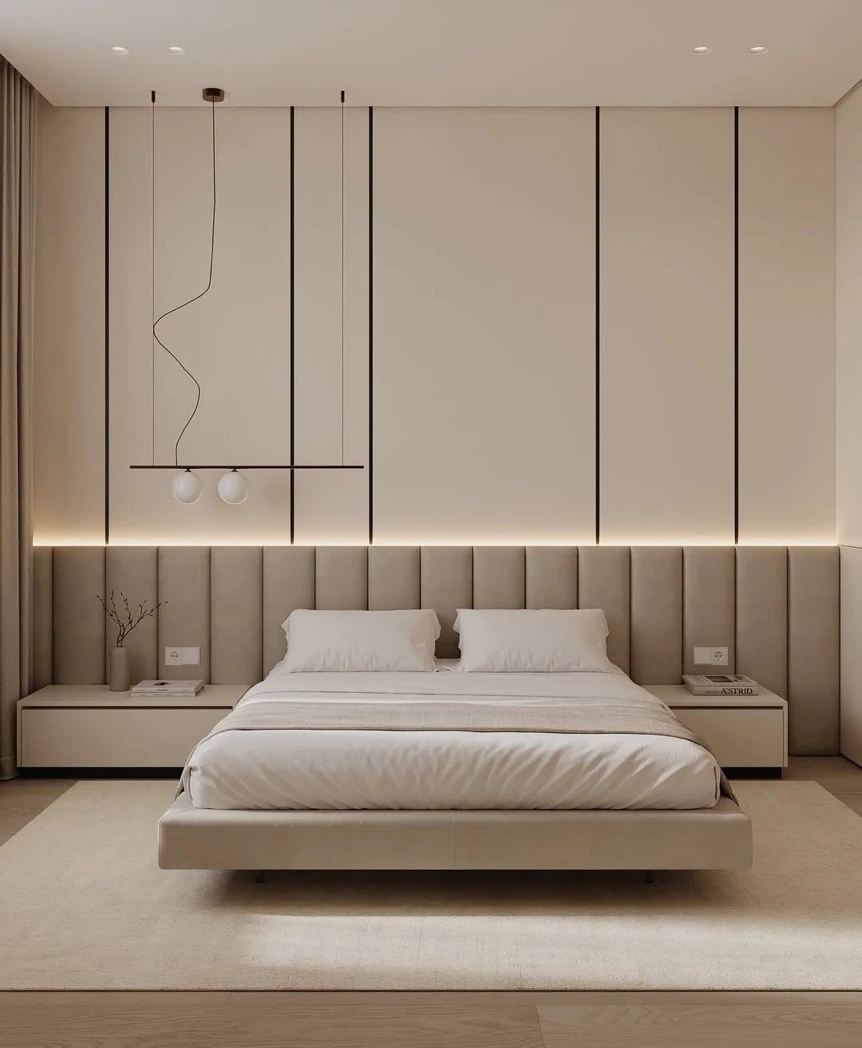
A minimalist bedroom typically has a limited number of furniture pieces. The bed, one or two nightstands, a wardrobe or clothes storage solution, and perhaps a single additional piece: a chair, a small desk, or a bench at the foot of the bed. That is usually enough.
Because there is less furniture, the quality of what you keep matters more. A bed frame with a beautiful headboard in good fabric, nightstands with clean lines and smooth-running drawers, a wardrobe with a considered internal layout: these things have more impact in a minimal room precisely because there is nothing else competing for attention.
Integrated or built-in storage is a natural ally of minimalist bedroom design. When clothes and belongings are behind closed doors, the room retains a sense of calm openness that freestanding furniture often disrupts. If you are planning a bedroom refresh, this is one of the most worthwhile investments you can make.
Choose furniture in a consistent material palette. Two or three complementary materials, say oak and linen, or painted wood and cotton, are plenty. Introducing too many different materials, even beautiful ones individually, creates a visual complexity that works against the simplicity you are aiming for.
Color and Surface Finish
Minimalist bedrooms tend to use restrained color palettes, but restrained does not have to mean pale. Some of the most compelling minimalist bedrooms are quite dark, with walls in deep sage, slate, or warm charcoal. What they share is consistency: a single color or closely related tones carried through the whole room without competing accents or busy patterns pulling in different directions.
The most important surfaces in a bedroom are the walls, floor, ceiling, and bed. If these four elements share a tonal harmony, the room will feel coherent even with different materials and textures in play. Disrupting this harmony with a brightly patterned rug or a feature wall in a very different tone tends to undermine the sense of calm that a minimal palette creates.
Texture becomes more important when color is restrained. A matte wall, a linen duvet, a wool rug, and a smooth oak floor together create a room with genuine warmth and depth even though the palette is simple. Without the textural variation, the same color scheme can feel flat.
What Stays on the Surfaces
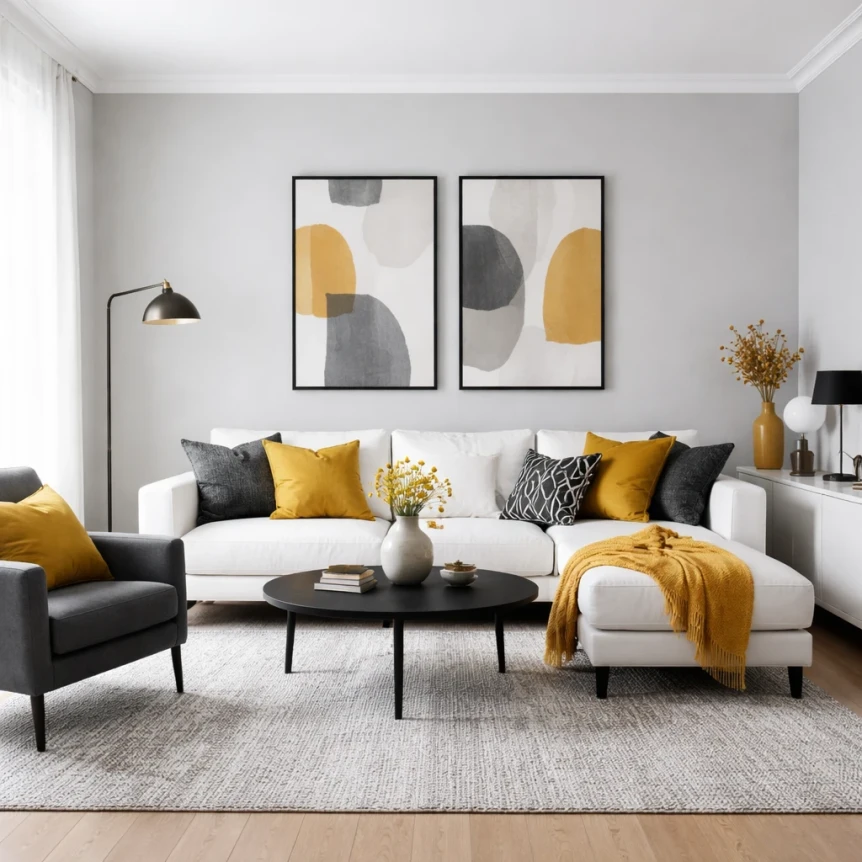
Surface objects in a minimalist bedroom need to be edited ruthlessly. The goal is not to have nothing on any surface, that would feel clinical and strange. The goal is to have only objects that you have actively chosen, that serve a purpose or bring you genuine pleasure, and that look intentional rather than accidental.
A nightstand in a well-designed minimalist bedroom might hold a lamp, one book, a glass of water, and perhaps a small plant or candle. That is enough. The lamp provides both function and form. The book is there because you are reading it, not because you ran out of shelf space elsewhere. The plant is alive and chosen. The candle is lit in the evenings and brings something to the room beyond decoration.
The test for any surface object is simple: if you removed it, would you miss it? If the answer is no or I am not sure, it probably should not be there.
Art and Personal Objects
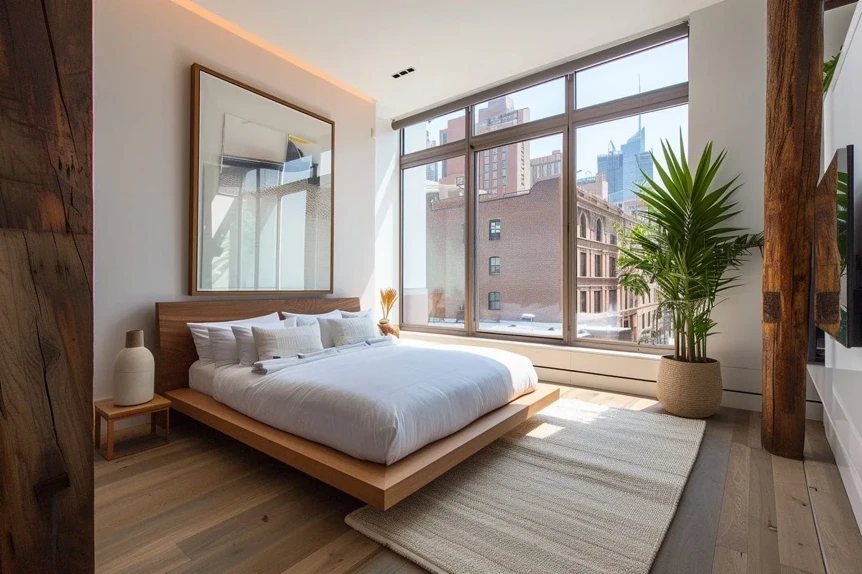
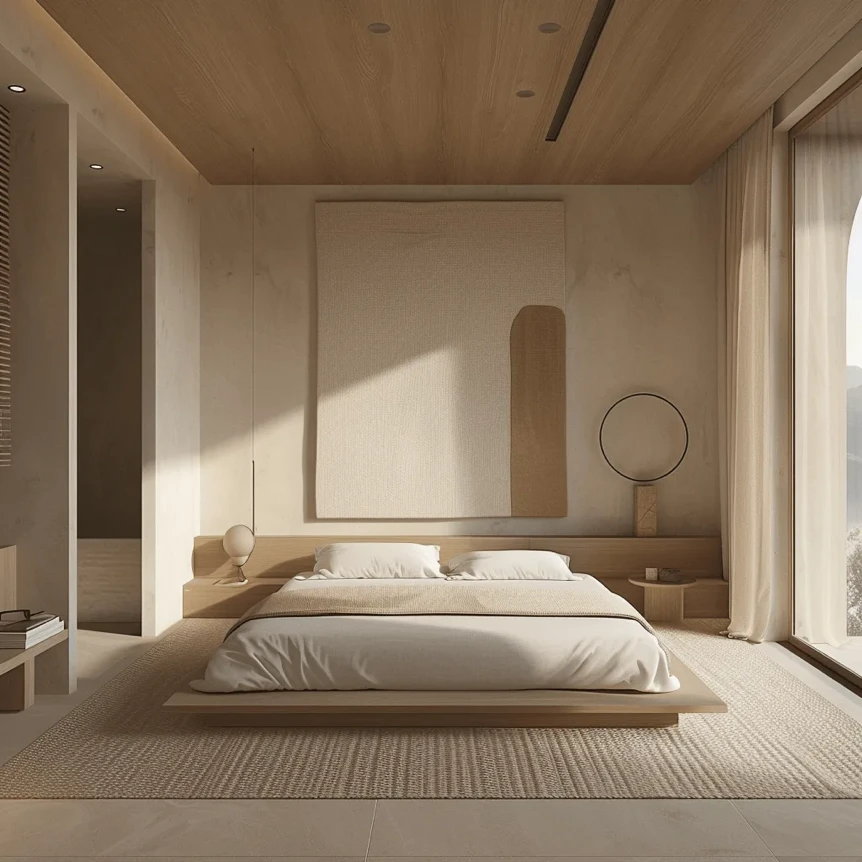
Minimalism does not require a stripped-back, anonymous room. Personal objects and art are welcome in a minimal bedroom, they just need to be considered. One well-chosen piece of art on a wall has far more impact than six smaller pieces competing for attention. A single meaningful personal object on a shelf communicates more about who you are than a collection of twenty.
The minimalist approach to art tends to favor simple framing, calm subject matter, and placement that is deliberate rather than a last resort for filling empty wall space. Abstract work, photography, and simple graphic pieces all work well.
Maintaining a Minimalist Bedroom
The hardest part of a minimalist bedroom is not designing it but maintaining it. Clutter accumulates naturally and invisibly, a few things left on the nightstand, a chair that gradually becomes a clothes rack, a surface that slowly fills up over a few weeks. None of these feel significant individually, but together they erode the quality of the room.
The most effective maintenance habit is a regular reset: once a week, walk through the room and return everything to its place. This takes ten minutes at most if the storage is adequate, and it keeps the room from sliding back to where it started. The other helpful habit is a strict one-in one-out approach to new objects entering the bedroom. Before something new comes in, something existing goes out. It is a simple rule that prevents slow accumulation before it starts.
Ready to build out the rest of your minimalist bedroom? These guides cover the key elements:
- Best Modern Bedroom Furniture for 2026
- Smart Bedroom Storage Ideas for a Clutter-Free Space
- Modern Bedroom Color Schemes That Actually Work
- How to Choose the Right Rug for Your Bedroom
- Modern Bedroom Lighting Ideas for Every Style
For a full overview of modern bedroom design, read The Complete Guide to Modern Bedroom Design.