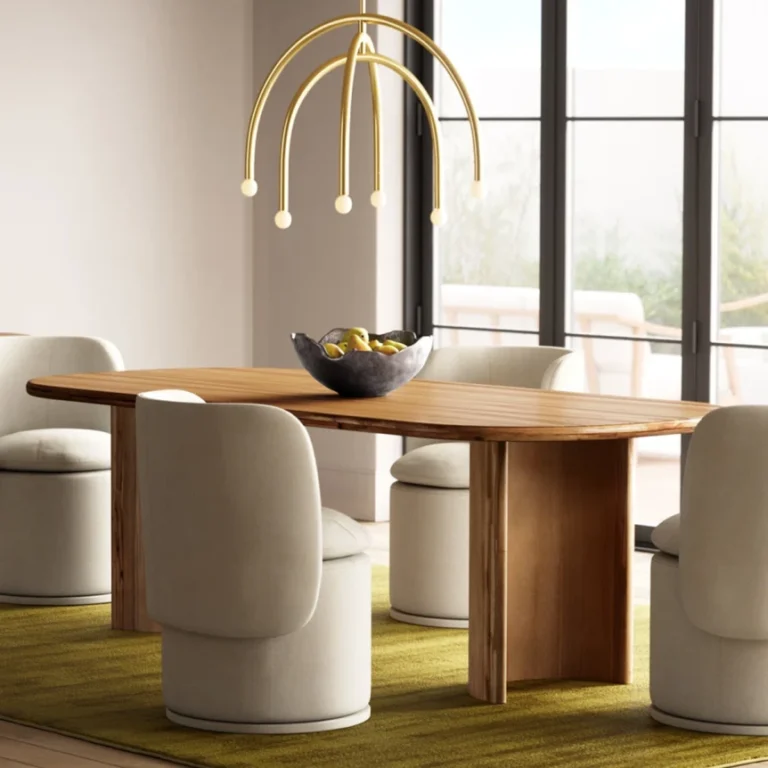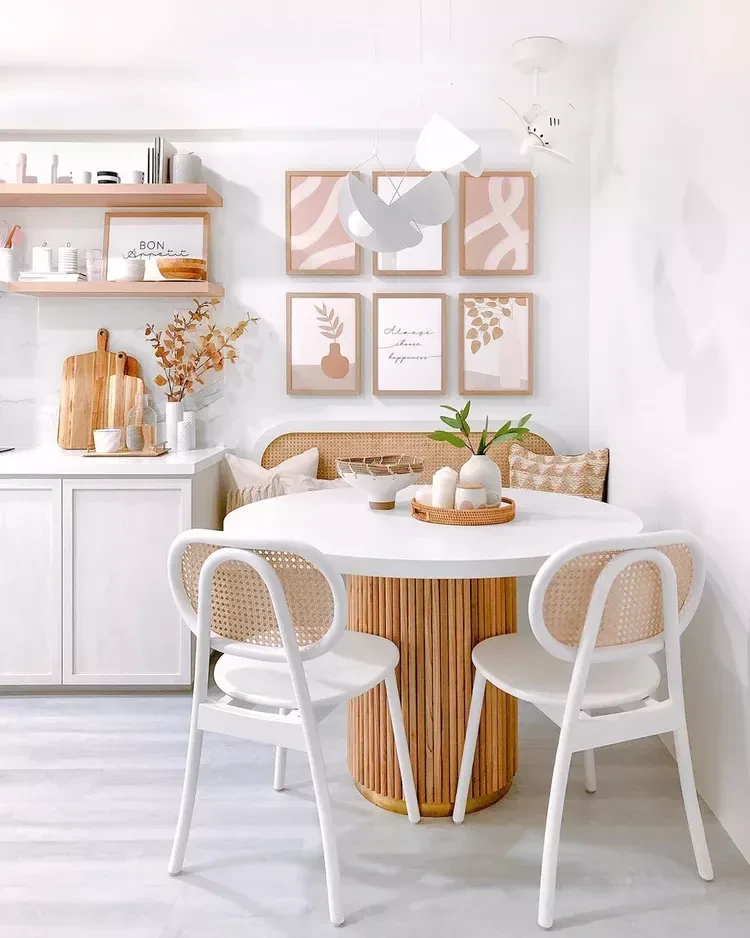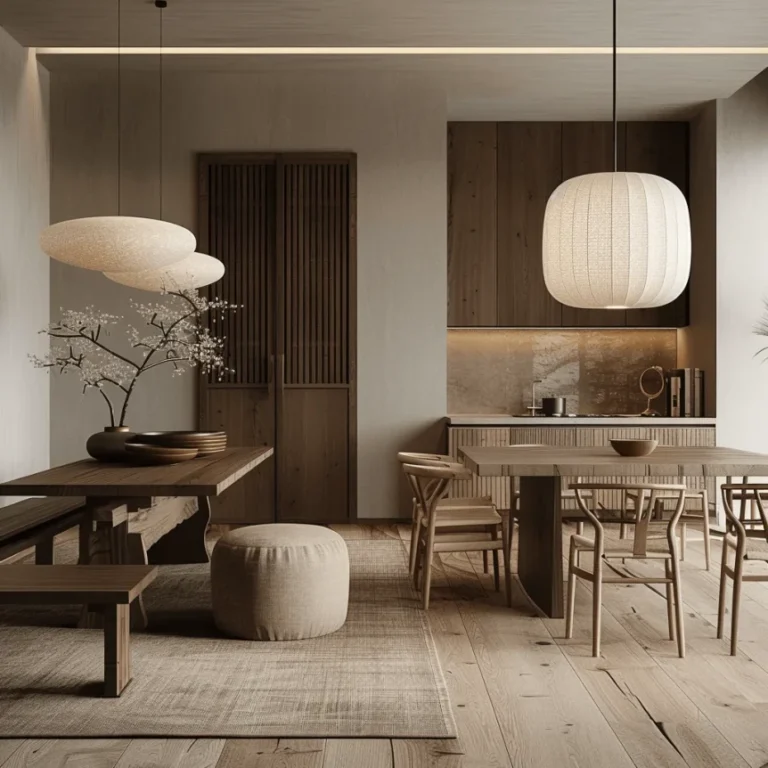
Formal vs. Casual Dining Room Design: How to Find the Right Approach

By Tereza Hower | Published April 1, 2026
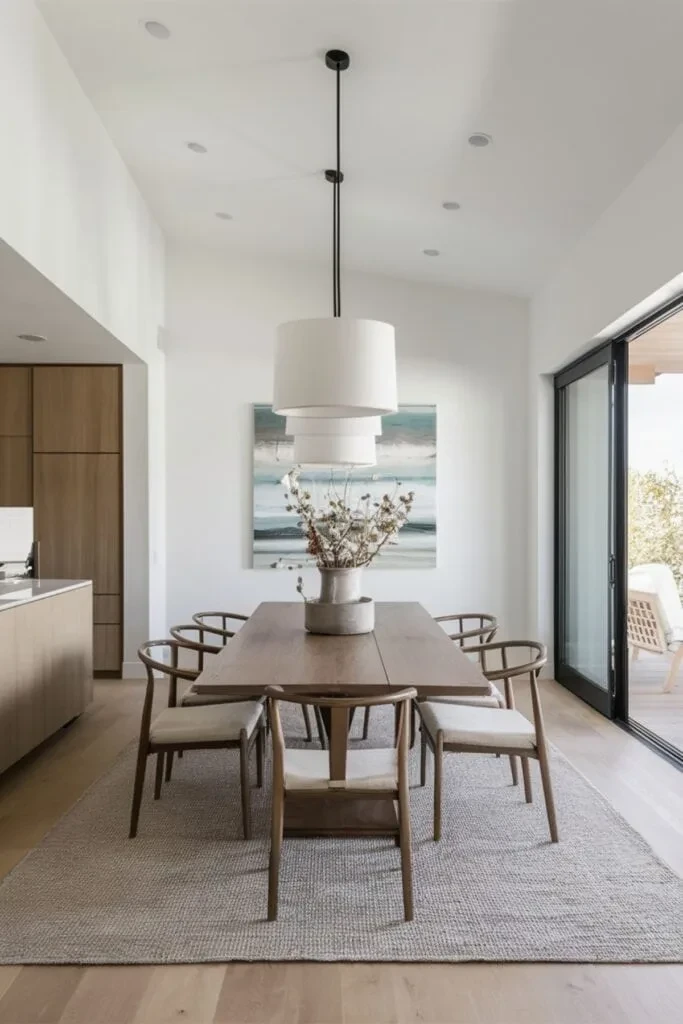
Most people don’t think of their dining room as formal or casual until they start making design decisions. Then the question surfaces quickly: do I want a room that feels like an occasion, or a room that works for Tuesday night tacos? The honest answer for most households is both, which is why the formal vs. casual distinction isn’t a binary choice. It’s a spectrum, and the best modern dining rooms find their place on it intentionally.
This guide compares the two approaches side by side, breaks down what defines each one, and helps you figure out where your own dining room should land.What Defines a Formal Dining Room
A formal dining room is designed for occasion. It has a sense of ceremony, refinement, and deliberate elegance. In modern design, formal doesn’t mean stiff or old fashioned. It means the room has been designed with a higher level of intention and polish.
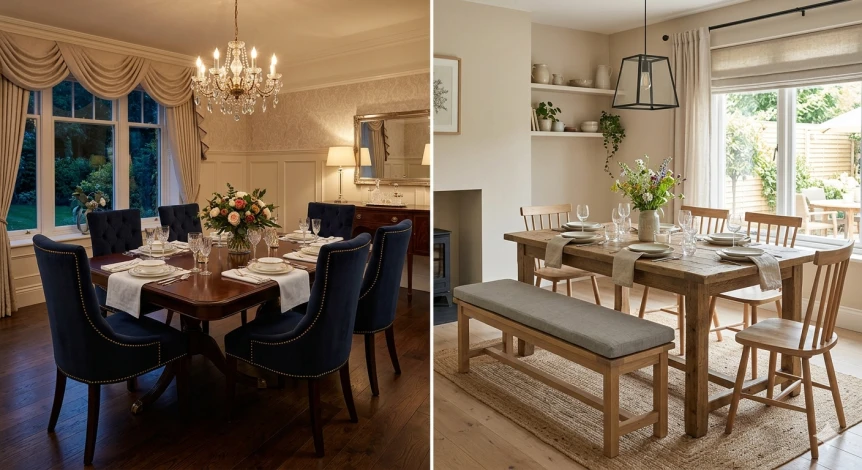
Key Characteristics
- A longer table that seats eight or more
- Fully upholstered dining chairs, often with arms at the heads
- A statement chandelier or large pendant as the anchor fixture
- Deeper, more saturated wall colors (navy, charcoal, forest green, burgundy)
- Linen tablecloths, cloth napkins, and considered table settings
- A sideboard or credenza for serving and display
- Art or a mirror as a wall focal point
- Curtains rather than bare windows
The formal modern dining room keeps the polish of traditional formal dining but drops the rigidity. There’s no china cabinet displaying rarely used dishes. No ornate carved furniture. No matching everything. Instead, the room is refined through material quality, proportion, and restraint.
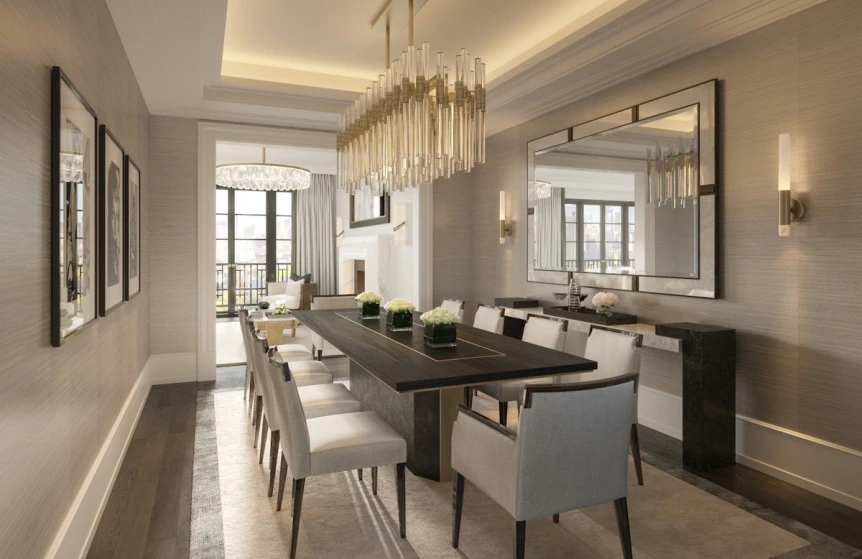
What Defines a Casual Dining Room
A casual dining room is designed for daily life first and gatherings second. It’s durable, easy to maintain, and flexible enough to handle breakfast, homework, crafts, and dinner parties without any of those uses feeling forced.
Key Characteristics
- A smaller to medium table that seats four to six for daily use
- A mix of seating types: chairs, benches, stools
- Simpler lighting, often a single pendant with an organic or industrial feel
- Lighter, neutral wall colors or an open plan setting
- A sturdy, forgiving table surface (solid wood, especially with a matte or natural finish)
- Open shelving instead of a formal sideboard
- Relaxed textiles like linen runners and cotton napkins
- Fewer accessories, more breathing room
Casual doesn’t mean undesigned. A casual modern dining room still feels considered and aesthetically coherent. The difference is that form follows function more transparently. Every piece is there because it works, not because it completes a look.
Side by Side Comparison
The Table
Formal dining rooms tend toward longer tables (84 inches and up) in higher end materials like walnut, marble, or stone. The table is a statement piece and often has more refined detailing. Casual dining rooms favor shorter, sturdier tables (60 to 72 inches) in durable materials like oak or ash with natural or matte finishes that handle daily wear without showing every scratch.
For a detailed guide to choosing the right table for either approach, see our Dining Table Buying Guide.
Chairs
Formal: fully upholstered chairs with higher backs, arm chairs at the heads, and a focus on comfort for long meals. Casual: lighter chairs, mixed styles, benches, or a combination. The casual dining room is where mixing and matching dining chairs works best, because the relaxed setting supports that eclectic quality naturally.
Lighting
Formal dining rooms often use a larger, more sculptural fixture as a visual centerpiece. The chandelier or pendant has presence and design intent. Casual dining rooms lean toward simpler, warmer fixtures: a dome pendant, a rattan shade, a cluster of bare Edison bulbs. Both should be on dimmers. The difference is in the fixture’s visual role. In formal rooms, it’s a feature. In casual rooms, it’s a functional warmth provider.
Our Dining Room Lighting Guide covers fixture selection and layering for both approaches.
Color
Formal dining rooms are where deeper, more dramatic wall colors work best. Navy, emerald, charcoal, and burgundy create a sense of enclosure and occasion. Casual dining rooms tend toward lighter, more open palettes: warm whites, soft taupes, and gentle earth tones that keep the room feeling relaxed and airy.
Both approaches have plenty of room for variation. Our Dining Room Color Schemes guide goes deeper on palettes for every mood.
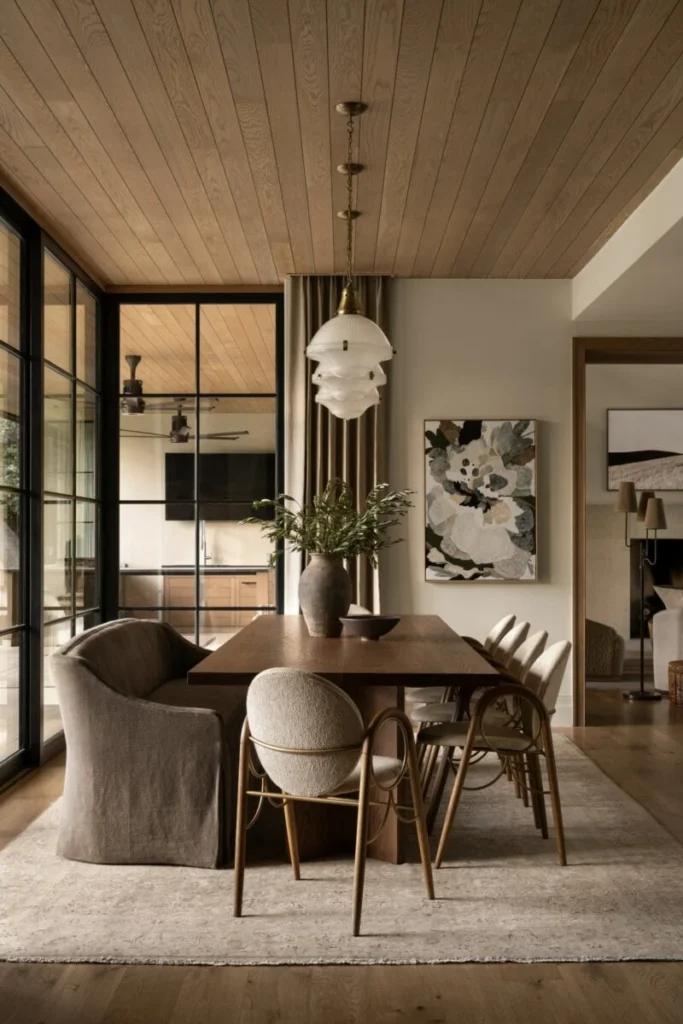
Wall Decor
Formal dining rooms tend to feature a single strong piece of art, a dramatic mirror, or carefully considered wall paneling. The walls participate in the room’s sense of occasion. Casual dining rooms often leave walls simpler: a set of floating shelves with a few objects, a casual gallery arrangement of family photos, or minimal decor that lets the room’s openness speak for itself.
For ideas on both approaches, see our Dining Room Wall Decor Ideas guide.
Textiles
Formal: linen tablecloths, cloth napkins, a rug with more refinement (a subtle pattern, a softer pile). Casual: a simple linen runner or bare table, relaxed cotton napkins, and a durable flatweave rug that can handle chair legs and spills.
The Middle Ground: Where Most People Land
The vast majority of modern dining rooms don’t sit at either extreme. They occupy a middle ground that borrows from both: a solid wood table that’s nice enough for dinner parties and tough enough for daily meals. Comfortable chairs that aren’t overly formal. A pendant light with personality. Walls with some color or art but not a full dramatic scheme.
This middle ground is not a compromise. It’s the most practical and livable approach for most households. The room works for a weeknight dinner for two and a holiday gathering for ten without needing to be reconfigured or redecorated.
How to Find Your Middle Ground
Ask yourself three questions:
- How often do I actually host formal dinners? If the answer is rarely, design for daily life and let the occasional dinner party rise to the occasion with candles, a tablecloth, and good food.
- Who uses the room and how? If kids eat here daily, durability and easy maintenance matter more than refined materials. If it’s primarily an adult dining space, you can lean more formal.
- Is the room dedicated or shared? A dedicated dining room can commit more fully to either direction. An open plan dining area that flows into the kitchen or living room usually needs to stay more casual and cohesive with the adjacent spaces.
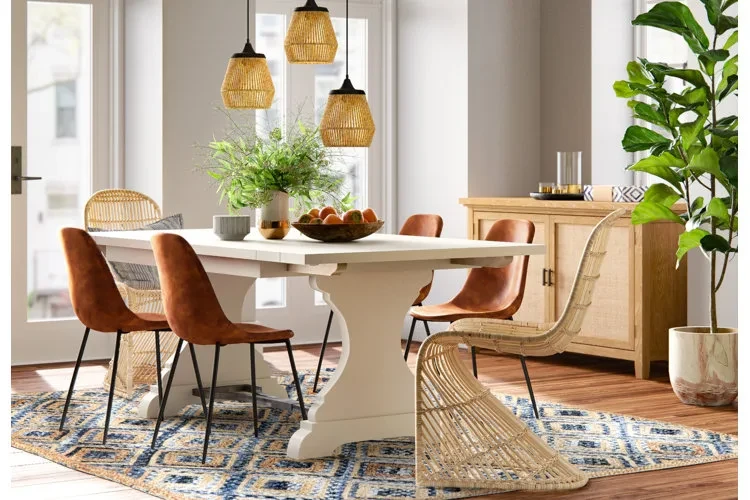
Can a Dining Room Be Both?
Yes, and this is often the smartest approach. Design the room’s bones (table, chairs, lighting, wall color) for how it’s used most of the time. Then elevate for special occasions with easily changeable elements: candles, a tablecloth, cloth napkins, flowers, and dimmed lighting.
A well designed modern dining room can shift from casual weeknight dinner to elegant Saturday gathering just by dimming the lights, setting the table properly, and adding a few candles. That flexibility is the real goal. A room that only works at one end of the spectrum is less useful than one that moves fluidly between the two.
Formality by Room Size
Small Dining Rooms
Small rooms lend themselves naturally to intimacy, which is a quality of formal dining. A small dining room with a deep wall color, a good chandelier, and upholstered chairs can feel remarkably elegant. The compact scale actually enhances the formal atmosphere by bringing everything closer together.
Conversely, a small room designed casually can feel inviting and cozy. The room’s size is not a limitation; it just tilts the outcome toward intimacy regardless of which direction you choose. For more small space strategies, see Small Dining Room Ideas.
Large Dining Rooms
Large rooms have the opposite challenge: they can feel cold or impersonal without enough warmth and visual weight. A formal approach, with its deeper colors, substantial furniture, and statement lighting, fills a large room more effectively. A casual approach in a large room needs extra attention to warmth (a large rug, warm wall tones, layered textiles) to prevent the space from feeling empty.
Frequently Asked Questions
What makes a dining room formal vs. casual?
Formal dining rooms feature longer tables, fully upholstered chairs, statement lighting, deeper wall colors, and considered table settings. Casual dining rooms lean toward simpler furniture, mixed seating, lighter colors, and a layout designed for daily use rather than occasions.
Can a dining room be both formal and casual?
Yes. Design the permanent elements (table, chairs, lighting, walls) for everyday use, then elevate for occasions with changeable elements like tablecloths, candles, cloth napkins, and dimmed lighting. A flexible room that moves between the two is more practical than one locked into either extreme.
Is a formal dining room outdated?
Not at all. The traditional formal dining room with heavy drapes and matching furniture suites has fallen out of fashion, but the modern version — refined, clean-lined, and intentional — is very much alive. Formal just looks different now: better materials, simpler lines, and a focus on atmosphere rather than ornamentation.
Design for How You Actually Eat
The formal vs. casual question isn’t about choosing a style. It’s about designing for your reality. If you host regularly and enjoy the ritual of a set table, lean formal. If your dining room is the daily hub of your household, lean casual. If you’re somewhere in between (most people are), design for the everyday and let the occasional evening take care of itself with a tablecloth and some candles.
For the complete guide to designing every element of your dining room, read The Complete Guide to Modern Dining Room Design.
Related guides:
- Dining Table Buying Guide
- Dining Room Lighting Guide
- Dining Room Color Schemes
- How to Mix and Match Dining Chairs