Small Patio Ideas That Make the Most of Your Space

By Tereza Hower | Published March 24, 2026 | Updated March 27, 2026
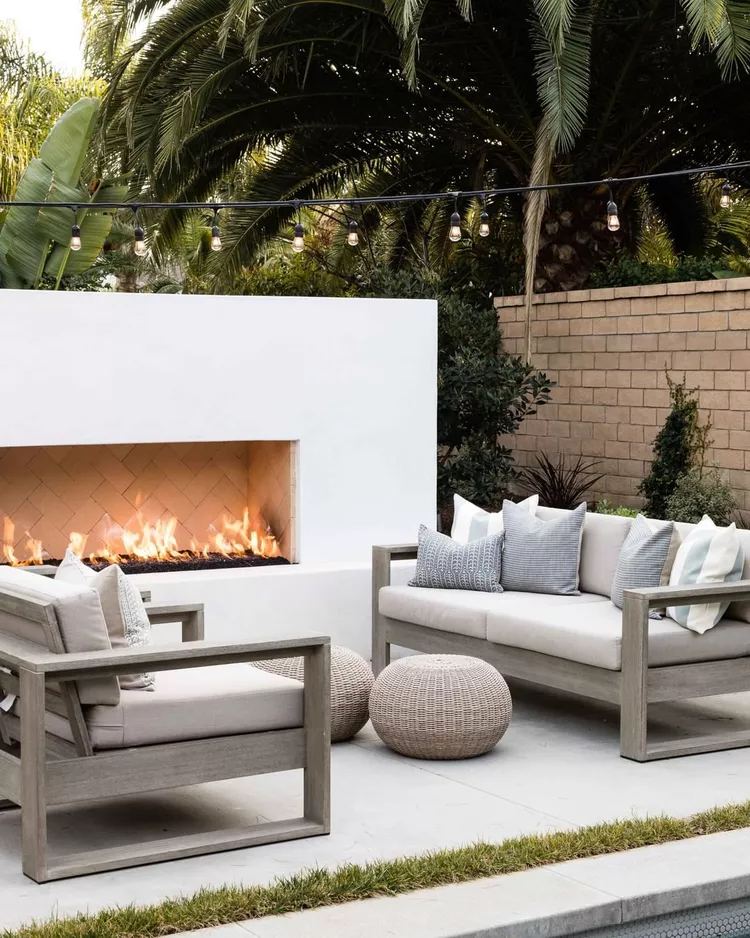
A small patio is not a lesser version of a large one. Some of the most beautiful and most inviting outdoor spaces are compact urban courtyards, narrow terraces, and modest back garden patios that have been designed with precision and intention. The constraints of a small space, when worked with rather than fought against, produce outdoor rooms with an intimacy and character that sprawling gardens rarely achieve.
This guide covers the ideas and strategies that consistently work well in small patios: how to lay out the space, which furniture to choose, how to use planting effectively, and the visual techniques that make a tight outdoor space feel significantly more generous than its dimensions suggest.
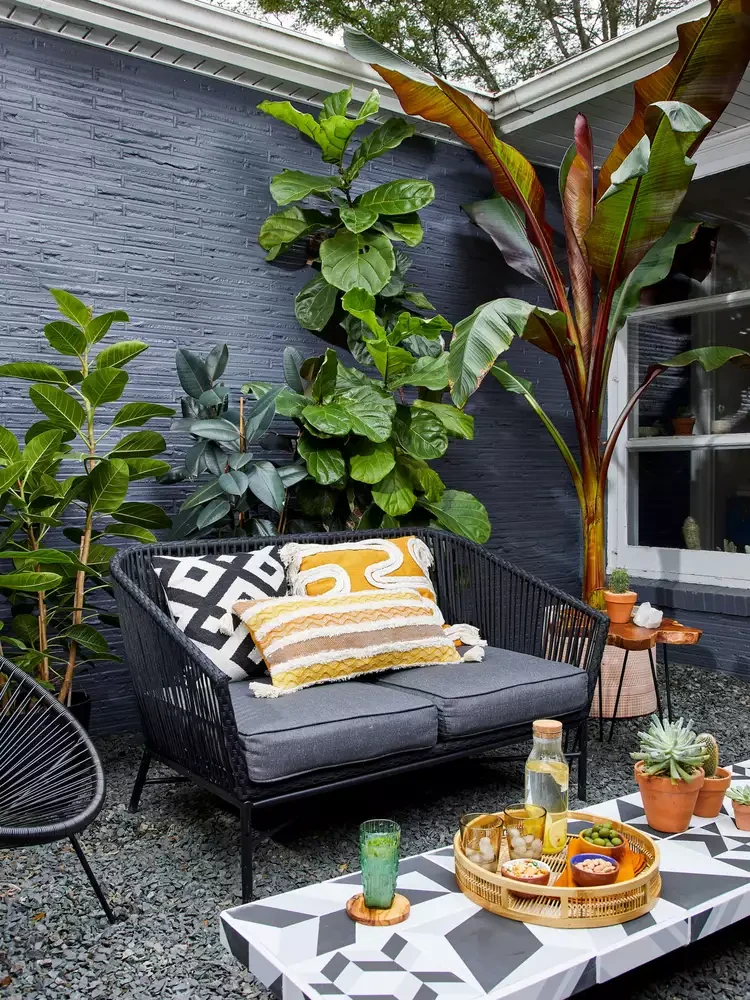
The Most Important Principle: Resist Over-Filling
The most common mistake in small patio design is trying to fit too much in. The instinct to maximize every square meter by adding more furniture, more pots, more accessories, and more features is understandable but consistently produces spaces that feel cramped and chaotic rather than compact and considered.
A small patio with one well-chosen seating arrangement, two or three generous pots with beautiful plants, and good lighting will feel far more inviting than the same space stuffed with multiple small chairs, dozens of small pots, and a cluttered collection of accessories. Restraint is a design strategy in small outdoor spaces, not a compromise forced by circumstance.
Before adding anything to a small patio, ask whether it genuinely earns its place. Does it serve a real purpose? Does it add to the atmosphere? Does it complement what is already there? Applying this question consistently keeps the space from accumulating things that dilute rather than improve it.
Layout: One Clear Zone Done Well
In a small patio, trying to create multiple zones, a dining area here, a lounging area there, a planting border along one side, often results in each zone being too small to be genuinely comfortable or usable. A better approach in most small spaces is to commit to one primary zone and do it well.
For most small patios, the most useful single zone is a comfortable seating area that can also serve as a dining space. A small bistro table with two chairs serves both purposes without the space commitment of separate dining and lounge furniture. A pair of low chairs with a small coffee table that can also function as a dining surface is another versatile combination. The furniture can be rearranged as needed for different uses, and the open space around it makes the patio feel larger and easier to move around in.
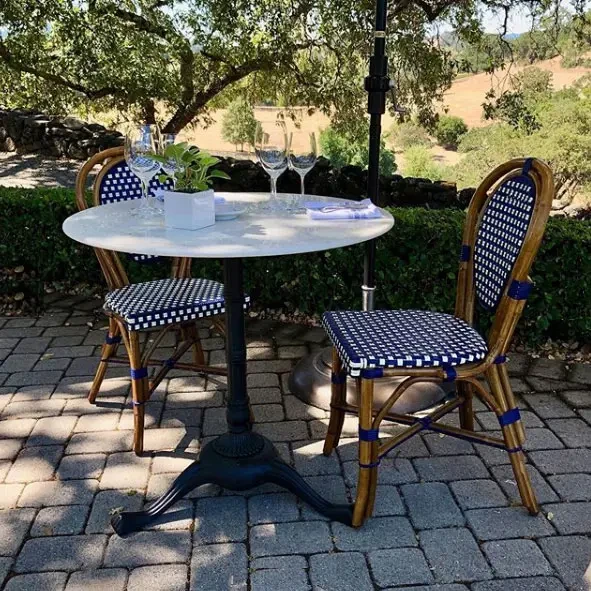
Position the furniture to take advantage of the best aspect of the space: the view toward the garden, the patch of afternoon sun, the sheltered corner. In a small patio, the difference between a well-positioned arrangement and an awkwardly placed one has an outsized effect on how enjoyable the space is to use.
Furniture That Fits the Scale
Scale is everything in small outdoor spaces. Furniture that is slightly too large makes a small patio feel cramped and difficult to navigate. Furniture chosen for the actual dimensions of the space makes the same square footage feel comfortable and well considered.
Bistro tables and chairs are the natural choice for very small patios and have a long tradition of making small outdoor spaces feel charming rather than limited. A quality bistro set in powder-coated steel or cast iron has a classic quality that suits a range of outdoor styles and takes up minimal space while providing everything needed for a morning coffee or a light outdoor meal.
Folding and stackable furniture is particularly practical in small patios where you want to be able to clear the space when it is not in use or when different activities require different configurations. Quality folding chairs and lightweight folding tables can be stored flat against a wall or in a small cupboard and brought out when needed. The best folding outdoor furniture looks as well designed as fixed pieces and does not read as a compromise.
Benches are more space-efficient than individual chairs for seating multiple people around a small dining table, since they can be pushed under the table when not in use and take up significantly less circulation space than chairs with pushed-out legs. A wall-fixed bench along one side of a small courtyard is one of the most effective seating solutions for tight spaces.
Vertical Space: The Small Patio’s Greatest Resource
In a small patio where floor area is limited, vertical space becomes the primary design opportunity. Using walls, fences, and any available vertical structure for planting, storage, lighting, and even seating dramatically increases the design richness of the space without reducing the usable floor area.
Climbing plants on walls and fences are the most natural way to use vertical space in a garden. A bare fence panel covered in a climbing rose, a clematis, or a fast-growing evergreen climber is transformed from a boundary into a garden feature. Wall-mounted planters and vertical planting systems allow herbs, trailing plants, and flowering annuals to be grown on the wall surface itself, adding green without taking any floor space.
Wall-mounted shelving for pots and small plants is both decorative and practical. A simple timber or metal shelf bracket at head height holding three or four pots creates a planting element with real visual presence in the space without using any of the precious floor area below it.
Lighting used vertically, string lights run along fence lines, uplights against walls, wall-mounted lanterns at different heights, creates a sense of depth and dimension in small patios that horizontal lighting alone cannot achieve. The vertical lines of light draw the eye upward and outward, making the space feel less bounded.
Surface Choices That Add Space
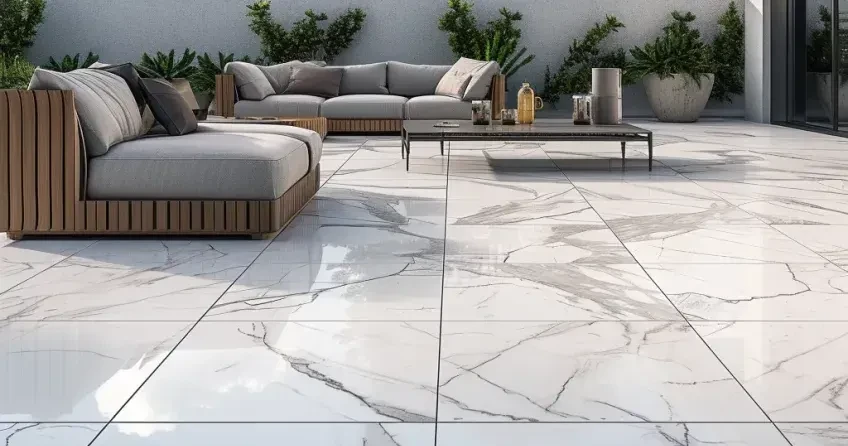
The paving material in a small patio has a significant effect on how large the space feels. Large format tiles or pavers with minimal joint width create a more expansive surface than smaller paving units with frequent grout lines, which emphasize the boundaries of the space by creating a grid that the eye reads as a measure of distance.
A pale or warm neutral paving color reflects light and makes the space feel brighter and more open than a dark surface. Dark pavers have their place in outdoor design, but in a small enclosed patio they tend to absorb light and make the space feel smaller. If a darker tone is wanted for character reasons, using it as a border or accent around a lighter main surface is more effective than covering the entire floor.
Running the same paving material continuously from the house threshold to the far edge of the patio, without breaks, color changes, or pattern interruptions, creates a visual continuity that makes the space feel larger. Any break in the surface, a different material strip, a color change, or a contrasting border in a prominent position, creates a visual stop that makes the space feel more divided and smaller as a result.
Plants: Fewer and More Generous
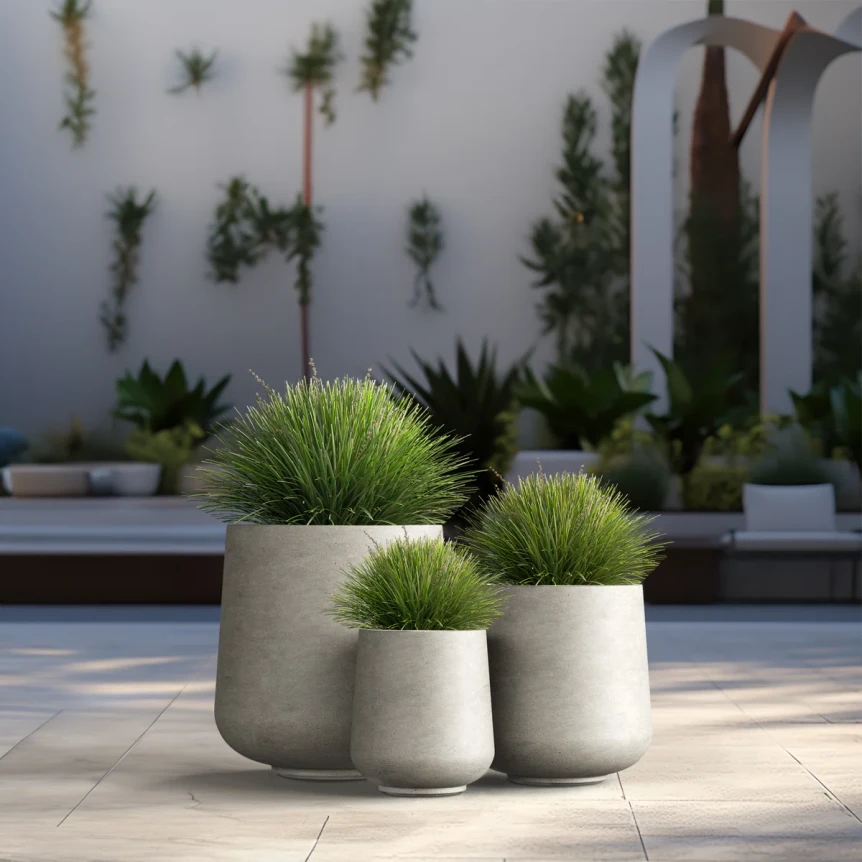
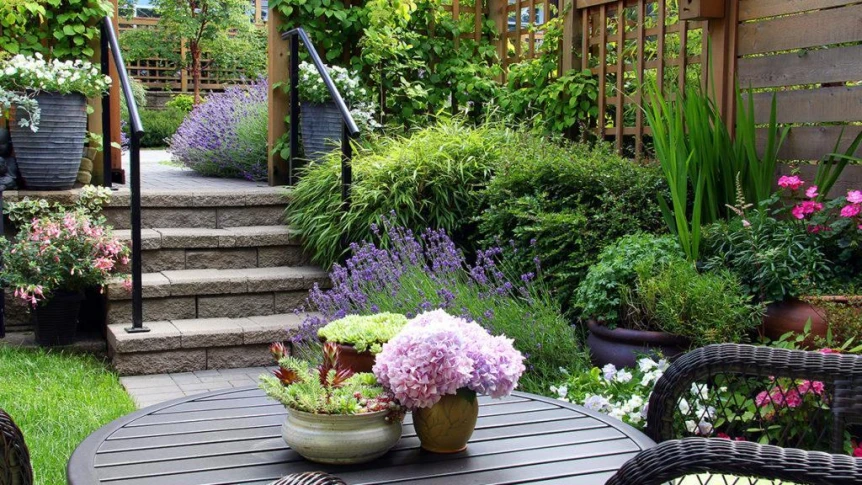
The same principle of restraint that applies to furniture applies to plants in a small patio. Many small pots of different sizes, shapes, and plants creates a fussy, market-stall quality that makes the space feel crowded. A few generous pots with well-chosen plants creates structure, presence, and genuine design impact.
A single large specimen plant in a beautiful pot, a clipped box ball, a small olive tree, a dramatic grass or an architectural succulent, creates a focal point that anchors the space and reads as a deliberate design decision. Two or three well-chosen pots in the same material and a consistent color palette look curated rather than accumulated.
Fragrant plants near the seating area add a sensory richness to a small outdoor space that is particularly appreciated at close quarters: lavender, rosemary, jasmine, and herbs like thyme and mint all perform well in pots and create an atmosphere that purely visual planting cannot. In a small courtyard, a single jasmine trained on a wall near the seating area fills the air in summer evenings in a way that transforms the experience of being outside.
These related guides cover the other elements of a great small patio:
- Best Outdoor Patio Furniture for 2026
- Outdoor Plants and Landscaping Ideas for Patios
- How to Choose Outdoor Rugs and Textiles
- Outdoor Lighting Ideas for Patios and Gardens
- Patio Design Ideas for Every Outdoor Space
For the full outdoor and patio design guide, read The Complete Guide to Outdoor and Patio Design.