Patio Design Ideas for Every Outdoor Space

By Tereza Hower | Published March 24, 2026 | Updated March 27, 2026
A patio is one of the most versatile spaces in any home. At its most basic it is a hard surface outside the back door. At its best it is a genuine outdoor room with a clear identity, a sense of enclosure, and a quality of atmosphere that makes it somewhere you genuinely want to spend time. The difference between the two is design.
This guide covers the patio design ideas that work across a range of outdoor spaces, from generous suburban gardens to tight urban terraces, with practical guidance on layout, materials, style, and the decisions that make the most difference.
Start With How You Actually Use the Space
The most successful patio designs are built around an honest understanding of how the space is actually used rather than how it might ideally be used. Before making any decisions about materials or layout, spend some time thinking about the activities that should happen in the space and how often they happen.
Do you eat outside regularly? Is the patio primarily for lounging and relaxing? Do children play there? Do you garden actively and need working space, or do you want everything to be ornamental and low maintenance? Is the space used mainly in the evenings or throughout the day? Do you entertain large groups occasionally or small groups regularly?
These questions do not have right or wrong answers, but the answers are different for every household and they should drive different design decisions. A patio designed primarily for evening relaxation by two people has very different requirements from one designed for weekend family gatherings or for a serious gardener who wants productive planting alongside comfortable seating.
Layout: Zones and Circulation
Even a modest outdoor space benefits from being organized into zones with distinct purposes. A seating zone for relaxing, a dining zone for eating, perhaps a cooking zone, a planting zone, or a play area for children. Clear zones make the space easier and more intuitive to use, and they give the design a structure that an undifferentiated area lacks.
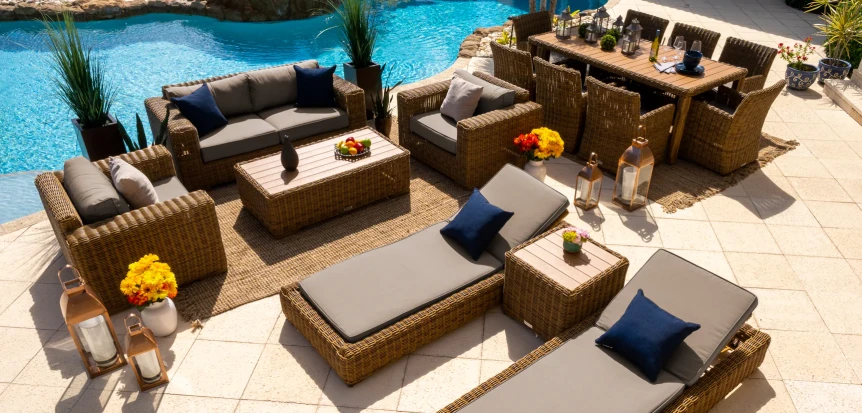
In larger spaces, zones can be defined physically with changes in surface material, level changes, low planting, or structural elements like a pergola or raised bed. In smaller spaces, zones are suggested by furniture arrangement, an outdoor rug, or a change in paving pattern. The principle is the same regardless of scale: defined zones make the space work better.
Circulation paths, the routes people take moving through the space, should be planned as deliberately as the zones themselves. A path from the back door to the dining table should be direct and wide enough for someone carrying food and drinks. The route between the lounging area and any cooking zone should not require squeezing past furniture. Thinking through these movements at the planning stage prevents the frustration of a well-designed space that is slightly awkward to navigate.
Surface Materials: Setting the Character
The paving or decking material sets the visual character of the patio more than any other single decision. It establishes whether the space feels warm or cool, formal or relaxed, contemporary or traditional, and it provides the backdrop against which everything else reads.
Natural stone paving has an authenticity and depth that manufactured alternatives have not fully replicated. Limestone, sandstone, and slate each have a distinct character: limestone is elegant and pale, sandstone is warm and textured, slate is cool and dramatic. Stone develops a patina over time that most people find beautiful, and it tends to suit both traditional and contemporary garden styles depending on how it is laid and what surrounds it.
Large format porcelain pavers have become the dominant choice in newly designed contemporary gardens and for good reason. They are highly durable, frost-resistant, non-porous, and available in a wide range of finishes that convincingly reference natural stone and concrete. A large format porcelain paver in a warm stone effect, laid in a simple running bond or straight joint pattern, creates a clean, contemporary surface that is easy to maintain and ages without deterioration.
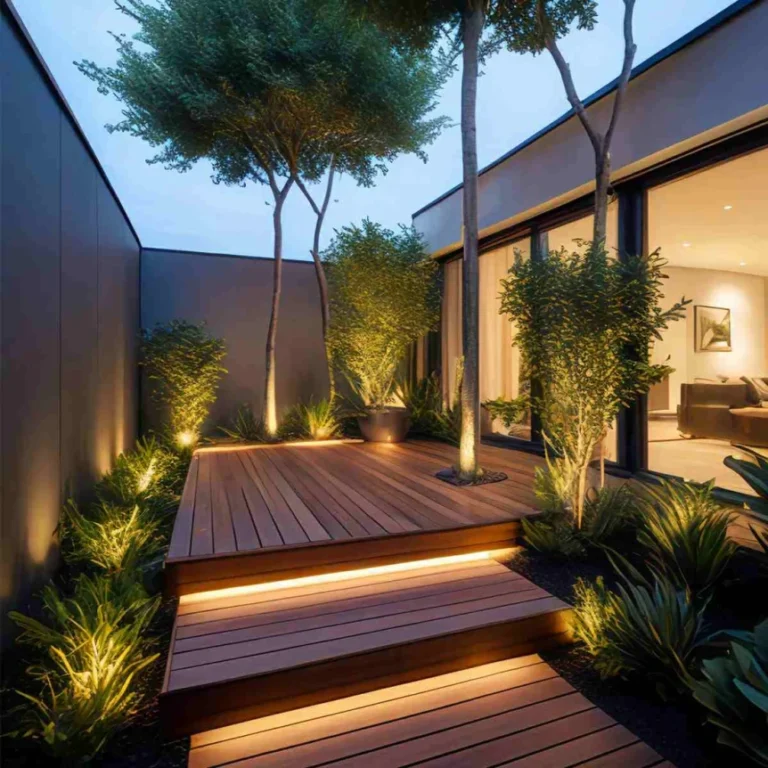
Timber decking adds warmth and organic texture that stone-based materials cannot match and is particularly effective in making a transition between an interior timber floor and the outdoor space feel natural and considered. Hardwood decking in a quality species is a long-term investment that pays off in decades of reliable performance and a beautiful weathered appearance.
Consider mixing materials for added interest: a main patio area in one material with a border, step, or accent in a contrasting one adds depth without visual complexity. A pale limestone patio with a dark granite border, or a timber deck with a band of smooth stone pavers at the threshold from the house, creates a refined layering that reads as designed.
Enclosure and the Sense of a Room
What most distinguishes a successful outdoor room from a patio with furniture on it is a sense of enclosure: the feeling that you are in a defined space rather than an open expanse. Enclosure in an outdoor context comes from planting, walls, fencing, overhead structures, and the way furniture is arranged, and getting it right makes an enormous difference to how comfortable and inviting the space feels.
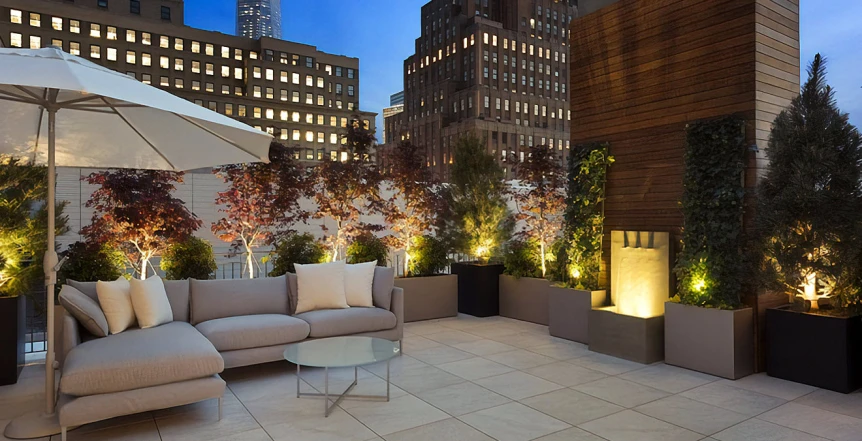
Boundary planting, hedging, climbing plants on walls and fences, and planted screens all create the soft edges that define the outdoor room without the rigidity of hard walls. A patio surrounded by lush planting feels intimate and sheltered in a way that the same space surrounded by bare fence panels does not. The planting does not need to be tall to create this effect: even low planting at the perimeter of a patio creates a visual boundary that helps define the space.
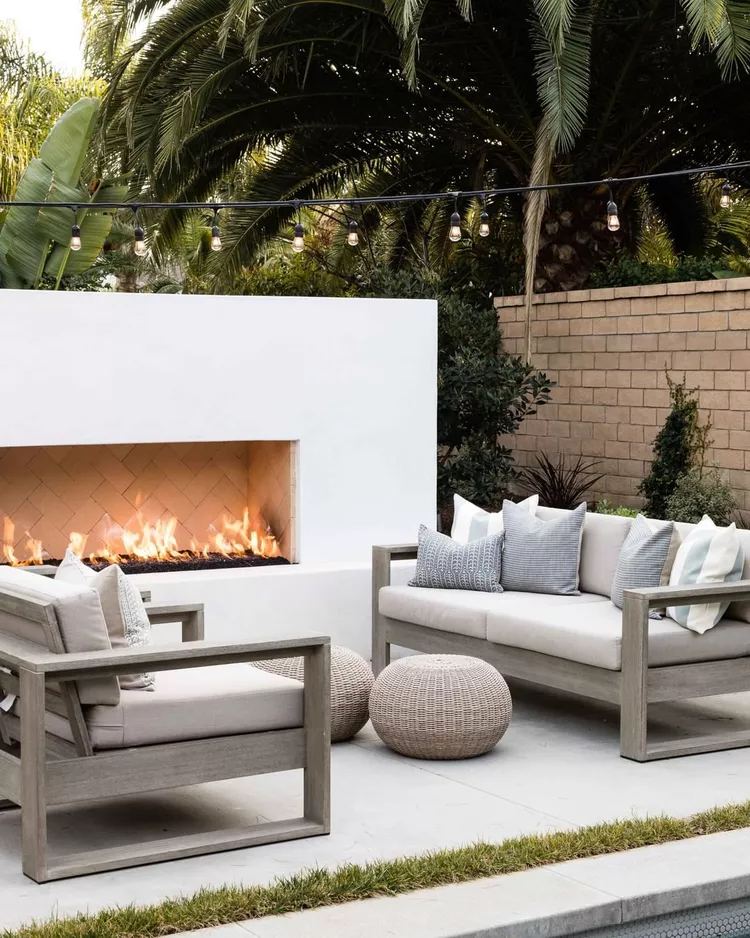
Overhead structures, including pergolas, sails, and large umbrellas, add a defining plane above the seating area that contributes significantly to the sense of enclosure. A pergola above a dining area, even one without a roof covering, creates a room-like quality that an open area cannot replicate. Add a canopy, climbing plants, or string lights and the effect becomes fully convincing.
Style Directions That Work Outdoors
Outdoor design follows style directions in the same way that interior design does, and the most successful outdoor spaces have a clear stylistic identity that is consistent across all the elements.
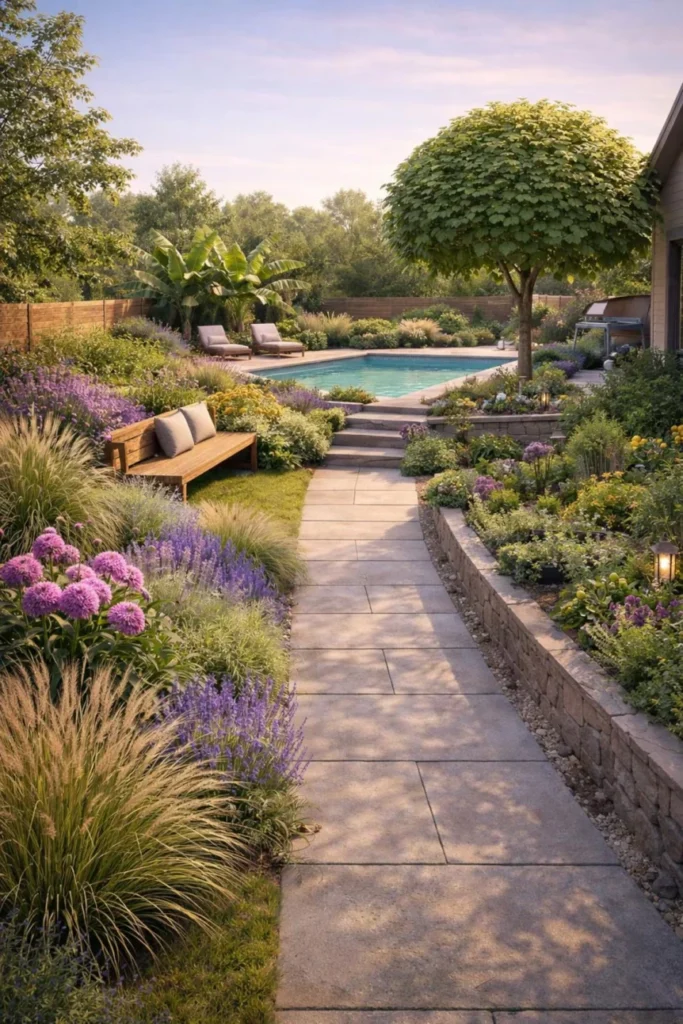
The Mediterranean style, characterized by terracotta, natural stone, drought-tolerant planting, and a relaxed, sun-soaked atmosphere, suits many outdoor spaces and translates well into the UK and Northern European climate if plant choices are made carefully. Bold ceramics, pale rendered walls, and planting including lavender, rosemary, and ornamental grasses create an atmosphere that feels warm and evocative even in less reliably sunny climates.
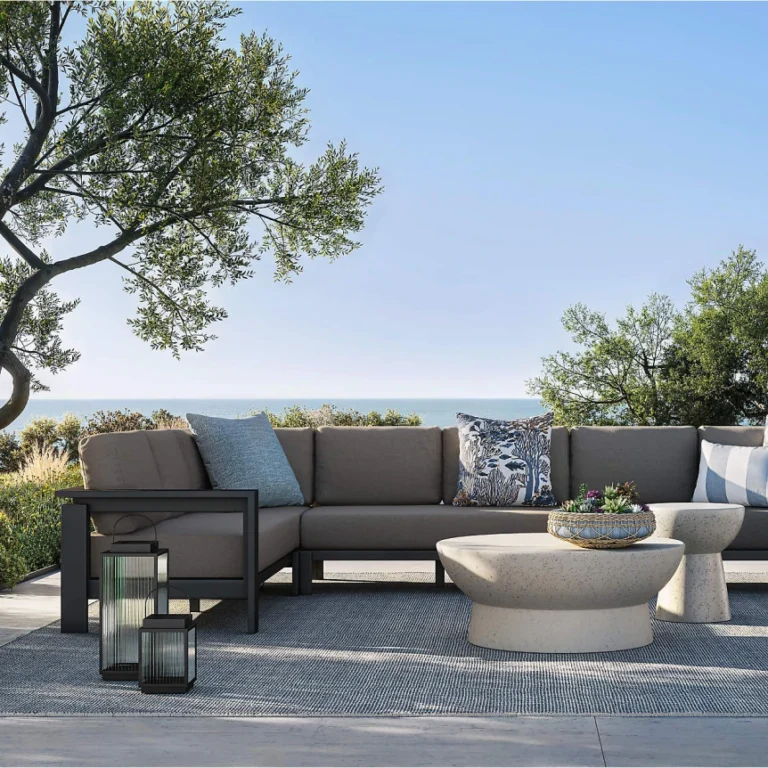
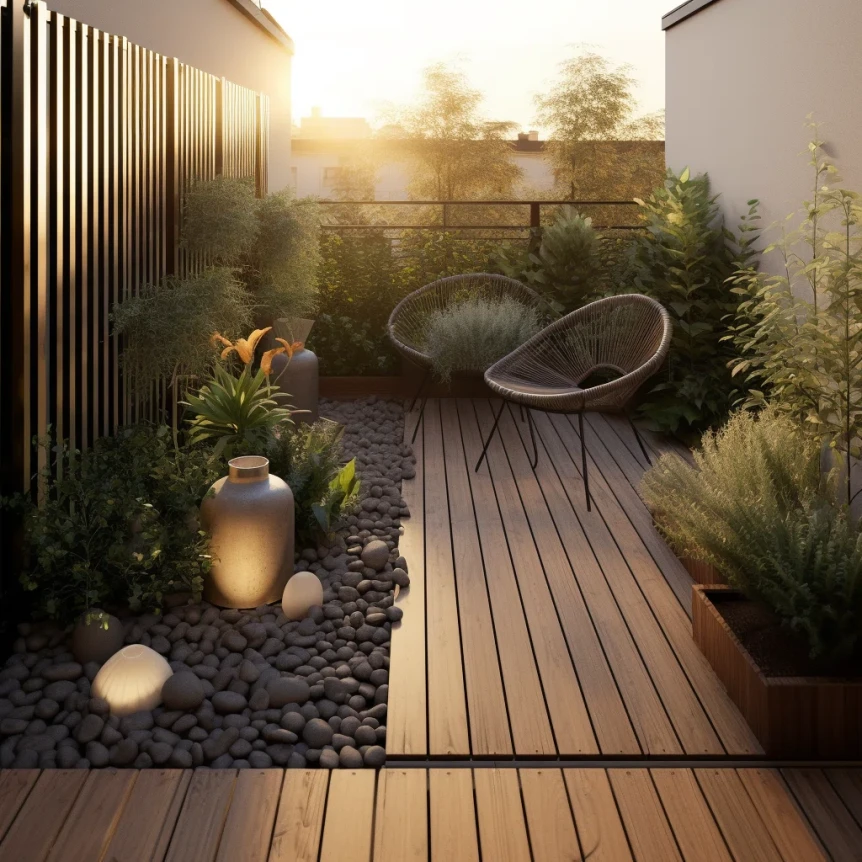
The contemporary minimalist outdoor space, with large format paving, clean-lined furniture in aluminium or powder-coated steel, architectural planting in a restrained palette, and simple but effective lighting, creates an outdoor room that is as considered as any interior space. It suits modern homes and urban settings particularly well.
The naturalistic garden style, with loose planting, natural materials, and a deliberate informality, has become increasingly popular and connects the patio directly to the broader trend for wildlife-friendly, low-maintenance planting. Gravel, rustic timber, and a planting scheme that mixes grasses, perennials, and native plants create an outdoor space that feels as though it has grown rather than been installed.
The Details That Elevate a Patio
Beyond the major decisions of surface, furniture, and planting, a few consistent details separate a well-designed patio from an assembled one. Hardware finish consistency, meaning matching the material of plant pot feet, candle holders, furniture legs, and any built-in metalwork, creates cohesion in the same way it does in a bathroom or kitchen. A consistent pot material, choosing all terracotta, all stone, or all a single glaze color, makes a planting scheme look curated rather than accumulated. Good quality outdoor candles or lanterns in generous sizes look more resolved than a collection of small tea lights scattered across every surface.
These are finishing touches rather than structural decisions, but they are what make the difference between a space that looks designed and one that looks assembled. Getting the big decisions right is necessary. Getting the details right is what makes the space genuinely satisfying to spend time in.
These related guides cover the key elements of your patio design:
- Best Outdoor Patio Furniture for 2026
- Outdoor Plants and Landscaping Ideas for Patios
- Outdoor Lighting Ideas for Patios and Gardens
- How to Choose Outdoor Rugs and Textiles
- Small Patio Ideas That Make the Most of Your Space
For the full outdoor design guide, read The Complete Guide to Outdoor and Patio Design.