Buyer's Guides

By Tereza Hower | Published March 4, 2026 | Updated March 25, 2026
Walk into a beautifully lit room and you’ll immediately feel it, that sense of warmth, comfort, and intentional design that makes you want to settle in and stay awhile. Now walk into a room with harsh overhead lighting or dim, shadowy corners, and the entire mood shifts. The difference? Thoughtful lighting choices that work with the space rather than against it.
Lighting isn’t just about being able to see. It’s the secret ingredient that transforms a house into a home. Whether you’re struggling with a cave-like living room, a bathroom that makes morning routines feel clinical, or a bedroom that never quite feels restful, this lighting guide for rooms will help you understand how to select, layer, and position fixtures that actually work for how you live.
Let’s break down the practical strategies and beautiful options that’ll help you get the lighting right in every single room.
Before diving into specific rooms, you need to understand the three layers that create truly functional lighting. Think of these as the building blocks of your lighting guide for rooms:
Ambient Lighting: This is your general, overhead illumination and the foundation that provides overall visibility. Ceiling fixtures, recessed lights, and chandeliers typically fill this role.
Task Lighting: Focused light for specific activities like reading, cooking, or applying makeup. Table lamps, under cabinet lights, and vanity fixtures fall into this category.
Accent Lighting: The decorative layer that adds depth, highlights artwork, or creates mood. Think wall sconces, picture lights, and decorative pendants.
The rooms that feel “right” almost always use at least two of these layers, with the best designed spaces incorporating all three.
Your living room does heavy lifting. Movie nights, book club gatherings, afternoon naps, kids doing homework. One ceiling fixture simply can’t handle all those scenarios, which is why layering matters most here.
Start with ambient lighting from a statement ceiling fixture, then add task lighting where people actually sit and read. Finally, incorporate accent lighting in corners or behind furniture to eliminate harsh shadows and create that designer approved “glow.”

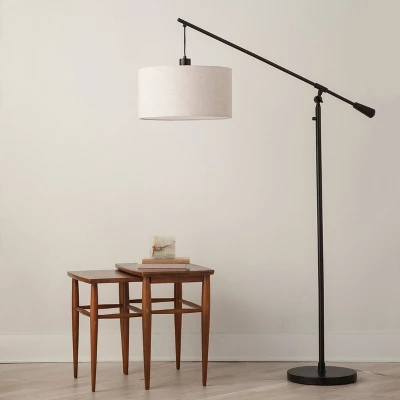
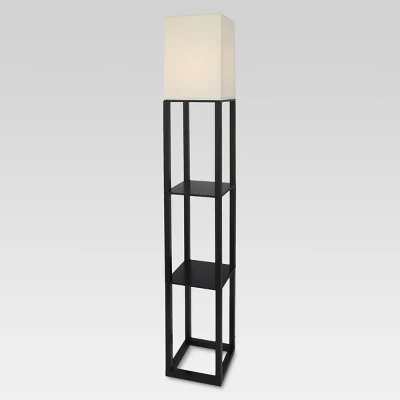
Kitchens need serious task lighting because you’re wielding sharp knives and hot pans, after all. But dining rooms require something different: ambient light that flatters faces and creates intimacy.
Layer under cabinet lights for prep work, pendant lights over islands for both task and style, and recessed ceiling lights for general illumination. Dimmers are absolutely essential here. Go bright for cooking, then softer for morning coffee.
A chandelier or pendant should hang 30 to 36 inches above your table surface (slightly higher for tables that seat 8 or more). This creates a pool of light that draws people in without blinding them across the table.
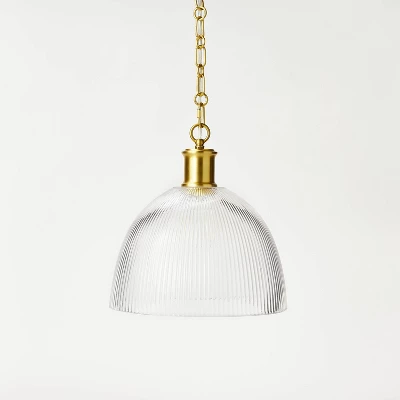
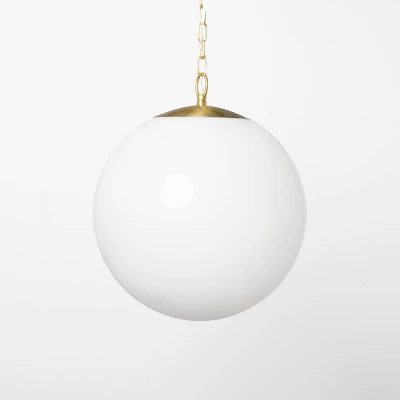

Bedrooms need to transition from energizing morning light to relaxing evening ambiance, which means harsh overhead fixtures rarely cut it. The goal is creating a sanctuary that supports both getting ready and winding down.
Bedside task lighting is essential, and mismatched lamps are fine if they’re similar in height and scale. Add a reading light if you’re a before bed bookworm. If you have the ceiling fixture option, choose something with a dimmer or opt for wall sconces that free up nightstand space entirely.
Pro tip: Keep bedroom lighting below 3000K (warm white) to support your natural circadian rhythm. Blue toned “daylight” bulbs in bedrooms can actually interfere with sleep quality.
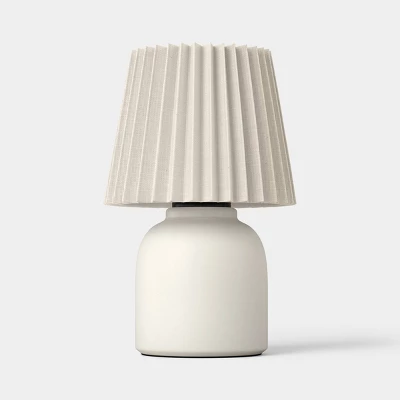
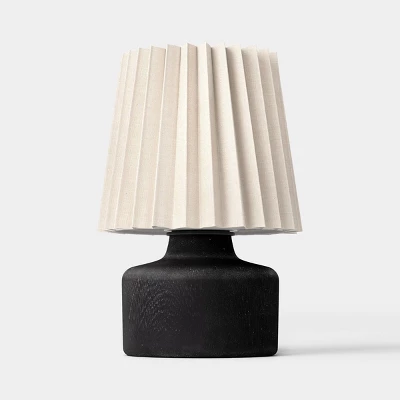
Children’s spaces need bright, cheerful lighting for play and homework, plus softer options for bedtime routines. Overhead fixtures should provide plenty of ambient light (kids need good visibility for safety and focus), while task lighting for reading or homework prevents eye strain.
Dimmers are worth installing in kids’ rooms because they help with bedtime transitions and middle of the night bathroom trips without fully jolting anyone awake.


Rooms that serve double duty need flexible lighting solutions. Home offices require bright, focused task lighting that minimizes eye strain during screen time, while guest rooms need welcoming ambient lighting plus bedside options for nighttime reading.
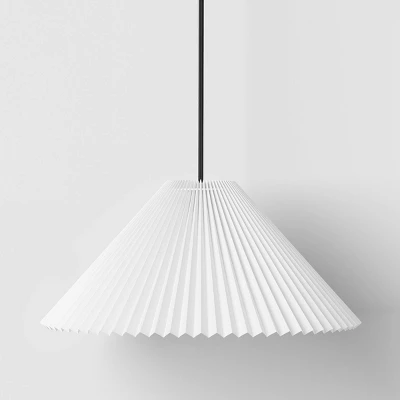
Measured in Kelvin (K), color temperature dramatically affects how a room feels:
A fixture that’s too small disappears; too large overwhelms. Use these rules of thumb:
Not all LED bulbs work with dimmer switches, so check bulb packaging for “dimmable” labeling. Dimmers aren’t just about mood; they extend bulb life and reduce energy costs. Install them in rooms where activities vary (living rooms, bedrooms, dining rooms).
Hardwired ceiling fixtures require electrical knowledge (or an electrician). If you’re renting or prefer not to tackle wiring yourself, prioritize plug in options like floor lamps, table lamps, and plug in pendants with ceiling hooks. Many stunning lighting designs are available in both formats.
Lumens measure brightness, and more lumens mean more light. General guidelines:
Remember these are total room lumens, so distribute across multiple fixtures for proper layering.
Most rooms benefit from at least two to three light sources at different heights and positions. A single overhead fixture leaves shadows and creates a flat, uninviting feel. Aim for a mix of ambient, task, and accent lighting so you can adjust the mood depending on what you’re doing in the space.
It depends on the room. Warm white bulbs in the 2700 to 3000K range work best for bedrooms, living rooms, and dining areas where you want a cozy atmosphere. Neutral white in the 3500 to 4100K range is better for kitchens, bathrooms, and home offices where you need clear visibility without the light feeling too harsh.
Absolutely. Mixing styles is actually one of the best ways to give a room personality and depth. The key is to keep a common thread, whether that’s a shared finish like brass or black metal, a similar scale, or a consistent overall vibe. Matching everything too perfectly can make a space feel like a showroom rather than a home.
Yes, and they’re one of the most affordable upgrades you can make. Dimmers let you shift the mood of a room in seconds, going from bright and energizing to soft and relaxed. They also help extend the life of your bulbs and lower energy costs over time. Just make sure you pair them with bulbs labeled as dimmable.
You still have plenty of great options. Floor lamps, table lamps, plug in pendants with ceiling hooks, and LED strip lights can all transform a room without any permanent wiring. Many of these come in stylish designs that look just as polished as hardwired fixtures, and you can take them with you when you move.
Creating the right lighting for every room isn’t about following rigid rules. It’s about understanding how light affects mood, functionality, and the way your home actually feels to live in. This lighting guide for rooms gives you the framework, but your specific needs, budget, and style will shape the details.
Start with one room that’s bothering you most. Add one layer of lighting you’re currently missing, maybe a reading lamp in that corner chair or a pendant over your kitchen island. You’ll immediately notice the difference, and that success will motivate you to tackle the next space.
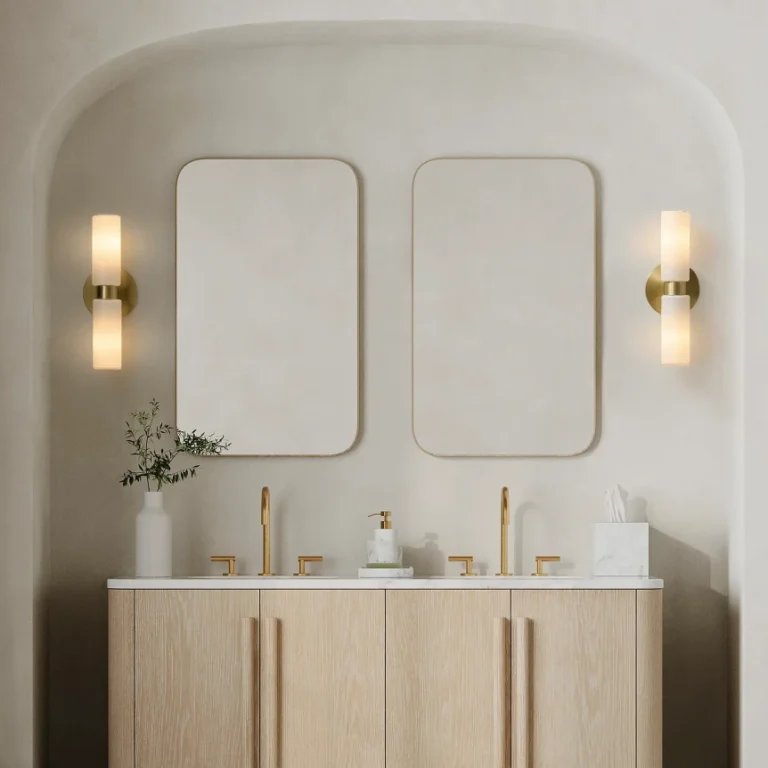
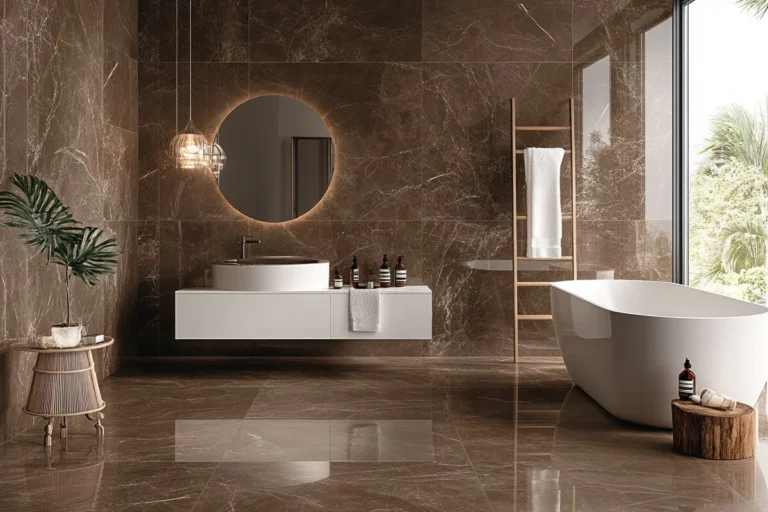
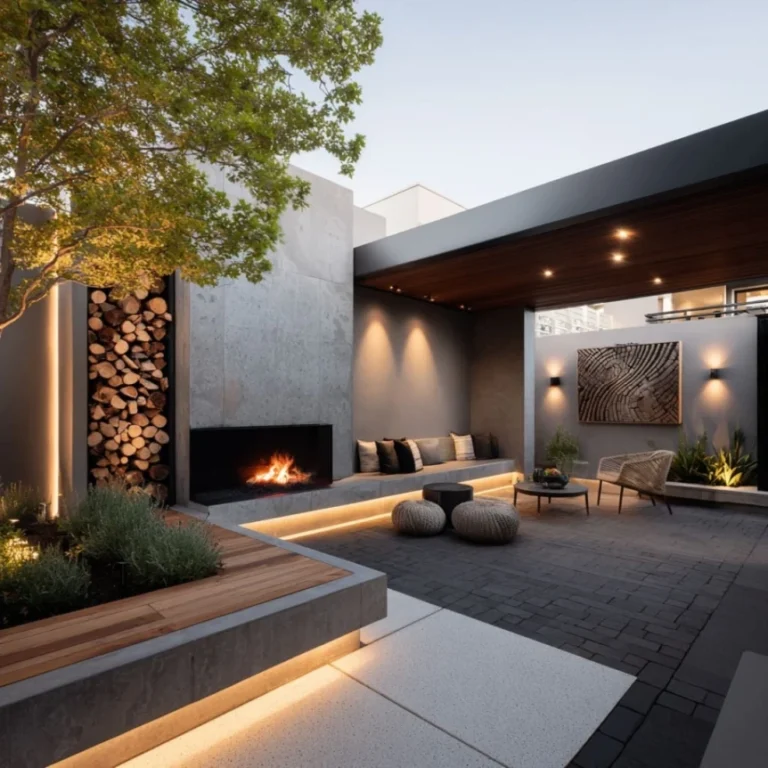
The fixtures featured here prove you don’t need a designer budget to achieve professionally lit rooms. With thoughtful placement, proper layering, and fixtures chosen for both function and style, you can transform how every room in your home looks and feels. Your lighting should work as hard as you do, and now you know how to make that happen.