Best Outdoor Patio Furniture for 2026

By Tereza Hower | Published March 24, 2026 | Updated March 27, 2026
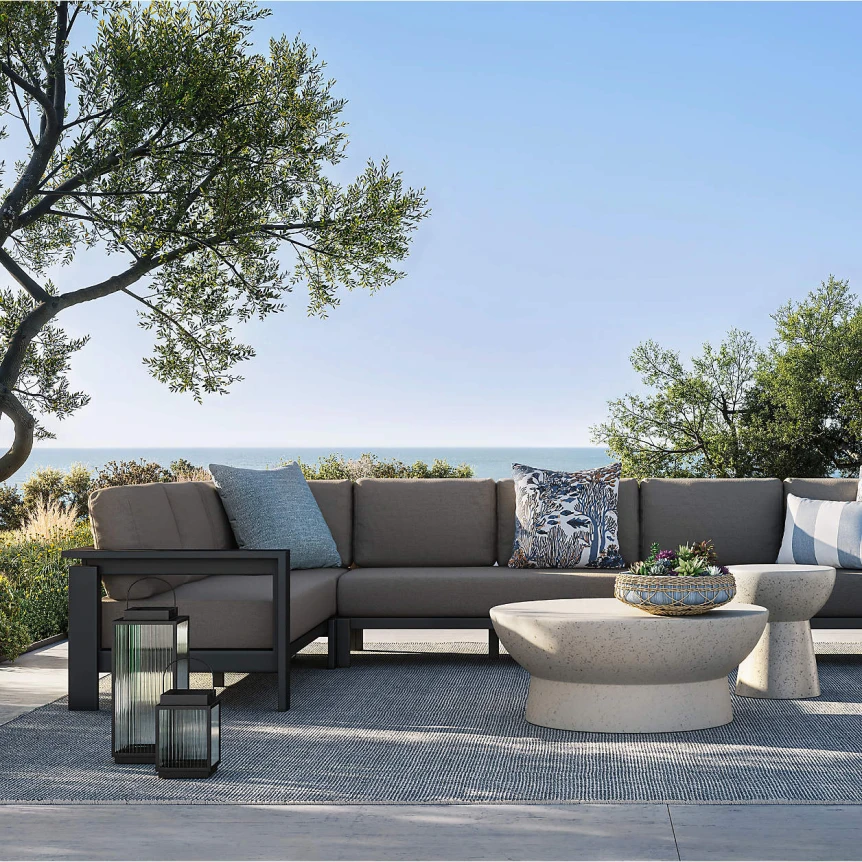
Outdoor furniture is one of the most important investments in any patio or garden project, and one of the most commonly underthought. People spend carefully on interior furniture and then buy whatever happens to be available at the garden centre in spring, ending up with pieces that look tired within a season or two and never quite do justice to the outdoor space around them.
Good outdoor furniture is durable, comfortable, proportional to the space, and beautiful enough to make the patio feel like a room rather than a storage area for garden things. This guide covers the materials, styles, and configurations that deliver on all of those requirements.
Material: The Decision That Determines Everything Else
Outdoor furniture materials have very different characteristics in terms of durability, maintenance, weight, and visual character. Understanding the trade-offs before you buy saves considerable frustration later.
Teak is the gold standard in outdoor timber furniture and has been for generations. It is naturally high in oil content, which makes it exceptionally resistant to moisture, rot, and insect damage without the need for regular treatment. New teak has a warm honey tone that weathers over time to a distinguished silver-gray if left untreated. Teak furniture is heavy, which is actually an advantage in exposed locations, and it is expensive, but it lasts for decades with minimal care. For those who want to maintain the warm honey color, a simple annual oiling is sufficient.
Powder-coated aluminium is the most practical outdoor furniture frame material for most people. It is lightweight enough to rearrange easily, completely rust-free, and holds its color well under UV exposure. Modern powder-coating in matte and satin finishes looks sophisticated and suits a wide range of outdoor styles. The frame weight means aluminium furniture can blow around in strong wind, which is worth bearing in mind for exposed locations. Pairing with heavy stone or concrete table tops addresses this where needed.
Synthetic rattan and woven resin furniture has a relaxed, organic quality that suits casual outdoor spaces well. High-quality synthetic wicker is fully weather-resistant in a way that natural rattan is not, and the best versions look convincingly natural. The visual warmth and the deep-seating comfort typical of rattan-style pieces make them a popular choice for lounge and relaxation areas. Quality varies significantly in this category: look for UV-stabilized resin weave and a powder-coated aluminium or steel frame.
Stainless steel and powder-coated steel furniture has a more architectural, contemporary quality. Steel pieces tend to be heavier and more substantial than aluminium, which suits formal or architecturally designed outdoor spaces. Stainless steel is corrosion-resistant but not entirely immune to surface rust in highly saline coastal environments. Powder-coated steel offers more color options and good weather resistance but can chip over time, particularly on chair feet that scrape against paving.
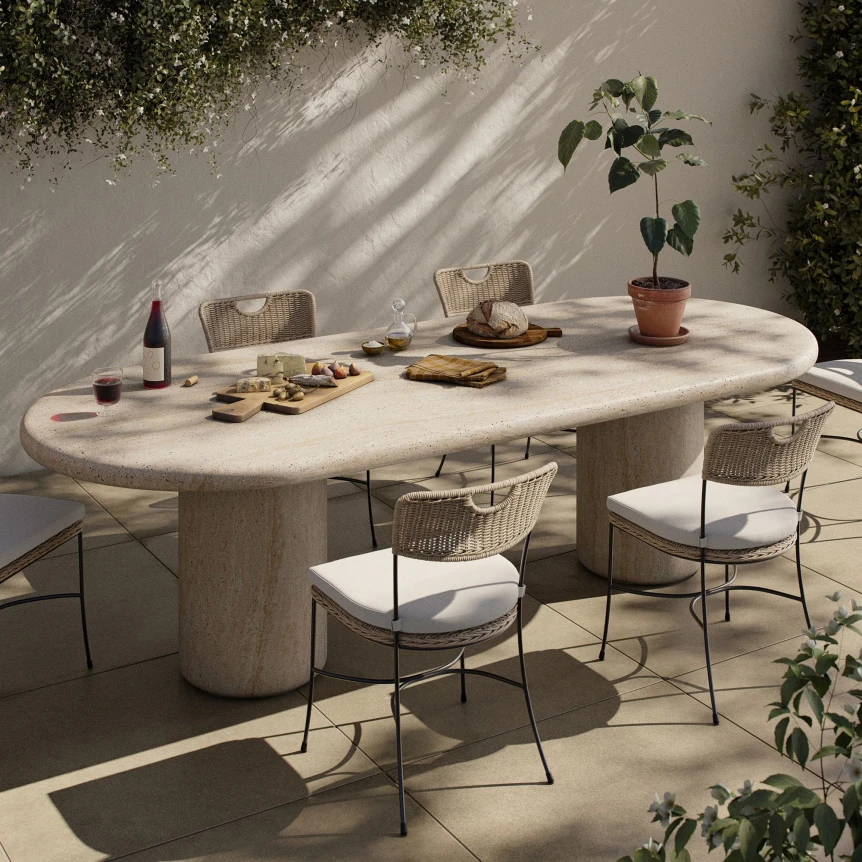
Concrete and stone table tops and occasional pieces have become increasingly popular in modern outdoor design. They are genuinely beautiful, extremely durable, and add a sense of permanence and materiality that lighter furniture cannot match. The obvious trade-off is weight: a concrete dining table is a permanent fixture rather than a rearrangeable one. This is usually fine for a main dining area but worth considering before committing.
Seating: Deep Lounge vs Dining
Most patios benefit from two distinct seating configurations: a lounge area for relaxing and a dining area for eating. They serve different purposes and require different furniture, and trying to use one configuration for both often results in neither working particularly well.
Deep lounge seating, with generous seat depths, high backs, and thick cushions, is designed for sitting back, putting your feet up, and staying for a while. A two or three seat sofa, a pair of lounge chairs, and a low coffee table make a lounge configuration that works for everything from a morning coffee to an evening gathering. Choose a configuration that suits the scale of the space: an oversized modular sectional can overwhelm a modestly-sized patio in the same way it would overwhelm a small living room.
Outdoor dining furniture needs to be comfortable for the duration of a meal rather than the duration of an afternoon. Chairs that look beautiful but become uncomfortable after forty-five minutes are a source of constant low-level frustration for every outdoor meal. Test the comfort of dining chairs before purchasing, and prioritize seat depth and back support alongside aesthetics.
Dining table size is one of the most common outdoor furniture mistakes. People tend to buy tables that are too small for how they actually use the space, particularly when they entertain. A table that seats six when eight regularly gather requires someone to perch awkwardly or brings out a folding table that breaks the aesthetic entirely. If you regularly have six people for outdoor meals, choose a table that seats eight. The extra size is rarely a problem when the table is not full, and the ease of a proper-sized table when it is makes a real difference.
Comfort and Cushions
The cushions on outdoor furniture have more effect on how much time you actually spend outside than almost any other single factor. Thin, poor-quality cushions that compress within a season, absorb water, or develop mildew quickly make sitting outside a less pleasant experience and reduce how much the space gets used.
Outdoor cushion fabric quality matters enormously. Solution-dyed acrylic fabrics are the most weather-resistant option: the color runs through the fiber rather than sitting on the surface, which means they resist fading significantly better than most alternatives. They are also water-repellent, easy to clean, and mildew-resistant. The feel of these fabrics has improved considerably and the best versions are comfortable and tactile rather than plasticky.
Cushion thickness and density determines both comfort and longevity. A cushion that is too thin loses what little padding it has within a season. A well-made outdoor cushion with a high-density foam core retains its shape and comfort for years. When buying outdoor furniture that includes cushions, pay attention to the cushion specifications as much as the frame material.
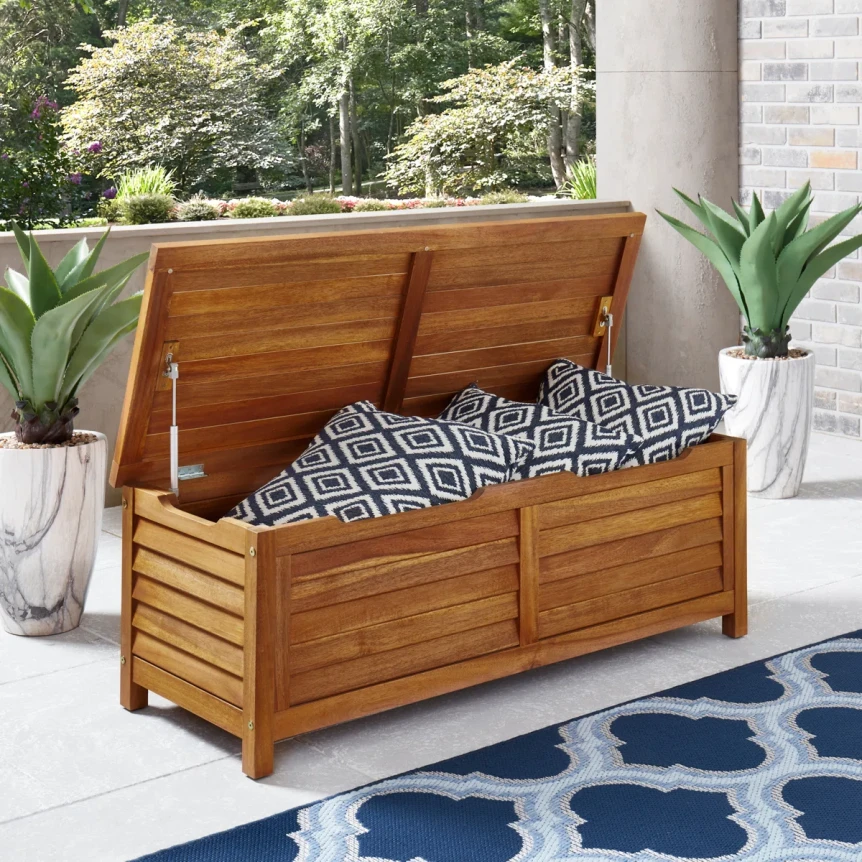
Storing cushions when the furniture is not in use for extended periods, or when heavy rain is forecast, significantly extends their lifespan. A good outdoor storage box, which can double as additional seating or a side table, is one of the most practical additions to any patio.
Scale, Proportion, and Layout
The scale of outdoor furniture relative to the space is something that surprises many people. Pieces that seem large in a showroom or on a website can look undersized on an open patio. The sky above and the garden around create a sense of scale that interior rooms do not have, and furniture needs to be chosen with this context in mind.
A dining table for a patio should generally be at least as large as what you would choose for an interior dining room of the same purpose, and often larger. A sofa configuration outdoors tends to need more depth and visual presence to hold its own than the equivalent indoor arrangement.
Layout outdoors follows the same principles as interior furniture arrangement: create clear zones, allow generous circulation paths, and leave space for the design to breathe rather than filling every available area with furniture. A patio with one well-proportioned seating arrangement and good clear space around it feels more sophisticated and more inviting than one that is packed with multiple smaller pieces arranged without a clear logic.
Once your furniture is sorted, these related guides will help complete the picture:
- How to Choose Outdoor Rugs and Textiles
- Outdoor Lighting Ideas for Patios and Gardens
- Patio Design Ideas for Every Outdoor Space
- Outdoor Kitchen and Dining Area Ideas
- Small Patio Ideas That Make the Most of Your Space
For the full outdoor design guide, read The Complete Guide to Outdoor and Patio Design.