Buyer's Guides

By Tereza Hower | Published February 24, 2026 | Updated March 27, 2026
The dining table is, without question, the most worked piece of furniture in a home. It handles breakfast, homework, holidays, and everything in between. That is exactly why buying the wrong one is so frustrating, and why getting it right matters more than people expect. The challenge is not a shortage of options. It is sorting through hundreds of tables and chairs to find something that actually fits the room, the lifestyle, and the budget.
Target’s in-house furniture brands, Threshold, Project 62, and the Threshold x Studio McGee collaboration, make that search far less overwhelming. Each covers a different aesthetic and price point while sharing consistent quality standards for materials and construction. This guide breaks down the best dining tables and chairs available at Target right now, with an honest buying guide to help you choose before you click.
The most common mistake is choosing a table without checking clearance. A workable rule: leave at least 36 inches between the table edge and any wall or piece of furniture behind it. This gives chairs room to pull out without blocking foot traffic. In a smaller dining room or eat-in kitchen, a round table under 48 inches, or a drop-leaf design, will serve you significantly better than a large rectangular table that crowds the room.
To get the right size quickly, measure the length and width of your dining area, then subtract 6 feet from each measurement. The result is roughly the maximum footprint your table should occupy.
Solid wood holds up well under daily use. Rubberwood is a popular choice at this price range because it resists warping, takes stain well, and performs reliably over time. MDF and particleboard cores are more budget-friendly but less forgiving with moisture and heavy wear. If you have young children or entertain frequently, prioritize a surface that cleans easily. Laminate finishes and sealed wood both handle spills better than raw or lightly treated wood.
Standard dining tables stand between 28 and 30 inches tall. Standard dining chairs carry a seat height of 17 to 19 inches. If you are mixing tables and chairs from different collections or brands, always verify both measurements before purchasing. A two-inch mismatch in seat height can make an otherwise attractive pairing feel awkward to sit in.
You do not need to match your table and chairs exactly, but they should share a common design language. A mid-century modern table pairs well with tapered wood chairs or clean-lined upholstered seats. A farmhouse table looks natural with ladder-back or Windsor-style chairs. Mixing wood tones is acceptable and adds depth, but keep finishes within the same warm or cool family to avoid visual conflict.
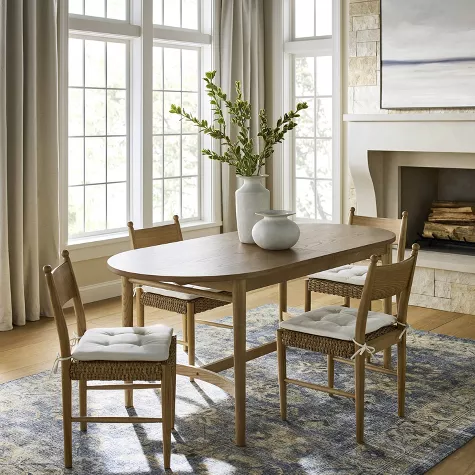
For shoppers who want the look of a higher-end boutique dining table without the boutique price, this piece from Target’s Threshold x Studio McGee collaboration is worth serious consideration. Built with solid wood and finished in a warm, natural tone, it transitions effortlessly between traditional, transitional, and modern farmhouse interiors. The proportions are thoughtful rather than generic, and the Studio McGee influence keeps it grounded in real design rather than trend-chasing. This is a table that will photograph well and live even better.
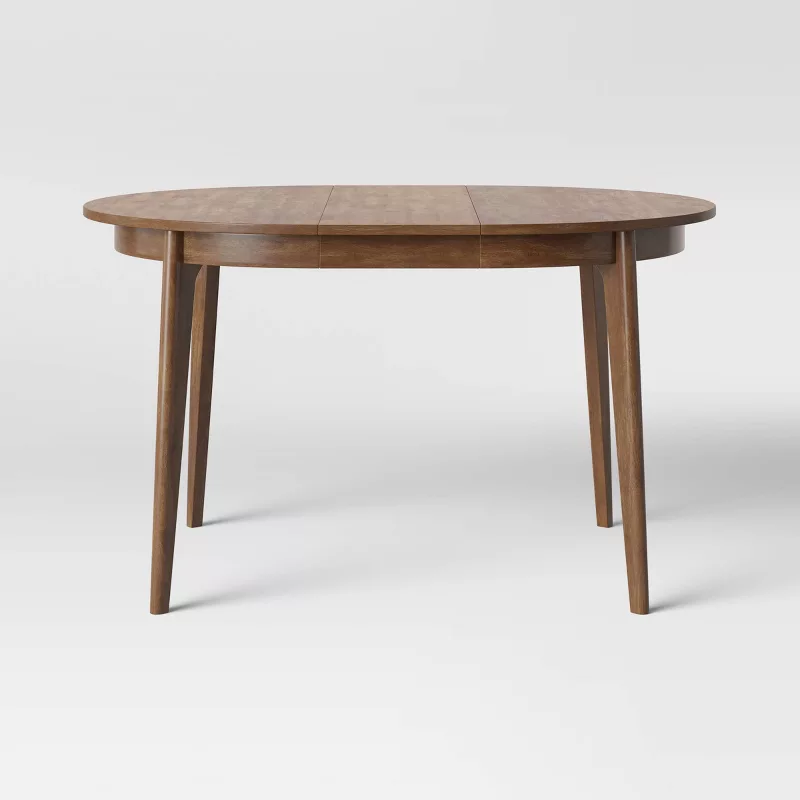
The Astrid collection is one of the most consistently praised dining lines at Target, and this round extendable version makes a clear case for why. When closed, it seats four without overwhelming a small space. When extended, it stretches to accommodate six, which makes it an intelligent choice for anyone who hosts occasionally but does not have a dedicated dining room. The walnut-tone finish and tapered legs deliver mid-century character that works well with both wood and upholstered chairs.a
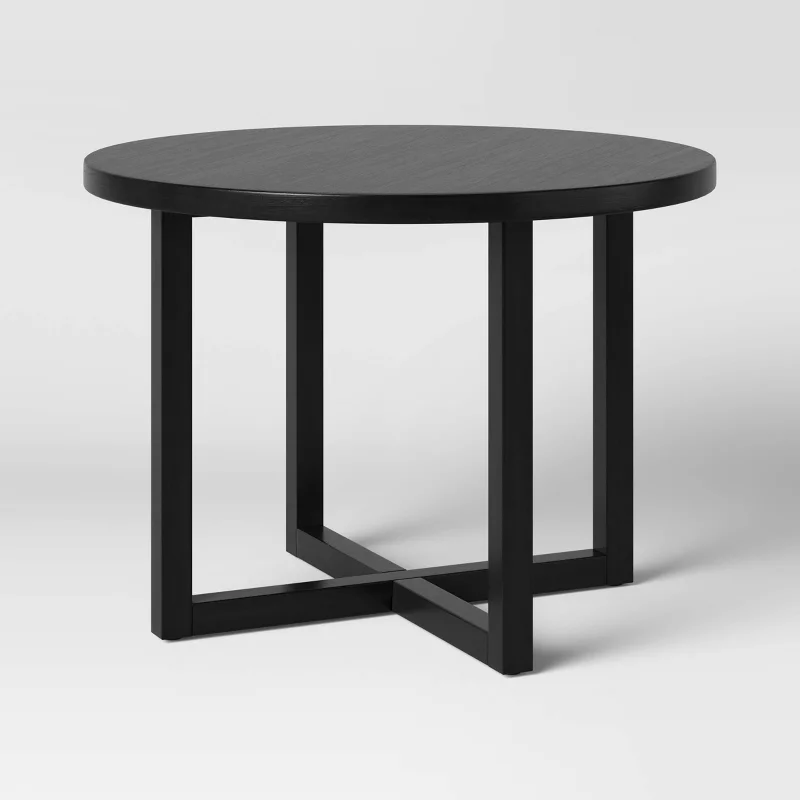
If you are looking for a compact round dining table with a clean, unfussy look, the Keener delivers. The all-wood construction and neutral finish make it highly adaptable, and the round shape keeps the room feeling open, which matters a great deal in apartments or smaller dining areas. It is a no-frills piece that performs its function without trying to do too much.
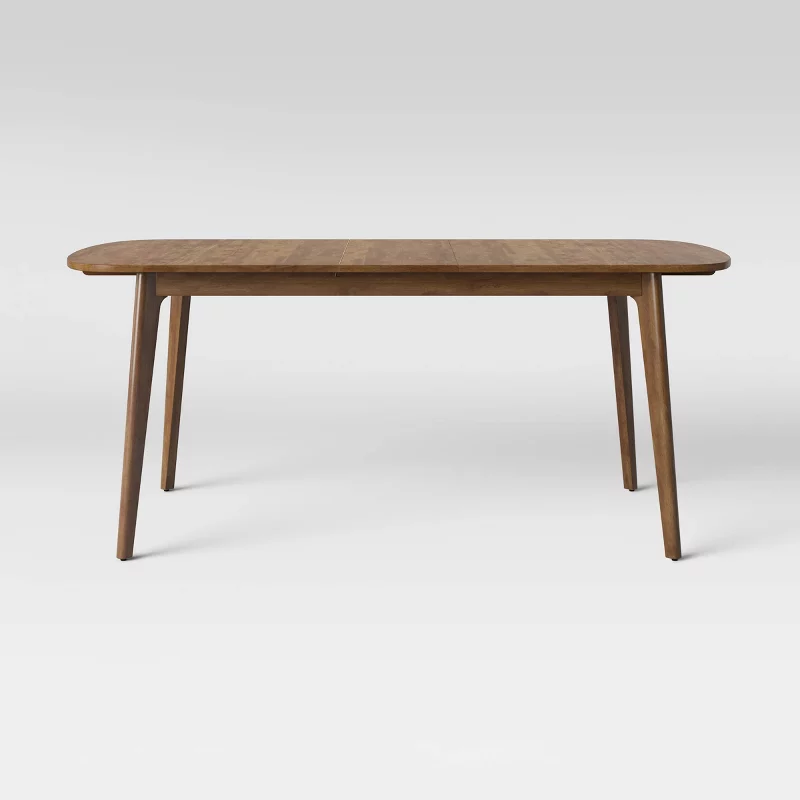
Drop leaf dining tables are genuinely underrated, and this one from the Astrid line is one of the better examples at this price. With both leaves folded down, it functions as a slim two-person table or even a console. Extend one or both leaves and you gain seating for four to six. It is purpose-built for apartment dwellers and anyone who needs serious flexibility without compromising on the table’s overall appearance when compact.
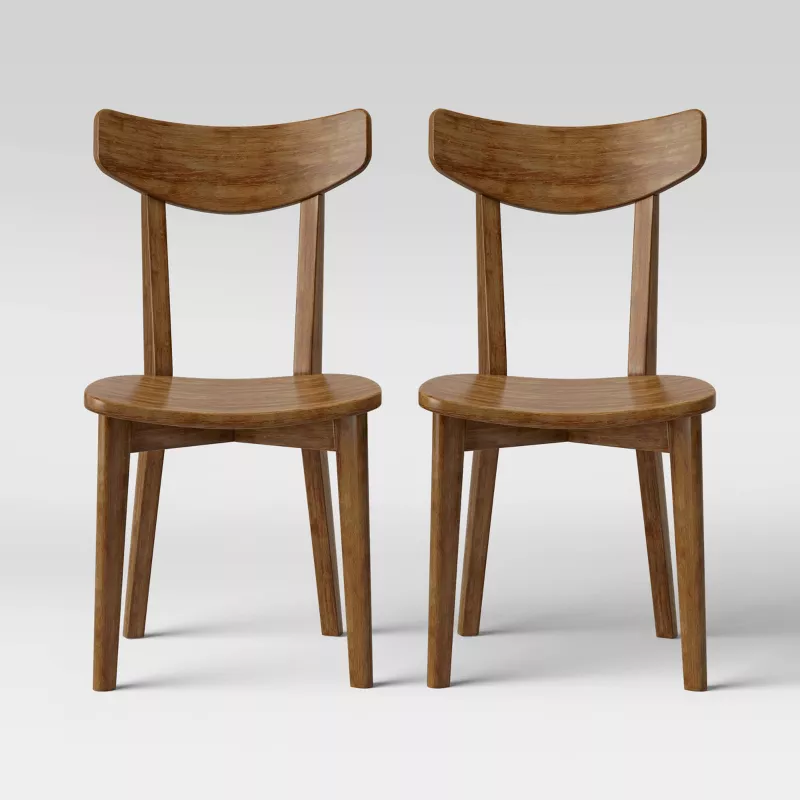
These chairs are a natural companion to the Astrid table but pair well with virtually any wood-tone dining table. The solid wood frame features a gently curved backrest that adds comfort without bulk, and the tapered legs reinforce the mid-century silhouette. Sold as a set of two, they offer strong value and come in finish options that coordinate with a variety of table tones. This is a reliable everyday chair that holds up under regular use.
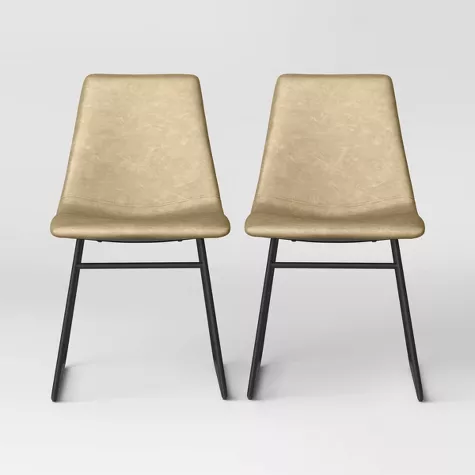
For a more modern look that is also practical to maintain, the Bowden chairs are an excellent pick. A faux leather seat sits on a clean metal frame, combining softness with structure in a way that reads contemporary without being cold. The neutral tone keeps the chairs from competing with the rest of the room, and the wipe-clean surface is a genuine daily advantage for anyone with kids or frequent guests.
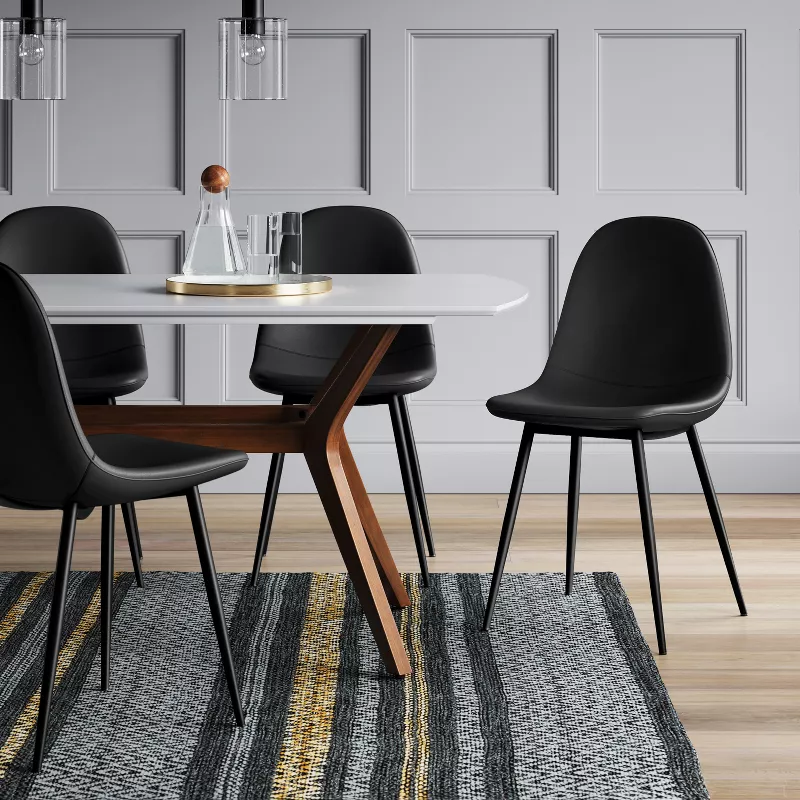
The Copley chairs are the right choice for anyone who prioritizes comfort. The upholstered seat and backrest make long meals considerably more comfortable, and the neutral fabric works with a wide range of table finishes and room color palettes. These are especially practical in dining spaces that pull double duty as homework stations or home office overflow, where people sit for extended stretches. The fabric requires a bit more maintenance than wood or faux leather, but the comfort trade-off is usually worth it.

An armchair at the dining table changes the feel of the entire space. The Lana delivers this upgrade without the elevated price. The solid wood frame, natural finish, and clean modern silhouette read as considered and intentional. One or two placed at the heads of the table can anchor a mixed-chair arrangement effectively, and the arm support makes longer meals significantly more comfortable. This is a simple piece that earns its place.
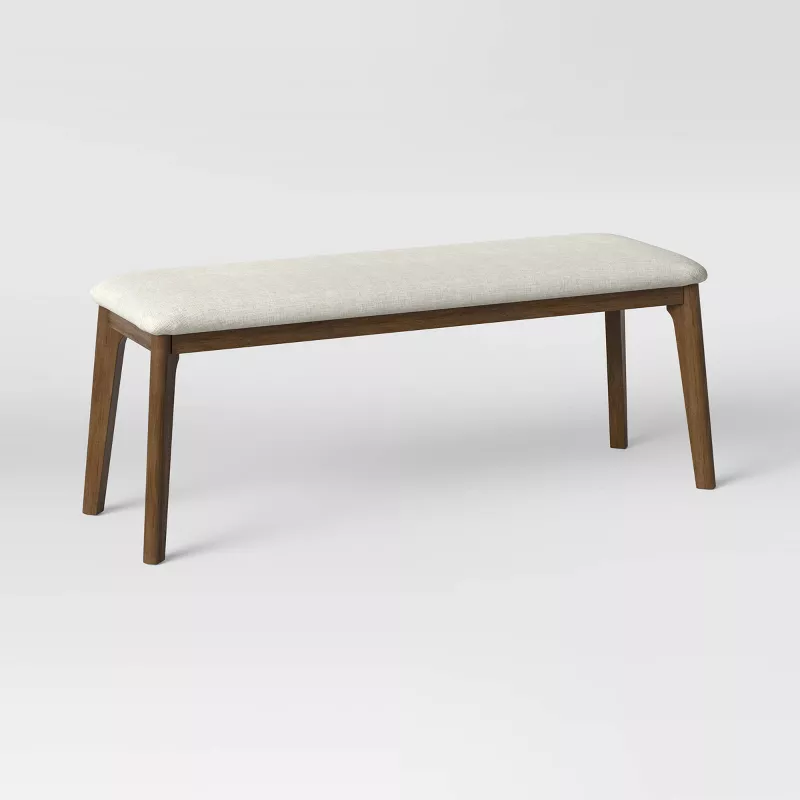
A bench on one side of a dining table is a space-efficient solution that also looks deliberate rather than accidental. This upholstered version from the Astrid collection pairs naturally with the Astrid table and brings in a touch of softness through the padded seat. It also works well with other wood-tone tables and can move around the home as needs change, functioning as a bedroom or entryway bench when not needed at the table.
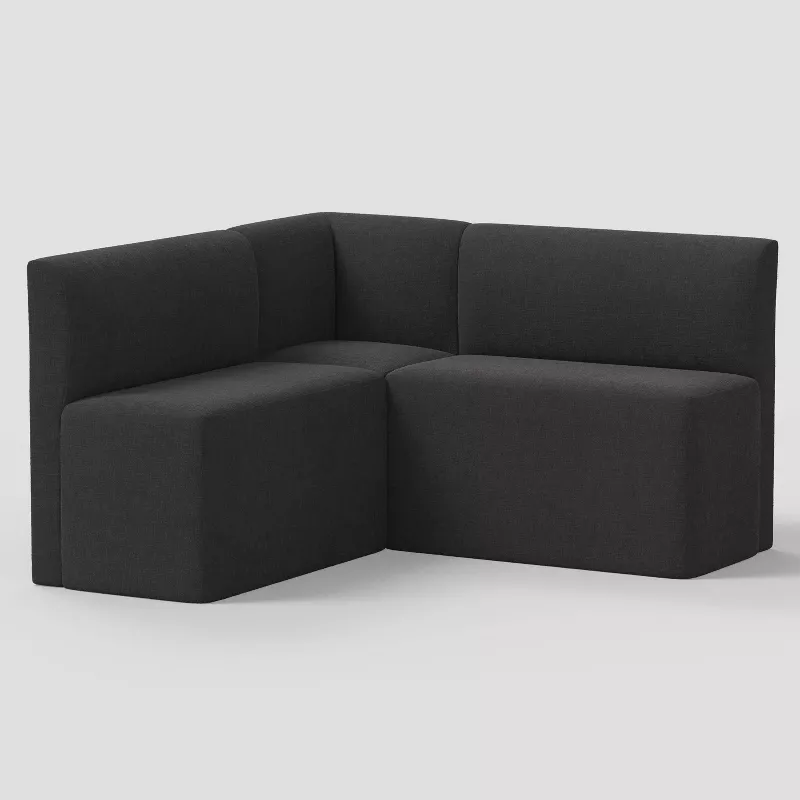
For those building a banquette or corner dining nook, the Cora collection addresses a need that most standard dining furniture does not. It includes a banquette, dining chair, and corner chair, all built on rubberwood frames with padded seating. The fabric options range from neutral textured solids to stripes and florals, giving you genuine control over the final look of the space. This is a strong option for renters and homeowners who want a custom built-in corner look without the built-in installation cost.
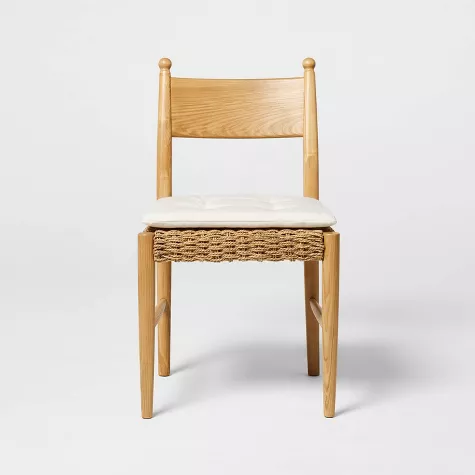
Solid rubberwood construction puts the Cardamine collection a durability tier above similarly priced options made with particleboard cores. The warm wood tone and restrained lines give it a timeless quality that will not look dated after a few years, and the Studio McGee influence keeps it from settling into generic territory. If you are building a dining space from scratch and want pieces that will grow with the room, this collection is a smart starting point.
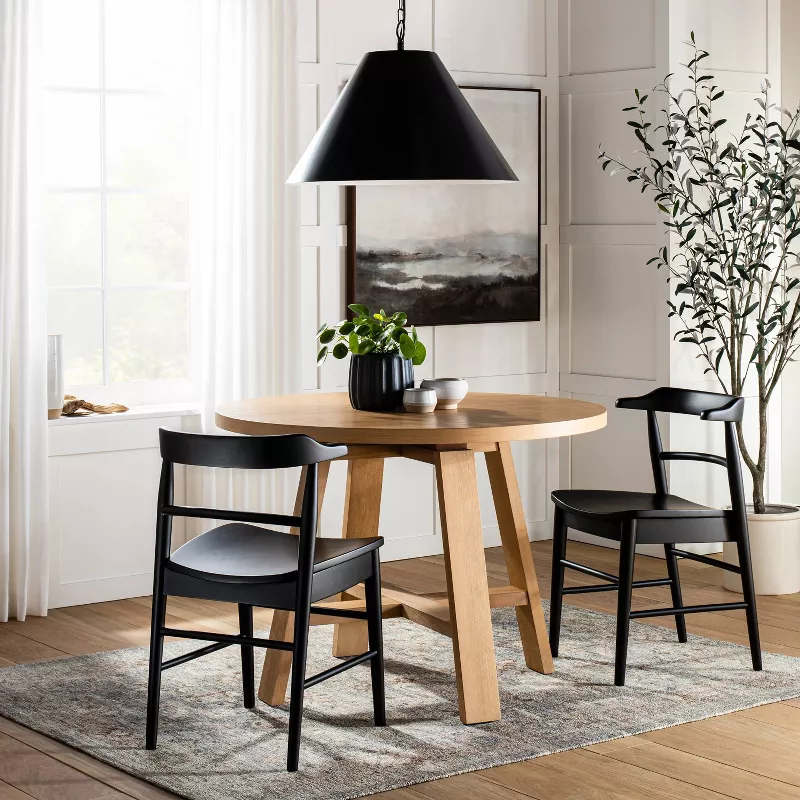
The Kaysville collection leans into Scandinavian-influenced design with curved backrests and clean, considered proportions. The result is something that feels curated rather than off a catalog page. If your space tends toward a light, airy aesthetic with natural textures and restrained color palettes, the Kaysville collection is the obvious starting point. The chairs especially translate well across different table styles and finishes.
Pros:
Cons:
Pros:
Cons:
Pros:
Cons:
Standard dining tables measure between 28 and 30 inches from the floor to the tabletop. Standard dining chairs have a seat height of 17 to 19 inches. Always check both measurements when mixing and matching tables and chairs from different collections.
A 60-inch rectangular dining table typically seats six people comfortably. A 60-inch round table can accommodate four to six depending on the width of the chairs being used.
Yes, mixing chairs is a well-established and widely used design approach. The most common method is pairing matched side chairs with two distinct armchairs placed at the heads of the table. As long as seat heights are compatible with the table, mixing styles adds visual interest rather than looking unfinished.
Round tables perform best in small spaces because they have no corners that protrude into foot traffic areas. A round table also facilitates easier conversation around the entire table, making it both a practical and social choice for compact dining areas
Threshold and Project 62 are Target’s proprietary furniture lines, designed specifically for shoppers who want consistent style without sacrificing durability at a mid-range price point. Threshold leans toward traditional and transitional aesthetics while Project 62 takes a more contemporary direction. Both lines include pieces built from solid wood, rubberwood, MDF, and metal depending on the item. The Threshold x Studio McGee sub-line adds an elevated design sensibility to the same approachable price range.
A round table seating two to four people is the most practical choice for a small apartment. Extendable and drop-leaf designs offer additional flexibility by expanding for guests and compressing for everyday use. Pairing a compact table with stackable or folding chairs is another efficient approach when square footage is limited.